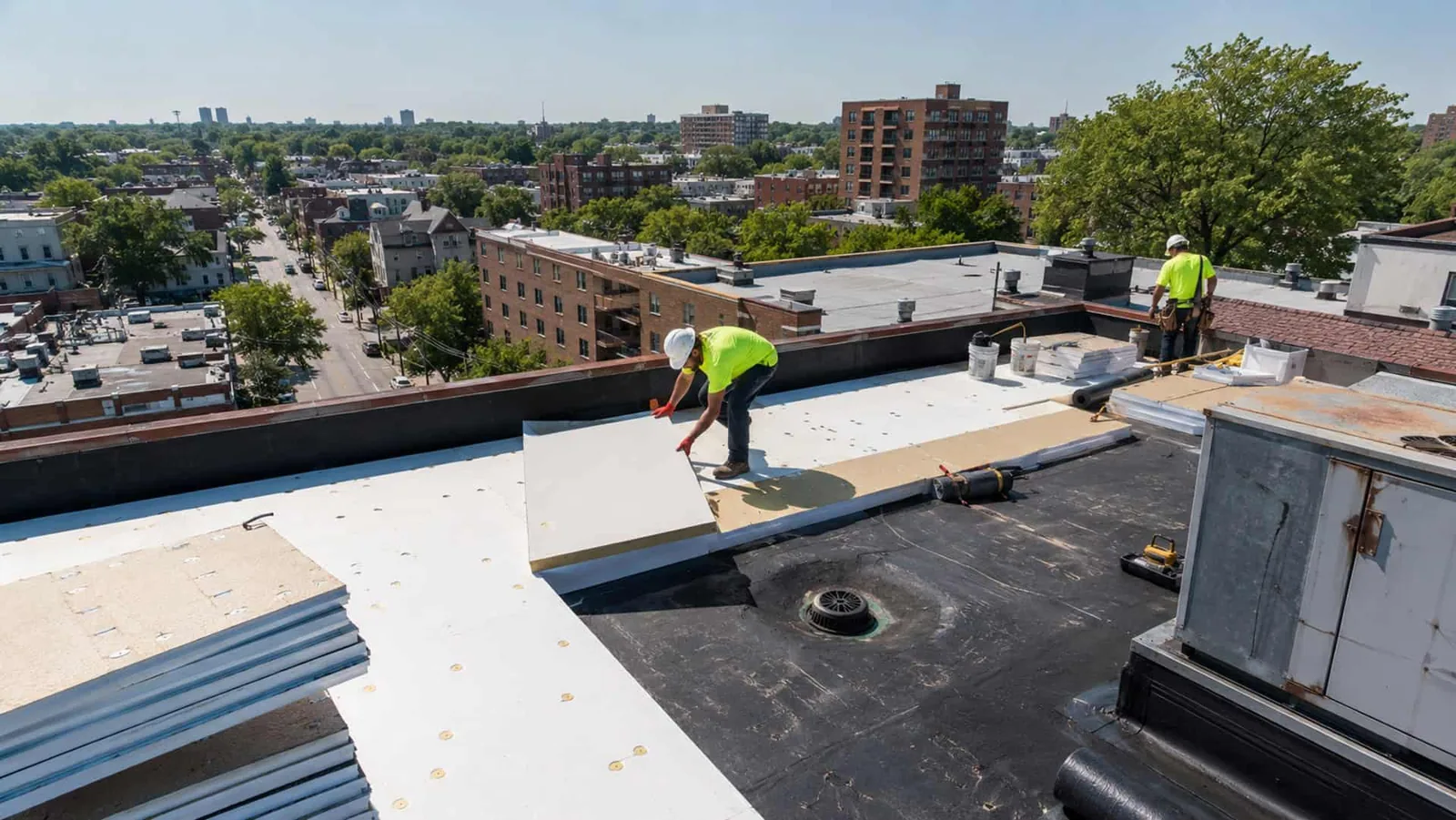
Does a GAF roof always use TPO?
No. GAF offers more than one commercial system. We inspect the installed material and review owner records before selecting a repair method.
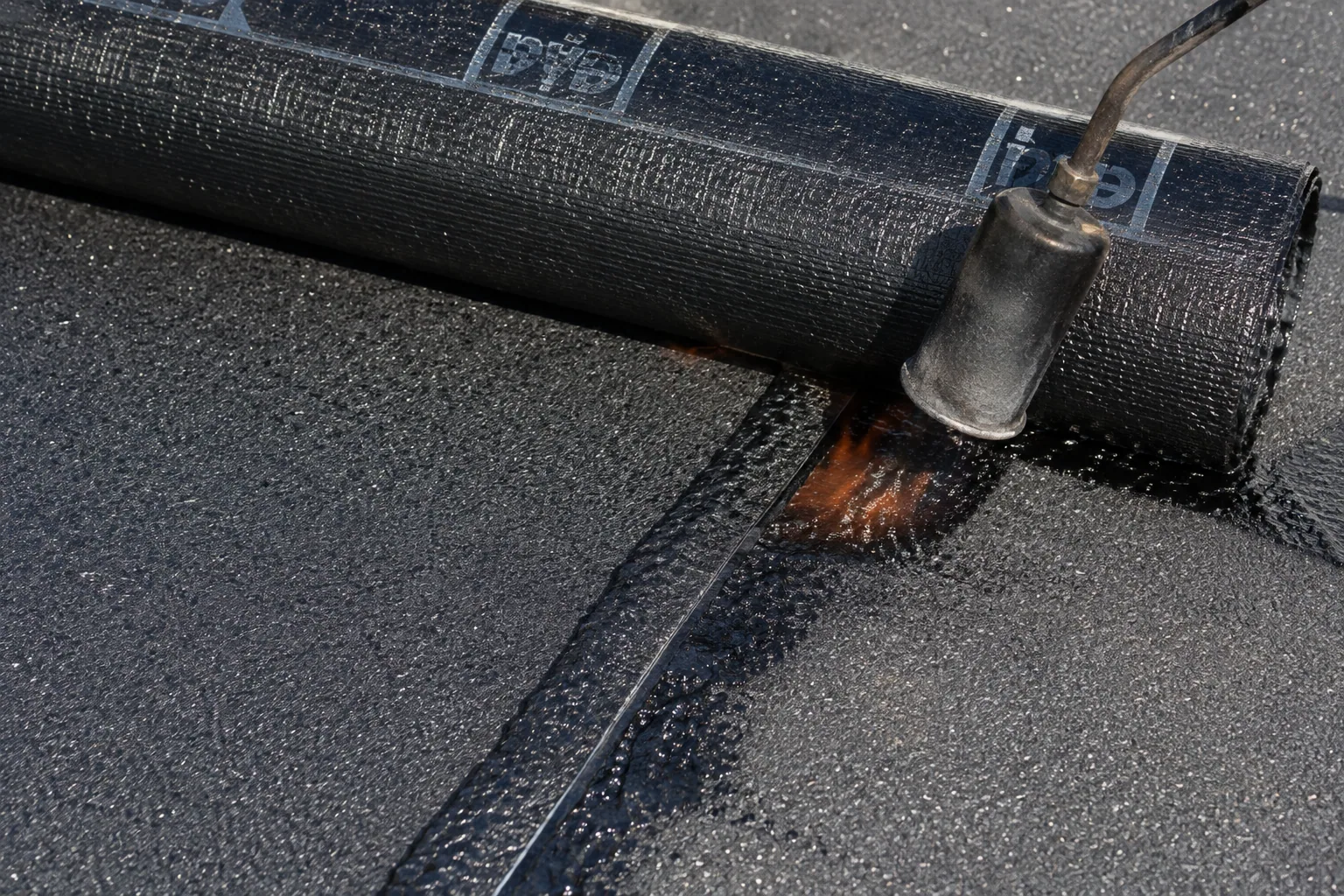
A GAF label on a roof plan does not tell the whole story. We identify the installed membrane or modified bitumen assembly, its age and the details that control water flow before proposing repair or replacement. A GAF system may use a single-ply membrane or asphalt-based layers, and each has different seams, flashings and preparation needs. The first visit should establish what is actually on the building and what condition it is in.
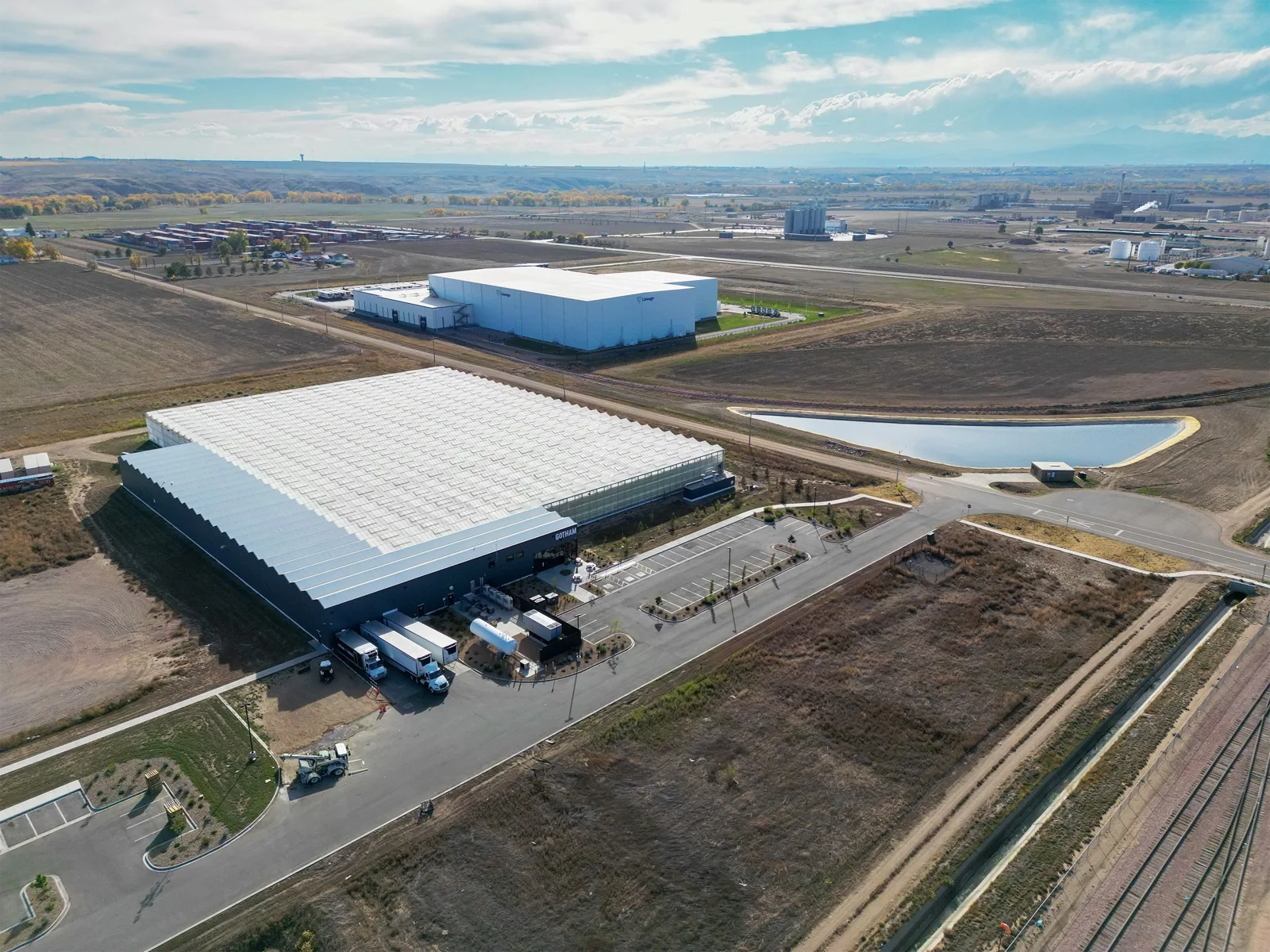
Greeley’s commercial mix includes manufacturing, food production, healthcare and energy. A facility at Great Western Industrial Park can have different rooftop operations than a property in Downtown Greeley. Those surroundings guide access coordination; the roof assembly and site inspection determine the GAF-compatible work.
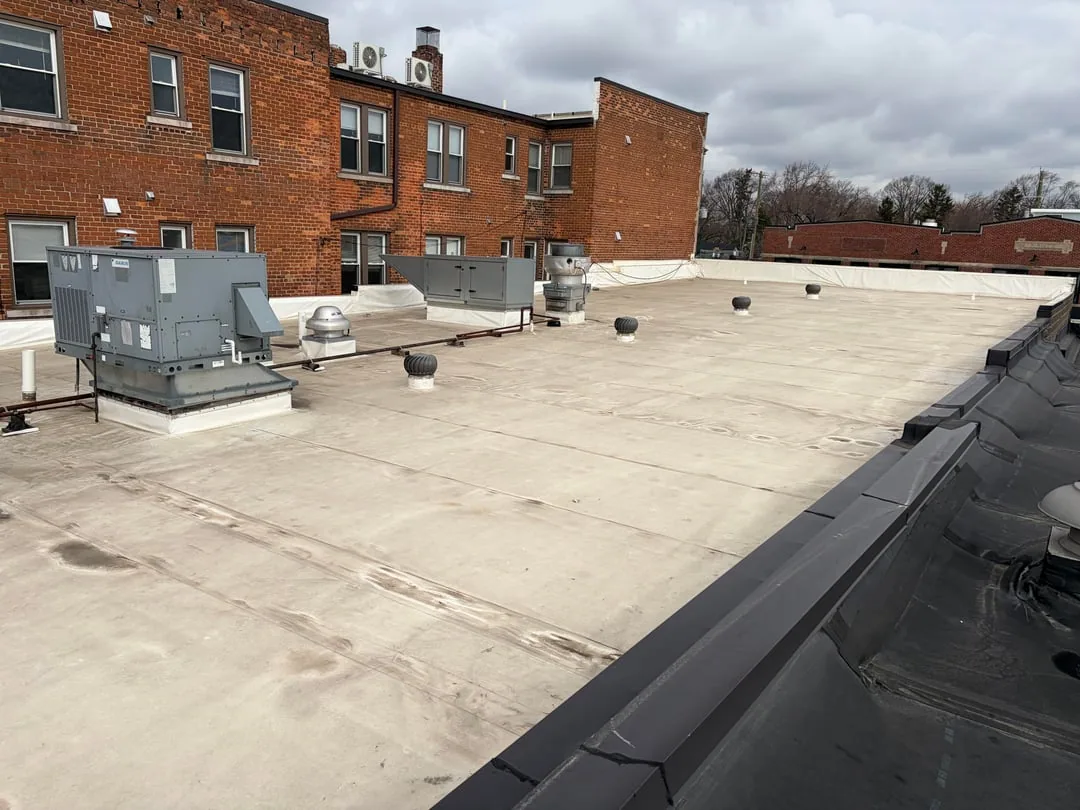
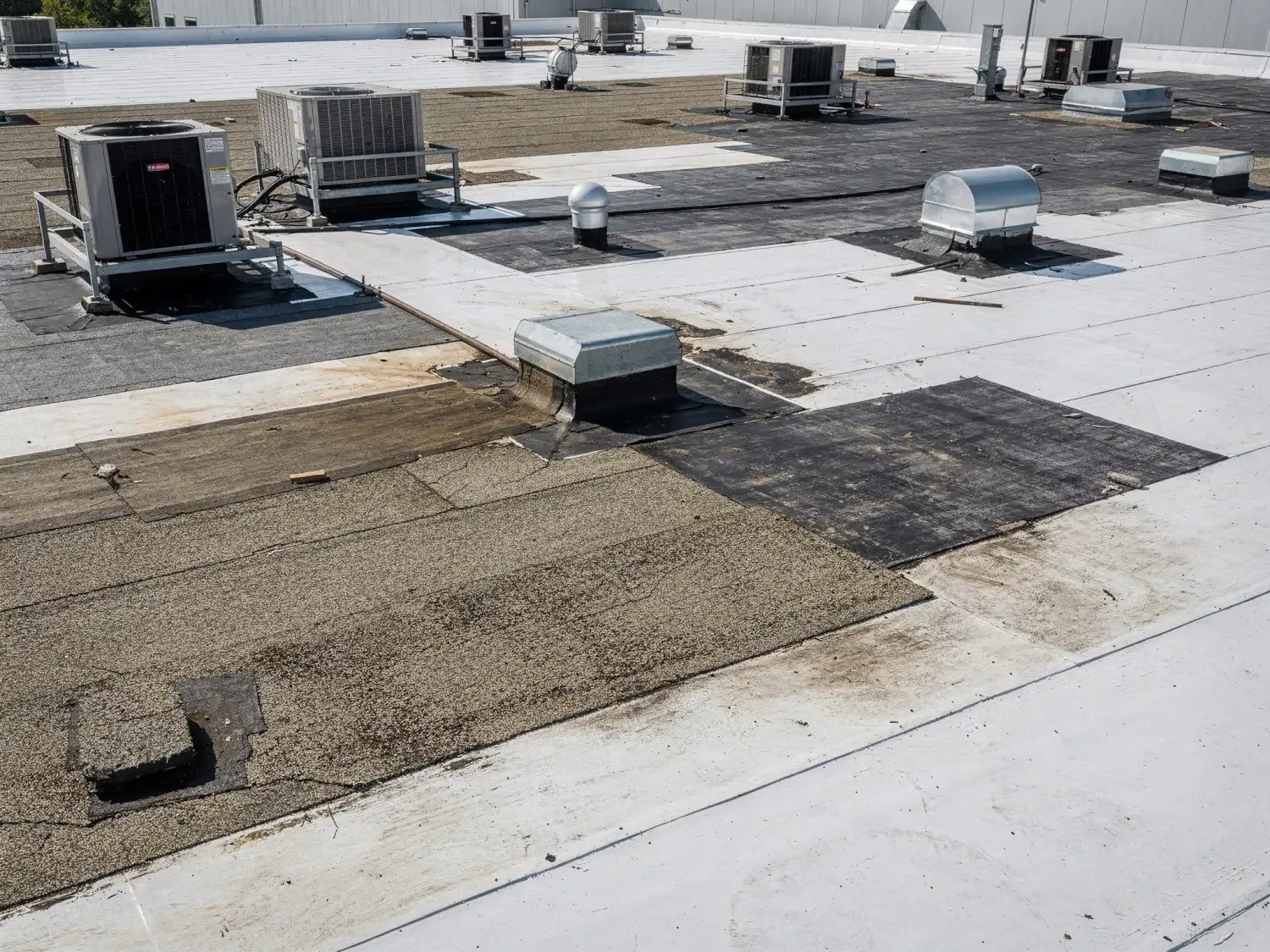
We inspect membrane seams, perimeter attachment, penetrations, drains, insulation transitions and prior repairs. If the records identify a GAF EverGuard TPO system, we check its actual sheet, welds and flashing details rather than assuming every white membrane is the same. For an asphalt-based roof, we inspect surfacing, laps, blisters and transitions before selecting a compatible repair. Product information, shop drawings and warranty documents help confirm the design when available.
Water inside may be several bays away from the roof opening. We compare the reported room with roof slopes, drains, curb locations and seams. A commercial roof inspection can document the suspected path and map the roof zone. If concealed moisture remains uncertain, a moisture survey can help direct follow-up when conditions support it. Any test opening requires owner approval and a restoration plan.
Previous coatings or patches may alter how a repair material bonds. We check for loose film, contamination, incompatible sealant and moisture beneath the exposed surface. If a repair crosses from membrane into metal or masonry, we define each transition separately. That avoids assuming that a branded field membrane also determines the correct flashing material at every roof edge.
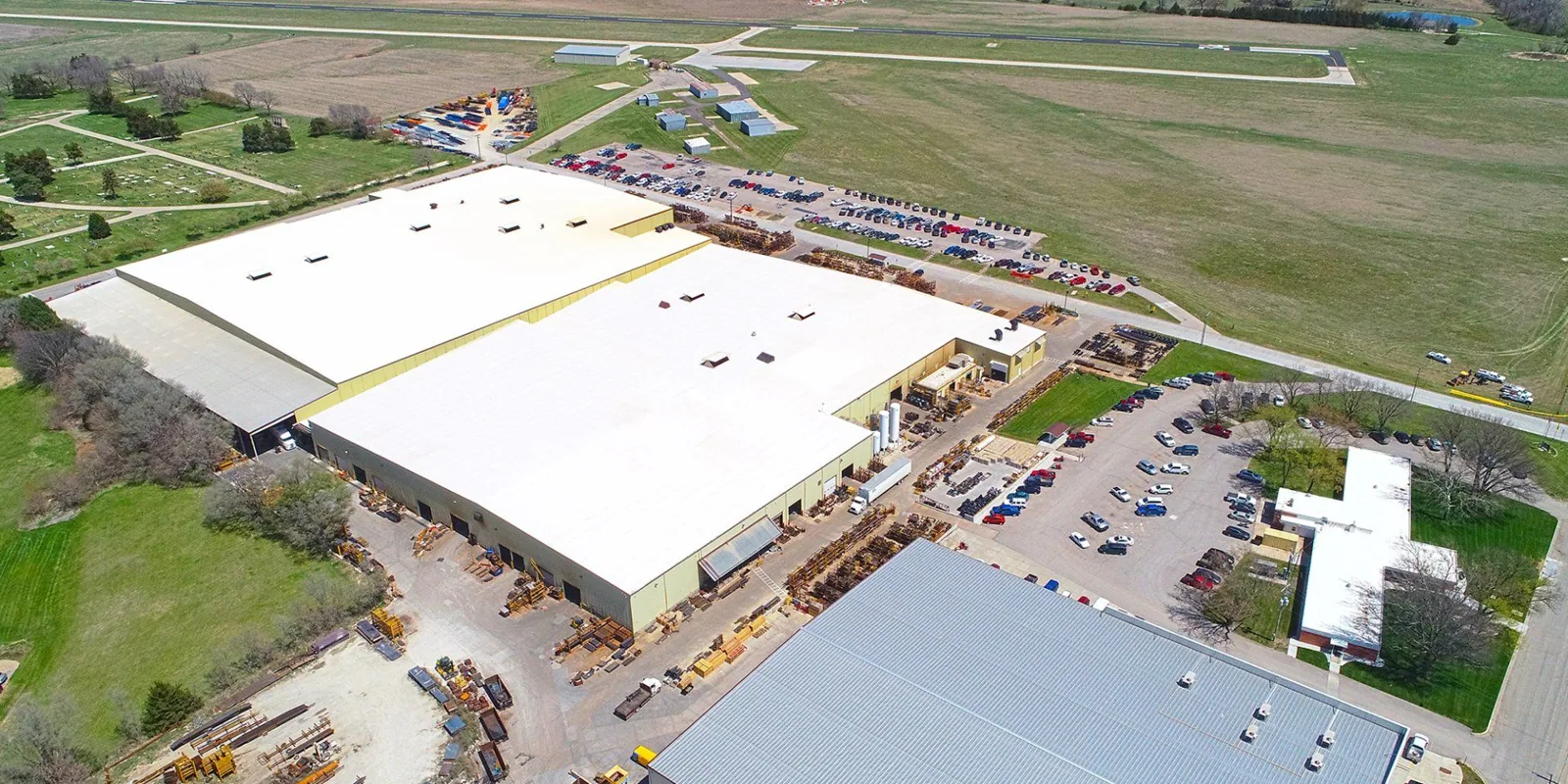
For a confirmed single-ply assembly, repair may involve surface preparation, a compatible membrane patch, new flashing or correction of attachment. Welds and tie-ins must be made on clean material under suitable conditions. An asphalt roof may instead require treatment of a lap, surfacing or a section of damaged felts. We check applicable product instructions and the owner’s warranty documents before setting the method. We do not describe ourselves as a GAF partner or claim a manufacturer approval that the owner has not supplied.
GAF’s commercial offering includes EverGuard single-ply products and asphalt roofing systems. Where records name a different assembly, Carlisle SynTec system information or Johns Manville product records can help distinguish manufacturer-specific materials before repair. These systems are not interchangeable by brand reference alone. A name alone does not determine whether a product fits the existing assembly. We confirm the substrate, insulation, attachment and transition details, then state whether the proposal is repair, restoration or replacement. If an existing roof cannot accept a compatible tie-in, the estimate explains why a broader section may need work.
For repair work, we protect drains and equipment, limit removal to the defined boundary, and inspect the completed detail. A commercial repair scope can handle an isolated opening; a restoration scope is considered only when inspection supports the coating approach. Replacement can be compared through a complete roof proposal when the assembly condition warrants it.
Greeley Airport climate observations include hot days above 90 degrees, record readings above 100, winter snow and wind. Surface temperature and moisture can affect welding, adhesive application, coating cure and crew access. We check the actual roof before work, follow material requirements and arrange a shift window that lets the crew prepare and close each repair. A broad forecast does not substitute for conditions at the membrane.
Weld County storm history includes hail and tornado events near Greeley. That exposure can prompt an inspection, but it does not show whether a GAF roof has failed. We look for impact marks, opened seams, edge movement and water entry, then record each condition. If snow or ice covers the affected area, we identify what could not be inspected and schedule a return when it is safe.
Access can also affect product staging. At Great Western Industrial Park, the site contact may need to maintain delivery paths; in the Downtown district, an entrance or shared loading area may constrain material movement. We coordinate with the building representative and keep the roof repair boundary separate from operational limits.
No. GAF offers more than one commercial system. We inspect the installed material and review owner records before selecting a repair method.
Only if the assembly, surface and coating product are compatible. We check condition and preparation needs before recommending restoration.
They help identify stated inspection or notice steps. We ask the owner to confirm any requirement with the administrator before work proceeds.
We can inspect and document the affected areas. The proposal follows observed membrane, flashing or attachment damage, not the storm report alone.
Assembly layers, tear-off, insulation, access, perimeter details and occupied-building sequence affect scope. We list assumptions and exclusions in the proposal.
An isolated seam or flashing issue can often be addressed locally when surrounding material is sound. Repeated leakage, wet insulation, widespread seam failure or an unknown assembly may require testing or a broader replacement review. We connect each repair recommendation to the inspected GAF assembly and note any roof zone that needs a separate test. The owner can compare alternatives without treating the brand name as a condition assessment.
Cost and timing depend on roof area, material, height, access, insulation, tear-off, edge work, equipment protection and work sequencing. The proposal states preparation, tie-ins, test steps, exclusions and closeout. If manufacturer paperwork lists inspection or notice requirements, we identify them for owner confirmation. Warranty document tracking can keep those requirements and completed repair records together.
For Greeley properties near the 10th Street Urban Renewal Corridor, commercial upgrades may affect staging or tenant schedules. The City’s district program does not establish any roof condition. We confirm the actual building access and arrange work around confirmed site procedures.
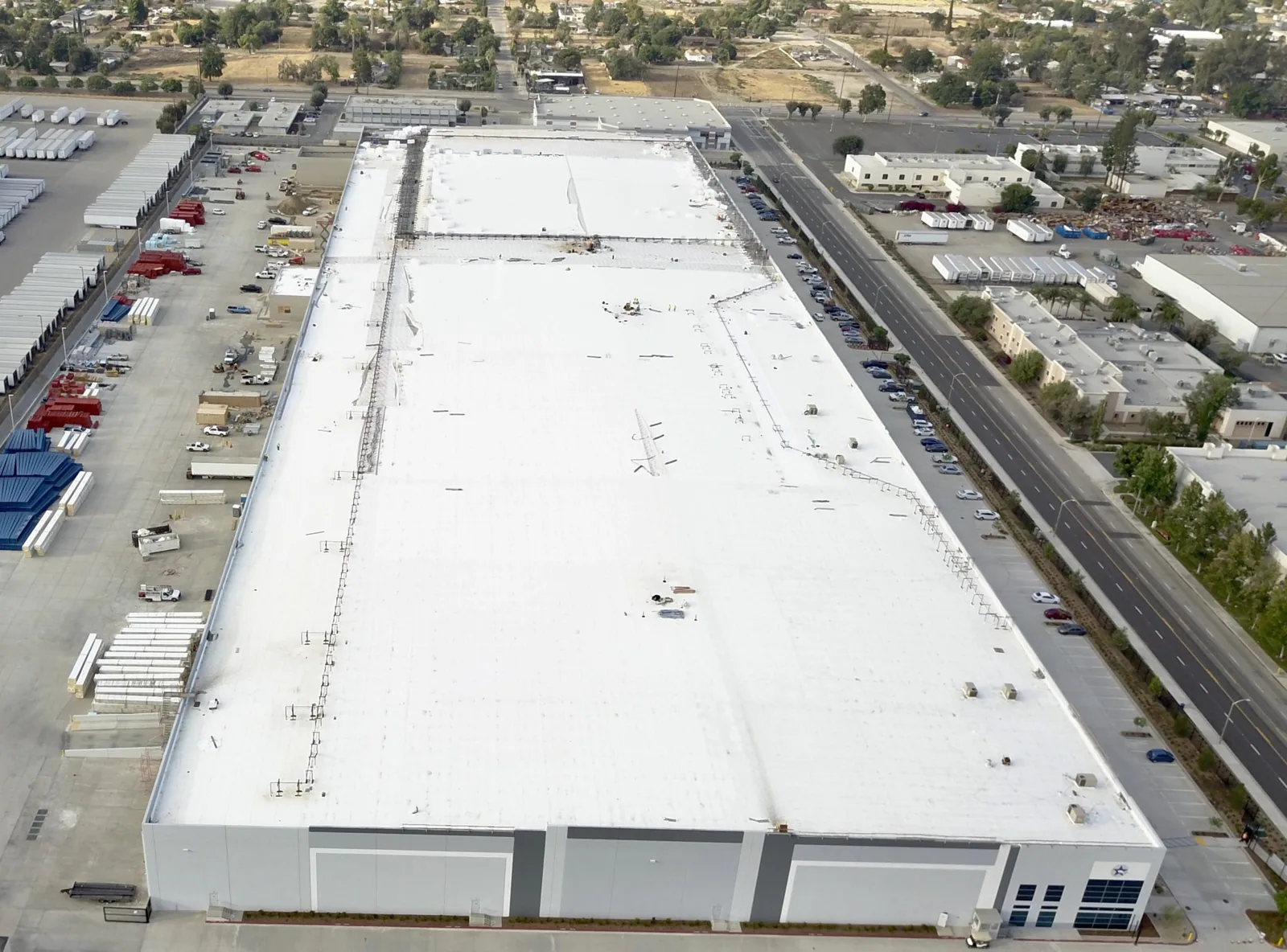
Closeout identifies the roof system observed, product information available, repair location, materials, photos, test results and open items. If the exact assembly could not be verified, we say so. The owner receives a record that can be compared with roof plans and warranty documents during later maintenance. A marked plan reference and dated images help technicians return to the same seam or transition. We distinguish work completed from nearby conditions that were noted but excluded.
Share the roof plan, GAF product data, warranty file, leak timing, prior repairs, access rules and any manufacturer inspection instructions before the visit. Tell us whether occupants or equipment require a protected route. We can then select inspection steps and materials for the first visit, while keeping unknown conditions visible instead of filling gaps with a product assumption.
From Great Western Industrial Park to Downtown Greeley, we bring the same discipline to assembly identification and site-specific planning. The resulting scope names the repair boundary, material approach and work sequence. That gives facilities staff a practical basis for authorizing the next roof action.