Can Carlisle TPO and PVC be repaired the same way?
No. The membrane and accessories determine preparation and welding details. We identify the installed system before selecting a method.
A Carlisle SynTec system may have TPO, PVC, EPDM or another membrane configuration, so a repair should begin with the product and detail actually installed. We review roof plans and available closeout records, then inspect seams, flashings, drains and prior repair points. That process identifies whether the roof needs a local correction, a broader restoration evaluation or more testing before a scope is set.
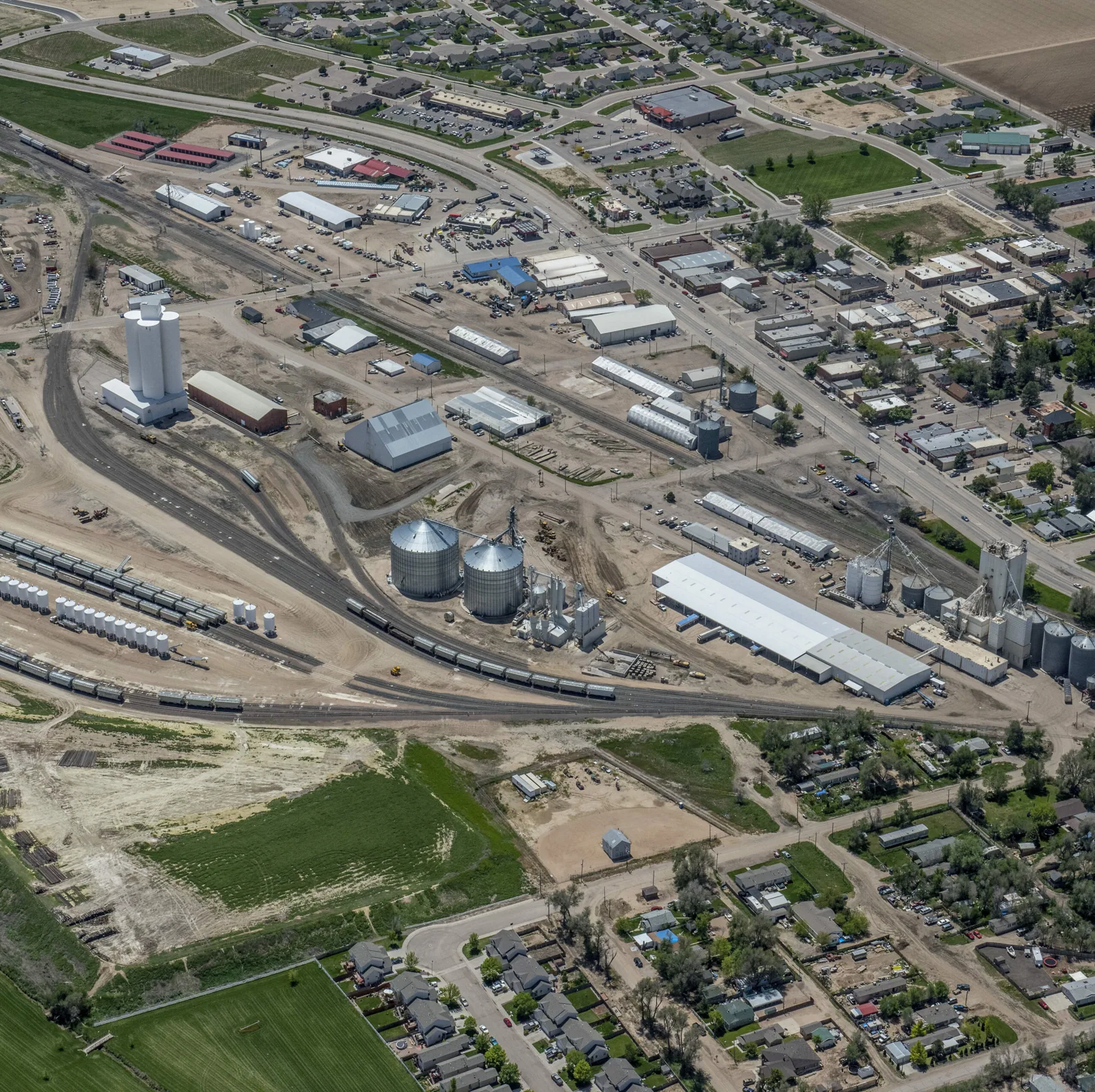
Greeley’s operating sites include the Eaton Industrial Rail Park and the West Greeley Mall Area. Property access, deliveries and occupant schedules vary between those settings. We confirm the conditions at each building and use the roof system data to plan compatible Carlisle-related work.
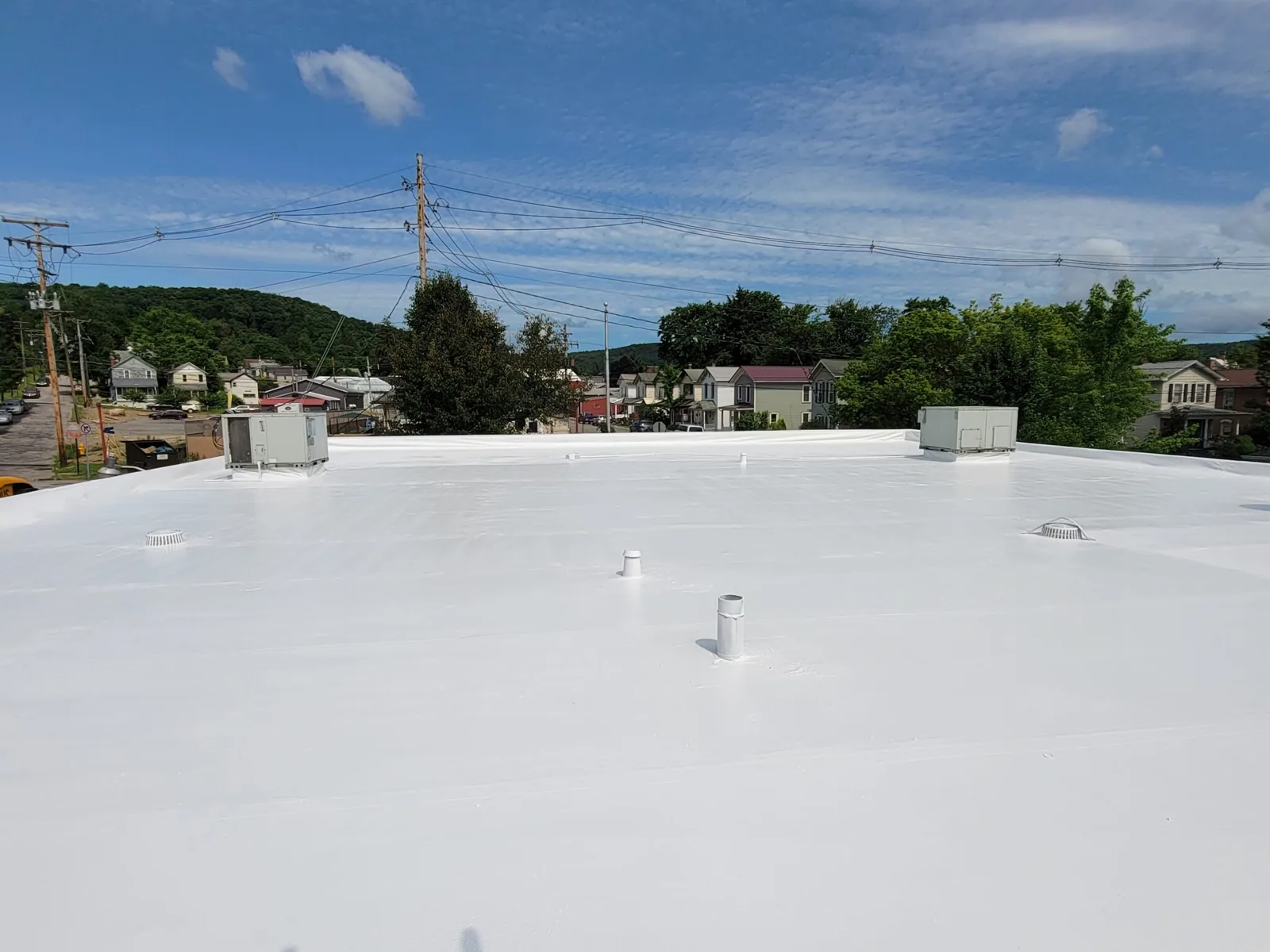
We look for product markings, construction records, membrane thickness when documented, seam details and attachment method. A white sheet is not enough to identify a Carlisle product. We inspect welds or adhered laps, perimeter securement, penetrations and transitions into metal or masonry. If the roof has been coated or patched, the report notes whether that material obscures the original surface or affects a new tie-in.
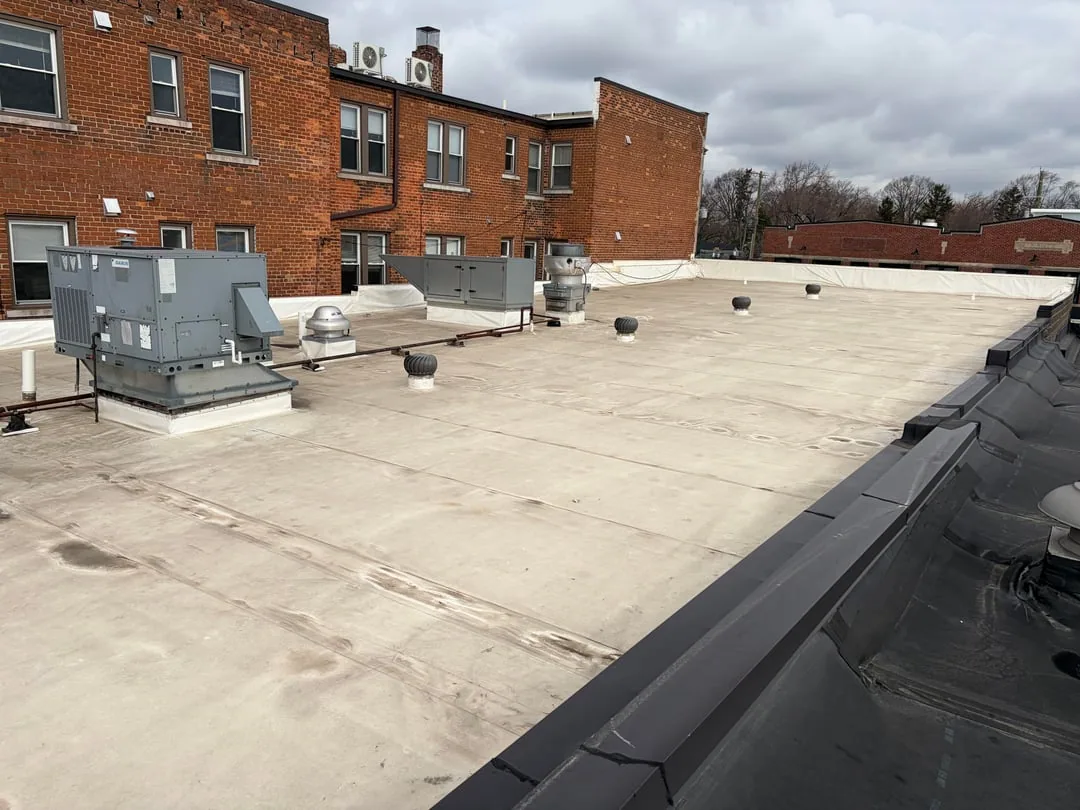
A reported leak can originate away from the ceiling mark. We inspect the roof path above it and compare slope, drain locations, seams and penetrations. A commercial roof inspection can map those observations, and a photo-supported condition report can preserve the system and repair boundaries for later review. Any exploratory cut must be approved and restored under an agreed method.
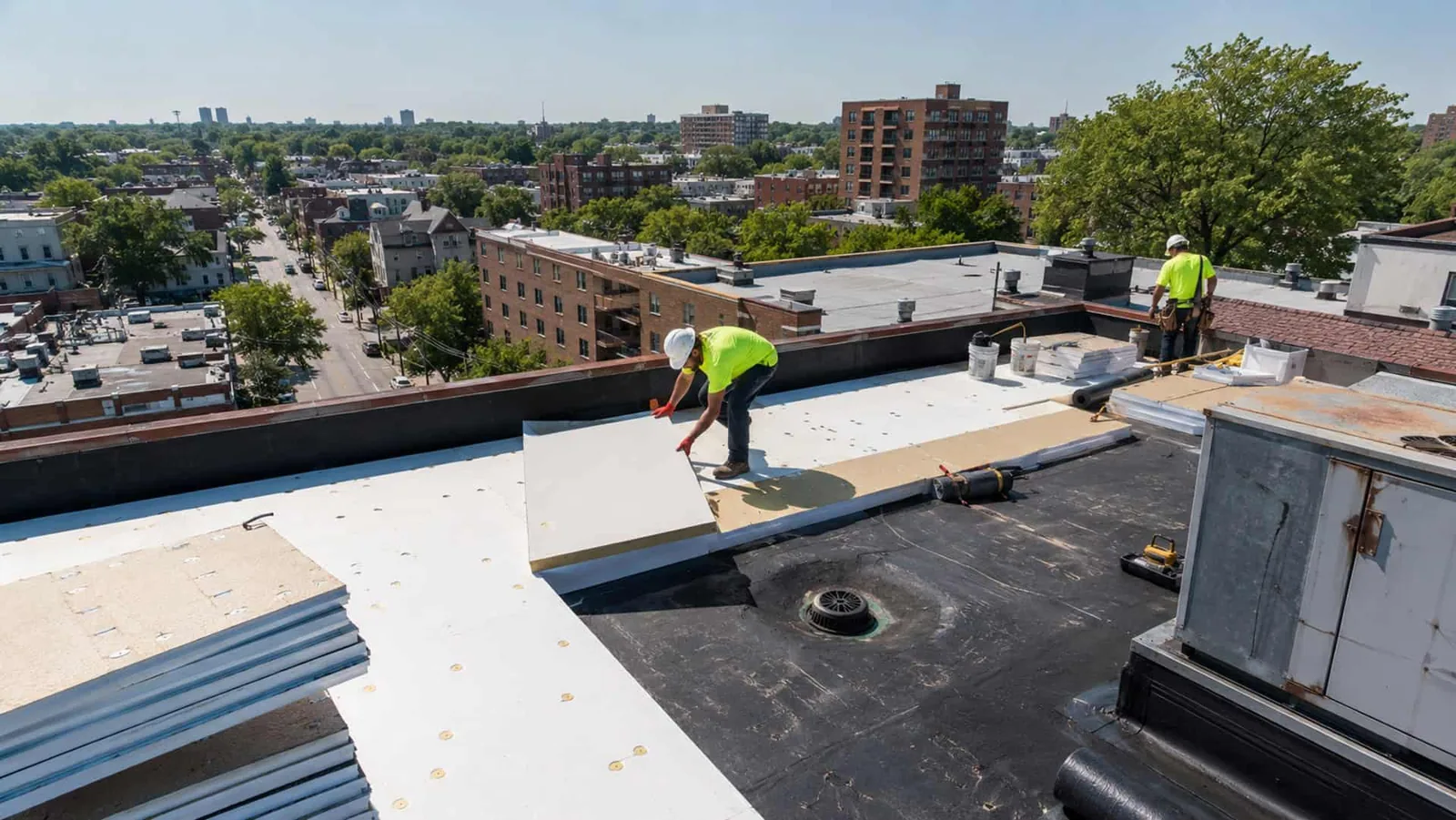
We also check whether the assembly includes insulation, cover board or fleece backing that changes how the repair should be prepared. Manufacturer documents help identify the intended construction, while field inspection verifies what is present. If records list Carlisle Sure-Weld TPO, Sure-Flex PVC or EPDM, we keep the repair specific to that product family and do not assume that one system’s accessory works with another.
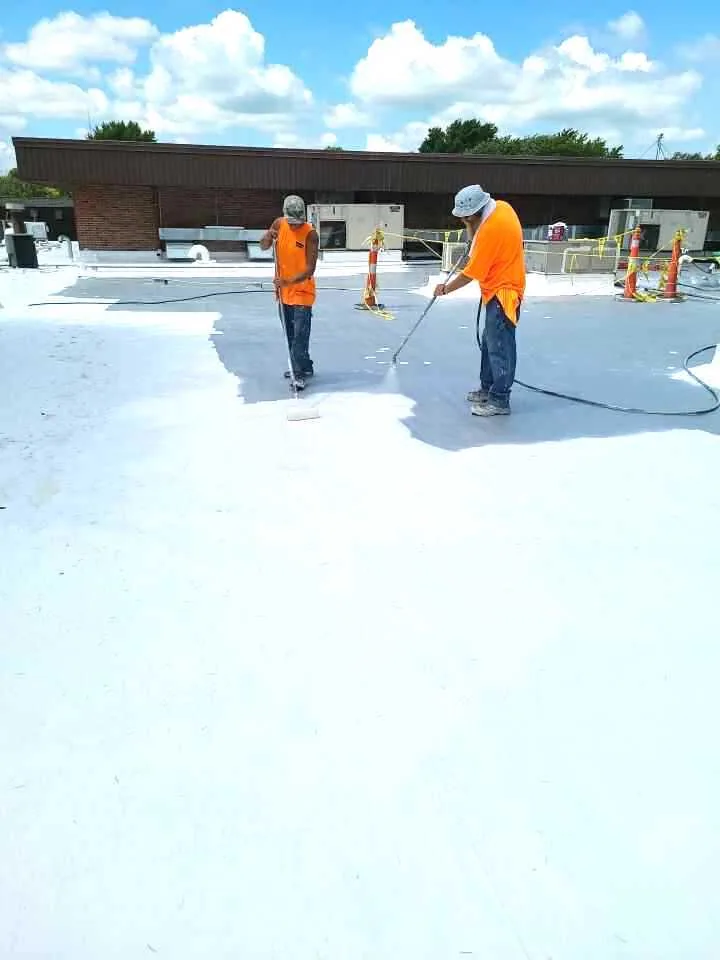
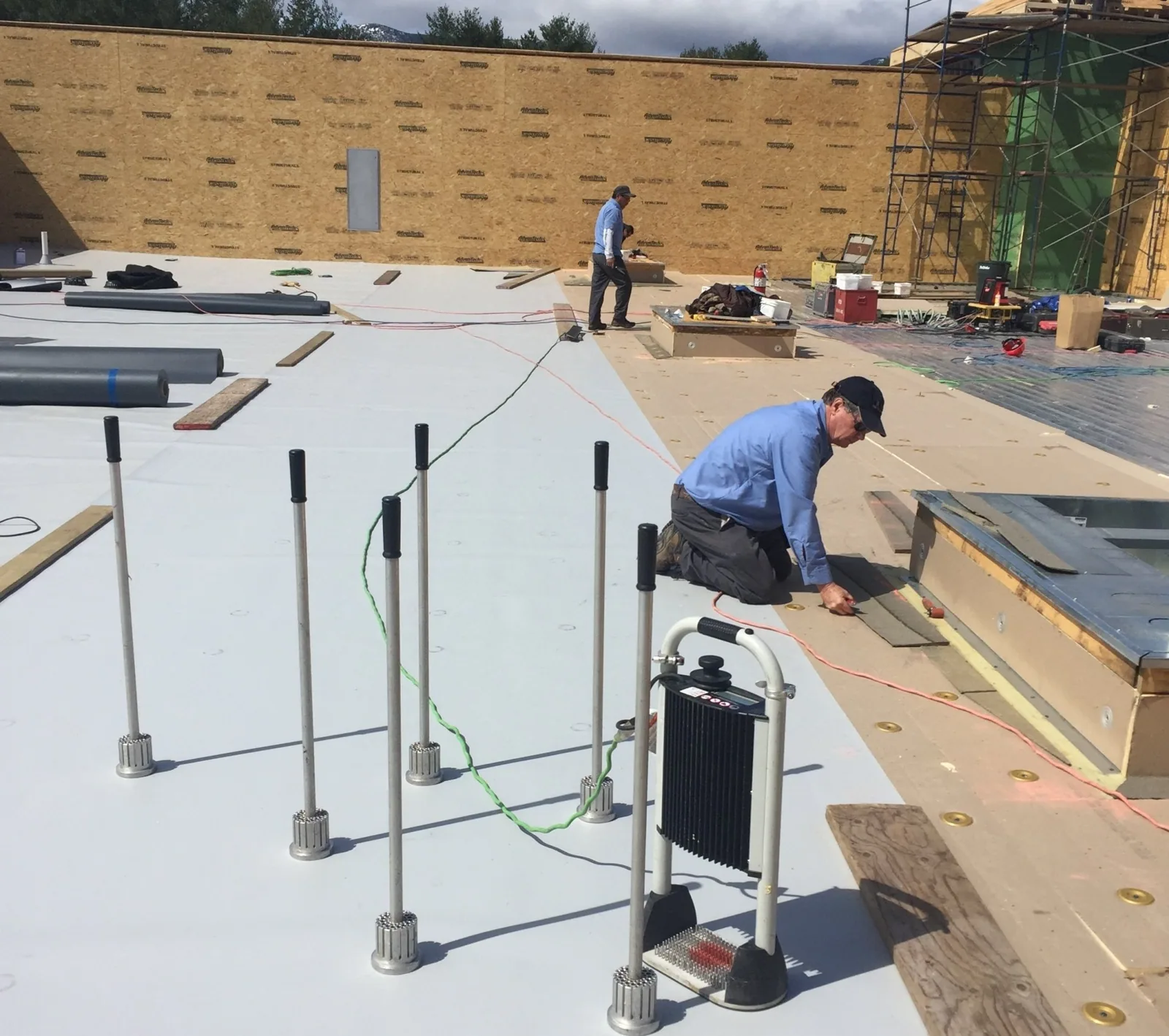
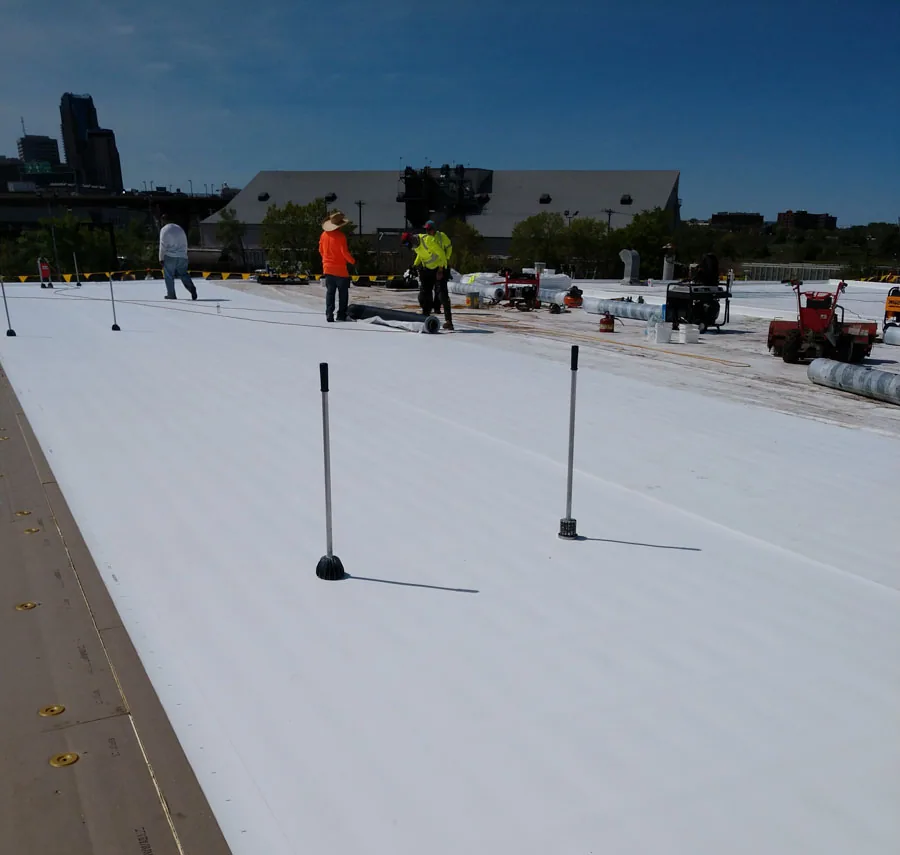
Repair scope follows the confirmed membrane. A heat-welded TPO or PVC seam needs clean, compatible material and a complete tie-in. EPDM requires a different cleaning and seam method. A fleece-backed or adhered assembly adds preparation and attachment considerations. We review applicable product instructions and the owner’s warranty paperwork, then state the materials and steps proposed for the observed defect.
We prepare a repair boundary that reaches sound material, remove only what the approved scope requires and protect drains and equipment from debris. The finished detail is checked by a method appropriate to its system. If the work joins a curb or wall, we inspect that flashing separately. Seam failure repair can address an open lap, while flashing repair handles a confirmed transition issue.
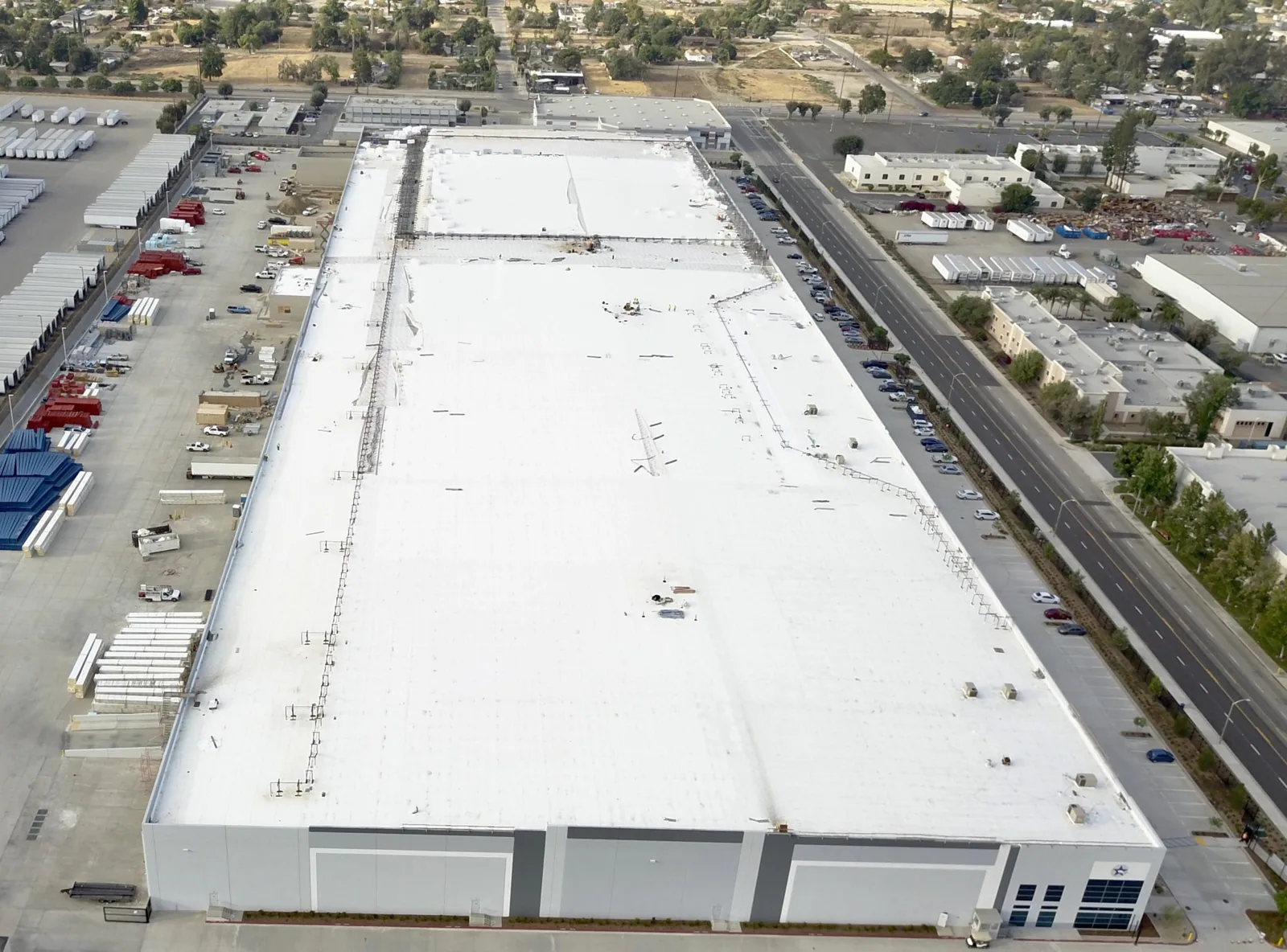
Carlisle SynTec’s commercial portfolio includes Sure-Weld TPO, Sure-Flex PVC and EPDM roofing. For comparison, GAF commercial systems and Versico membrane options have their own accessory and installation details. We service an existing system based on its condition and material compatibility. When replacing an assembly, the proposal identifies insulation, attachment, perimeter, penetrations and tie-ins so the owner can review how each detail connects with the building.
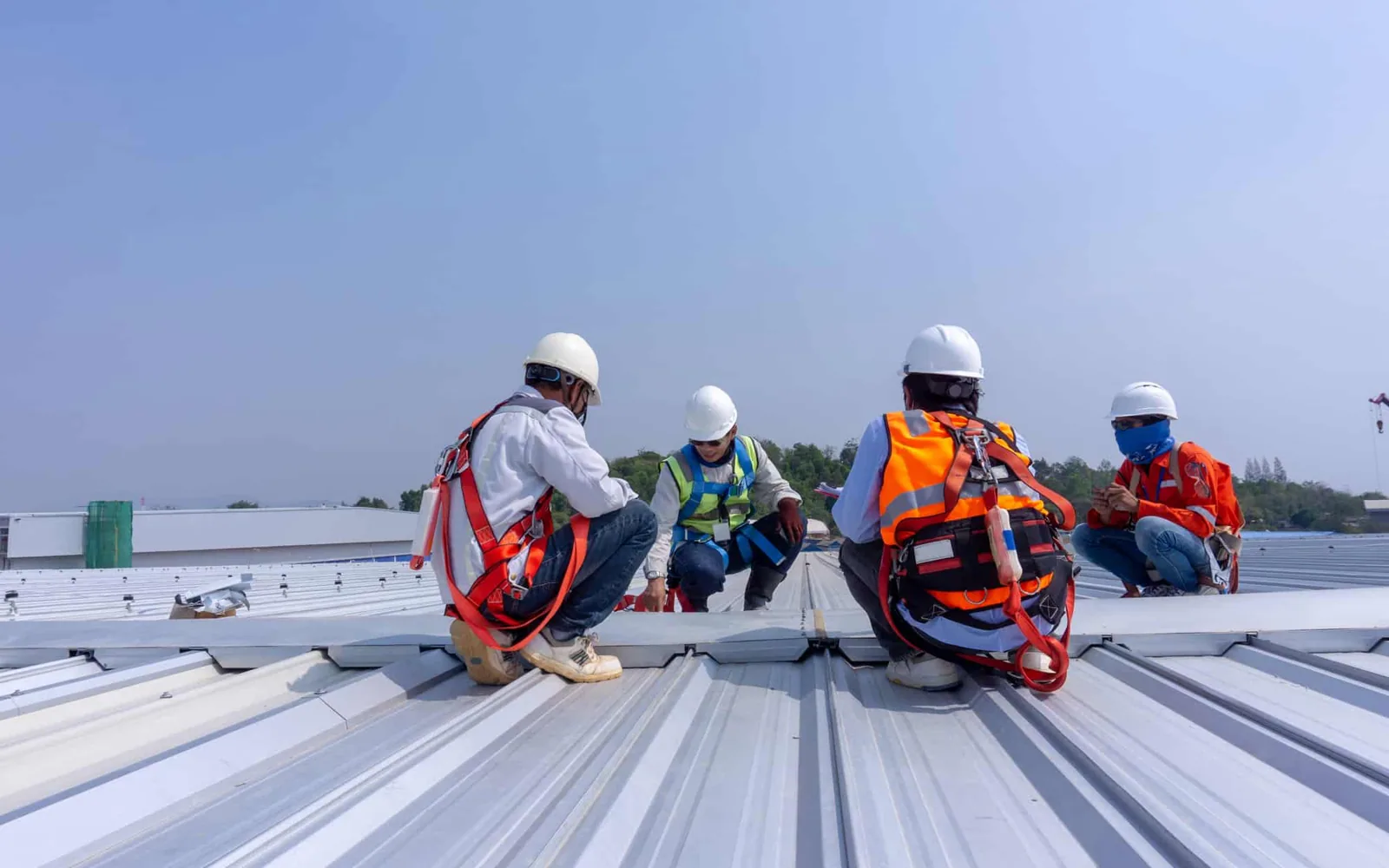
High roof-surface temperatures can affect membrane handling and adhesive work. Greeley Airport climate records include hot periods above 90 degrees and record temperatures above 100. We check site conditions before preparing a seam or installing a patch. Wind can also affect loose membrane and sheet handling, while snow or ice can block the repair zone. The foreman sets the safe sequence and confirms that the detail can be closed properly.
Weld County weather summaries include hail and tornado events near Greeley. After a reported storm, we check the Carlisle membrane, edge attachment and penetrations for conditions the event may have exposed. The event itself does not determine the repair. We photograph the inspected zones, note surface marks separately from openings and state whether an area was inaccessible when we arrived.
At Eaton Industrial Rail Park, deliveries and rail-related site operations may influence staging; the West Greeley commercial area may have tenant or public access concerns. Those local settings help us ask the right scheduling questions. The facility contact confirms actual access routes, loading needs and any roof equipment that must remain in service during work.
No. The membrane and accessories determine preparation and welding details. We identify the installed system before selecting a method.
We inspect the installed sheet and details, then record any remaining uncertainty. The proposal states what product information would help confirm compatibility.
The written terms control. We review owner-provided documents for stated notice or inspection steps and ask the owner to confirm them with the administrator.
We trace the reported area and inspect visible roof details. Concealed moisture may require an authorized test or another survey method.
Send roof plans, product data, warranty documents, leak timing, earlier work and access instructions. The site contact can also identify active equipment or delivery limits.
An isolated seam or flashing correction may be enough when the surrounding membrane and insulation remain sound. Multiple leaks, widespread adhesion concerns or concealed moisture can require testing before repair boundaries are set. We explain the observation, work proposed, test requirement, access limit and follow-up. The owner can compare a repair with restoration or replacement only where the inspected condition supports those options.
Cost and duration depend on roof height, system, repair length, preparation, access, insulation, edge details and dry-in sequence. We list exclusions such as interior finish work, equipment relocation or structural evaluation. A repair proposal can cover the confirmed area; a recover alternative can be reviewed only if the existing assembly meets project requirements.
If records show a warranty inspection or notice step, the owner should confirm it with the administrator before work. Our warranty record support can organize provided documents and closeout information. For phased work across several buildings, a multi-site program can coordinate visits while retaining a separate Carlisle assembly record at each location.
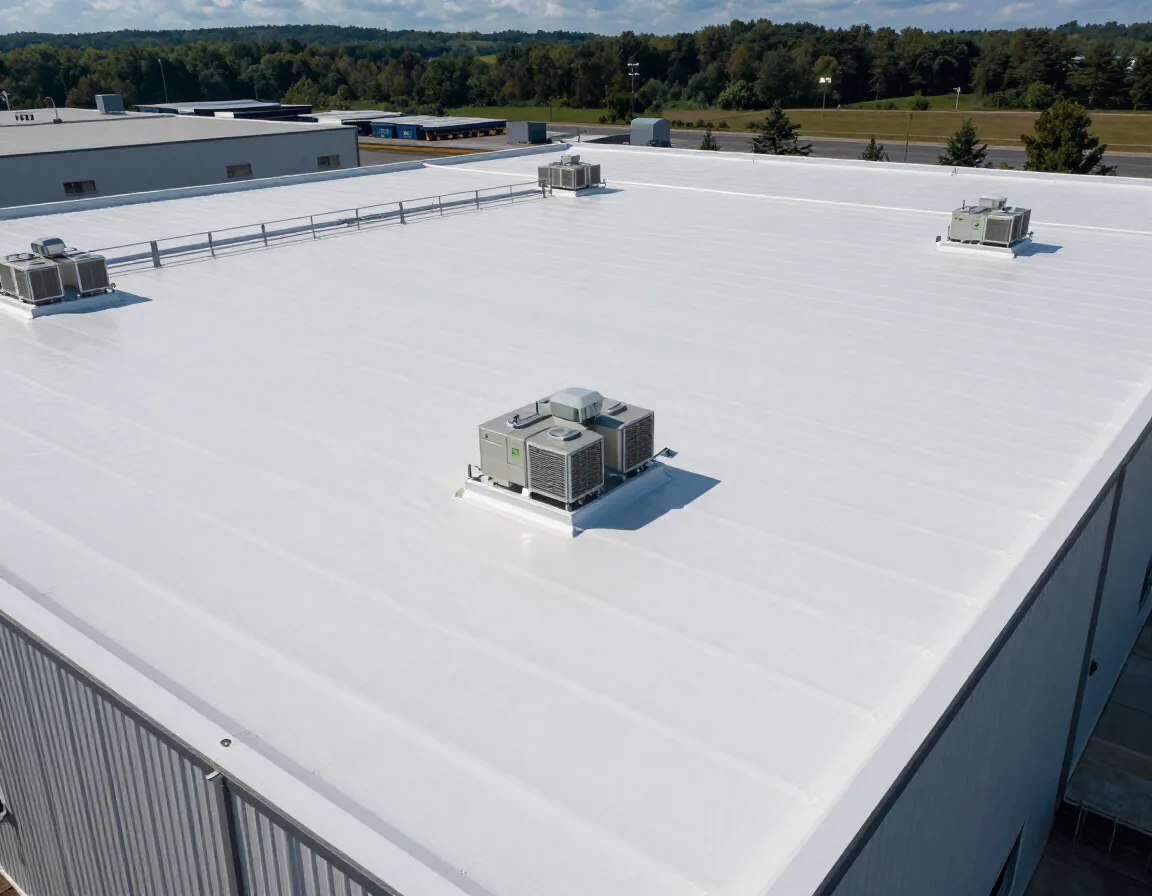
The closeout file lists the membrane identified, repair material, seam or flashing location, photographs, test results and open items. If the exact Carlisle product could not be confirmed, that uncertainty remains explicit. We record any coating or prior patch that may affect later work and identify which adjacent areas were not included.
Provide product submittals, roof plans, warranty terms, leak timing and earlier repair records before inspection. Tell us how the site handles roof access, deliveries, occupant notices and equipment shutdown. These details help us plan the inspection route and carry suitable repair material. If the owner wants a manufacturer inspection, identify the contact and requested notice window before work is scheduled.
From Eaton to West Greeley, each building receives its own roof-zone notes. The report connects observed condition with authorized work so later maintenance can see what was repaired and why. When plans or warranty records are updated, the facilities team can add them to the building file without changing the field findings from the original visit. A dated repair log helps identify which seam or transition was touched and which nearby details remain outside scope. We can label each photo by roof zone and work date for later comparison by staff.
For a Carlisle system, a repair detail depends on the membrane family, attachment and compatible accessory shown in the submittal. We compare that information with field conditions before selecting a patch, flashing or seam method, then note any product question that needs owner or manufacturer confirmation.