Can you inspect all our buildings in one visit cycle?
We can plan a sequence across the portfolio after confirming access, roof count and site procedures. The schedule should retain a separate inspection record for each property.
A portfolio that spans several addresses needs consistent work records while preserving what makes each building different. We set an inspection and reporting sequence that names each site, roof zone, system, open condition and next action. A portfolio owner can compare findings in one view while retaining the details that determine repair method and access at each property.
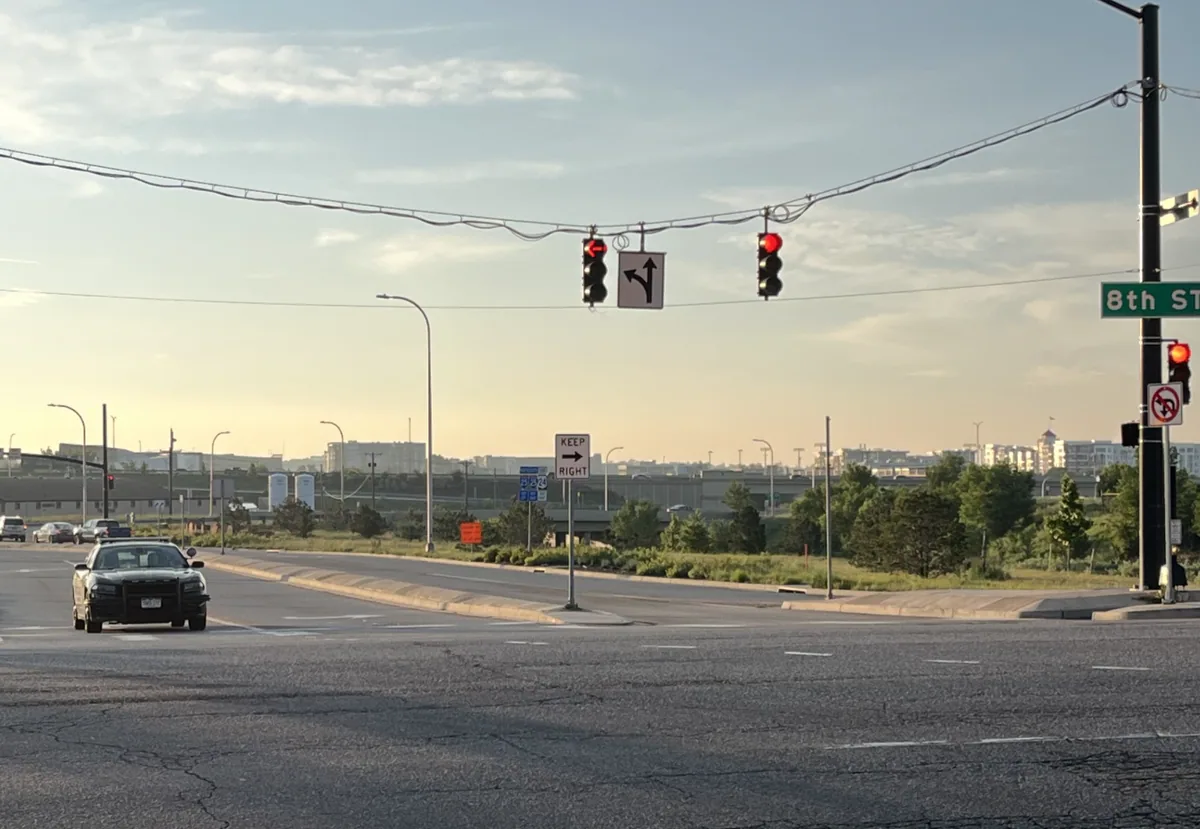
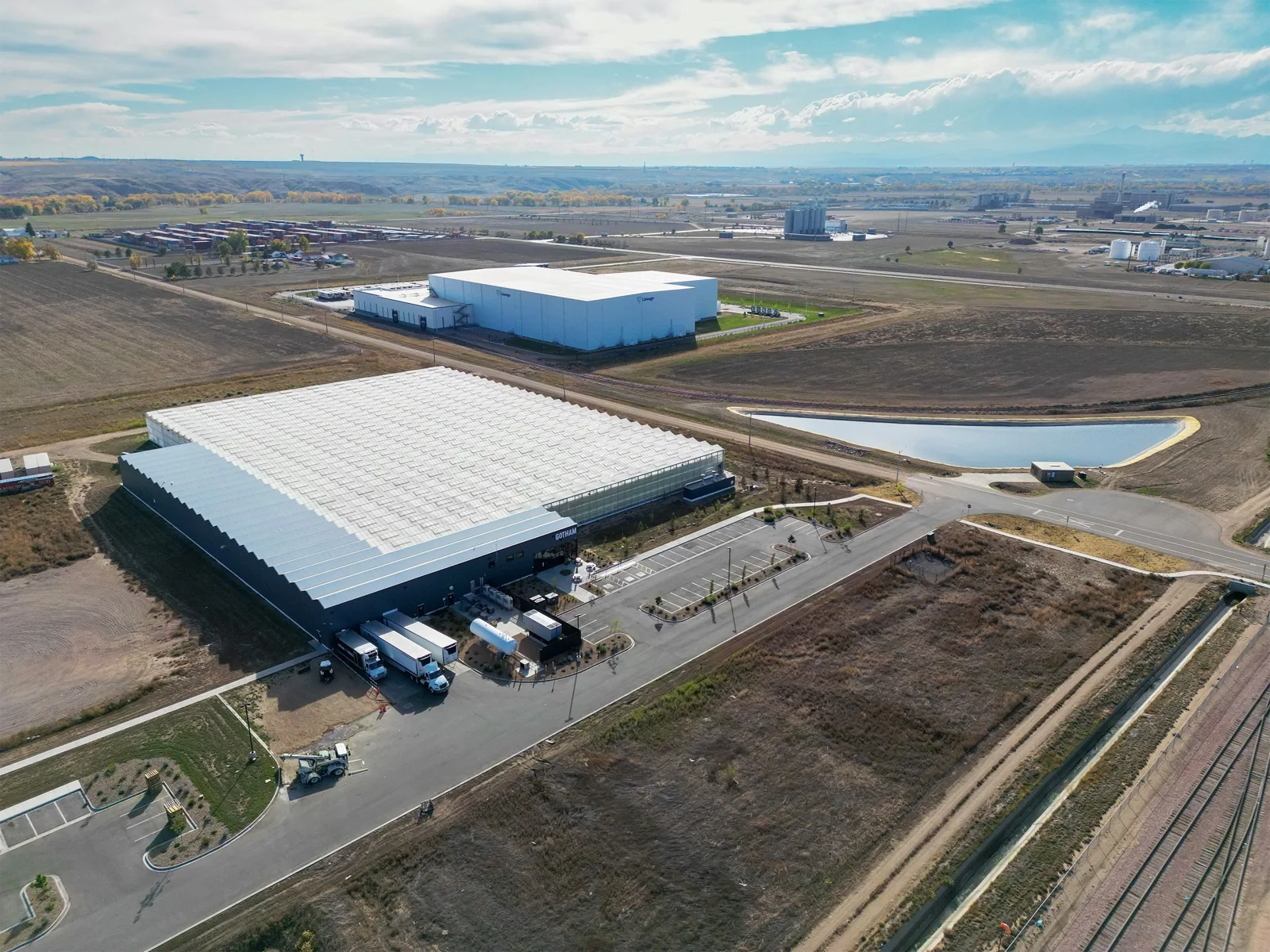
Greeley supports food and beverage production, agriculture, manufacturing, healthcare, energy and technology. A program spanning East 8th Street Corridor and Great Western Industrial Park may involve different tenant, delivery and safety procedures. We confirm each site’s requirements and build the work sequence around them.
Before the first visit, we agree on the property list, contacts, report fields, inspection boundary and escalation path for active leaks. Each site can include roof plans, assembly records, warranty information, maintenance history and current work orders. We identify missing information before assuming that one building’s details apply to another. Where ownership or site contacts differ, the program records who can grant access and authorize work.
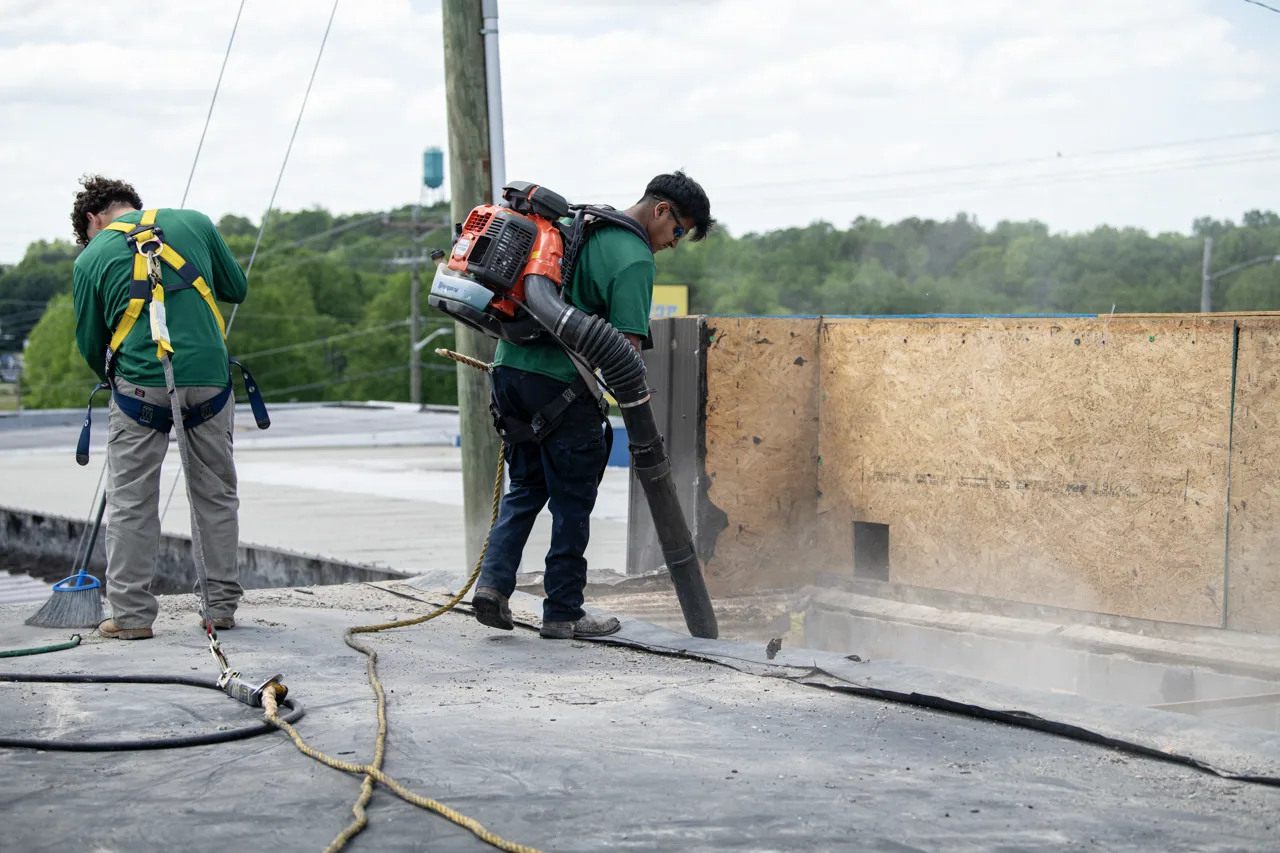
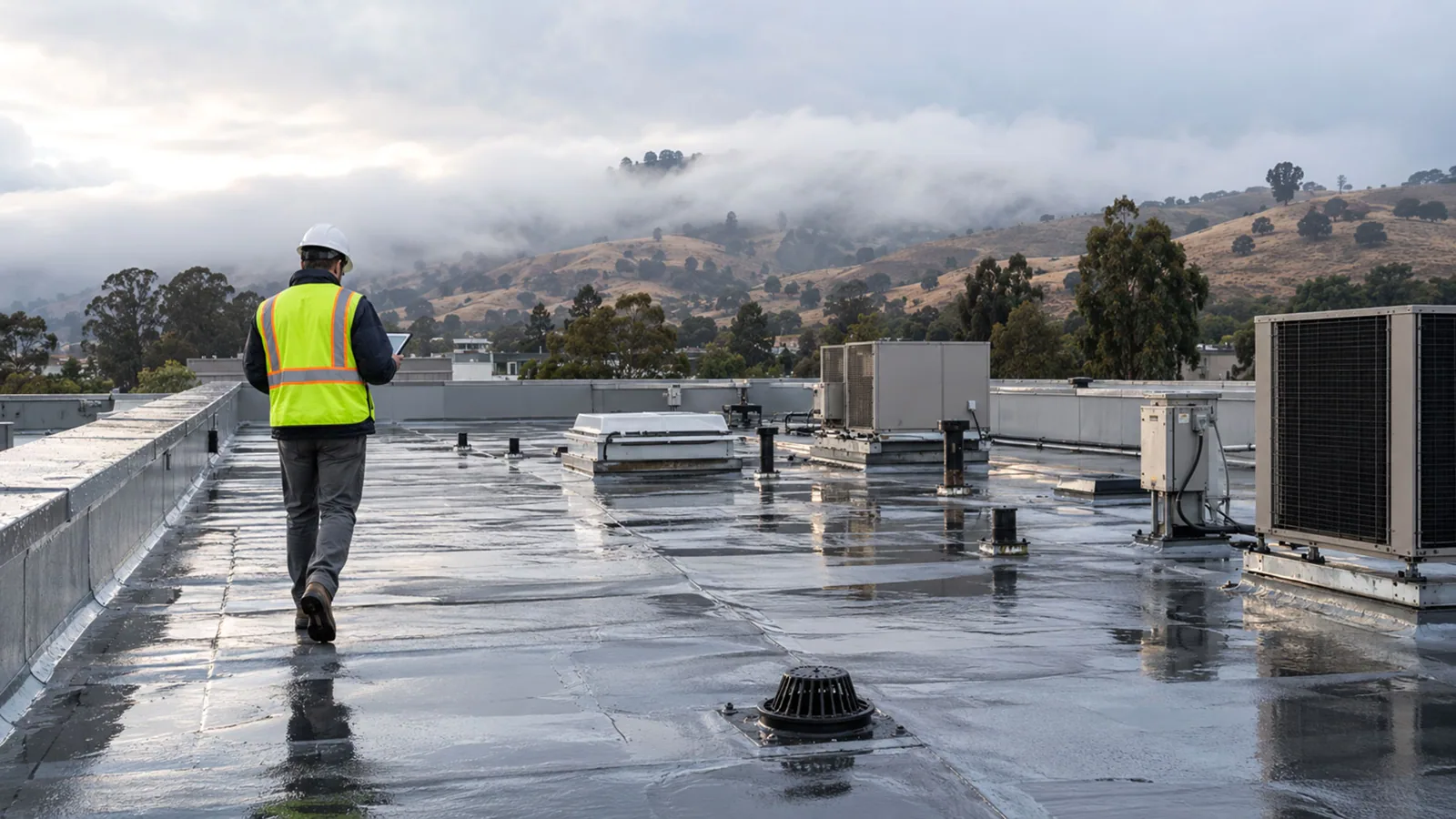
During inspection, we capture system observations, drainage, roof edges, penetrations, repairs and areas requiring follow-up. Findings use common labels such as repair, maintenance, monitor or test, with the condition described in plain terms. A photo-supported condition report keeps evidence available by roof zone, and a roof asset inventory can retain work history between service cycles.
We establish response rules for water entry and unsafe conditions. The property contact receives an urgent finding promptly, while planned work goes through the owner’s normal approval process. This separates emergency protection from routine inspection and prevents an annual report from becoming a substitute for a repair authorization.
We group visits by location, access window or roof system when it helps reduce disruption, but each inspection remains specific to its building. The schedule lists site contacts, roof access, escort needs, tenant notices, staging and any shutdown constraints. For occupied facilities, we coordinate with the person responsible for rooms or equipment that cannot be interrupted. A change at one site does not automatically shift another site’s work order.
Repairs are scoped by location and system. One building may need drain cleaning, another a membrane patch and another an edge-metal correction. We state materials, limits, test procedures and closeout records for each task. Preventive maintenance visits can handle recurring inspections, while a separate repair proposal defines a confirmed defect and its authorization.
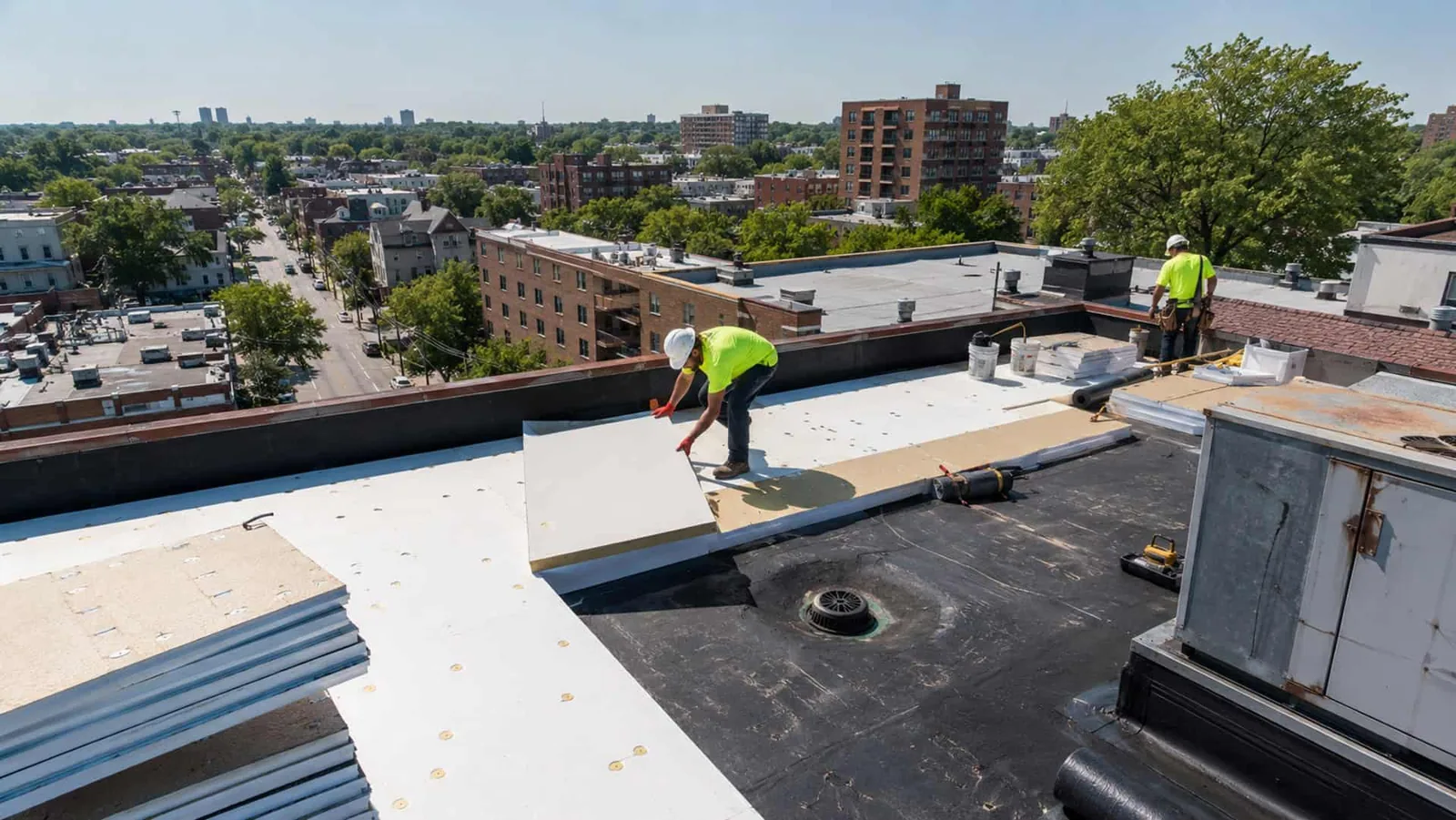
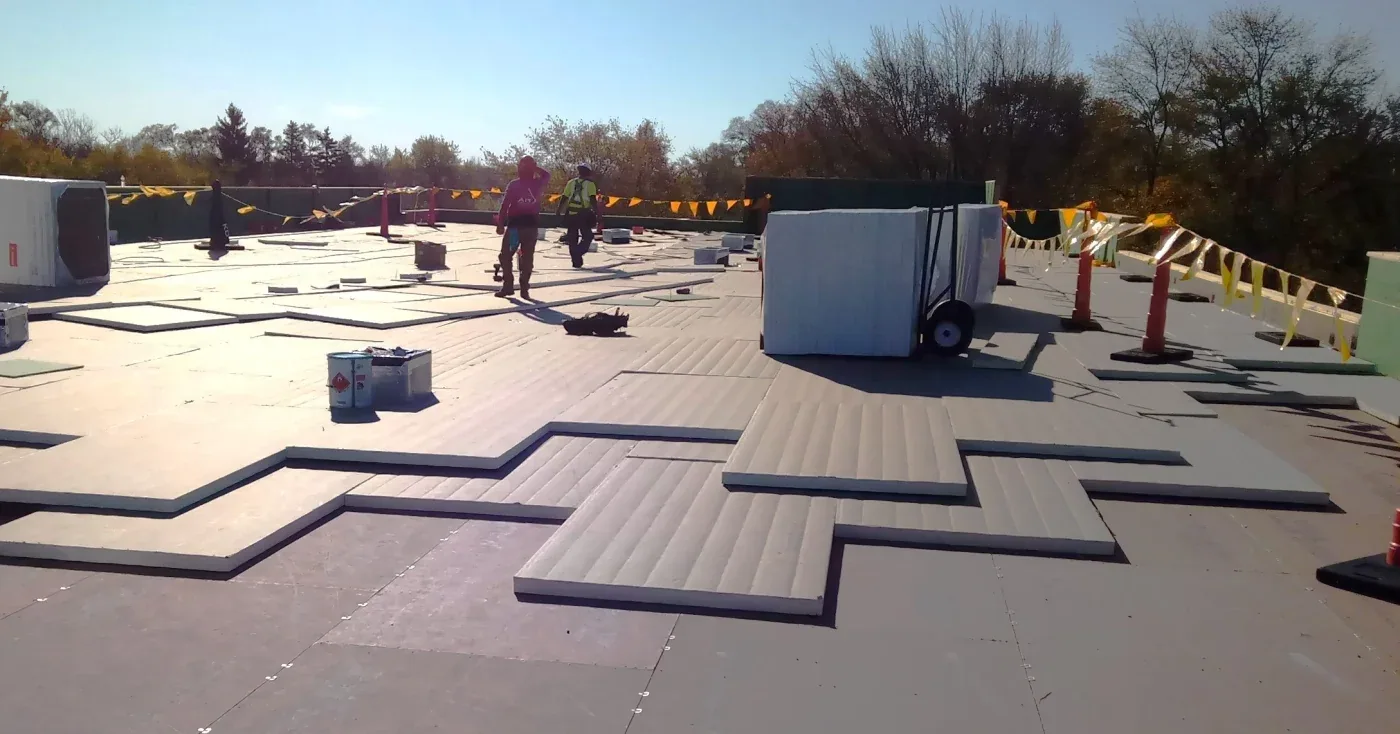
When roofing work must be phased, we identify daily dry-in points, material deliveries, temporary protection and which areas remain open. Highpointe’s light and medium industrial uses may require coordination around deliveries; a public or institutional property can have different approval steps. Site staff confirm those arrangements. We keep a live work list with completed items, deferred repairs and dates for the next review.
For each property, the work order can carry the inspection date, designated contact, approved scope, access window and closeout status. If a site needs a return visit, we list the reason and the information that must be ready before scheduling. This gives the portfolio manager one place to review open work while the field team retains the detail needed to enter the right roof zone and complete the authorized task efficiently.
A shared spreadsheet or portfolio report is useful only if each item points back to a property and roof area. We use a consistent building identifier, date, photo reference and action status, then retain the notes that explain the condition. If a roof plan is unavailable or an area cannot be reached, the record carries that limitation forward. We assign a condition rating only after reviewing that building’s roof areas and available service history.
Greeley Airport climate observations include wind, snow, precipitation and temperature. Weld County storm summaries include hail and tornado events near Greeley. A multi-site program can use those events to schedule post-weather checks where owners request them, then record observed conditions site by site. The event itself remains separate from the inspection finding.
We compare new photographs with prior records when they are available. A repaired seam should be checked against its closeout image, while a newly installed curb or equipment line may require a different review. If the current condition differs from old drawings, we add an update or flag the discrepancy. This protects against decisions based on stale roof maps.
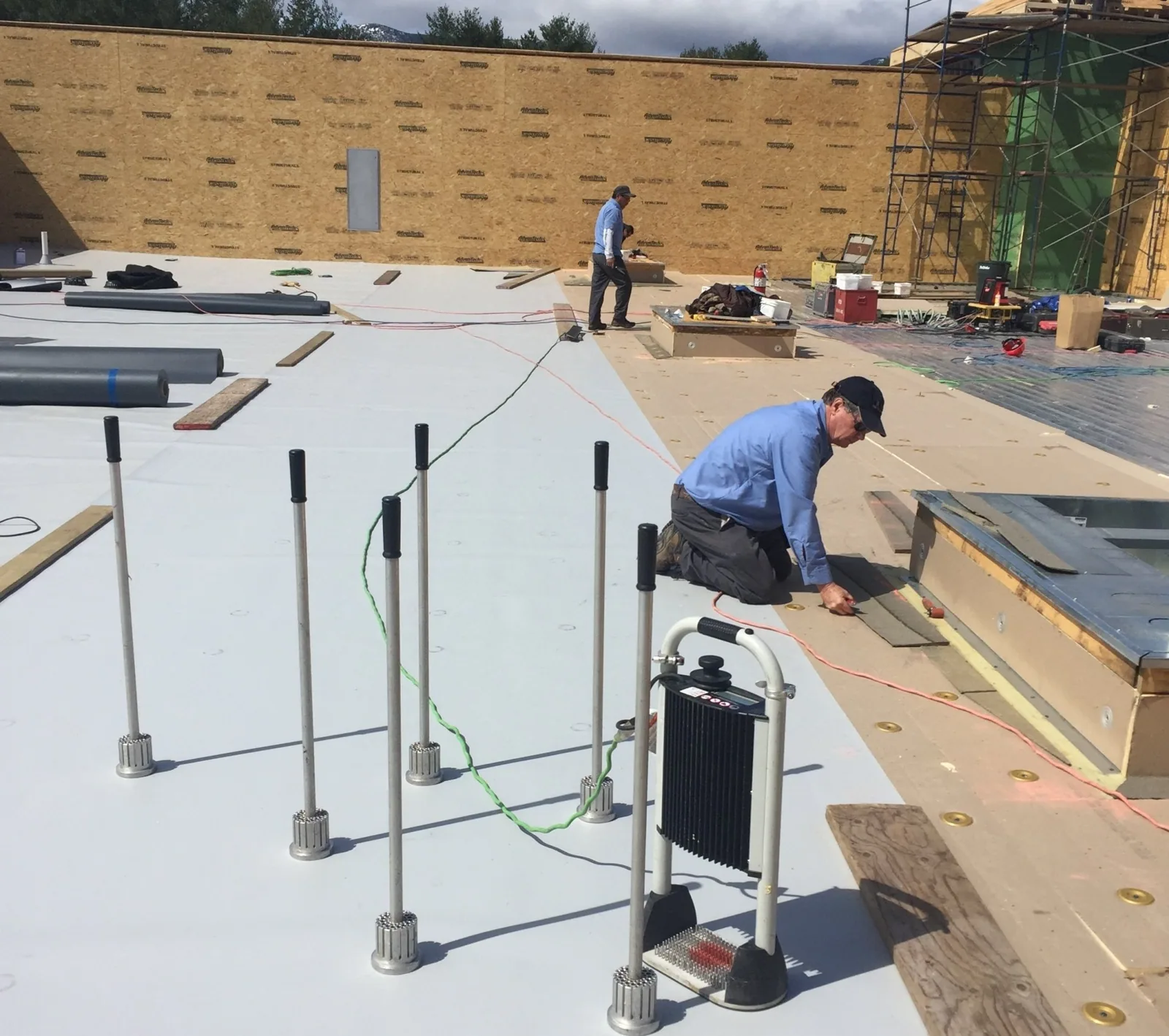
We can plan a sequence across the portfolio after confirming access, roof count and site procedures. The schedule should retain a separate inspection record for each property.
Common fields help compare findings, while the inspection steps follow each roof system and building detail. We keep the procedure specific where materials differ.
The site contact receives an urgent finding for prompt direction. Temporary protection or repair proceeds under the owner’s authorization and the agreed response path.
Yes. The summary can show open, completed and deferred actions by site, with dates and the reason for the next review.
The owner can update contacts, access requirements and approval rules. Existing roof findings remain tied to their original property and inspection date.
Some owners need a regular site review and a short open-action summary; others need detailed reports only when a roof decision is due. We set a cadence that fits active leak volume, capital planning and staff capacity. A major repair, tenant change or severe-weather report can prompt an additional visit. The plan identifies who reviews findings and how the owner wants urgent items escalated.
Work may be prioritized by active water entry, safety exposure, repair access or budget timing. A capital planning review can group projects across fiscal periods; warranty tracking can keep supplied documents and owner follow-ups visible. For a property transaction, a separate due-diligence survey can define the report users and reliance.
Cost depends on number of sites, roof count, system variety, travel, access and reporting detail. We explain what the recurring program includes and price major repairs separately. If a property changes ownership or staff, the owner can update its contact list and approval path without blending that administrative change into a roofing finding.
At the end of a program cycle, the owner receives site-level reports, completed work records, open questions, deferred items and upcoming visit dates. We identify who should act, what approval is needed and which roof conditions need rechecking. Each report preserves its own inspection date and limits, even when a portfolio summary draws attention to recurring patterns across buildings.
Provide the current property roster, site contacts, roof drawings, warranty files, work history, operating hours and any access or safety procedures. Identify who can approve test openings, temporary protection and repair proposals. If the portfolio uses a purchase-order or reporting format, share it early so our field record can be delivered in a useful form.
From East 8th Street to Great Western Industrial Park, the shared program creates repeatable coordination while field inspection drives every roof decision. The owner can review the whole work list, then authorize the repair or testing that fits each property and its operations.
A useful program schedule distinguishes inspections completed, work authorized, proposals awaiting review and sites that could not be reached. We keep those statuses tied to each property so portfolio totals do not imply that every roof received the same level of inspection.