Does faded coating mean the roof is leaking?
Not by itself. We inspect for cracking, loss of adhesion, exposed substrate and water entry, then match the scope to the condition we can confirm.
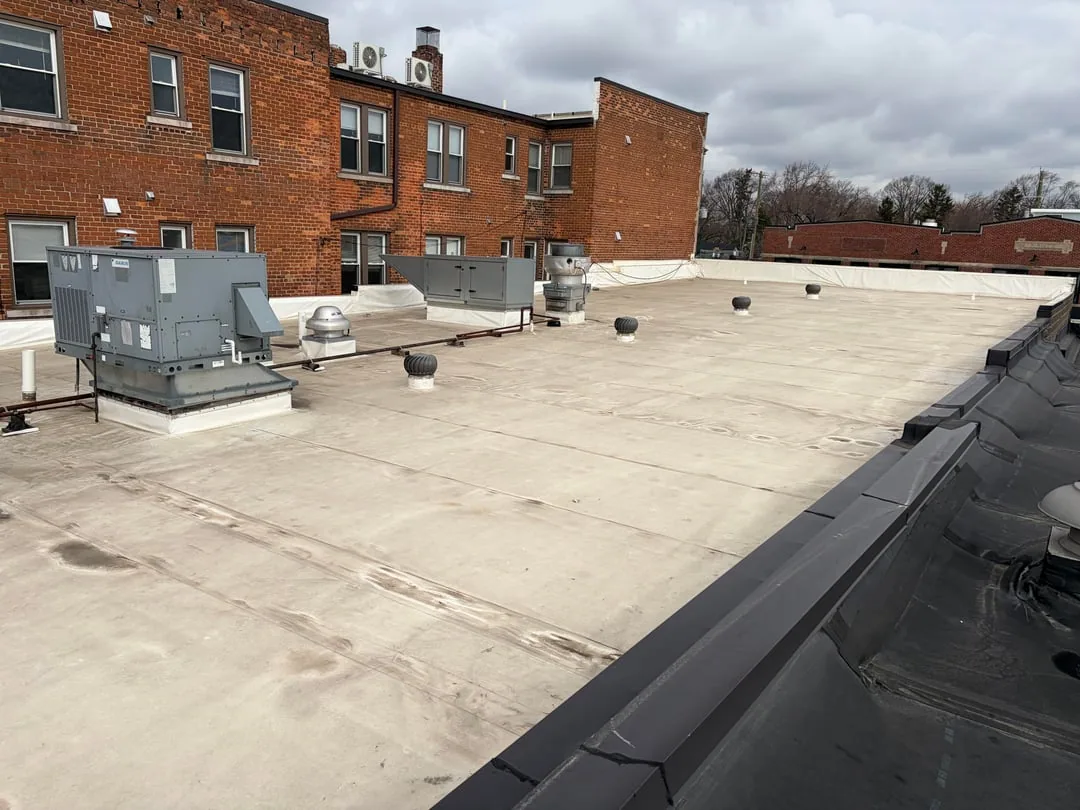
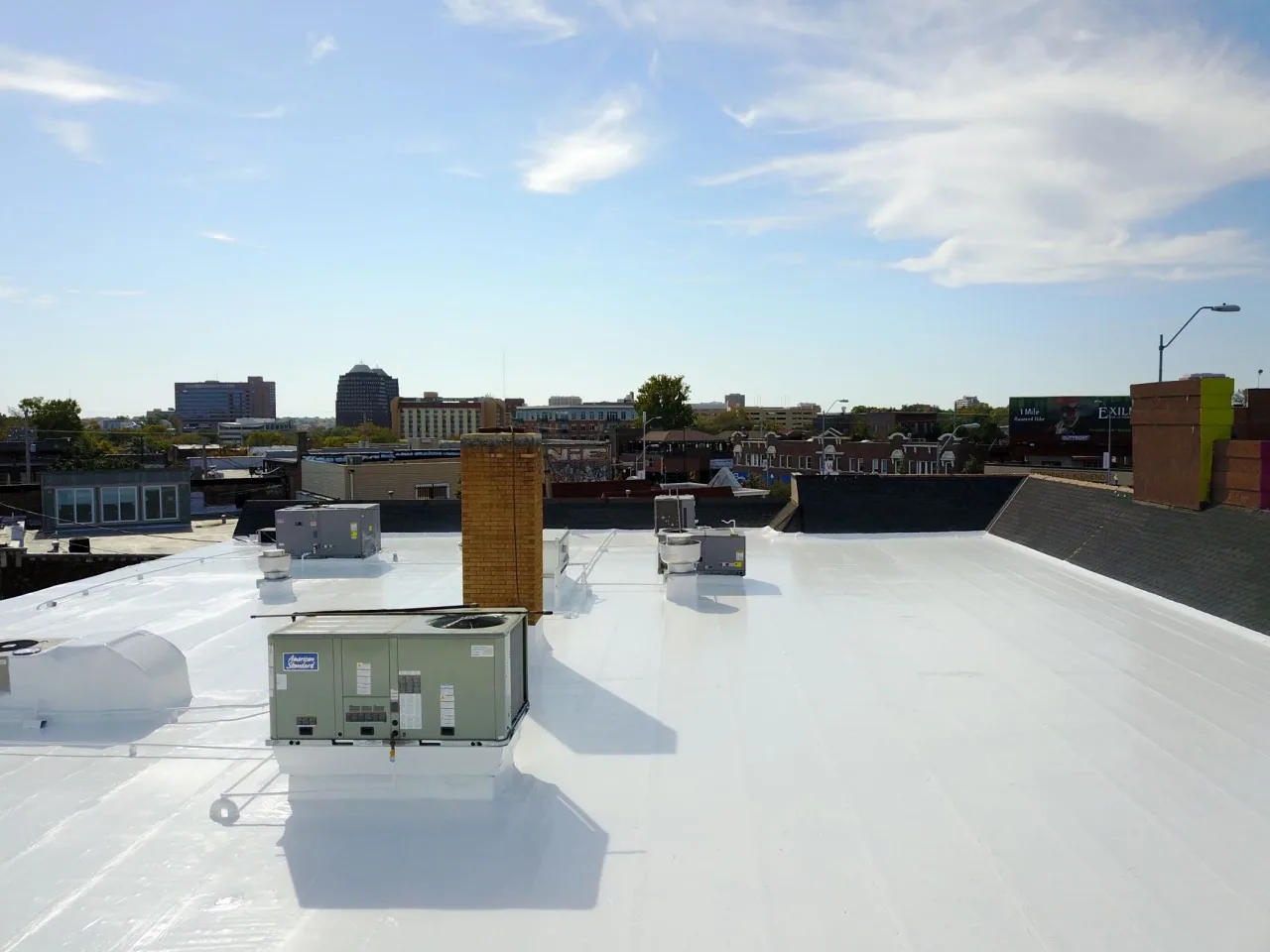
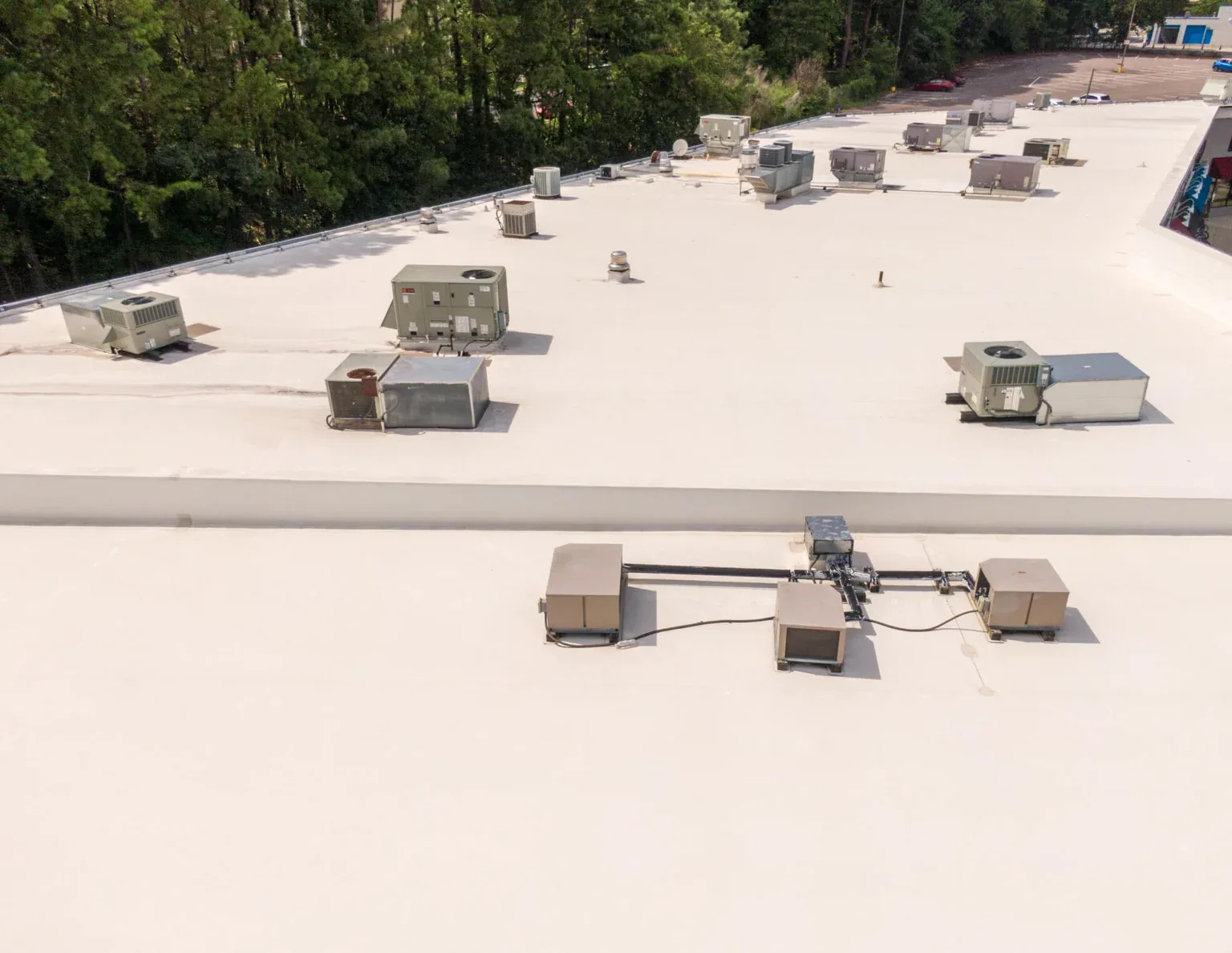
A roof surface that has baked through several hot workdays may show cracking, chalking or a coating that no longer holds at a transition. Those signs deserve a close inspection, but color change alone does not establish a leak or failed assembly. We check the surface, laps, penetrations and exposed substrate, then compare the finding with the roof system and the building’s repair history. The result should tell the owner whether to patch, restore or investigate further.
Greeley summers bring days above 90 degrees and occasional readings above 100. That heat exposure affects roof access, surface temperature and material handling, whether a facility sits by the 10th Street Urban Renewal Corridor or at Highpointe Business Park. The city context informs scheduling; the roof surface and assembly determine the repair.
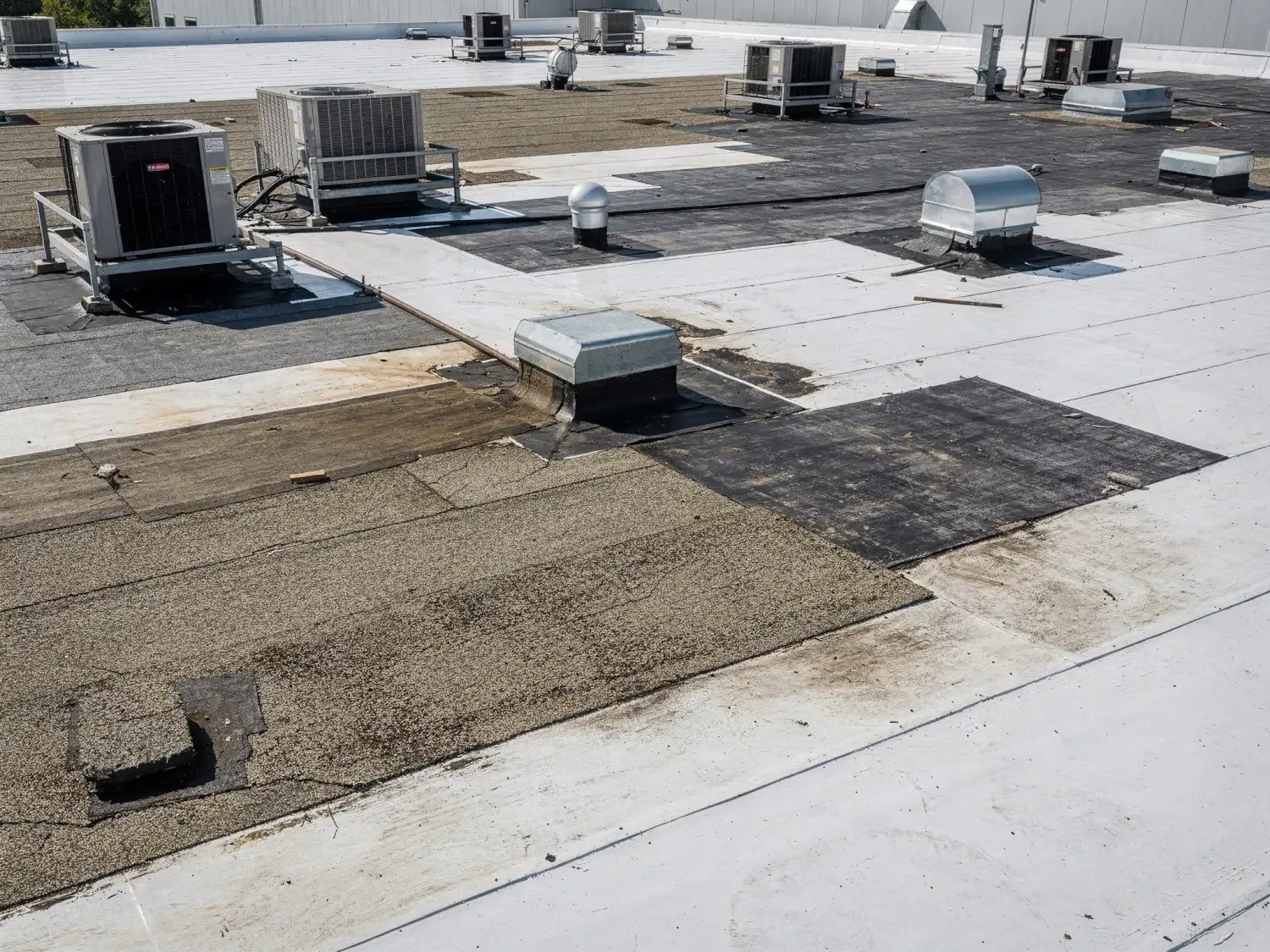
Ultraviolet exposure can gradually change exposed roof materials, while heat can accelerate movement at laps, fasteners and transitions. We look for brittle or split surfaces, coating loss, open seams, exposed reinforcement, loose metal and repairs that have lifted at their edges. Each observation is tied to its location and material. A widespread color shift with no breach may call for maintenance planning, while an opening with wet insulation needs a more immediate repair boundary.
We inspect roof drains, perimeter details and rooftop penetrations because heat-related surface changes are not the only possible leak source. The interior report helps us choose where to begin, but water may travel before entering a room. A commercial roof inspection can map those roof details and identify the scope of further testing. If coating thickness or adhesion is uncertain, we discuss the test method and restoration of any test area before proceeding.
On metal systems, expansion and contraction can stress fasteners, seams and flashing transitions. On single-ply membrane, heat exposure does not remove the need to check welds and attachment. Coatings also vary by chemistry and substrate, so a new layer should not be placed over an unknown surface. Where the field membrane has opened, seam repair can be evaluated as its own detail rather than folded into a general coating recommendation.
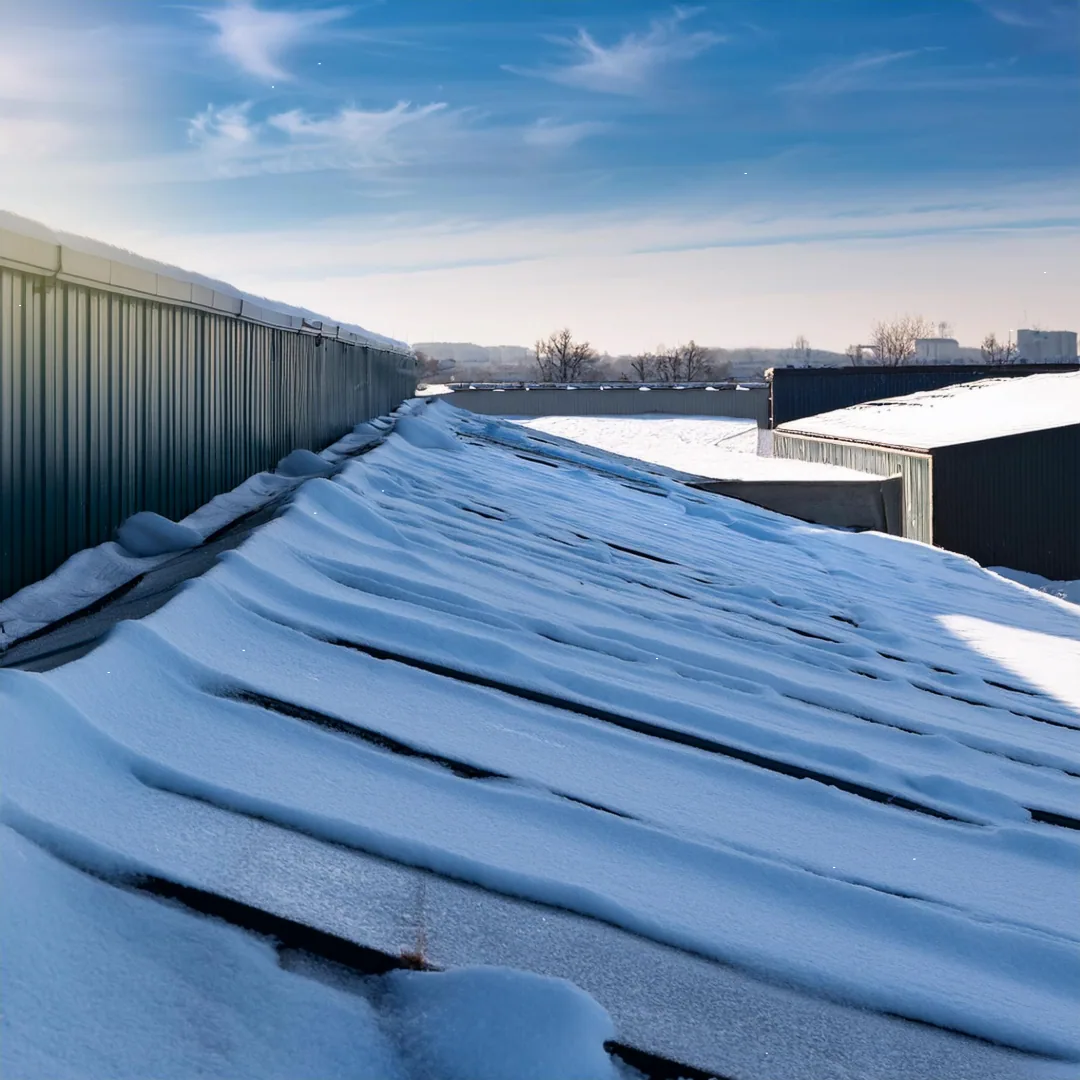
We identify the roof system, prior coatings and available product information before selecting a repair method. A localized split may accept a compatible patch after preparation. A larger area may need coating restoration if the substrate and assembly remain suitable. Metal panels can require fastener or joint work, while modified bitumen follows its own surfacing and lap requirements. We explain why the selected material and preparation fit the observed condition.
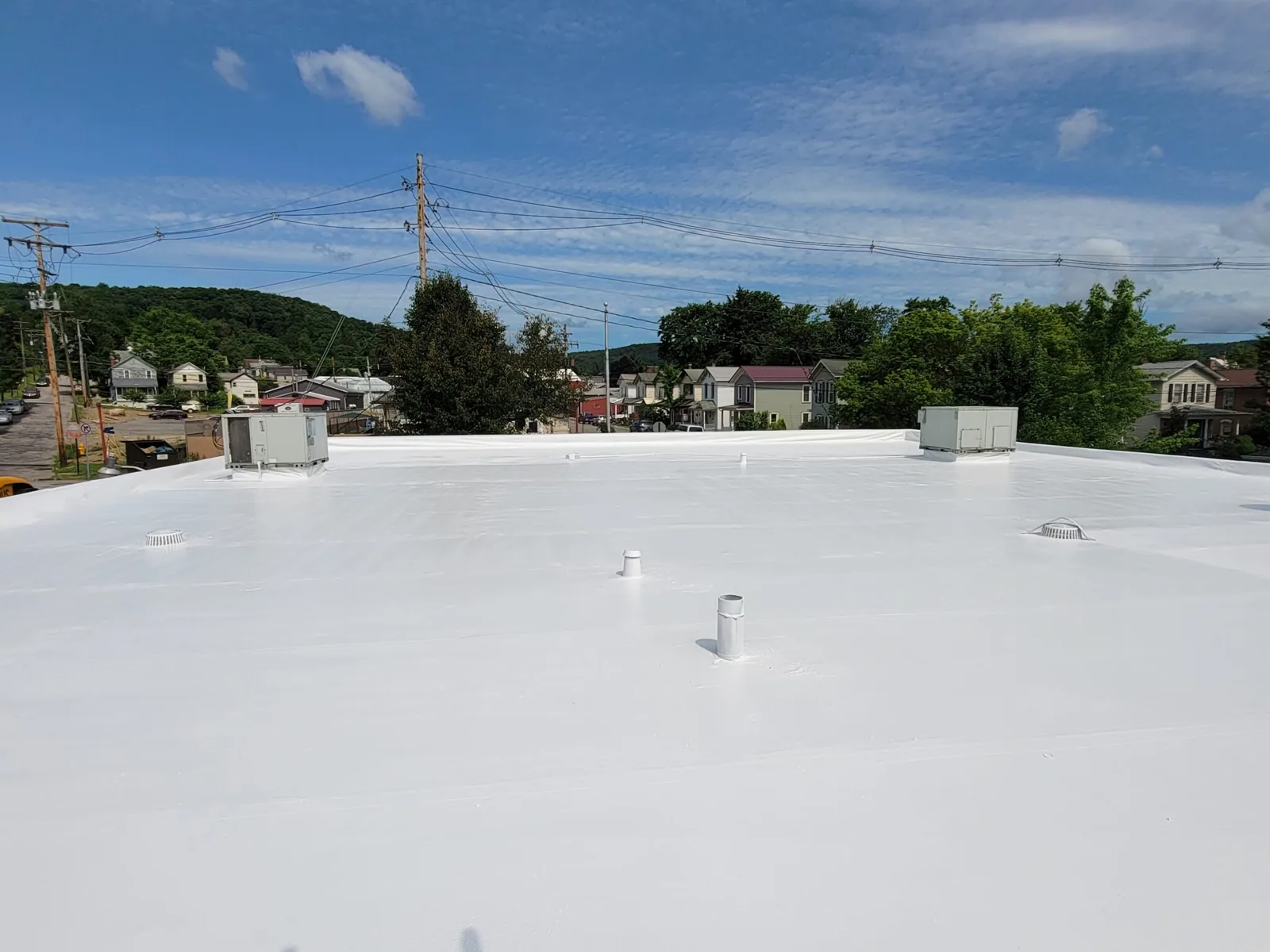
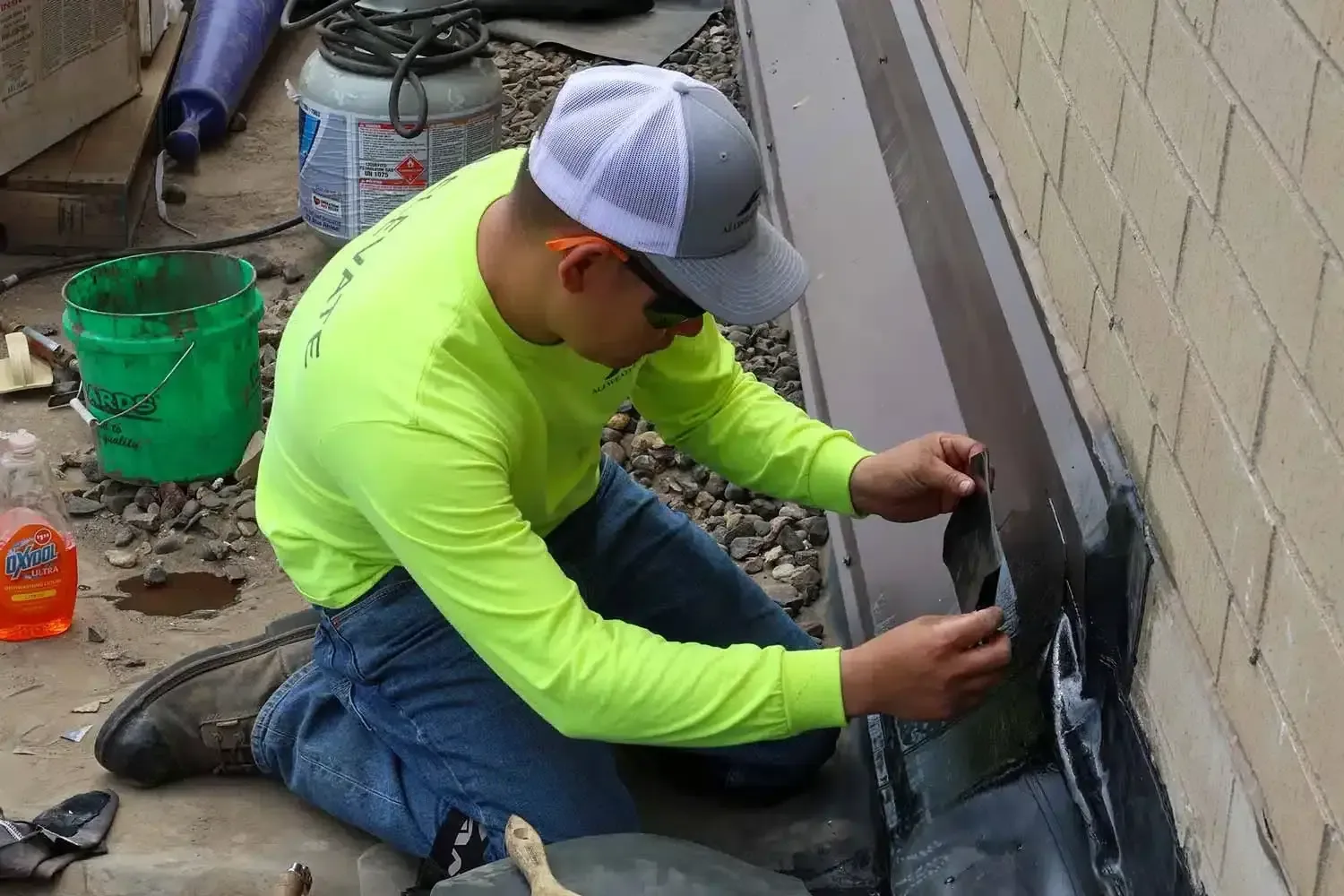
Preparation removes loose material and exposes a sound repair boundary without disturbing areas that remain serviceable. The crew cleans and dries the surface as required, applies the repair material and checks the transition after installation. If the work involves a coating system, we confirm compatible primer, reinforcement and finish details rather than adding another layer by default. A roof coating restoration can be scoped when inspection supports that approach.
Work around rooftop equipment needs a clean boundary. We protect drains and vents, identify lines or components that should not be coated and coordinate access with the site contact. If a puncture or impact mark is also present, puncture repair can be priced separately. The proposal names the area of surface preparation, repair limits, cure needs and any test or return inspection required.
Greeley’s airport climate series documents hot days and temperatures above 100 degrees. On a roof, the surface may be hotter than the air, affecting crew exposure, sealants, coatings and adhesive handling. We schedule around actual site conditions, manufacturer requirements and safe work-rest practices. A calendar date alone cannot confirm that the roof is ready for application.
Afternoon heat can narrow the time available for surface preparation or coating. We may divide a repair into smaller zones so each area can be prepared and closed under suitable conditions. If evening temperatures fall quickly, cure time and overnight exposure become part of the plan. The supervisor checks that the repair can remain protected until the material reaches its required condition.
Greeley’s climate records also track wind, precipitation and snow. A hot, dry forecast does not remove the need to protect a prepared roof from a sudden weather change. We watch for wind that could affect material handling and avoid coating damp surfaces after rain or snowmelt. If the site cannot provide safe staging or equipment protection, we document the constraint and agree on a later work window with the facility contact.
Not by itself. We inspect for cracking, loss of adhesion, exposed substrate and water entry, then match the scope to the condition we can confirm.
Only when the existing layer, substrate and product compatibility support it. We check adhesion and preparation requirements before recommending another application.
Not always. We schedule around roof-surface temperature, material instructions, crew safety and cure time, and may split the work into smaller areas.
We compare the repair boundary with membrane, insulation and substrate condition. If concealed conditions remain, testing can be proposed before choosing a broader scope.
Provide roof plans, product information, coating history, leak dates and access rules. Those details help us select inspection steps and suitable repair materials.
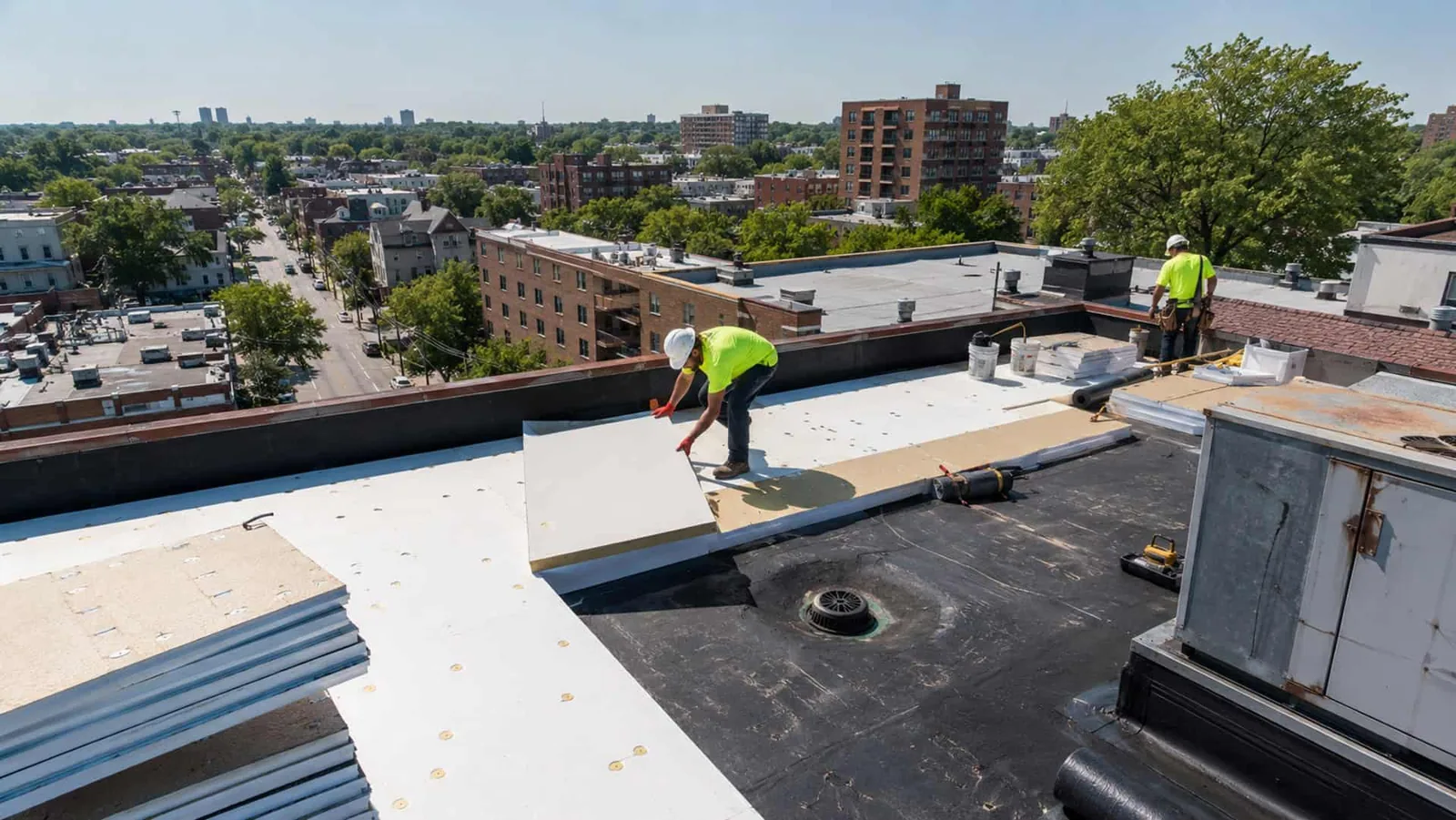
A small area of surface deterioration can be repaired when the underlying assembly remains sound. Widespread cracking, failed adhesion, recurring leaks or wet insulation can point to a different scope. We map the affected zones, identify the substrate and note whether the current coating or membrane can accept a tie-in. The owner can then compare spot repairs, restoration or replacement using the same stated assumptions.
Cost and timing depend on roof access, preparation, surface contamination, repair area, product cure time, staging and protection of equipment. We identify what is included and what needs a separate trade, such as insulation replacement or equipment work. A commercial repair scope can address a confirmed opening, while replacement should be considered only when the assembly condition supports it.
For a property portfolio, repairs can be sequenced by roof zone and season. We list which areas are ready for work and which need testing or a later inspection. A roof capital plan can organize those decisions with photographs, remaining questions and priority. It should not turn normal surface aging into an unsupported claim of imminent failure.
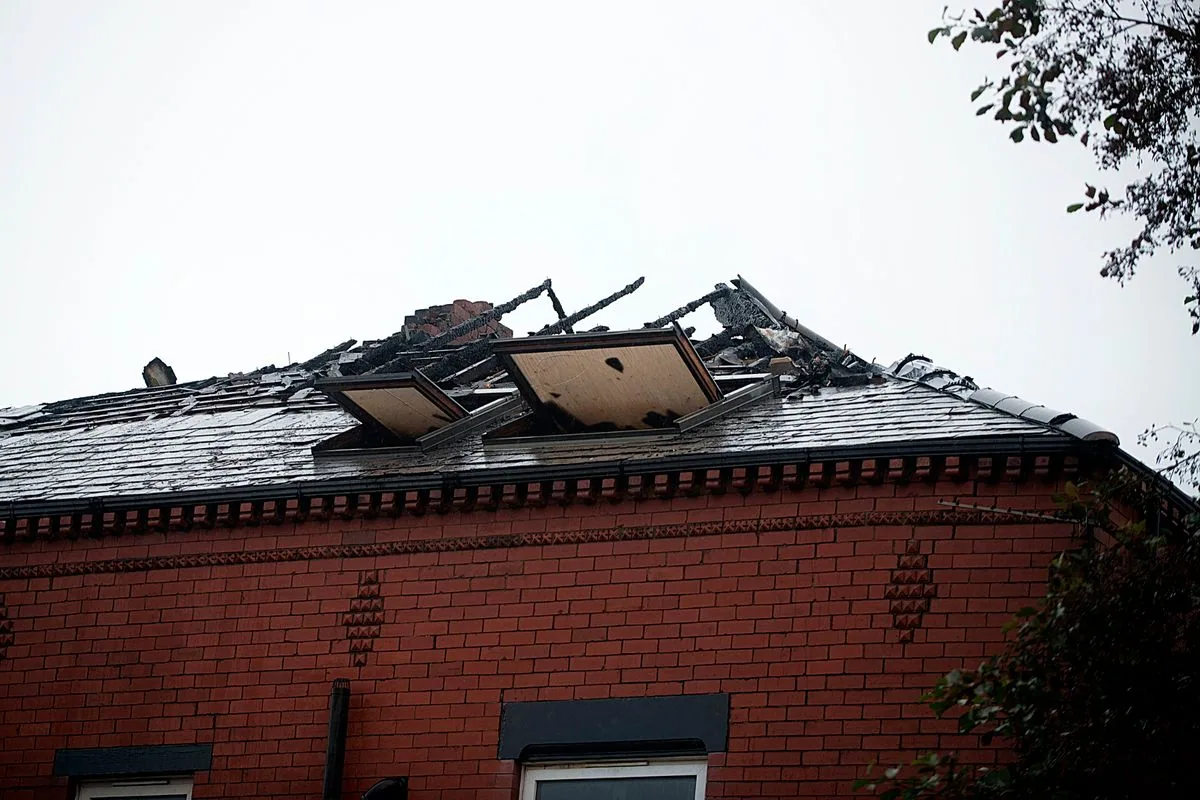
The closeout records the roof system, preparation, product type, repair zone, weather conditions and photographs. We note surface limits, cure time, and whether another inspection is recommended. If the repair covers only part of a roof area, the report marks what remains untreated. That distinction helps facilities teams plan the next maintenance cycle and avoid assuming that one repair restored every roof section.
Before scheduling, send the roof plan, coating or membrane information, prior repair history, affected interior areas and access requirements. Let us know whether rooftop equipment must stay in service and who can approve a test area. We can then choose a work sequence that protects operations while giving each repair enough time for preparation and cure.
At the 10th Street corridor or Highpointe Business Park, we inspect the roof system and verify current surface conditions before recommending heat-related repairs. We use the property’s actual layout and surface evidence to prepare a work plan. The owner receives a clear repair boundary, a closeout record and any follow-up needed to judge how the roof performs through the next heat cycle.