Can a roof be inspected while snow is on it?
Some areas may be checked from a safe route, but snow can hide defects and restrict access. We identify what can be evaluated and return when covered zones are safe.

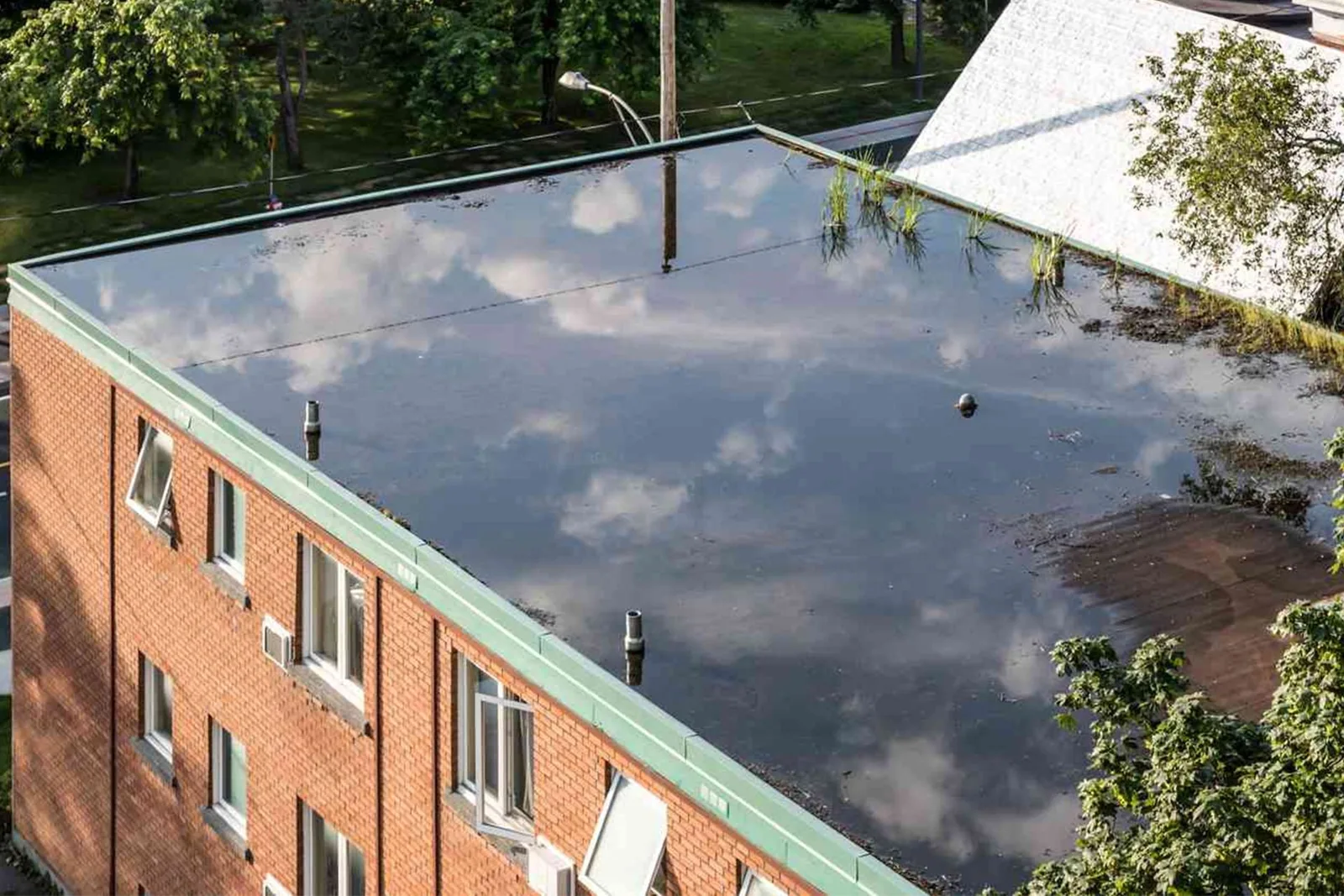
Meltwater above a ceiling stain or ice along a roof edge can point to more than one condition. We inspect drains, scuppers, seams, edges and transitions, then check whether snow or ice has hidden a damaged area. The first decision is safe access. The next is whether water is entering through a roof opening, backing up at drainage or traveling from a different roof zone.
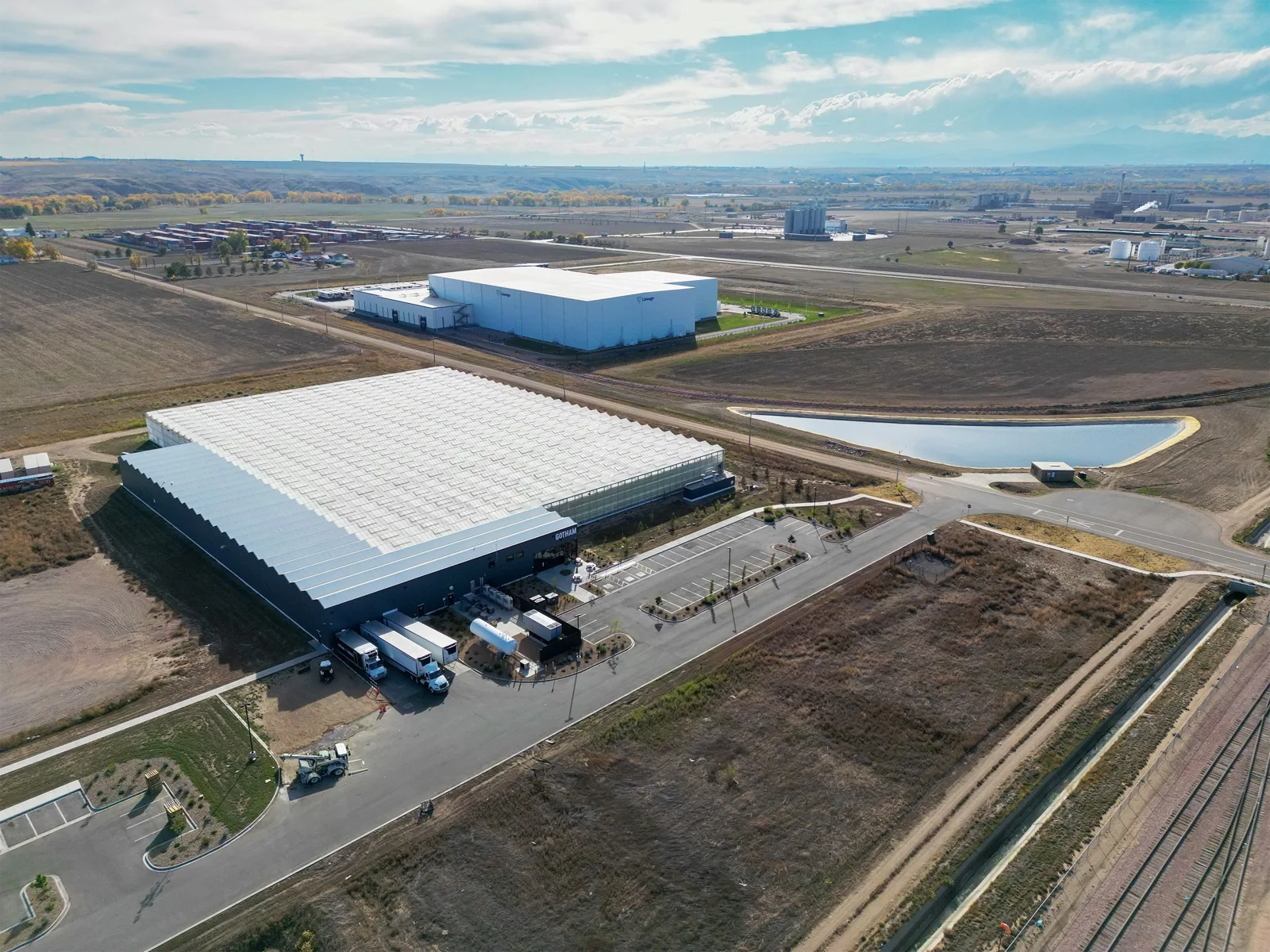
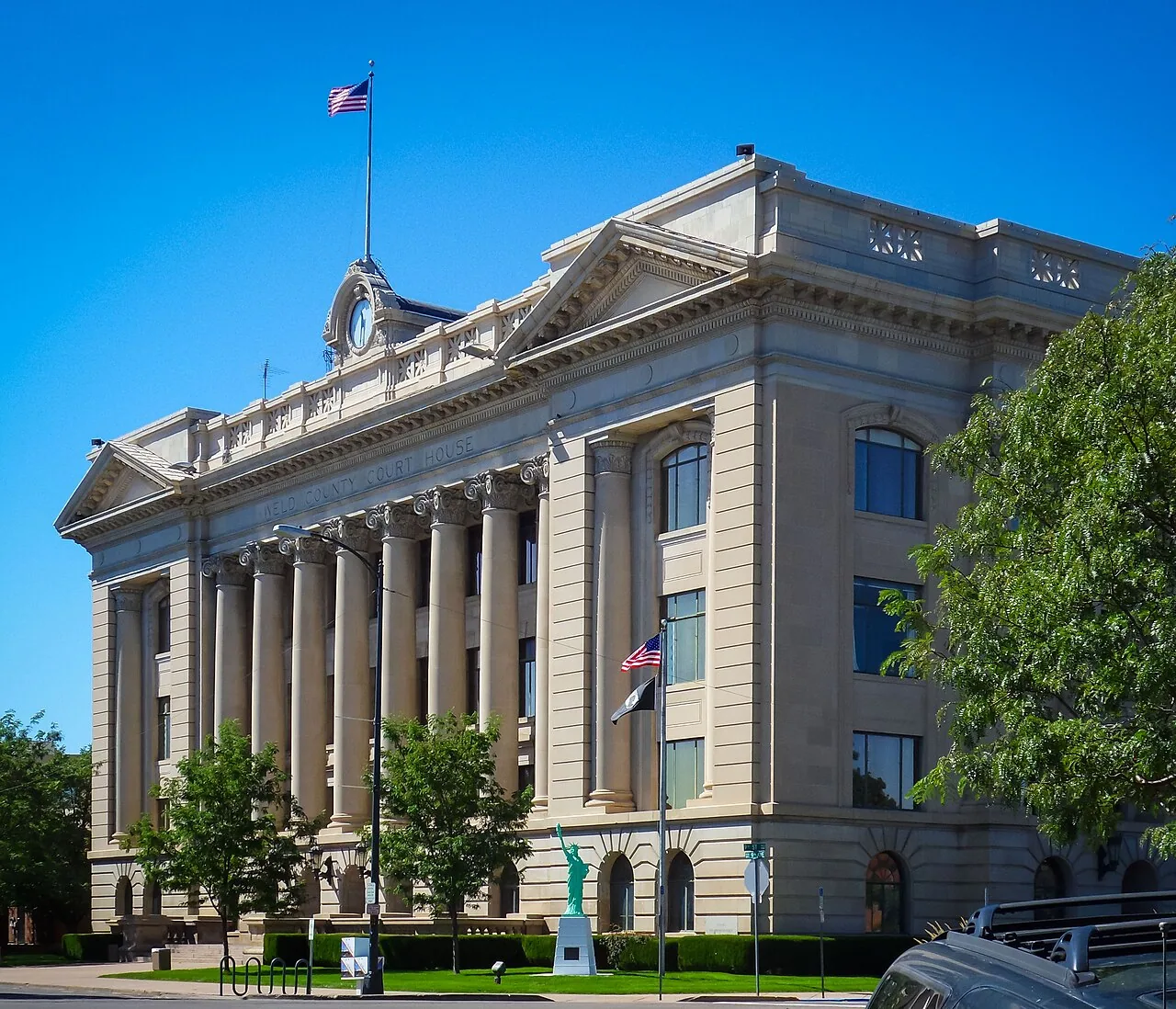
Snowfall, snow depth and wind can change winter access across commercial areas from Great Western Industrial Park to Downtown Greeley. We check each property’s roof, drainage and safe access before choosing a repair.
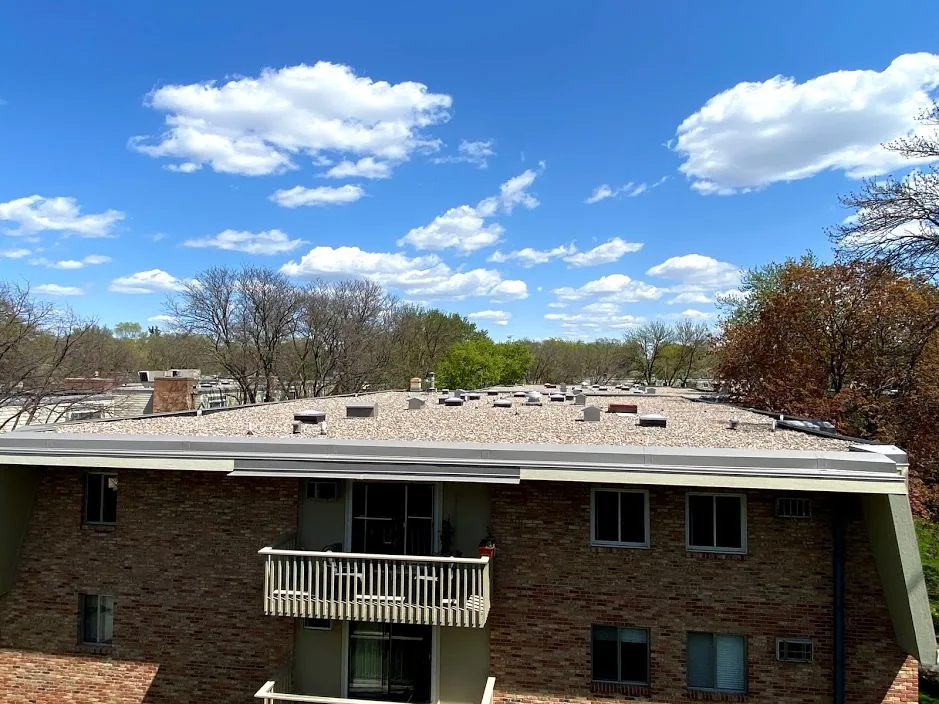
Snow cover can conceal an open lap, puncture or blocked drain. We begin with accessible roof edges, interior leak reports and drainage locations, then mark sections that cannot yet be inspected. If a drain is obstructed, the owner needs to know whether the blockage is from snow, debris or another condition before the crew disturbs it. Ice can also form near a cold edge while water enters through a different detail farther upslope.
Inside, the site contact identifies where water appeared and whether it changed as temperatures shifted. We compare that location with deck slopes, drain paths, curbs and wall transitions. A drain and scupper inspection can identify whether a drainage detail needs cleaning or repair. If water may have reached insulation, a moisture survey can help prioritize further testing when the surface and conditions support it.
Ice at the edge can expose a drainage or perimeter detail that needs attention, but it does not prove that a specific component failed. We inspect coping, gutters, scuppers, membrane terminations and downspout connections where accessible. A flashing repair is added only if the transition shows an opening or other defect. Photographs note both the water route and the limitation where ice blocks a clear view.
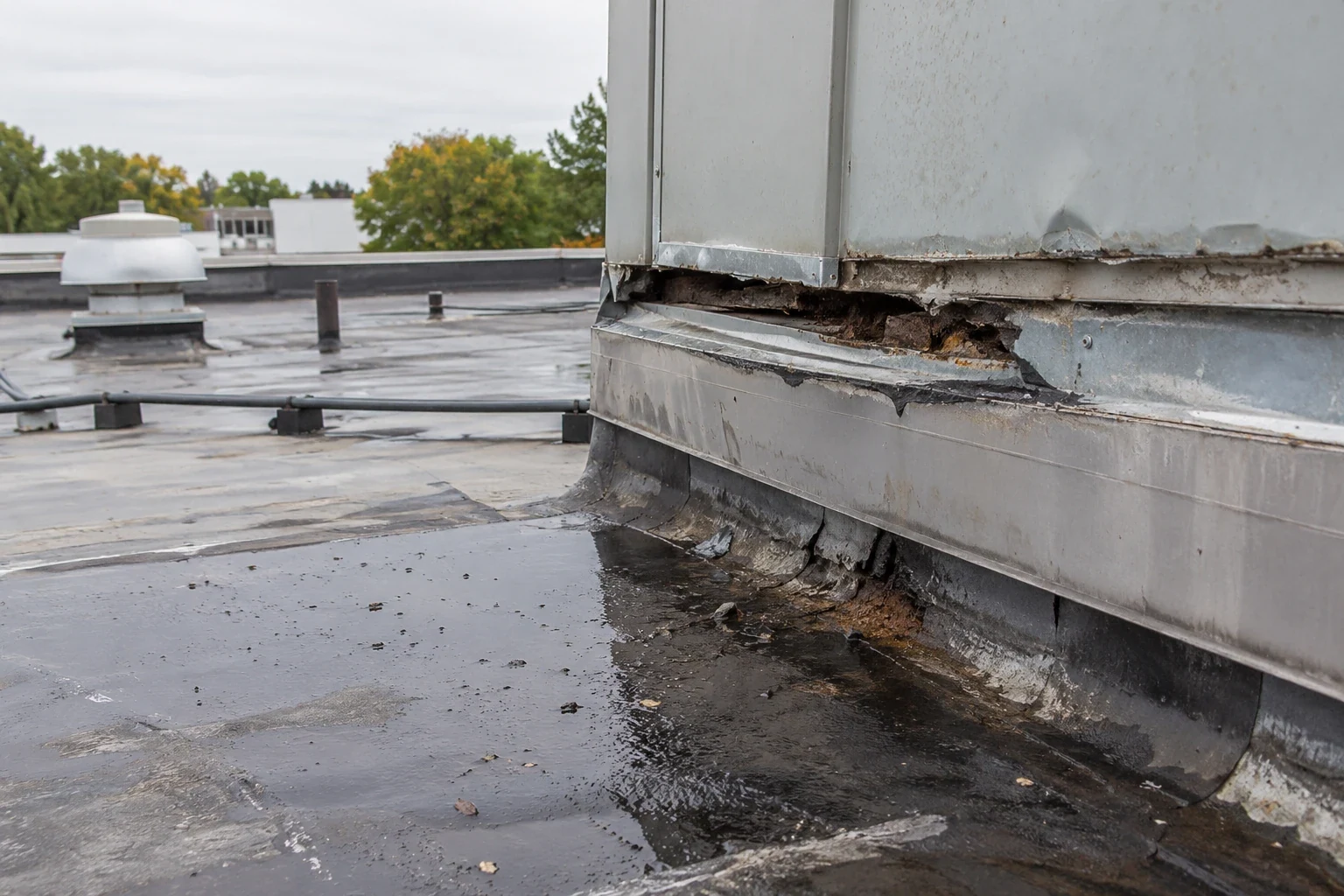
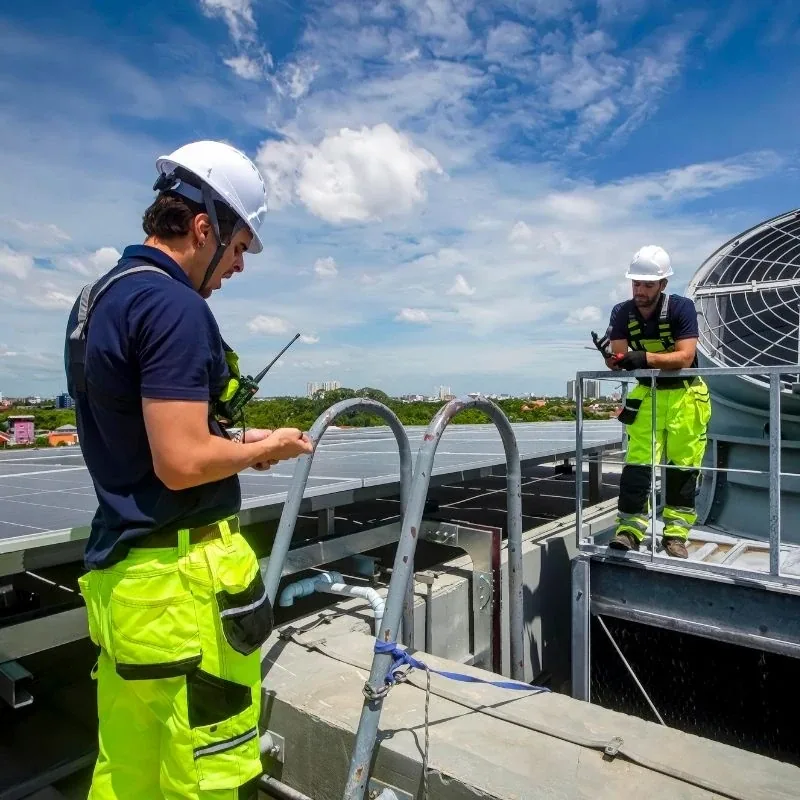
Crews do not cross icy roof areas simply to reach a reported leak. We identify safe routes and work zones, then decide whether temporary protection can be installed without disturbing snow or placing weight in an unsafe location. If active water is entering, our emergency roof response can prioritize interior protection and a safe first inspection. Any temporary cover is described with its attachment, limits and return timing.
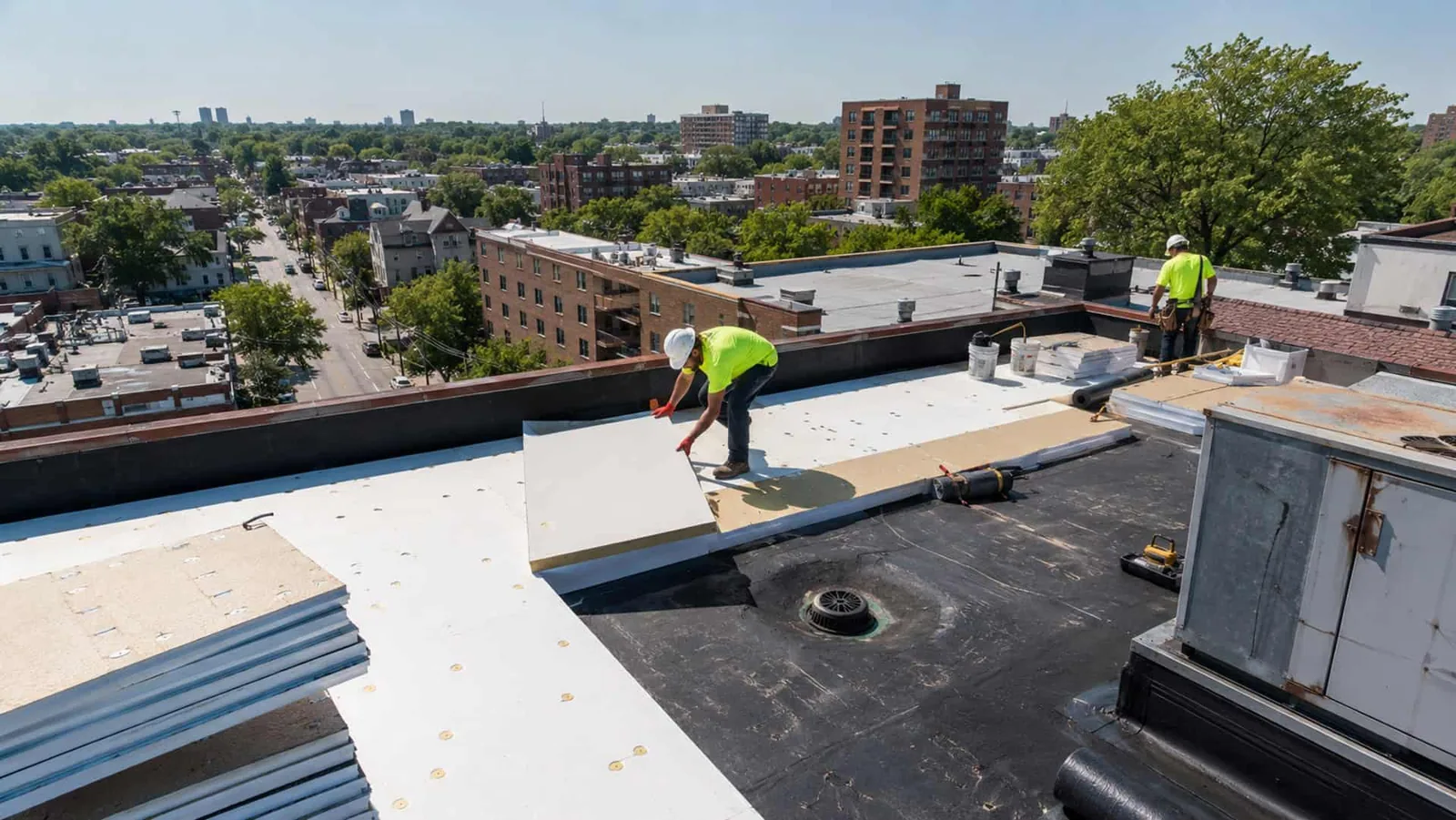
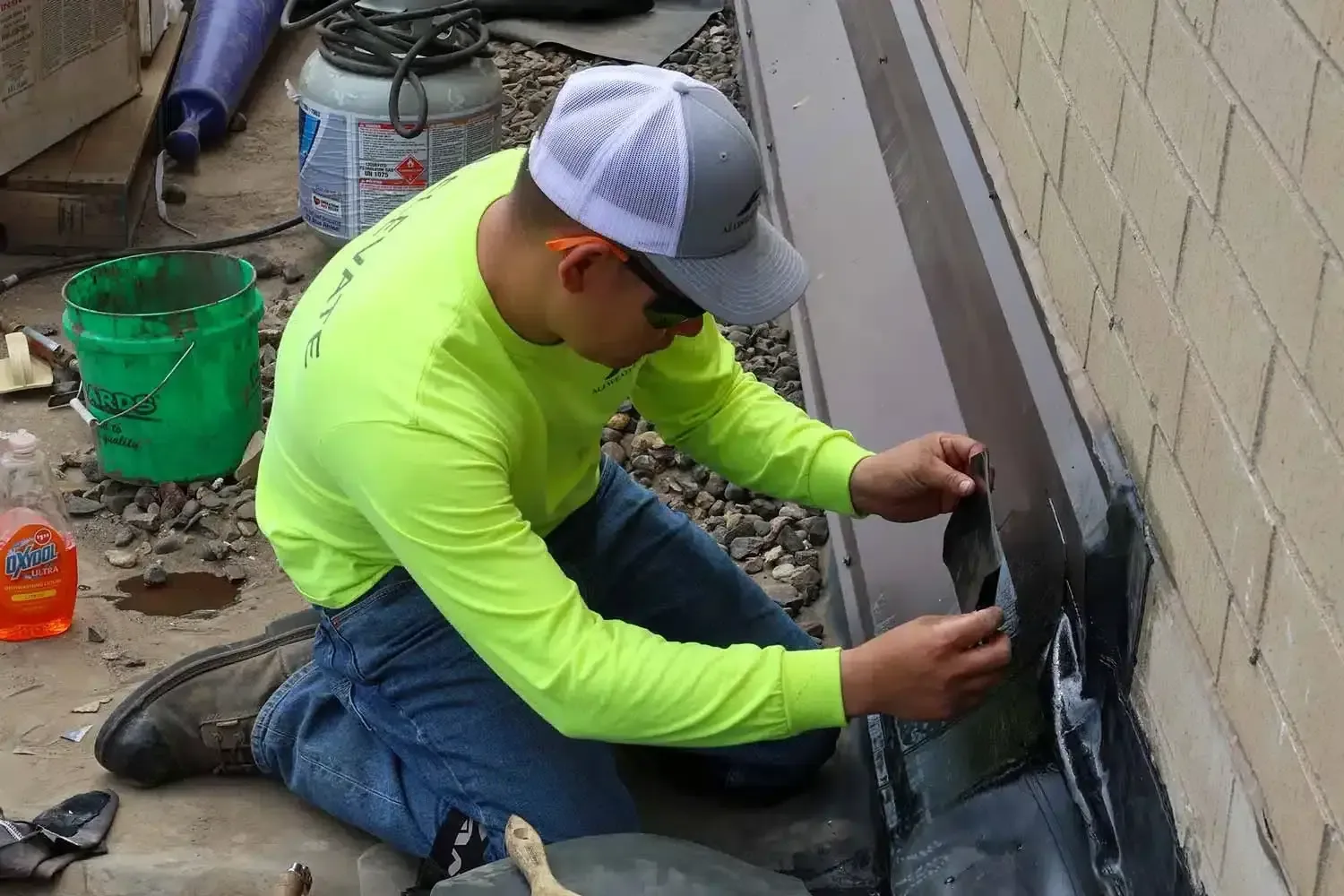
Permanent repair follows the roof system and the confirmed defect. We remove snow or ice only when the method and access are safe, protect drains from additional debris and inspect the underlying membrane or metal. Repairs may involve a compatible membrane patch, corrected flashing, drain work or a broader detail restoration. Where melting has opened a puncture, puncture repair can be scoped at the verified location.
We coordinate the work window with the property contact. Industrial operations at Great Western Industrial Park may require delivery routing and equipment coordination; downtown sites can require careful placement around building entrances and public access. Those are planning questions for the actual facility. We agree on staging, debris handling and shift-end dry-in before opening the roof assembly.
Greeley winter conditions can move between snow, meltwater and refreezing. Temperature, precipitation, wind and snow depth affect access; the surface at the building determines whether the repair can proceed. Ice can hide a seam or make adhesive preparation impossible. We confirm that the selected repair method can be completed and checked before materials are brought to the roof.
Warm periods can melt snow above a colder edge, so a leak may start after the snow itself stops falling. We trace the timing of the report and check for standing water, blocked drainage, open laps or penetrations. After snow or wind, we inspect the building’s perimeter, drainage and roof details for visible change. If the roof cannot be safely examined, we protect what can be reached and schedule the detailed work for a safer window.
Heavy snow, wind-blown accumulation or drift patterns may require the owner to consult a structural professional when loading is a concern. Roofing inspection can document visible conditions and access limits, but it does not replace a structural load assessment. We can coordinate roof access after the responsible site team determines which areas may be entered and what precautions apply.
Some areas may be checked from a safe route, but snow can hide defects and restrict access. We identify what can be evaluated and return when covered zones are safe.
No. We inspect the edge, drainage path and roof transition before assigning a cause. The repair scope follows the condition that is confirmed.
Do not send staff onto an icy roof without an approved access plan. Share what is visible from safe locations and let us coordinate the roof inspection.
We can assess safe temporary protection and interior containment. The proposal explains the limits and when permanent work can proceed.
Access, snow handling, drainage, roof height, assembly type and the need for a return visit all affect scope and timing.
A winter response may involve several decisions: stop active water, restore drainage, repair a confirmed opening or return after conditions improve. We list those tasks separately so the owner can see what is urgent and what depends on a later inspection. The scope names the roof zone, assembly, materials, test or follow-up and any portion that remains covered by ice or snow.
Price and schedule depend on safe access, snow handling, roof height, drainage, equipment movement and the availability of materials suited to current conditions. If more than one issue appears, we prioritize active openings and water management before cosmetic work. A commercial roof repair plan can identify local corrections, while preventive maintenance can schedule later drainage and edge checks after the roof is accessible.
We distinguish roofing work from interior ceiling or insulation restoration. If a leak has affected electrical systems or occupied space, the property team can coordinate those trades while we address the roof. If the inspection points to widespread insulation or membrane failure, we explain what additional testing is needed before comparing a replacement option with localized work.
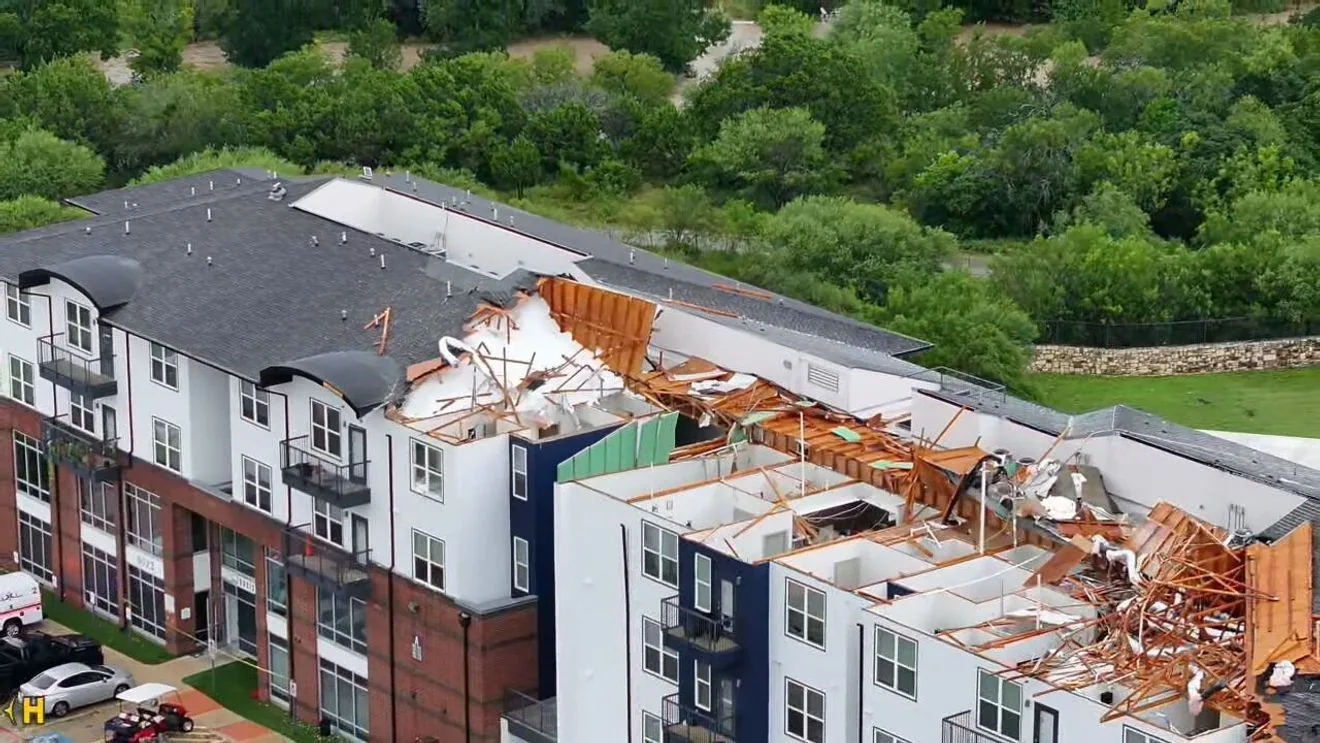
Closeout notes the roof areas inspected, snow or ice restrictions, drainage condition, repairs made and any return visit required. Photographs should identify the roof zone, not only a close view of a frozen surface. We also record whether a temporary measure remains and the condition that should prompt a recheck. That gives the property team a reliable handoff between the winter response and a later full inspection.
Share the time water first appeared, the rooms affected, available roof plans, prior repair notes and site access instructions. Mention whether drains or downspouts have been cleared and whether other trades have entered the roof area. If a structural review or safety restriction is active, tell us who can release roof access and what documentation is required.
At Downtown Greeley and Great Western Industrial Park, the site representative confirms staging and access. The roof plan and field observations define the work. We return a written scope that states what can be repaired now and what should wait for safe, clear access.