Can a crew inspect while winds are still high?
We first assess whether roof access is safe. If debris or unstable components remain, the inspection waits while urgent ground-level protection and site coordination continue.

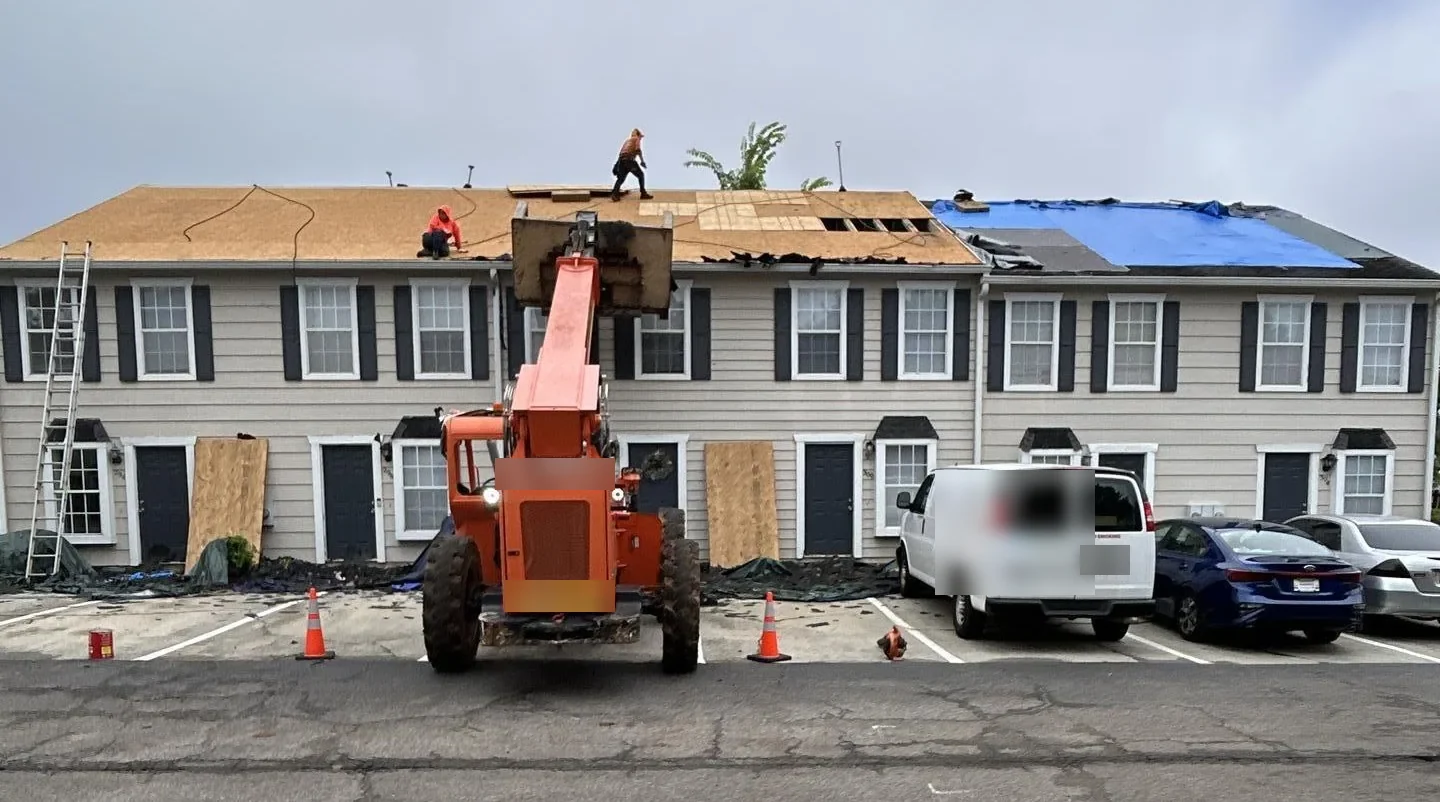
After a tornado warning or nearby event, loose edge metal and displaced rooftop equipment deserve a careful check before the next weather system arrives. The first visit is about safe access, active openings and what has shifted, not declaring every roof damaged. We document the visible condition, protect the building where needed and mark which areas need a closer inspection once wind and debris hazards clear.
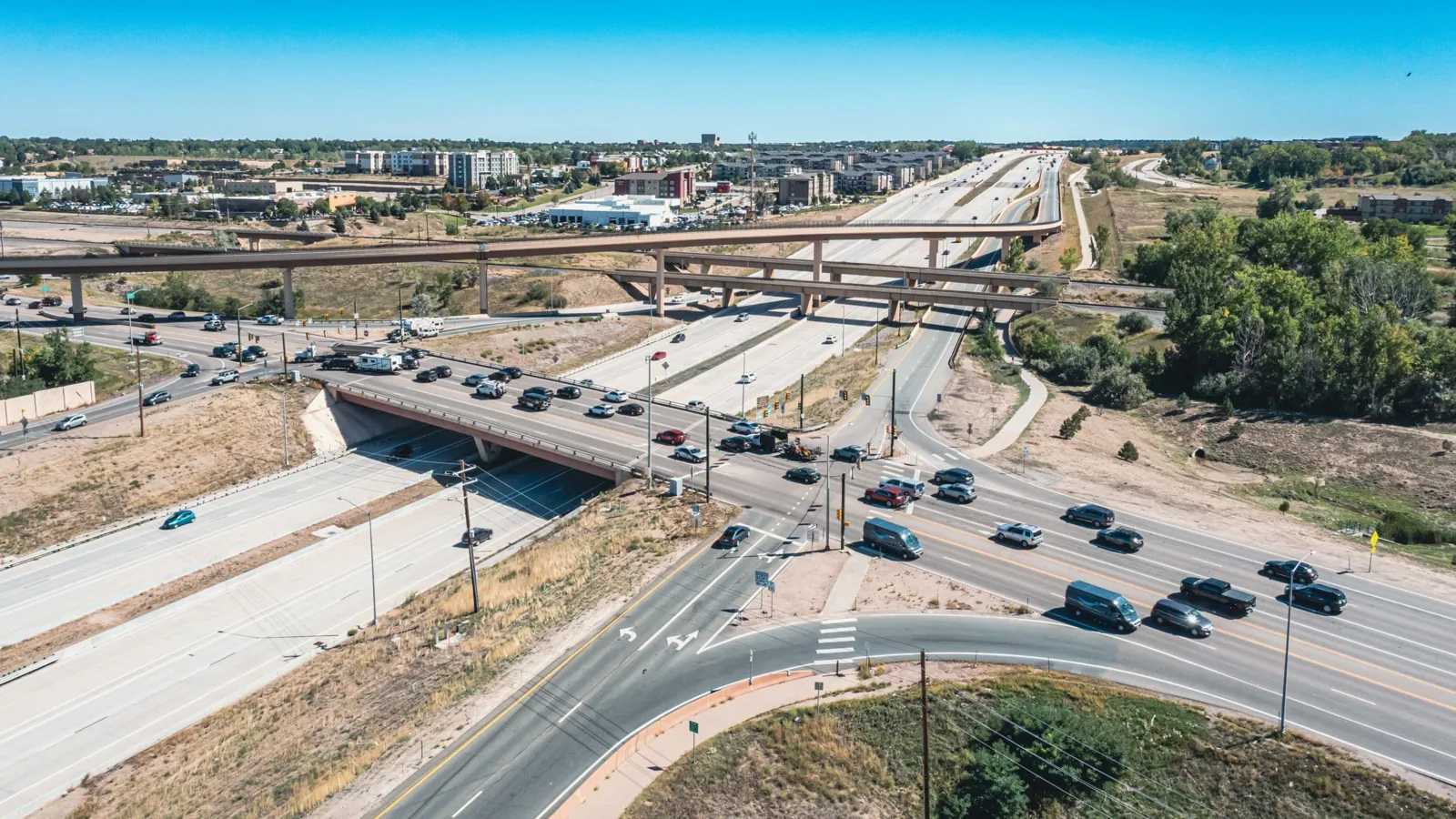
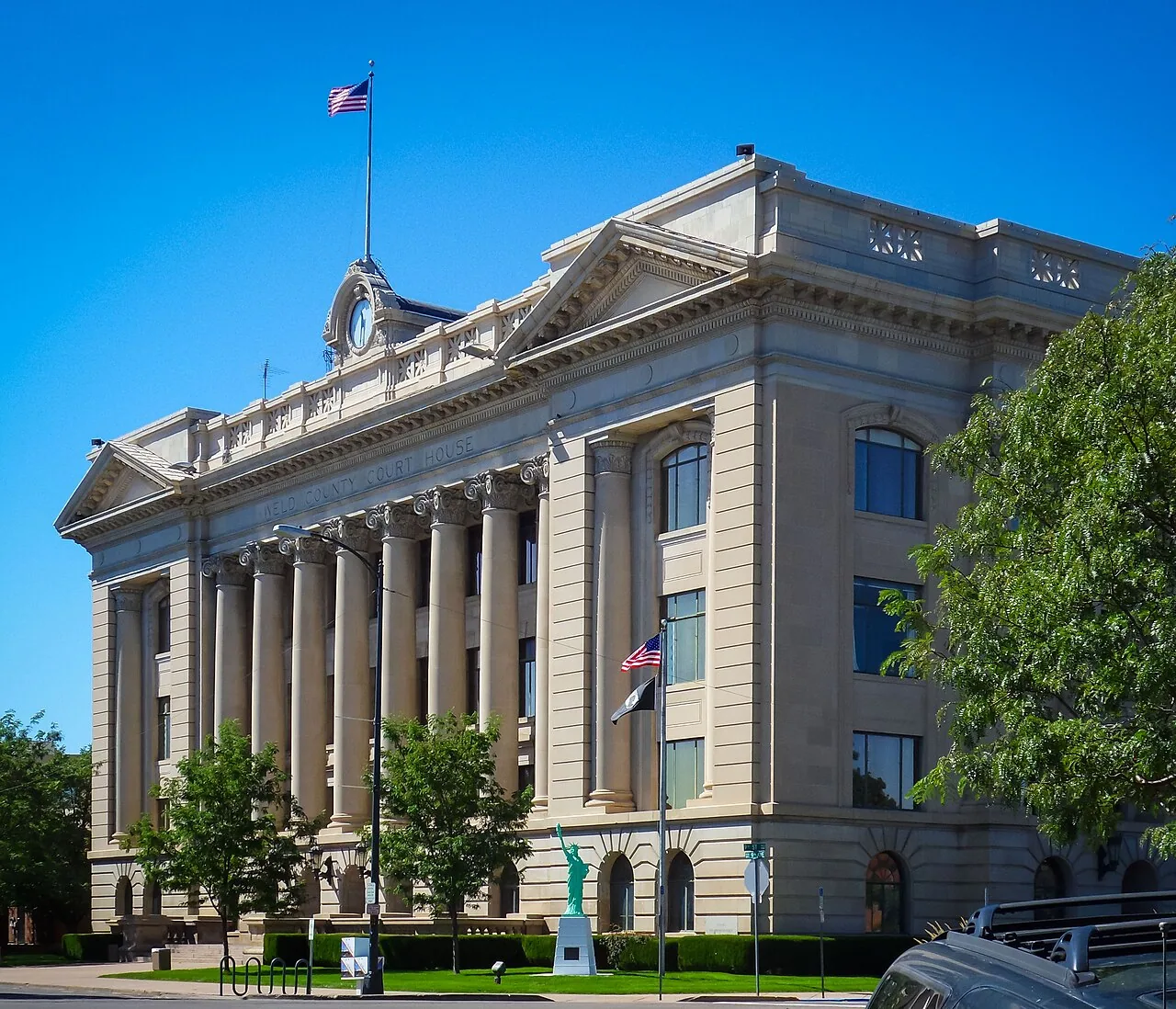
Colorado storm history includes tornado events in Weld County in 2020 and 2021. A response plan helps Greeley facility teams arrange safe access and protect the building when a tornado warning or nearby event prompts a roof inspection. We assess the actual building, including sites along the U.S. 85 Business Corridor and in Downtown Greeley, and coordinate inspection timing with the property representative.
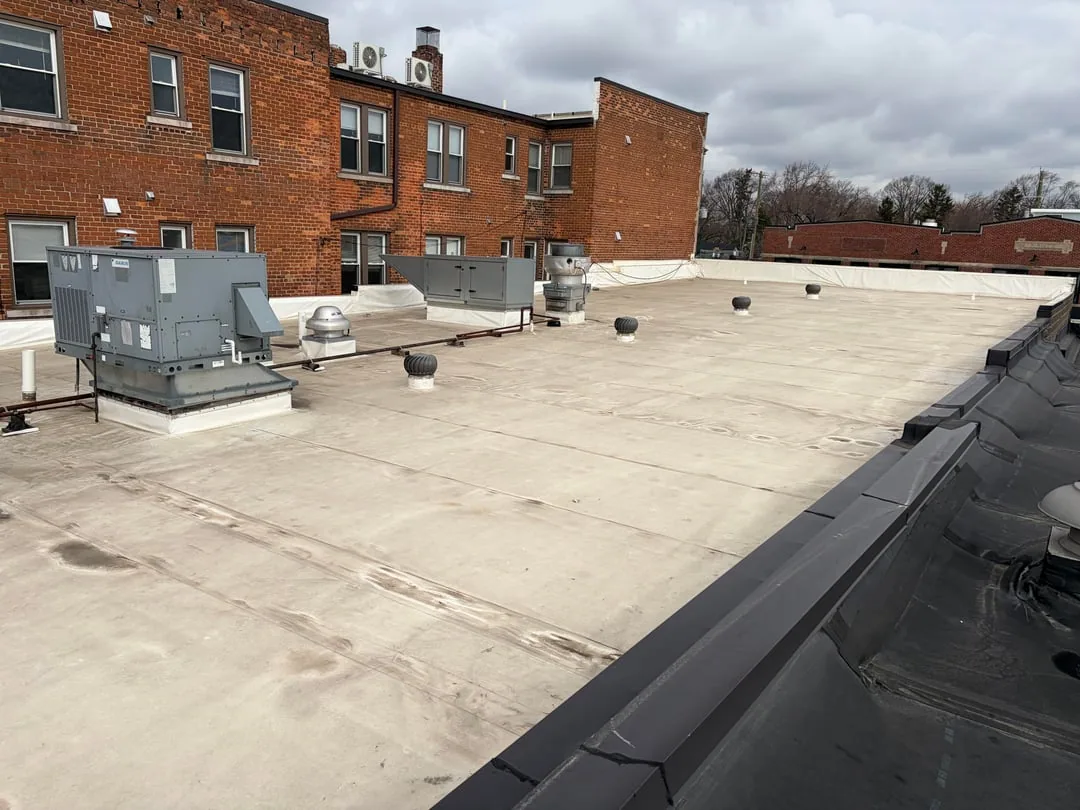
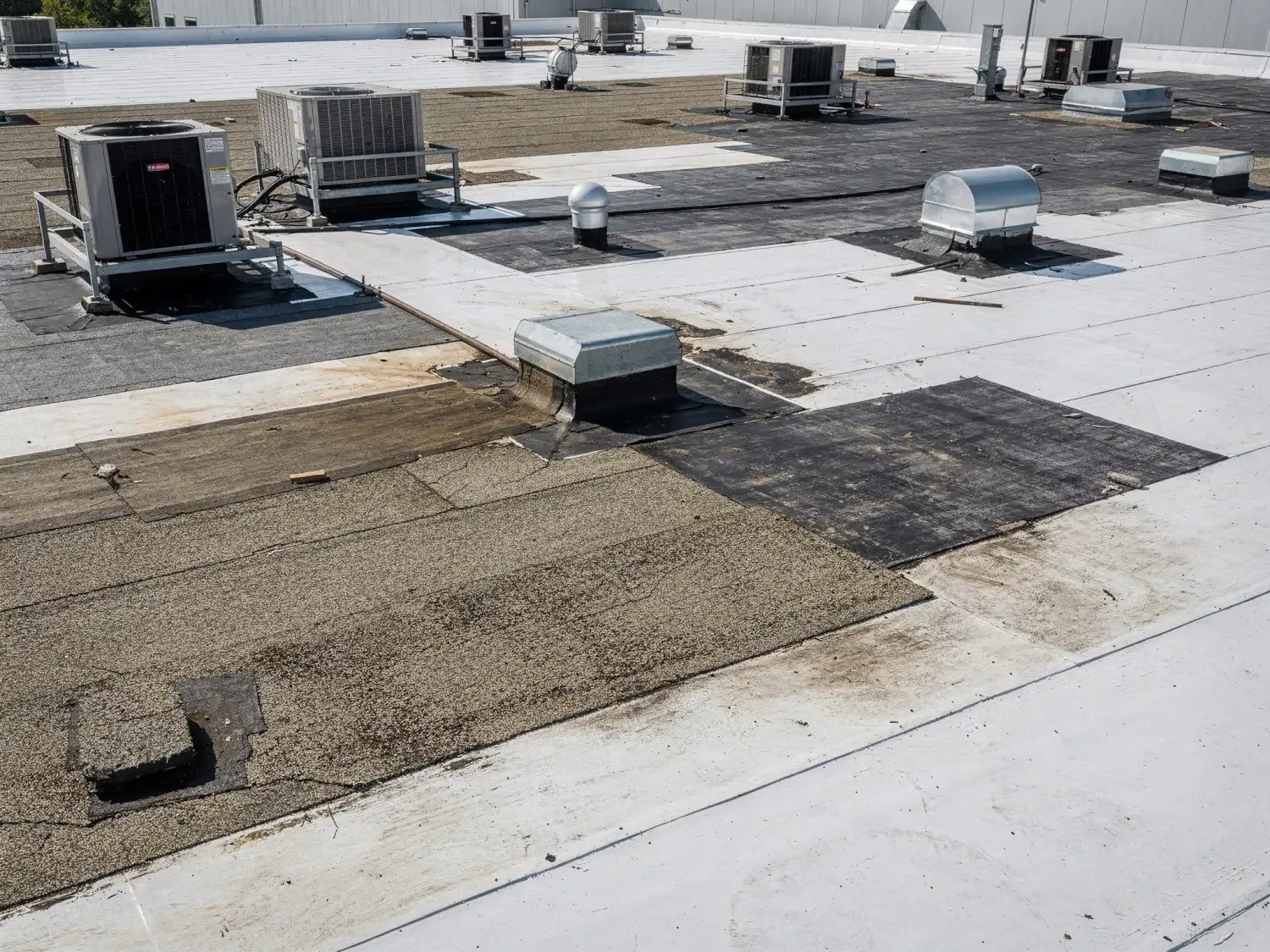
Wind-driven debris can leave sharp metal, broken glazing or loose equipment on the roof. We confirm that site safety personnel have released the area, identify safe routes and stay clear of unstable components. The inspection records lifted membrane, opened laps, bent coping, displaced screens, impact marks and debris around drains. We also identify an opening that needs temporary protection before measuring a permanent repair.
Inside the building, the site contact can point out new water, ceiling changes and rooms where operations cannot stop. We compare those reports with roof features above, since water can travel from its entry point. Photographs include a roof-zone reference so later crews can return to the same location. A commercial roof inspection can expand the assessment after emergency hazards are controlled.
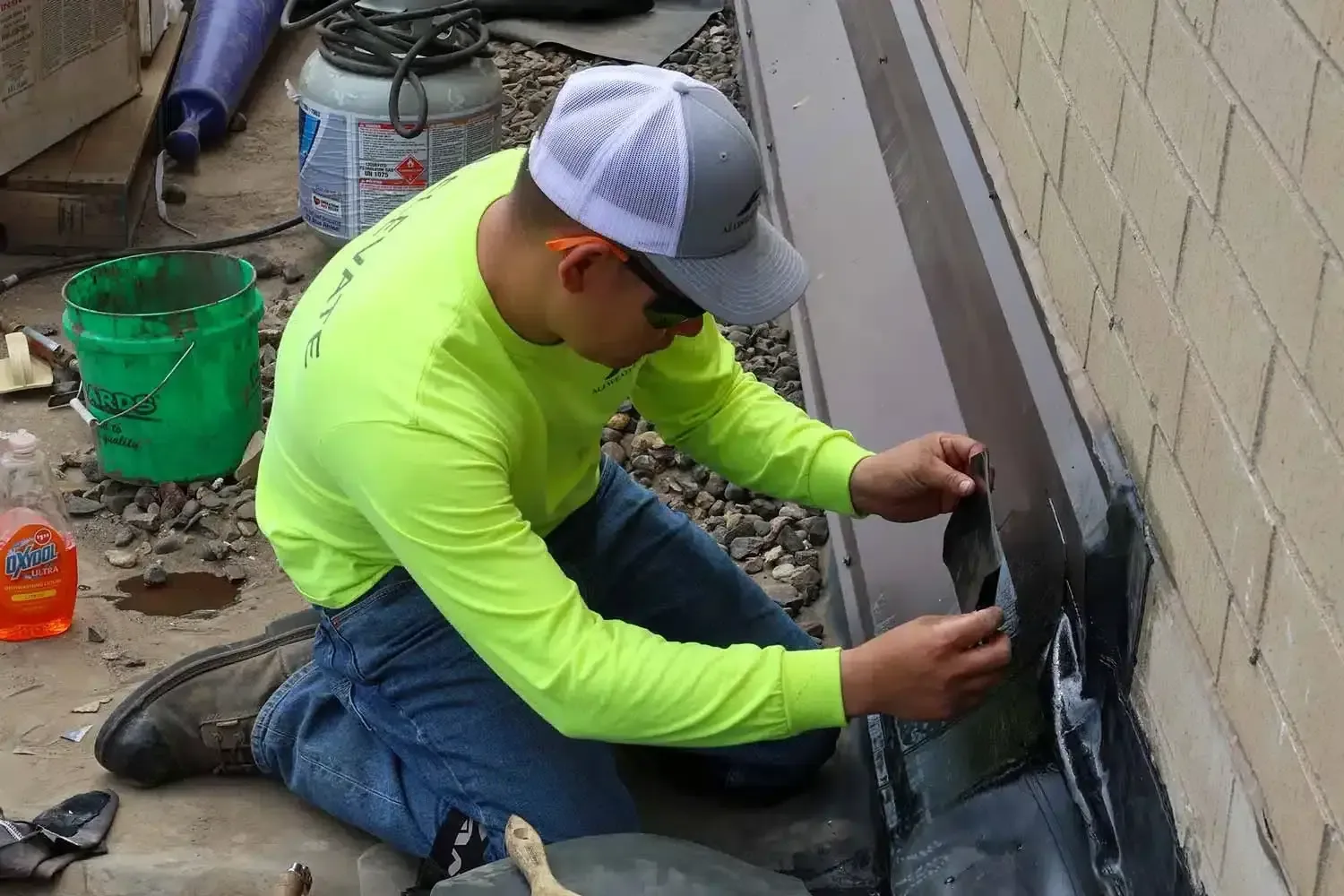
We examine roof edges and corners because uplift can affect attachments and termination details differently from the field membrane. Fasteners, plates, metal cleats, parapets and wall transitions all help establish the repair boundary. A displaced edge may connect to membrane damage beyond the part visible from the ground. Where metal or wall transitions have opened, flashing repair can be listed separately from the membrane work.
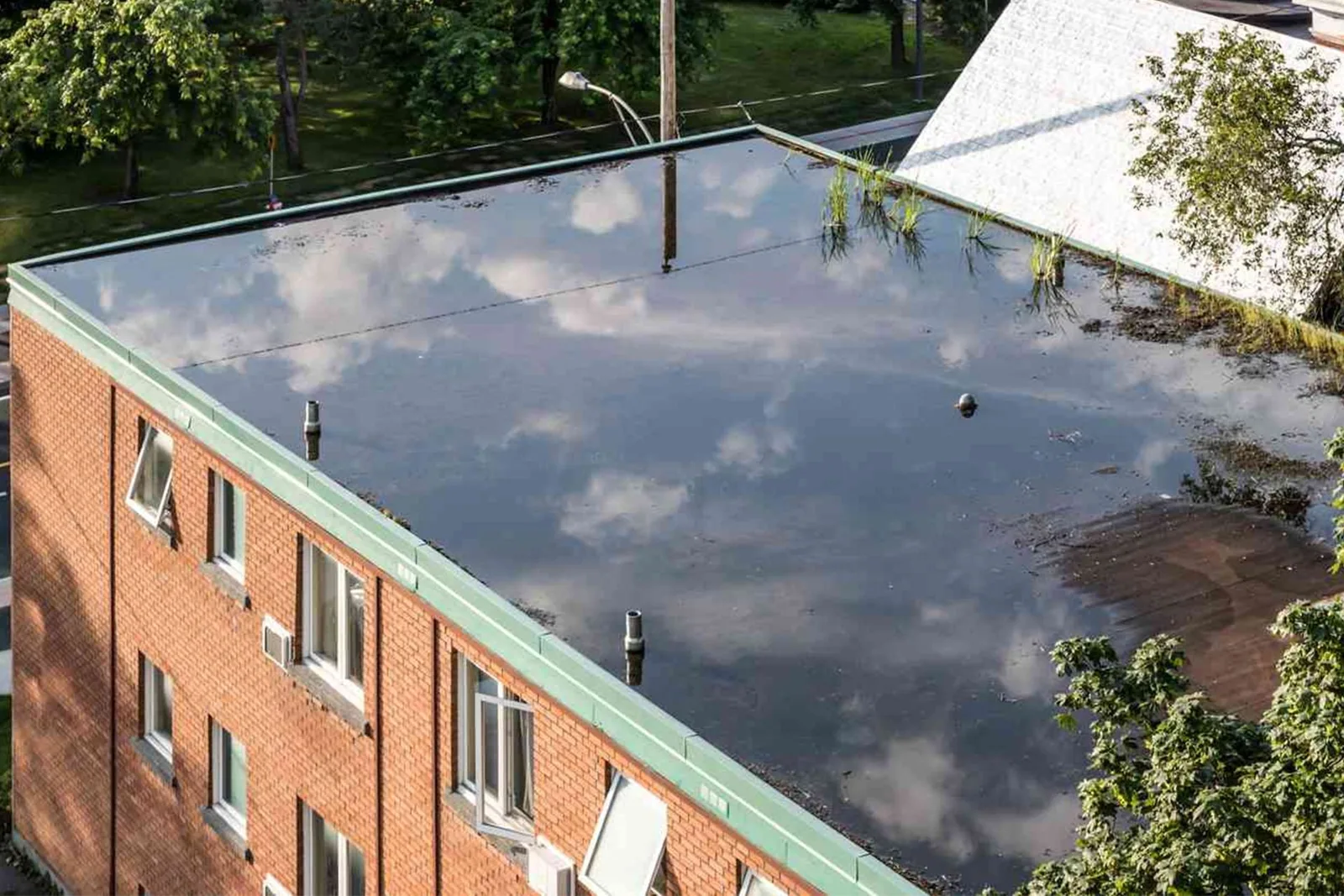
Emergency work begins with weather protection that can be installed safely and secured to a sound location. We identify what the temporary cover shields, how it is attached and what conditions could require an earlier return. A 24-hour roof response helps prioritize active water entry and exposed interior areas. Temporary protection is a controlled step, not a substitute for replacing torn membrane or reattaching a failed edge.
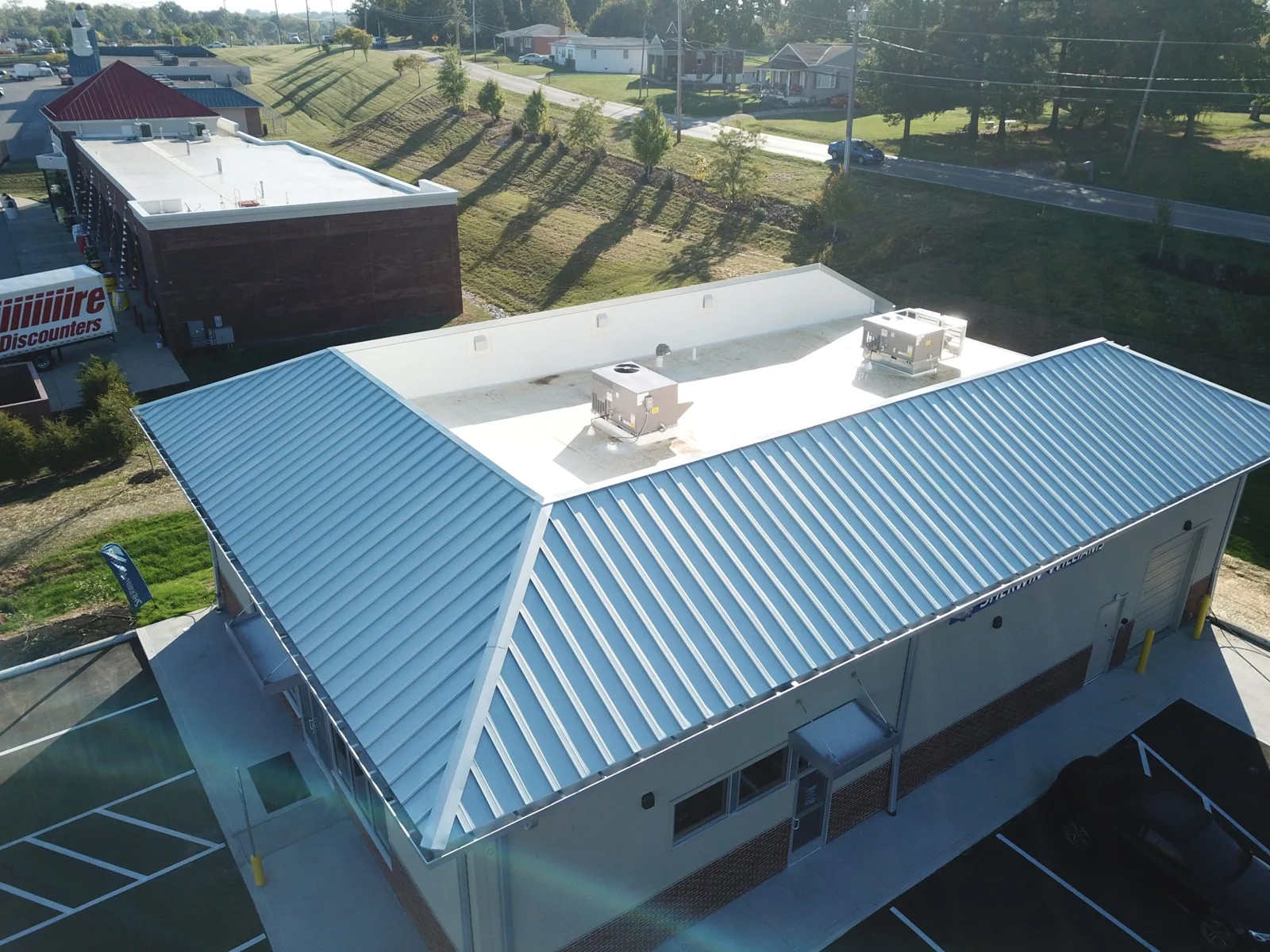
For permanent repairs, we confirm the system and inspect the material around the damage. A single-ply membrane, modified bitumen, metal panel and built-up roof each need different preparation and tie-in methods. We remove only the layers approved for the work, check the substrate, repair the attachment or membrane and inspect the completed boundary. If the event created a puncture, puncture repair can be specified at that location.
Several roof zones may need a sequenced scope rather than one continuous tear-off. We map boundaries, protect drains, secure loose material and agree on a daily closure point. If equipment or rooftop lines were displaced, the owner coordinates the relevant trade while roofing work is planned around it. We document any roof area that remains inaccessible and identify whether a later test or return visit is required.
Greeley Airport climate observations include wind, precipitation, snow and temperature. After a severe wind event, actual gusts and debris conditions at the site determine whether a crew can safely inspect or install temporary material. We check the roof surface and forecast before opening an assembly. Snow or ice can conceal a torn edge and make access unsafe; extreme heat can change material handling and work timing.
After a reported tornado, we inspect for displaced edge metal, opened seams, impact damage and drainage obstructions at the property. Neither fact describes the condition of a particular roof. We use local context to plan travel and sequence inspections, then base repair decisions on photographs, assembly details and observed attachment. The job file keeps a reported event separate from a confirmed defect.
During a multi-day response, each shift should end with a defined dry-in condition. We identify which roof zones are closed, which remain temporarily protected and what materials will be needed at the next visit. If rain approaches before permanent repair is ready, we reset the work plan instead of leaving a partially opened area exposed. The site contact receives the current boundary and any operational restrictions before the crew demobilizes.
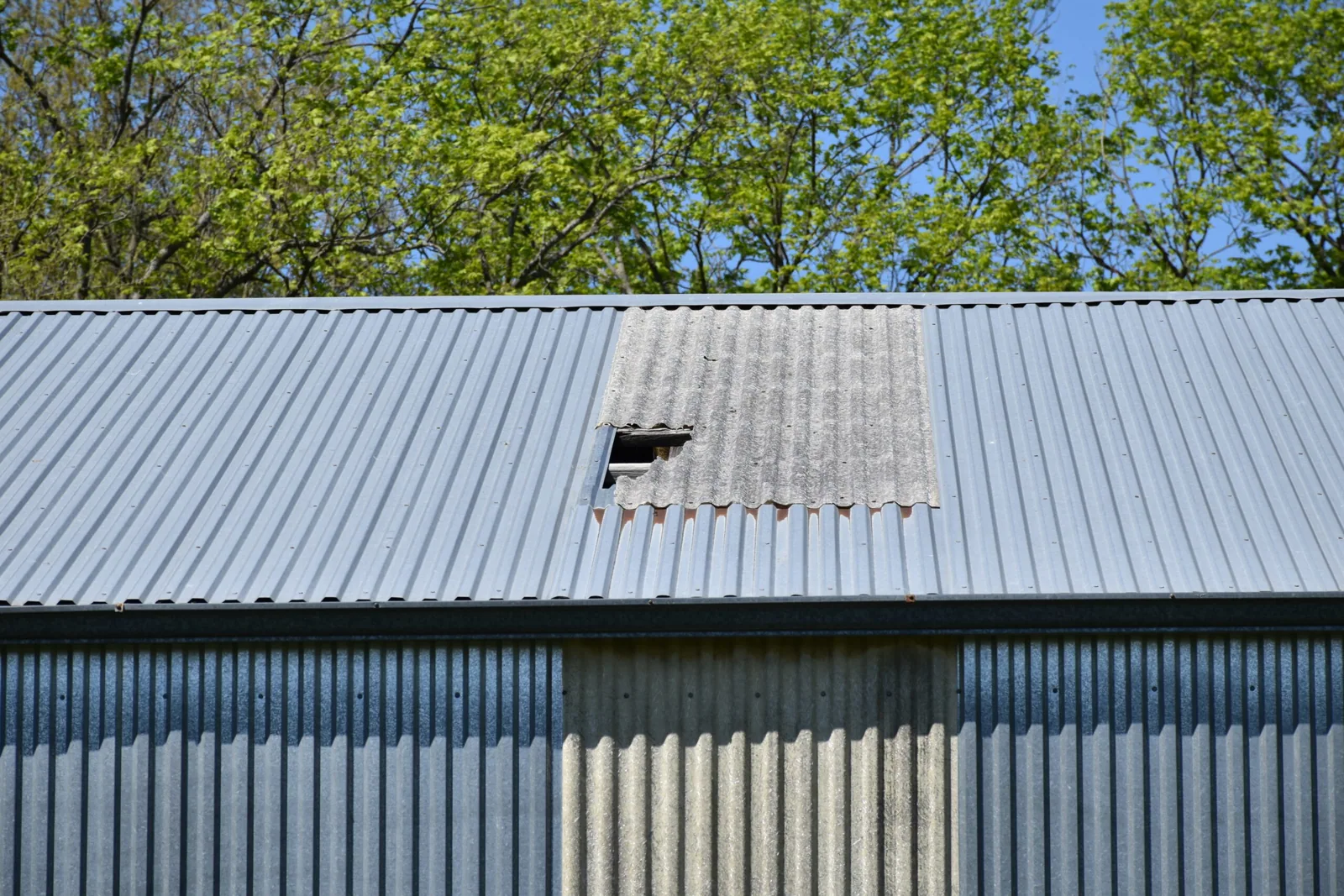
We first assess whether roof access is safe. If debris or unstable components remain, the inspection waits while urgent ground-level protection and site coordination continue.
Do not enter an unsafe roof area. Tell the site contact what is visible and let the roofing crew plan debris handling after access is released.
Temporary protection has limits. We identify the material, attachment, exposure and return timing, then schedule permanent work as soon as conditions allow.
No. The repair extent depends on the observed damage, assembly condition and safe testing. We define affected zones and compare options when evidence supports them.
Share roof plans, the event timeline, leak locations, access rules and the name of the person who can approve temporary work or testing.
The initial estimate may cover access, debris handling, temporary cover and a focused inspection. Permanent work is priced after the roof system and damage boundary are clear. We note membrane replacement, edge restoration, insulation or deck testing, equipment coordination and any design questions. A storm damage repair scope can combine related roofing conditions once their extent is documented.
Cost and timing depend on safe access, roof height, material availability, the number of affected zones, disposal needs and how quickly the building can be closed each day. We distinguish work required to restore weather protection from optional improvements to undamaged roof areas. If a broad repair and replacement are both possible, replacement is compared only when the inspection supports that alternative.
Greeley adopts the 2021 International Building Code with City amendments. Permit and code requirements should be confirmed for the actual project scope. We flag work that needs a design or municipal decision and coordinate the roofing details with the owner. Interior drying, electrical review, structural evaluation and contents restoration are separate trades unless they appear explicitly in the roofing proposal.
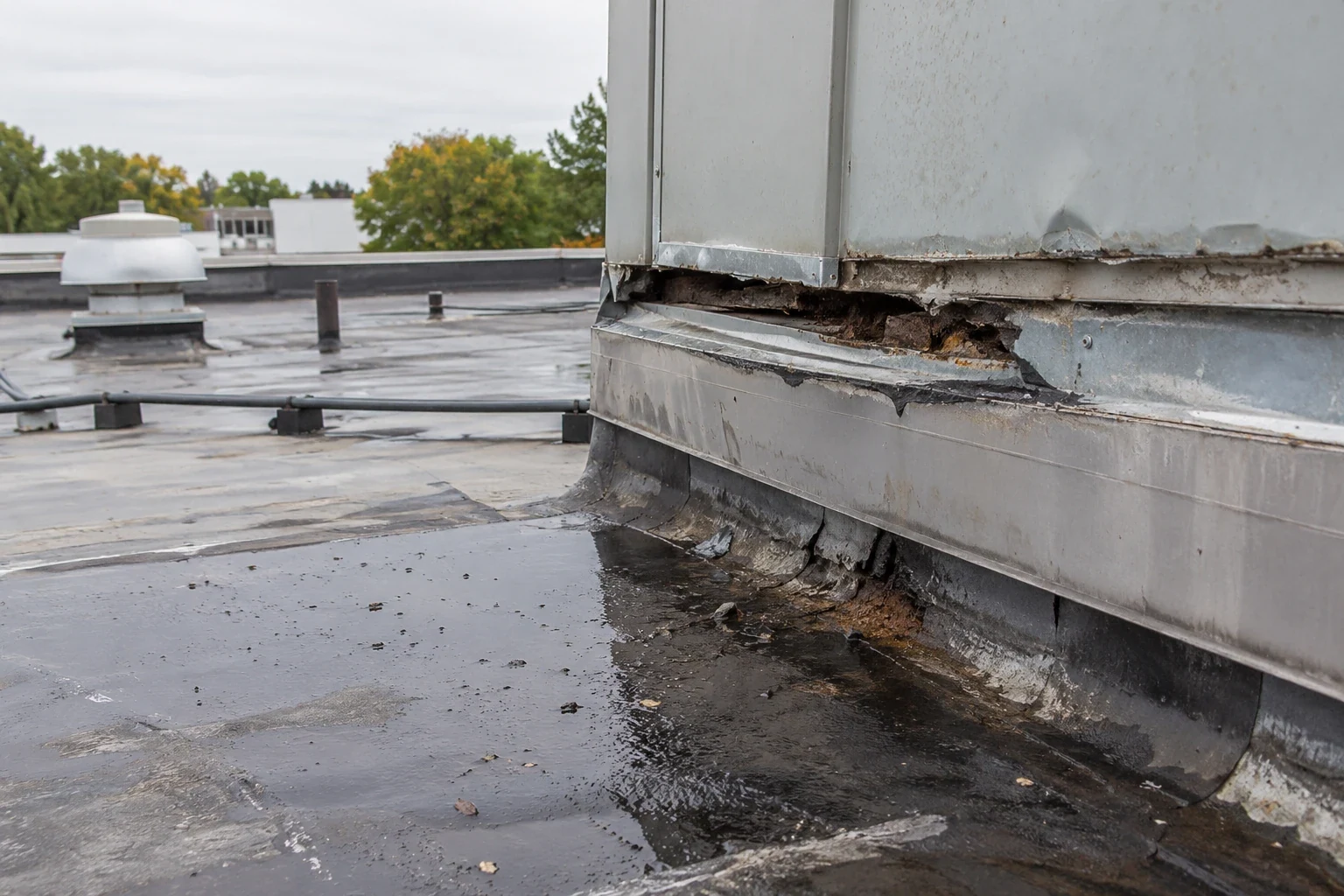
We record the reported event, arrival condition, temporary materials, roof areas inspected, permanent work and remaining access limits. Photos should show both a close view of the detail and a wider roof-zone reference. Closeout names the materials used, tie-in locations and any test performed, along with work that remains outside the approved scope. If a return visit is required, the report states the condition that will trigger it.
For scheduling, provide the incident timeline, interior reports, roof plans, assembly information, building hours and current access instructions. Tell us who can authorize temporary protection or exploratory work and whether equipment operations must continue. Those details let us bring appropriate materials and avoid delays at a secured roof entrance.
From the U.S. 85 corridor to Downtown Greeley, each roof requires its own safe access plan. We document the roof zones inspected, the work completed and the remaining items the facility team should track. That record can support maintenance planning after the emergency work is complete.