Can a roof inspection support a downtown reuse decision?
Yes. We can document visible roof conditions, prior repairs and areas needing further testing. The record supports the roofing decision and keeps other building systems outside that scope.

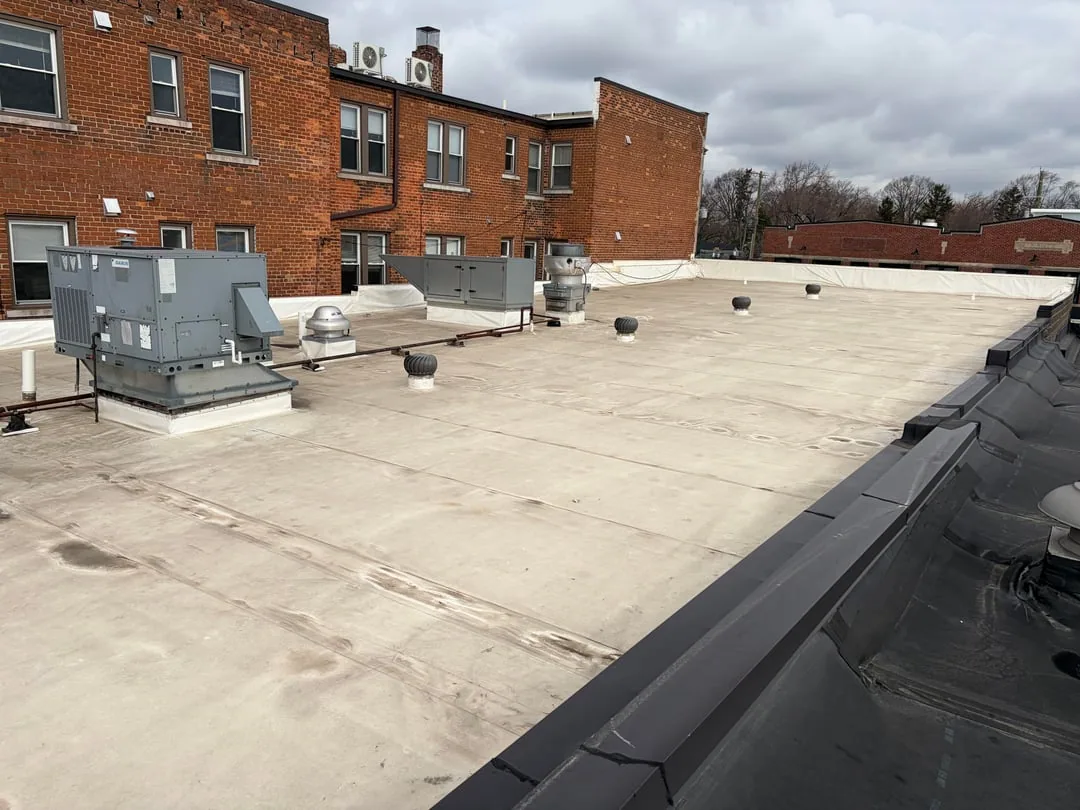
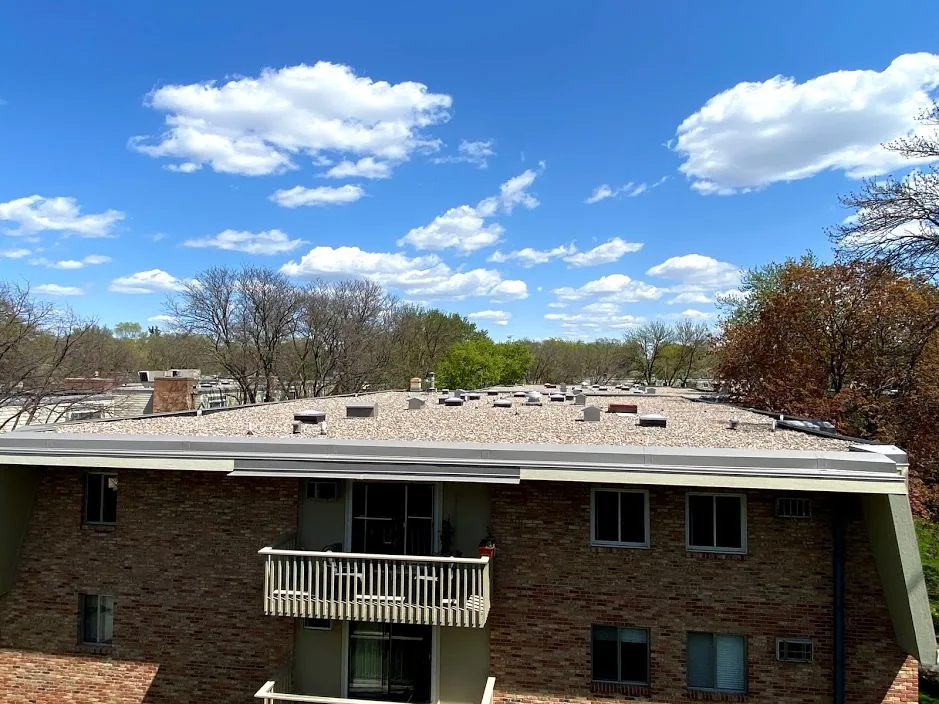
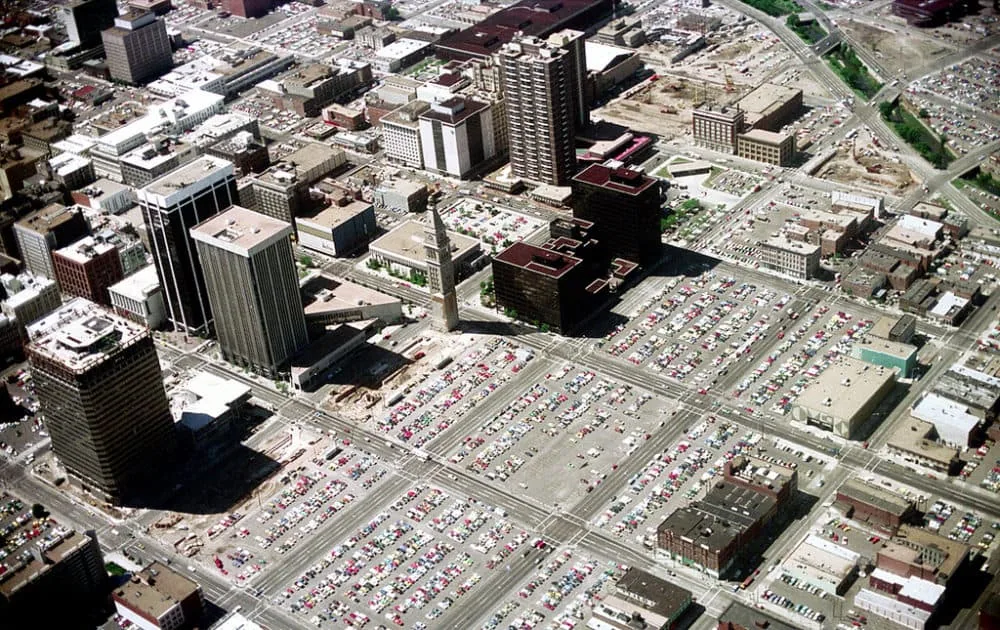
A downtown property under consideration for reuse needs a roof inspection that separates visible defects from questions still hidden in the assembly. Frederick identifies downtown redevelopment and revitalization as an active priority, including business recruitment, reuse of vacant space and property reinvestment. Those goals can make roof records useful during a building decision, but they do not establish a building’s current condition or renovation schedule. We check the roof system, drainage, curbs, seams and edge details, then tie photographs and repair boundaries to the property that was inspected.
Frederick’s economic-development page names I-25, Highway 52 and Highway 119 as key access routes. They help orient a dispatch; the owner confirms the correct entrance, roof access and staging. A roof inspection can document conditions before an owner commits to a tenant improvement or larger capital scope.
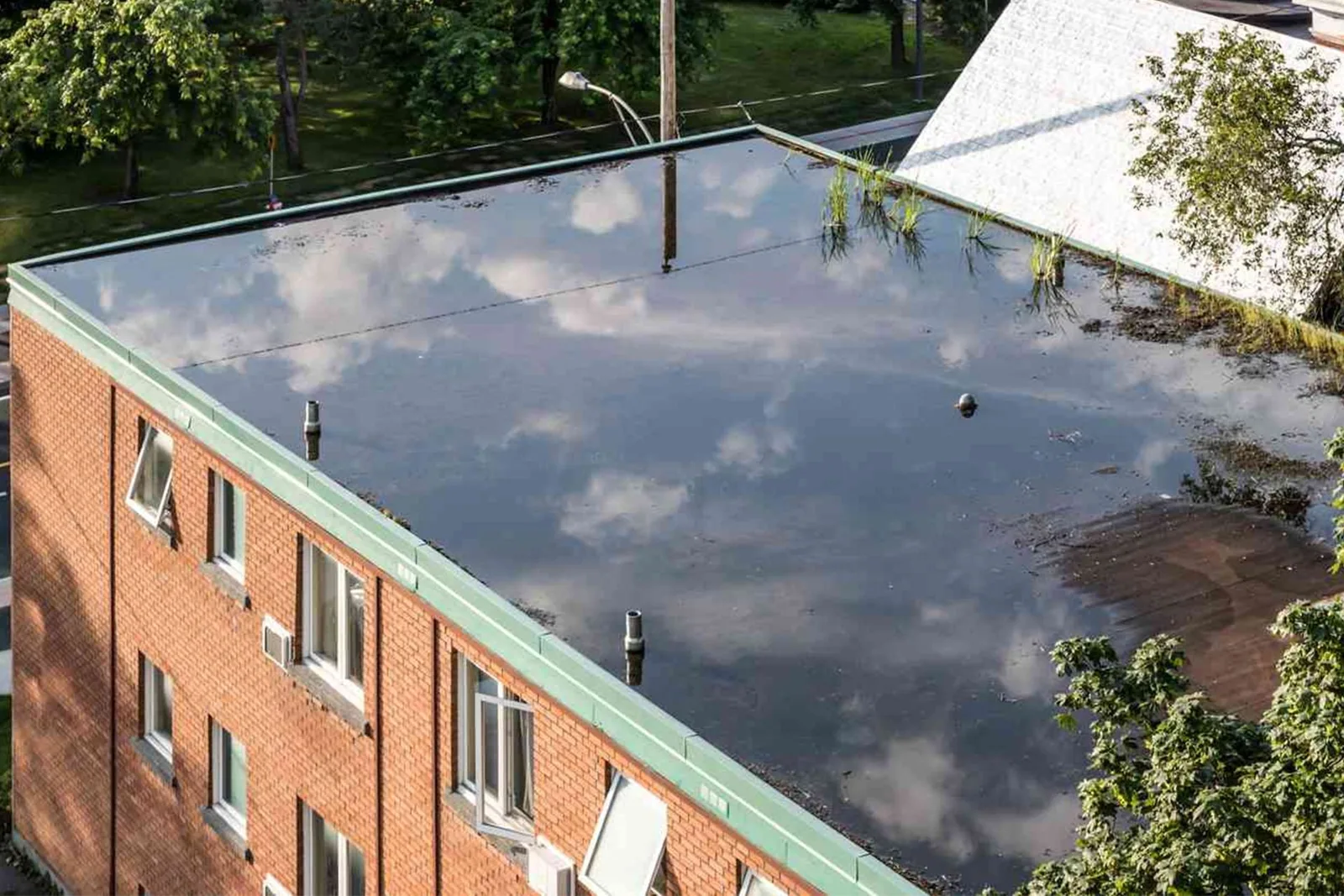
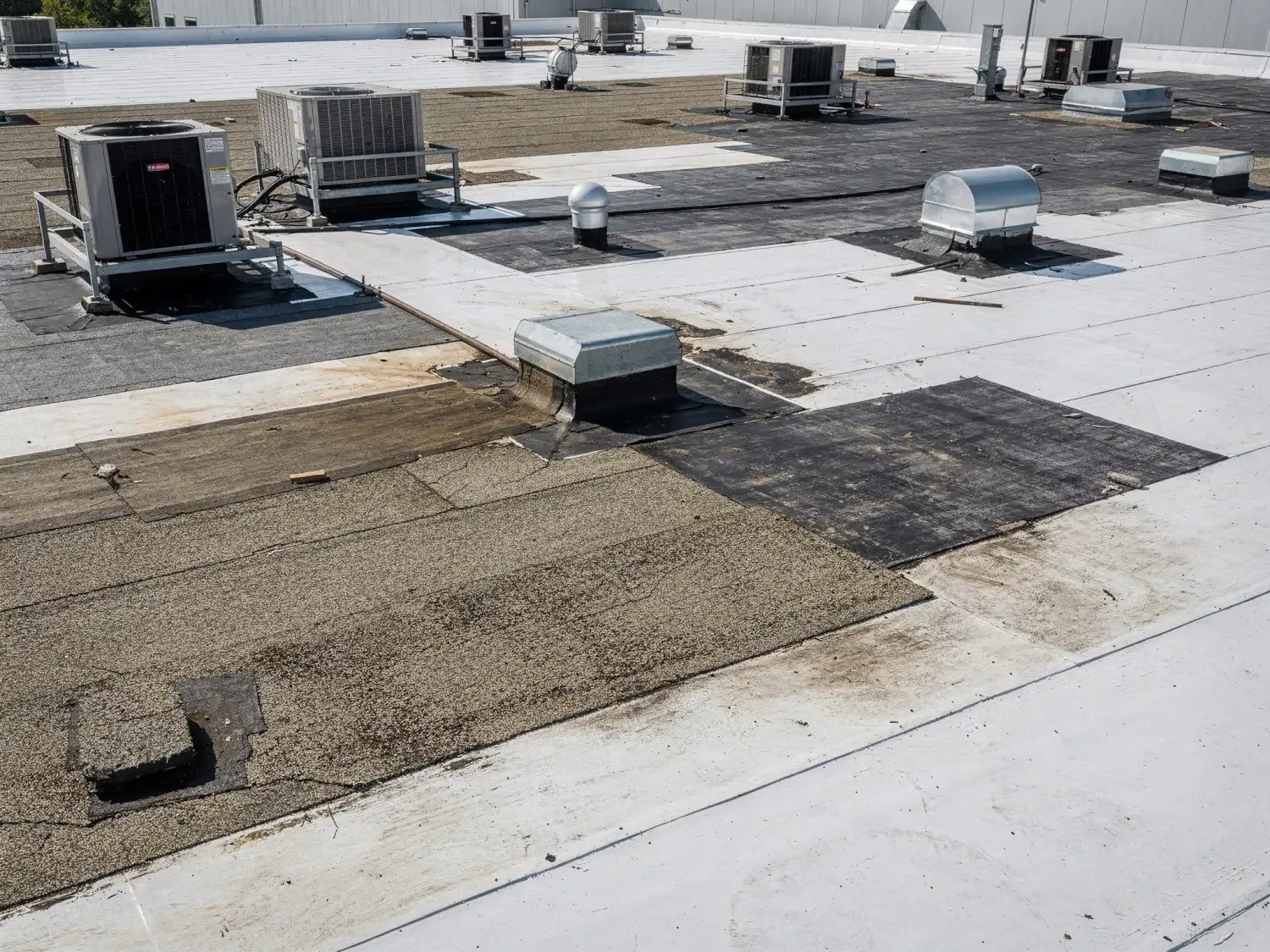
We ask when a leak began, which room is affected and whether the roof has been opened or patched before. Water can travel along insulation, a deck joint or a low point, so the interior mark may sit away from the opening. The crew checks seams, drains, penetrations, wall transitions and perimeter attachment near the reported area. Each finding is photographed by roof zone. If the visible surface does not explain the report, we specify the test or access needed to narrow the path.
A reuse project may have old drawings, incomplete repair notes or a planned equipment change. We compare those records with what can be seen in the field and identify any inconsistency before it becomes part of a proposal. A roof condition report separates observed defects from assumptions about concealed materials and states the inspection limits. That gives a prospective owner or facilities lead a grounded list of next steps.
When water is active, we can add temporary emergency protection while preserving the need to inspect the underlying assembly. The report states which area is covered and whether drying, removal or a follow-up test remains. If a vacant room has water damage, the roofing scope identifies roof work and does not imply that interior finishes are included.
Before the visit, the owner identifies the site contact, lock or escort rules, roof entry, work hours and current renovation activity. Business recruitment and vacant-space reuse are town priorities, but they do not describe the status of an individual building. We ask whether a contractor has moved equipment, opened a curb or changed a penetration. Those details help the crew inspect the right transition and coordinate with any trade that must finish its work first.
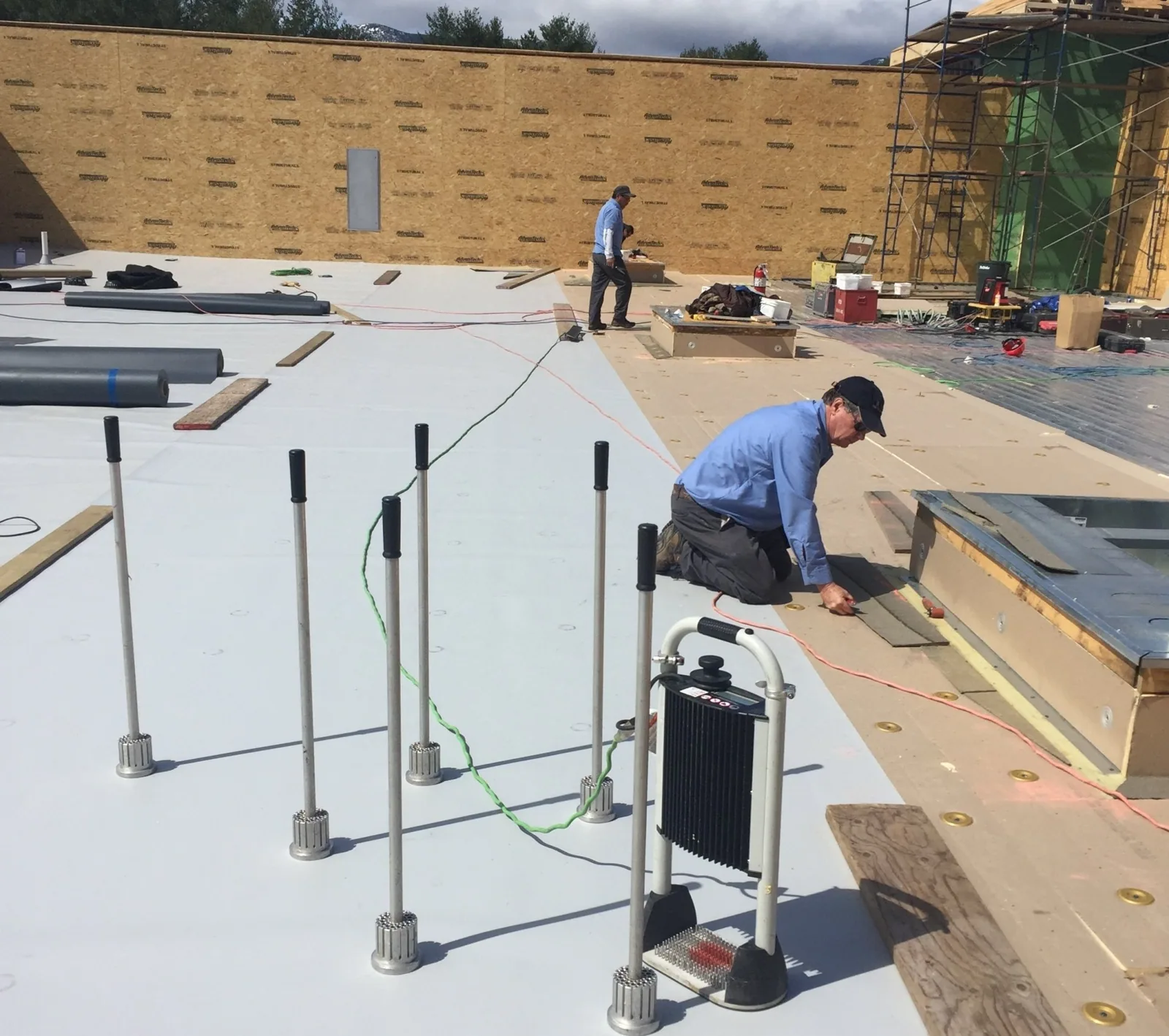
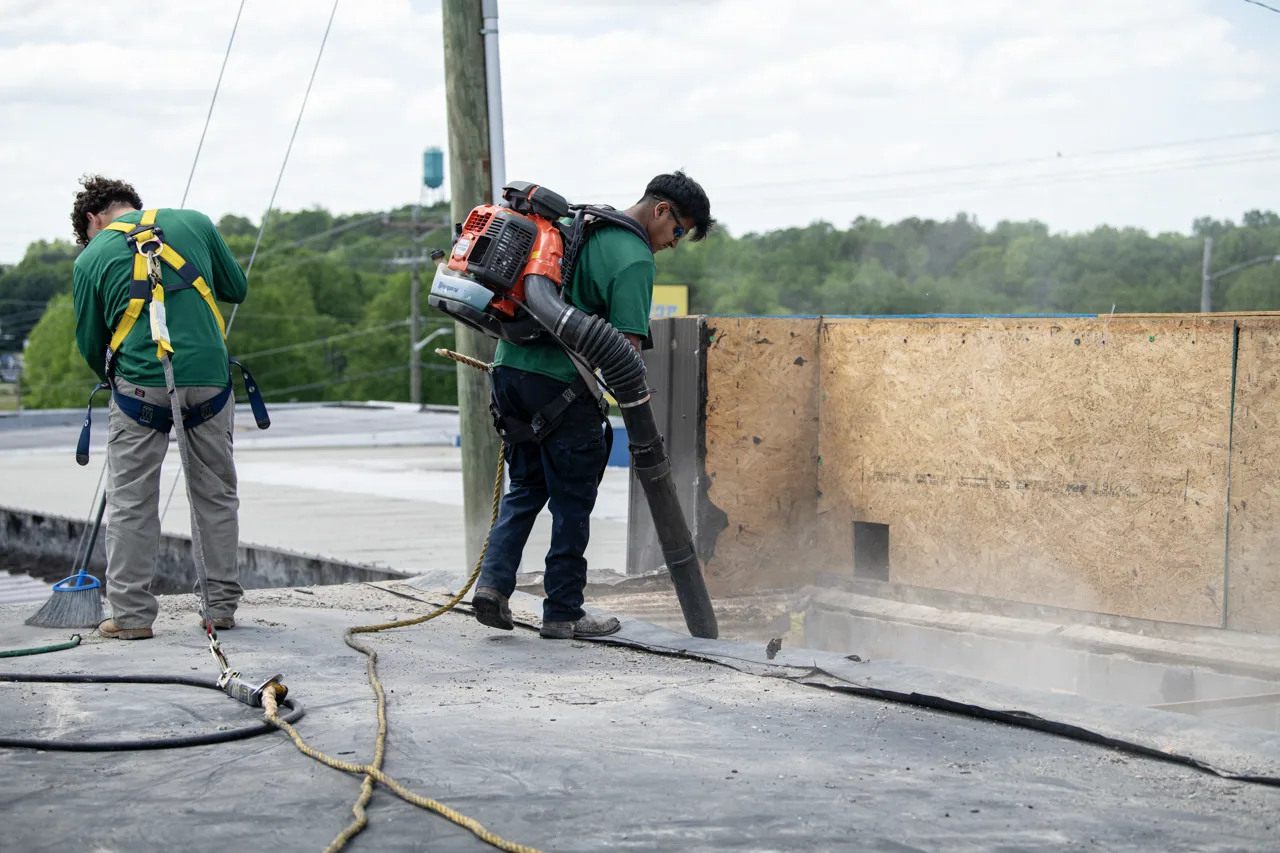
Our work order explains how crews prepare and close the repair, secure its tie-in and protect the rooms and equipment below. We remove only approved material and preserve drainage during the work. If opening the roof reveals wet insulation, a second layer or a deck condition that changes quantities, we stop at the authorization limit, document what changed and request direction. A defined roof repair stays separate from a broader replacement estimate.
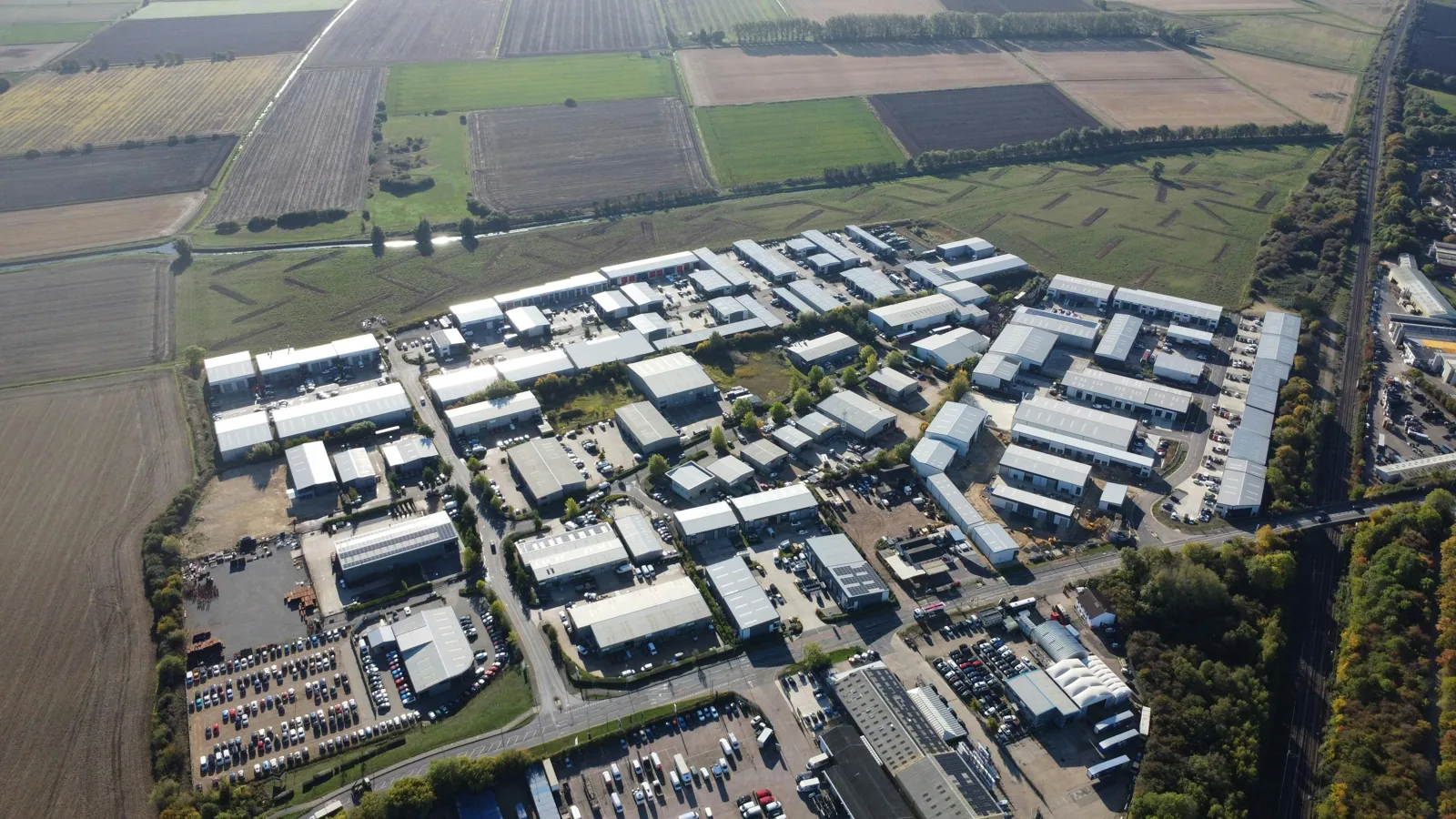
For owners making a sequence of property investments, a roof asset record can hold the system, photographs, repair date and open items. A later maintenance check can revisit the same drains, laps and edges after tenant work is complete. If the portfolio includes Eagle Business Park, that inspection receives its own access notes and building measurements.
The Greeley Airport weather record includes hot periods, snow, wind and precipitation. These observations give a regional reference, while the roof in Frederick must be checked at the site. Before using adhesive, coating or membrane, we look at surface temperature and moisture and follow product requirements. A wet substrate can interrupt bonding; high heat can change handling and crew limits. The planned work area should be protected and closed within the safe work window. If the weather shifts, we update the owner rather than force an installation.
Weld County storm entries include hail and tornado events. They provide context for severe weather in the region but cannot establish that a downtown property was damaged. We inspect for visible punctures, separated seams, disturbed edge metal or debris at drains. Photos mark what was observed; an unsafe or inaccessible roof section stays on the follow-up list. That record helps an owner distinguish an actual repair need from a renovation question.
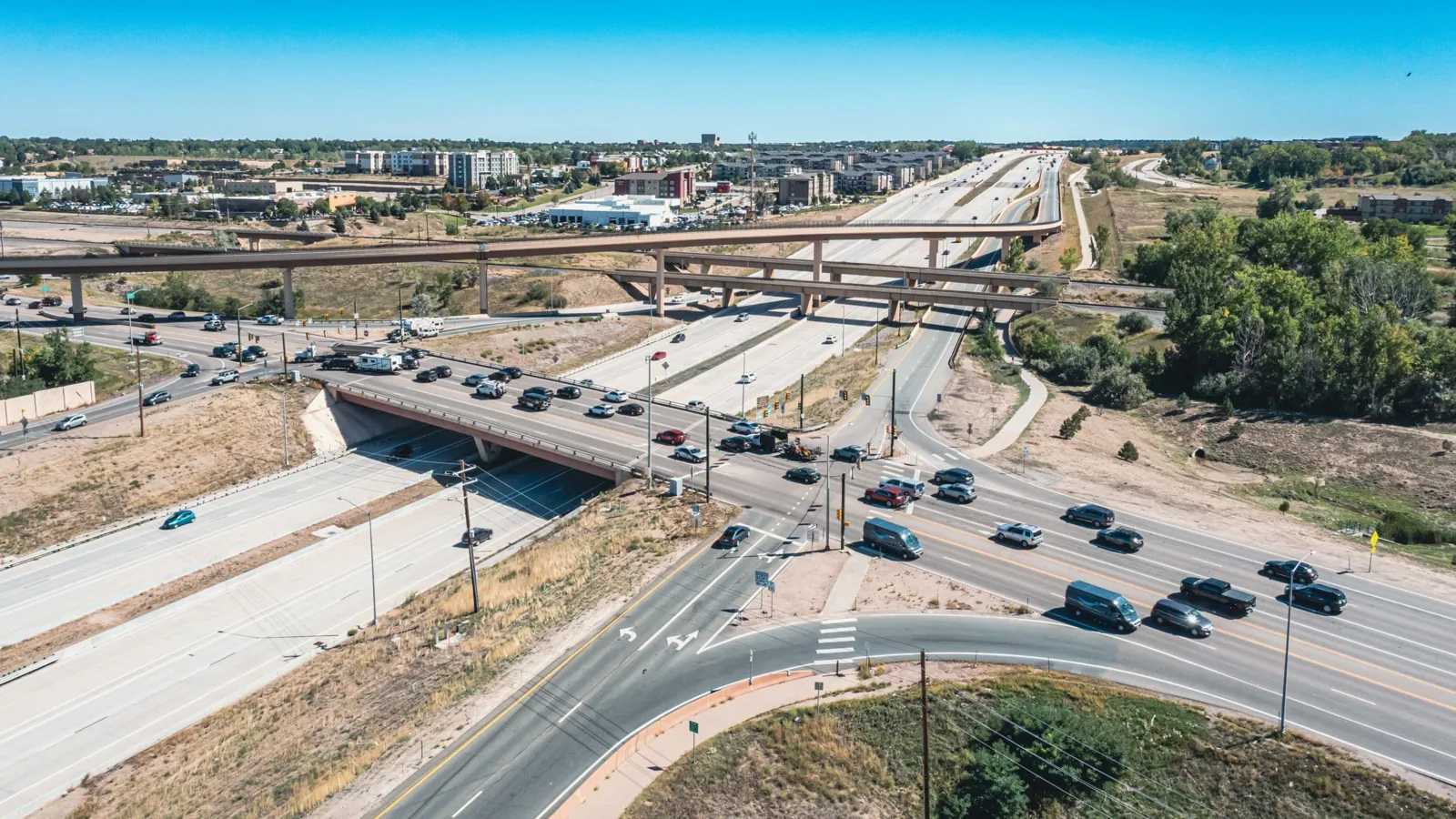
Highway access can shorten the drive, but it does not determine the safe staging area or the condition of the roof. The property team confirms how material and debris move through the site. We inspect outlet connections and water paths directly. A drain and scupper service can focus on an outlet problem, while structural or replacement-permit questions should be checked with the authority responsible for the work.
Yes. We can document visible roof conditions, prior repairs and areas needing further testing. The record supports the roofing decision and keeps other building systems outside that scope.
No. They describe downtown priorities, not the occupancy status of a specific property. The owner confirms current use, access and renovation plans.
We coordinate the timing and inspect the curb or penetration after the trade’s work is ready. The proposal states which roof detail is included and who will close it.
They help locate the market, while the property representative confirms the delivery entrance, staging space and any current restrictions.
Costs follow the measured area, roof system, layers, moisture, access, edge details, staging, protection and disposal. A localized repair can preserve a sound assembly when a single defect is confirmed. Repeated leaks or concealed moisture may require testing before the owner decides whether repair or replacement is more practical. We describe the evidence supporting each option and keep tests or interior work outside the roofing scope unless they are approved.
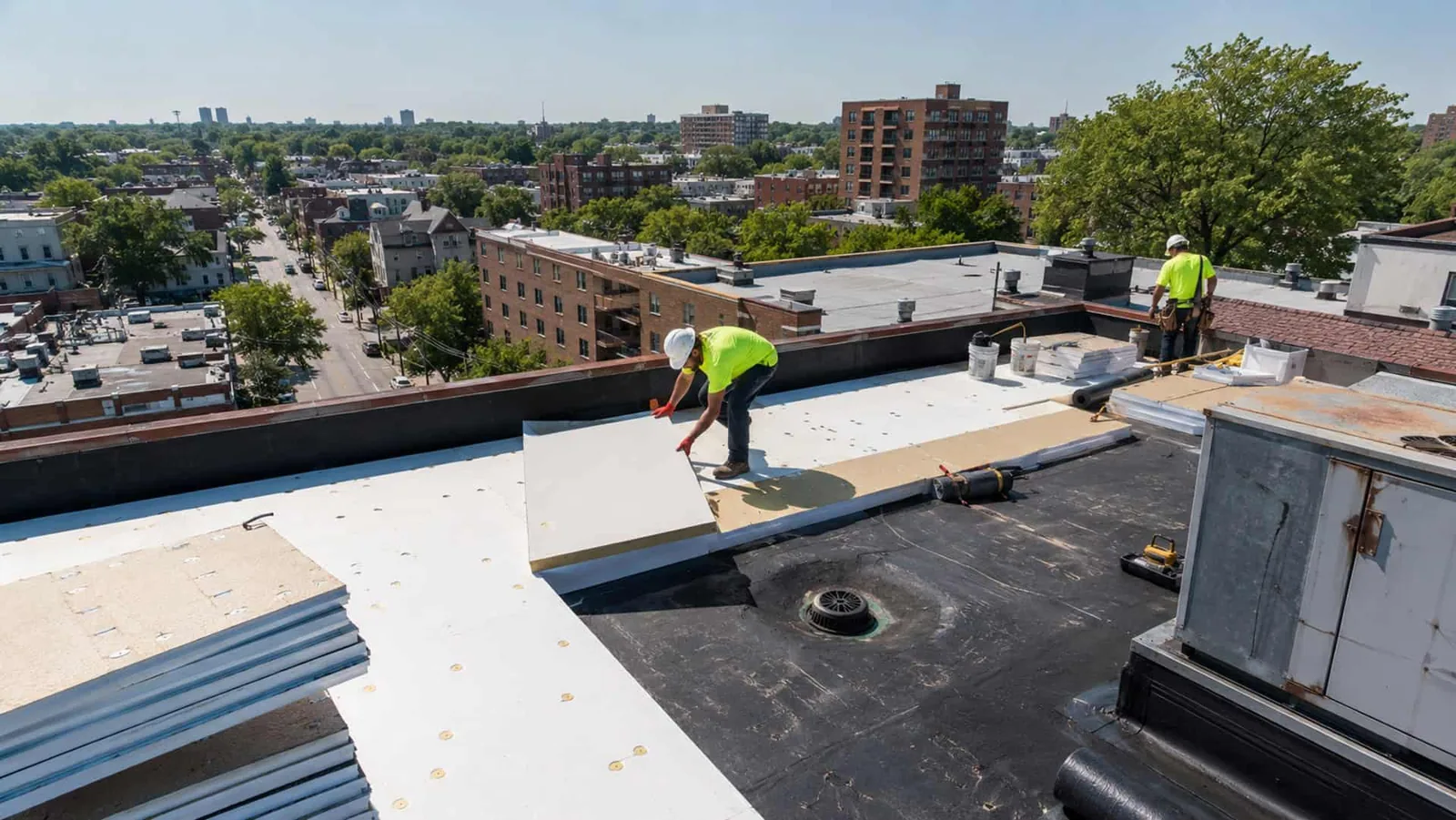
Where the deck and attachment are sound, we may install another roof layer if moisture can be ruled out and the existing system will carry it. Replacement can expose concealed conditions and create a clean start for planned improvements, but it requires removal, material handling and coordination below. We identify how either path interacts with a tenant schedule and any rooftop equipment work. A replacement plan names assumptions and exclusions so it can be compared with the owner’s reuse sequence.
Frederick’s planning priorities include reinvestment and vacant-space reuse. We can provide photos and repair boundaries for a property decision, but a roof inspection does not certify other building systems. If another district such as Central Firestone is part of the owner’s portfolio, its condition review should remain separate.
Closeout identifies the system observed, roof zones inspected, work performed, installed material, photographs and tests. We list inaccessible areas and questions that remain open. If the building was prepared for reuse, the facilities lead can share this record with the next contractor to avoid repeating a roof history from memory. The report states what was completed and what another trade still needs to handle.
Before a visit, send the affected room, timing, prior repairs, planned equipment or tenant work, available drawings and access information. Identify who may approve testing and any roof opening. We will coordinate with the property contact, protect the work area and return a scope tied to the inspected assembly.