Does Eagle Business Park’s renewal status mean my roof is scheduled for work?
No. The Town identifies an urban-renewal area and development activity, but a specific roof scope requires owner direction and a property inspection.
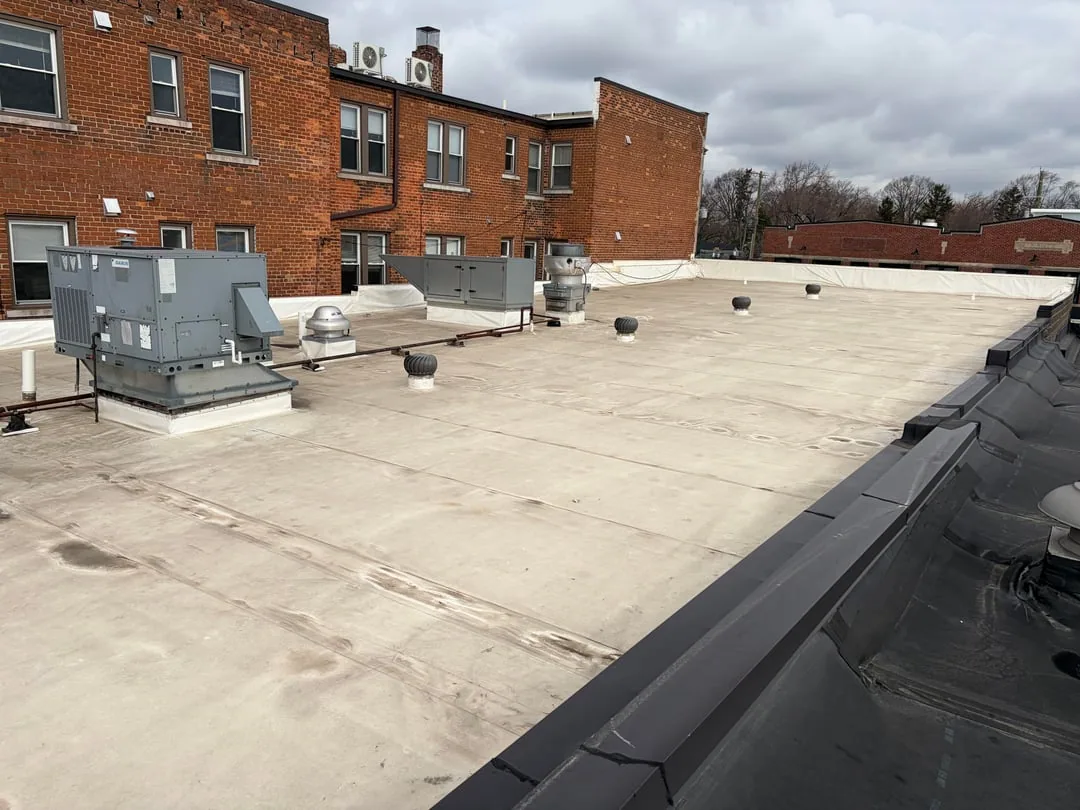
A roof call at Eagle Business Park starts with the specific building, its current use and the access route approved by the site contact. Frederick identifies Eagle Business Park as an urban-renewal area. Its current development page lists a Filing 3 lot and off-site improvement work related to the public works facility in the park. The Town also says urban-renewal financing can support infrastructure improvements and reinvestment. The Town’s listed Filing 3 and off-site improvements can affect how a property team coordinates work. We inspect the assembly visible on site and record the repair area before recommending a scope.
Improvement work may affect access or staging, but the owner confirms current construction status and safety limits. We ask who can open the roof and where materials may be handled. A commercial roof inspection ties findings to the building and identifies any area that needs further access.
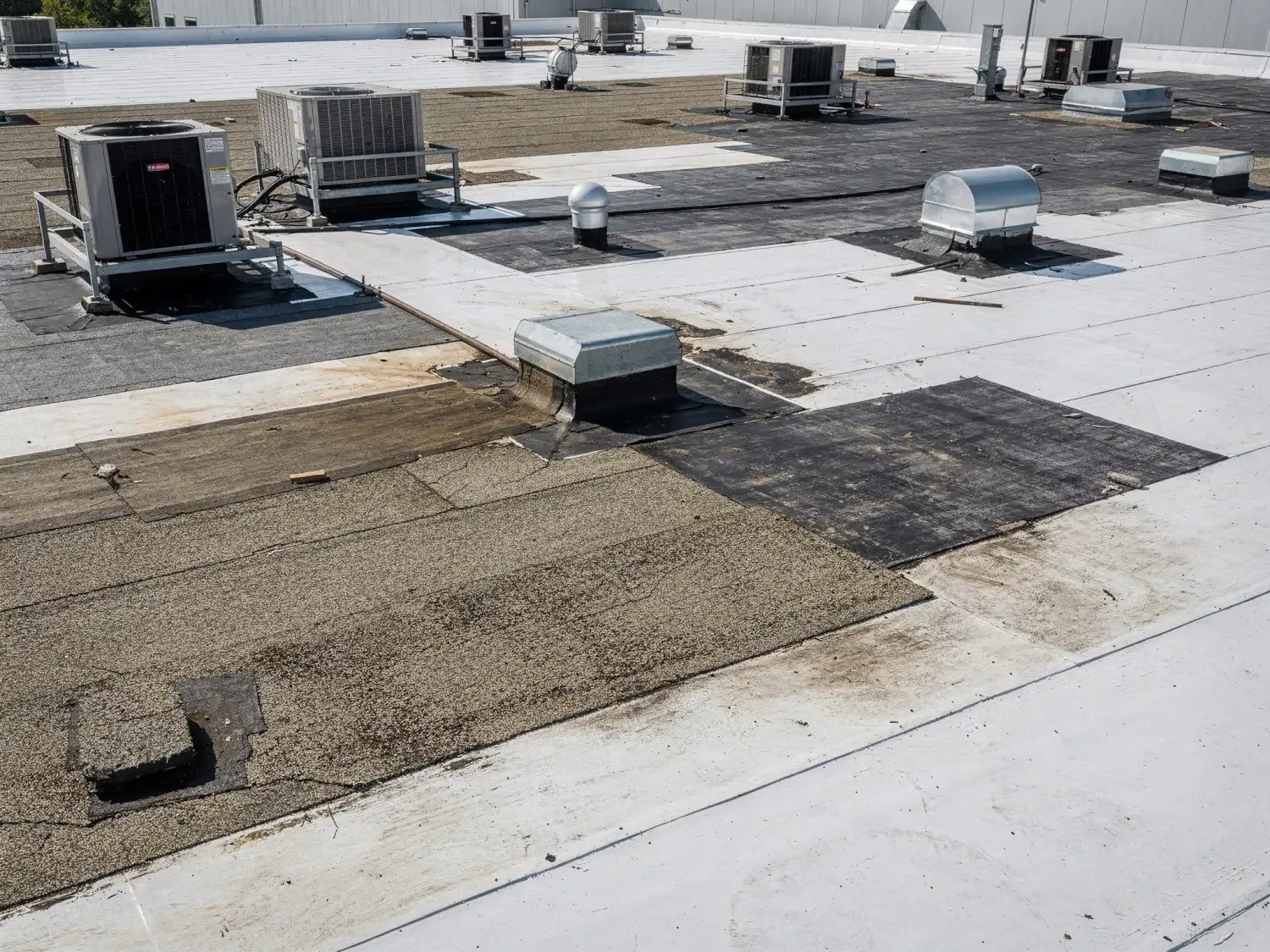
We begin with the reported room or roof zone, leak timing and any recent repair or equipment work. Water may travel along a deck or insulation seam before reaching the interior. The crew checks the surface above and the adjacent drains, penetrations, curbs, perimeter metal and wall transitions. Each condition is photographed with a location reference. If the visible roof does not explain the report, we identify what test or access could narrow the path.
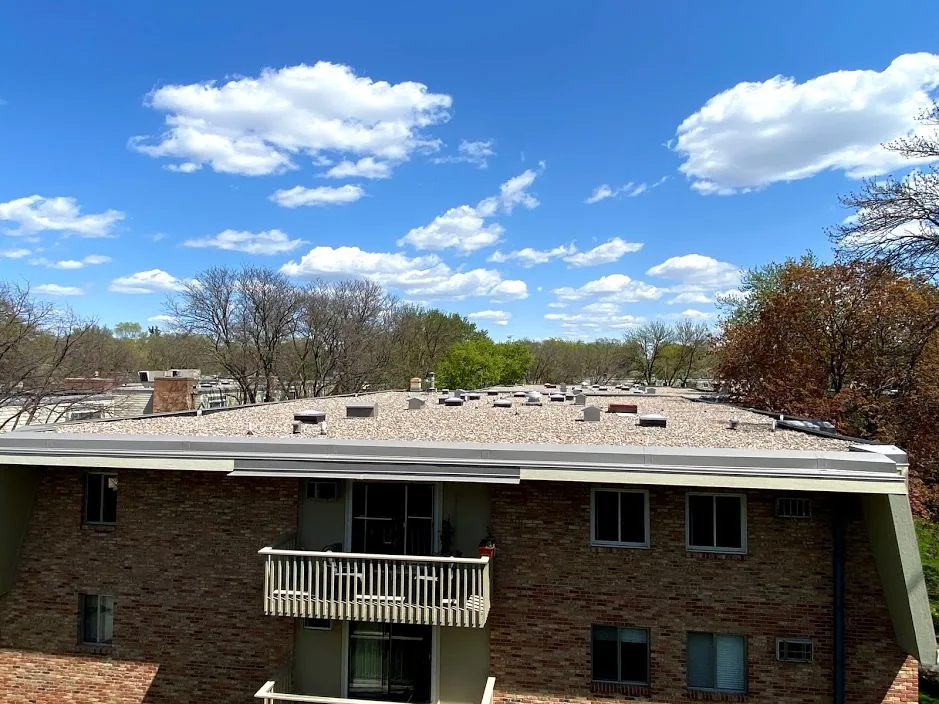
We compare available drawings, submittals and repair records with the material and details visible in the field, since development plans do not specify the installed roof system. A roof condition report can separate confirmed defects from assumptions, document inaccessible sections and give the owner a test list before broader work is approved.
For an active leak, we can apply temporary roof protection while keeping the permanent repair open for evaluation. The report states what area is covered, what remains wet or concealed and what must be checked next. If the project is related to a public-facility improvement, the owner identifies the contracting boundary; roofing scope and off-site work remain distinct unless the owner authorizes otherwise.
Before mobilization, we confirm whether an improvement project, delivery route or equipment operation changes roof access. The site contact identifies gates, orientation, staging, active work zones and the person who can authorize a test opening. An updated site plan or superintendent instruction can confirm whether active work changes the safe entry and material route.
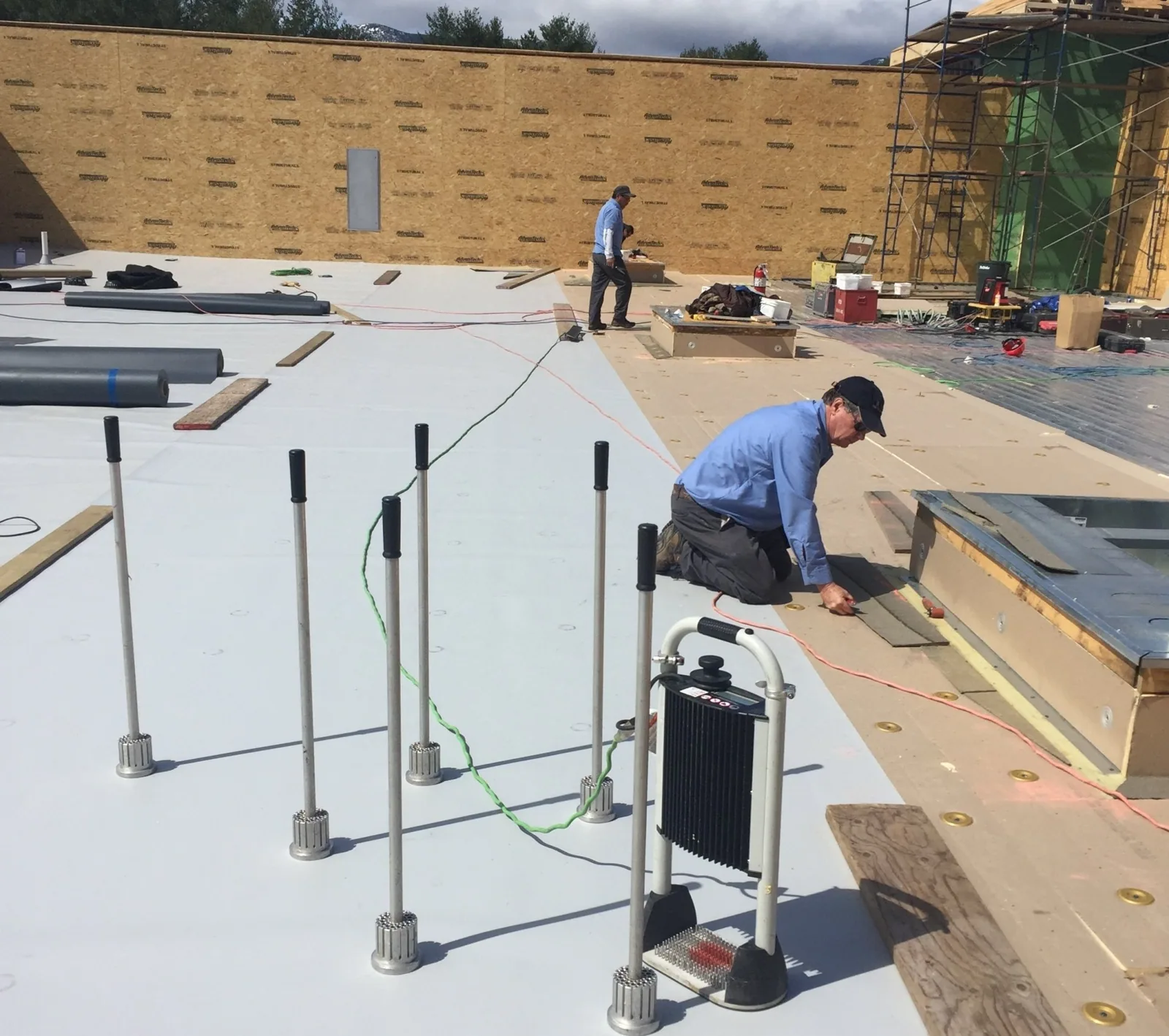
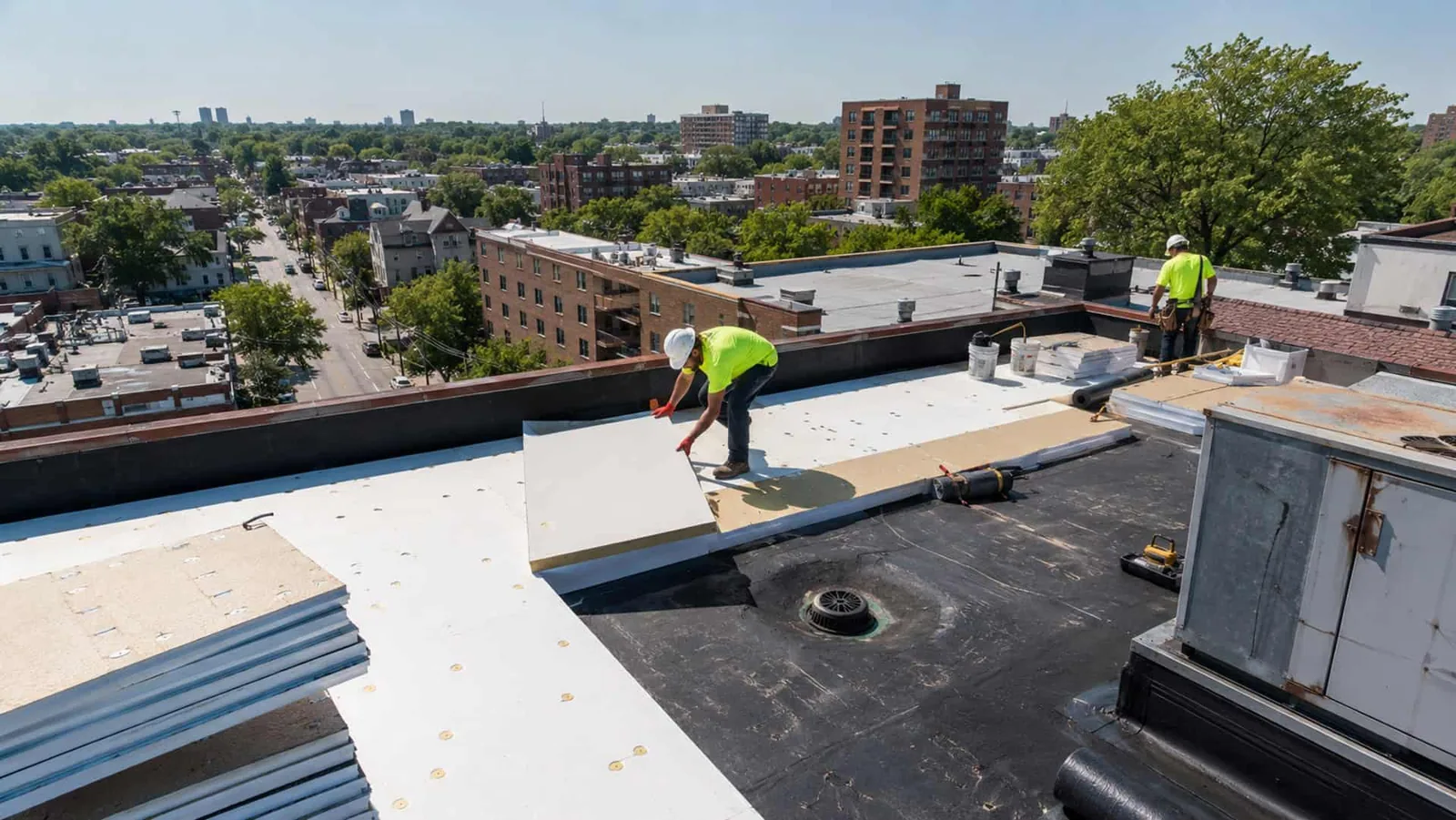
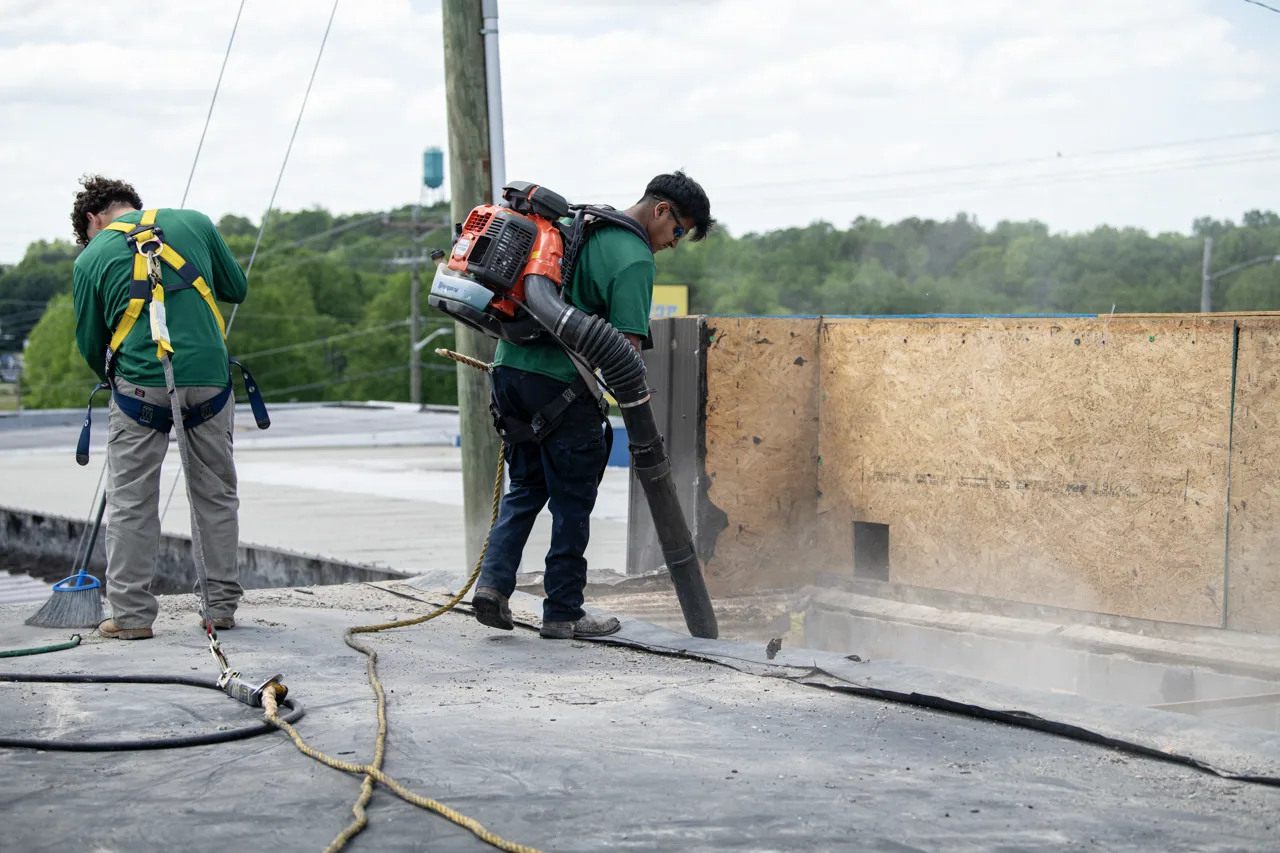
The written scope defines preparation, materials, tie-in, dry-in, protection below and cleanup. Crews remove only approved layers and keep debris away from drains and vehicle routes. If work reveals wet insulation, a second system or an unanticipated transition, the team pauses at the approved boundary and requests direction. A measured roof repair remains distinct from testing or a replacement option that requires separate authorization.
A roof record should include building, system, photos and the last repair date. A maintenance visit can later check drains and edges after construction activity is complete. If a manager also coordinates Downtown Frederick or the Central Firestone District, the access plans and condition notes remain separate by property.
Greeley Airport records track hot temperatures, snow, wind and precipitation. Before opening a roof or applying adhesive or coating, we check surface temperature and moisture at the property against product instructions. Before opening a roof or applying adhesive and coating, we verify current conditions against product instructions. Heat can change application behavior; a damp surface can keep a repair from bonding as intended. We limit the open area to what can be protected and closed under the current work window.
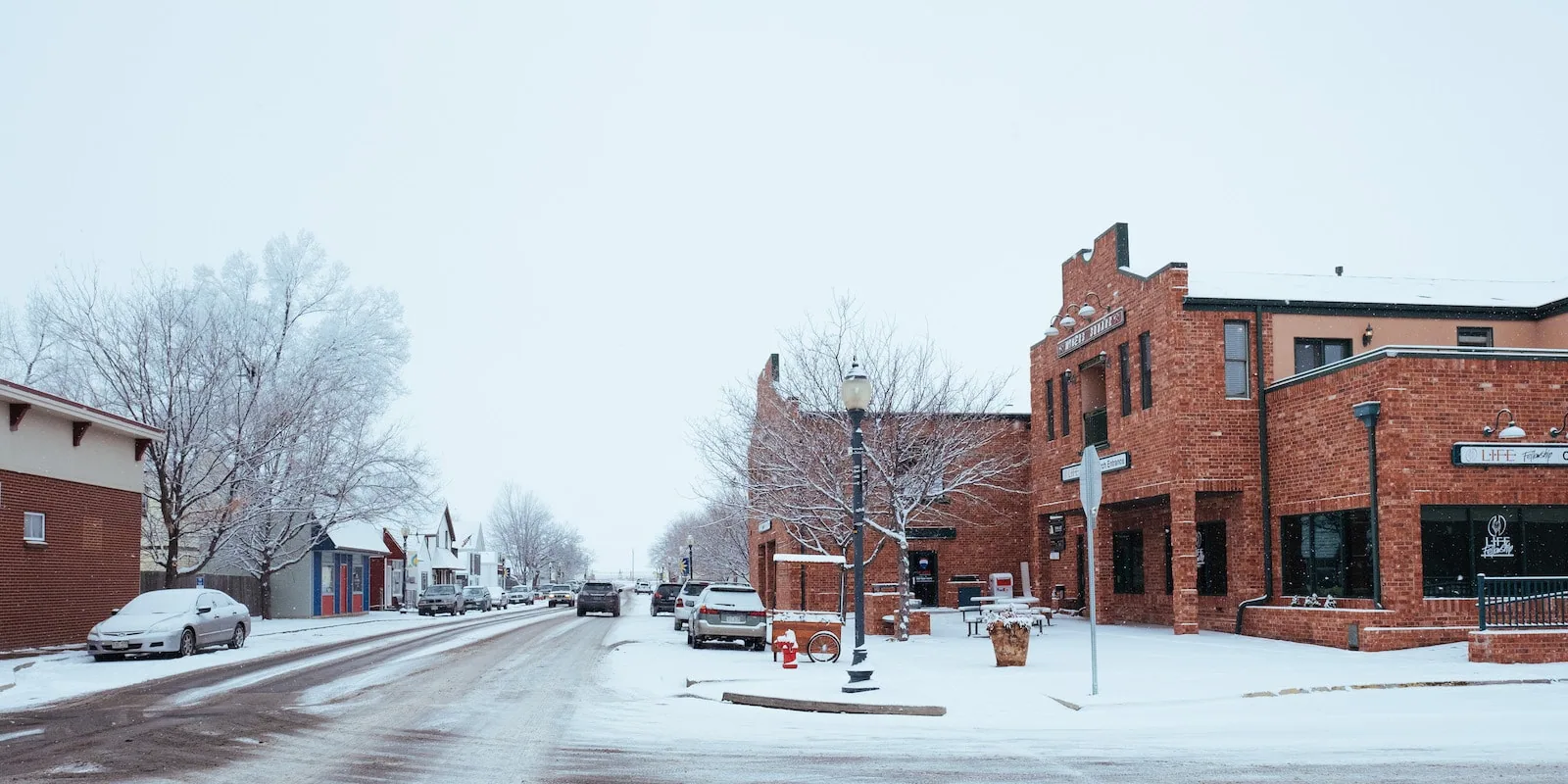
At Eagle Business Park, a post-storm visit checks each roof for visible hail effects and wind-opened details before repair quantities are set. We look for punctures, lifted edges, separated seams and blocked outlets at the Frederick property. We look for observable punctures, lifted edges, separated seams and blocked outlets, then tie photos to roof zones. If snow or unsafe access hides part of the system, the report marks it for another visit. The owner receives the observed condition and the boundary of what could be inspected.
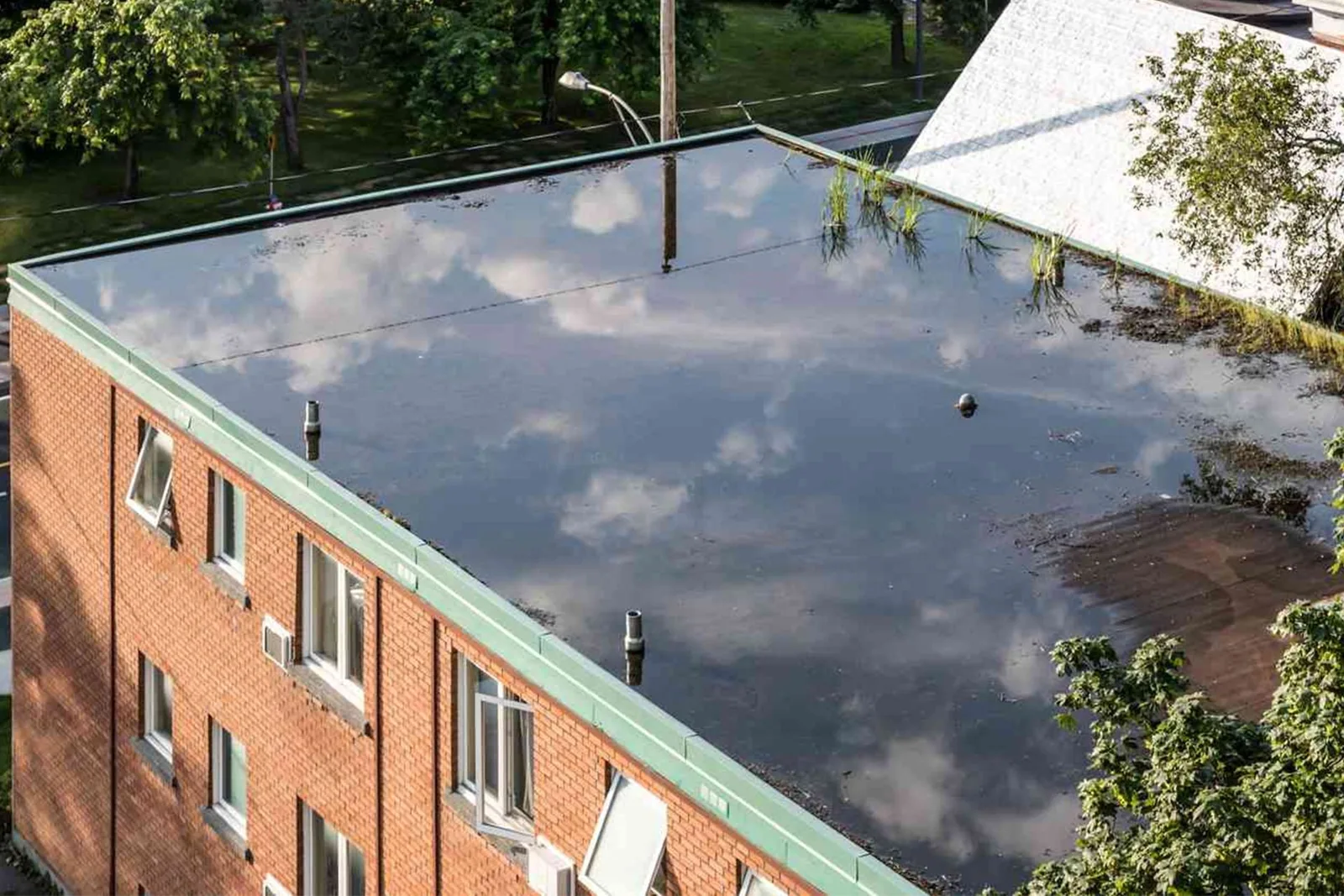
When public improvements overlap a roofing project, we confirm the applicable permit and structural review with the owner and project team. The project owner confirms permits and structural review for the proposed scope. We can document drainage, attachment and flashing at accessible locations. A drain and scupper check is useful when the complaint follows water accumulation or debris near an outlet.
No. The Town identifies an urban-renewal area and development activity, but a specific roof scope requires owner direction and a property inspection.
Yes, once the owner provides current access, safety and staging instructions. We identify how the active work affects roof entry and material handling.
It describes related off-site improvement work, not roof construction. We inspect the building and use owner records to identify the installed assembly.
Send available roof plans, repair history, access rules and timing. The inspection then confirms what can be repaired, tested or compared with replacement.
Cost is driven by measured repair area, system, layers, moisture, access, staging, protection, edge details and disposal. A limited leak may be repaired locally if the surrounding material is intact. If the roof has repeated failures or concealed wet insulation, testing can clarify whether a broader scope is justified. We state confirmed facts, remaining questions and the cost drivers for each next step.
A recover can be considered if the deck and existing layers support another assembly without trapping moisture. Replacement removes materials and may expose conditions that could not be seen beforehand, but the owner must plan for a larger work sequence. We compare those paths based on the roof inspection, not the urban-renewal designation or financing source. A replacement estimate describes work area, dry-in, staging and exclusions for the specific structure.
Frederick’s listing includes off-site improvement work related to a public works facility and a Filing 3 lot. If a roof project shares schedule or access with that activity, the property owner should supply the current coordination plan. We identify whether a change affects roofing entry, staging or the area below. A public improvement budget and a private roof scope remain separate decisions unless the contract documents connect them.
At closeout, we identify the assembly observed, roof zone, repair material, photographs, tests and items left open. We note access restrictions and the approved boundary. If conditions changed after removal, the report records the evidence and owner approval. A facilities lead can use the plan reference to compare future maintenance with the completed repair and know whether a return inspection is still needed.
Before a visit, send the affected space, roof access rules, improvement schedule, prior repairs and available drawings. Identify the site contact who can authorize work near an active construction area. We will confirm a protected route, inspect the defined area and provide a written scope. If other site work is changing access or roof details, share the latest drawing and name the contractor controlling that area. We base the roof recommendation on the building inspection, repair history and confirmed project requirements.