Commercial Roofing in Firestone, CO

Service Areas

Firestone

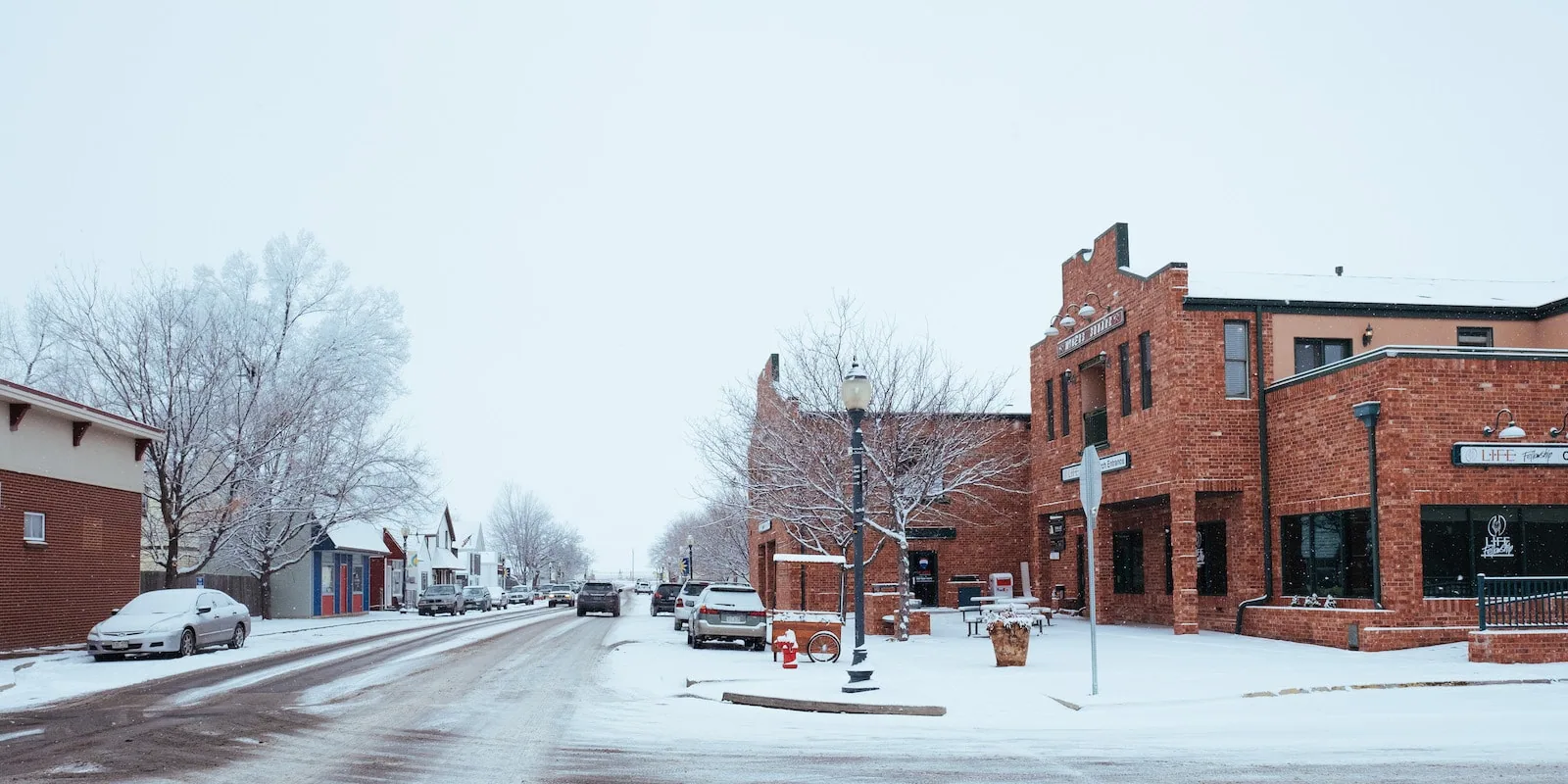
A leak or loose edge on a commercial roof in Firestone calls for a site-specific inspection before anyone chooses a repair method. The town lies along I-25 in Weld County and identifies commercial and industrial real estate among its available property types. That broad mix does not tell us what system is on a particular building. We start with the affected interior, the roof zone above it, and the records the owner can provide, then connect each observation to a practical work boundary.

At the start of a visit, we note the roof access point, surface condition, equipment locations and any limits on the work area. The owner can point out rooms with staining or odors, but we still trace those reports to the roof instead of treating an interior symptom as a diagnosis. If several conditions appear together, each gets a separate photograph and roof-zone reference. That record supports a repair decision without turning a first look into an unsupported whole-roof conclusion.

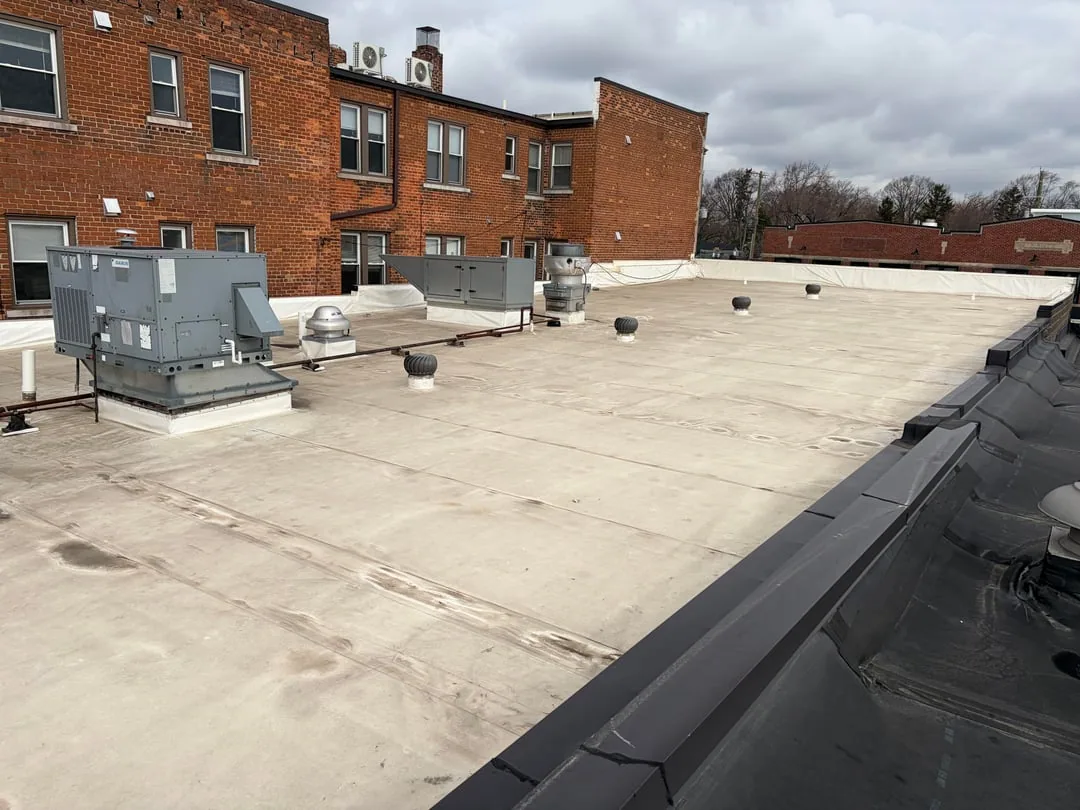
For a commercial roof inspection, the first visit should answer a focused question: where is water or movement entering, what materials are accessible, and what remains concealed? We document seams, penetrations, drains, transitions and roof edges in place. A visible stain may not sit beneath the opening, so the inspection follows the water path instead of assuming the nearest roof detail is responsible. The owner receives the finding, its limits and the next useful decision.
Trace the condition before choosing a repair

We ask when the condition began, whether it changed after weather or rooftop work, and which rooms are affected. The roof walk then follows the reported area outward. We check membrane laps or metal seams, curb flashing, drain bowls, scuppers and prior patch edges for a connection to the interior evidence. Photographs identify the inspected zone and help distinguish a confirmed opening from a clue that still needs testing.

Firestone’s development code includes commercial districts and a Light Industrial district. Zoning describes land-use categories; it does not identify the roof assembly, owner, occupancy or current project at any one property. We therefore use the property’s own submittals, warranty records and observed construction to determine how a repair can receive. A roof condition report can keep confirmed defects, inaccessible areas and suggested tests separate for the facilities team.

Commercial Roofing in Firestone, CO

Set a work boundary the owner can approve

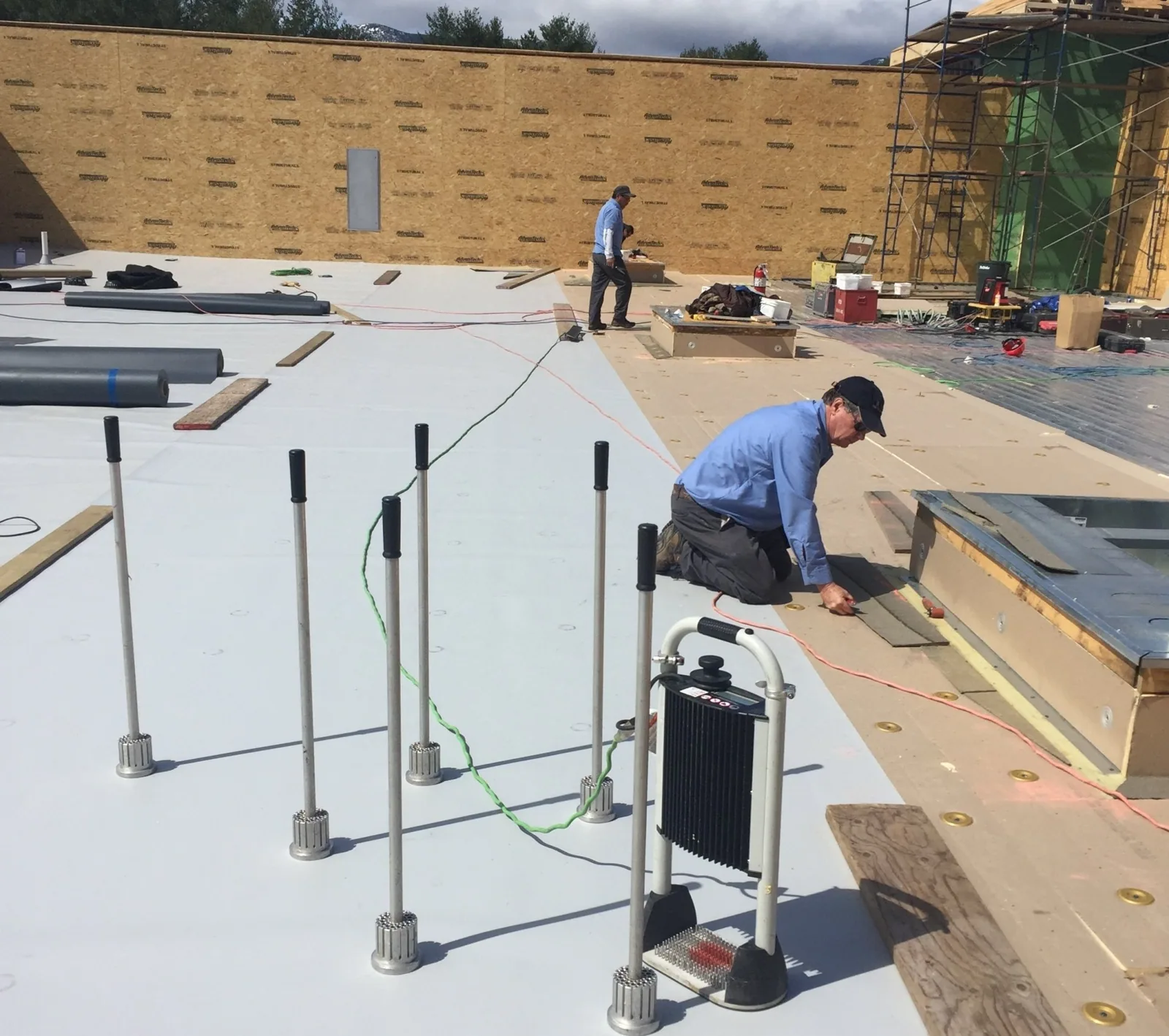
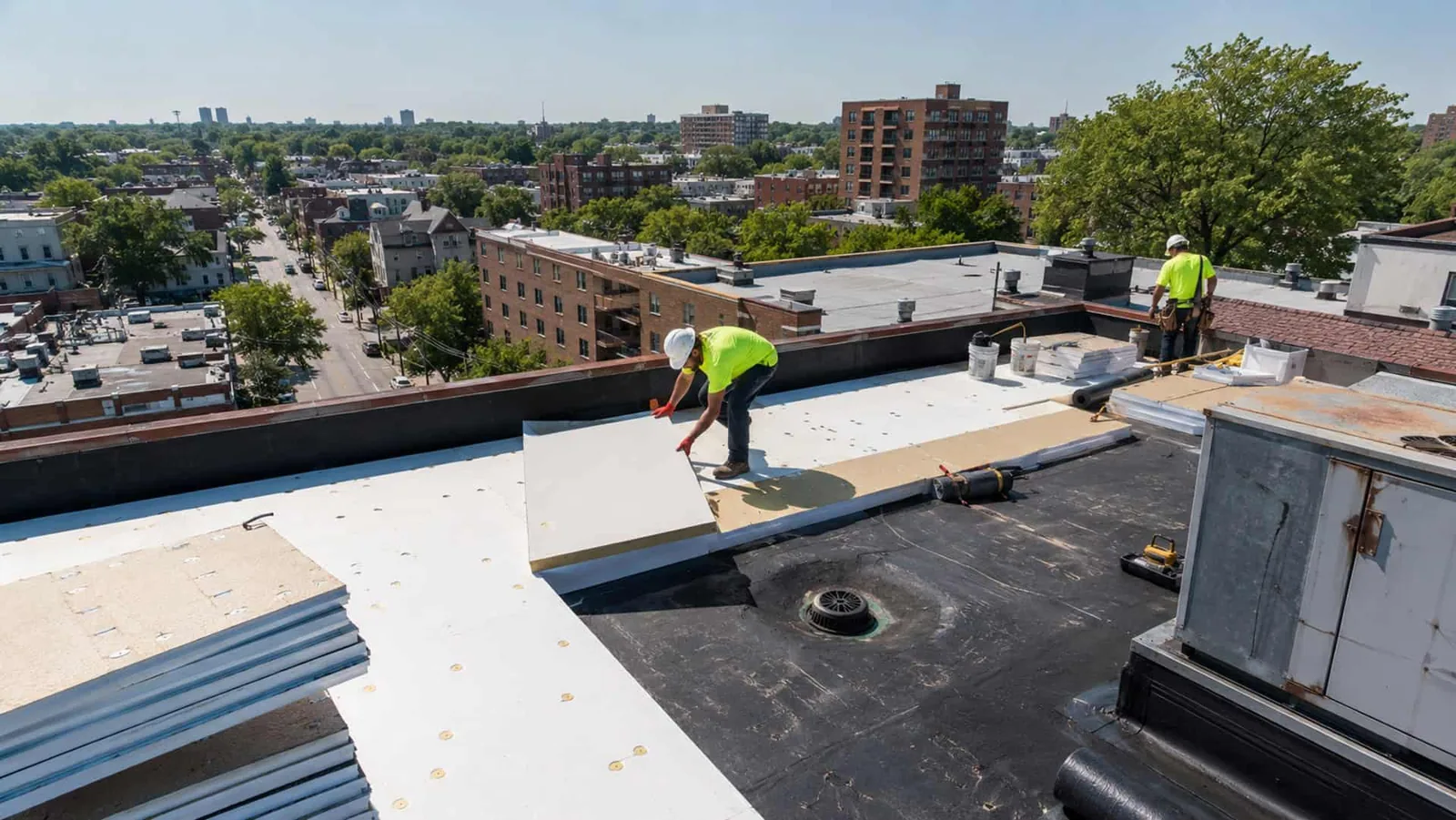
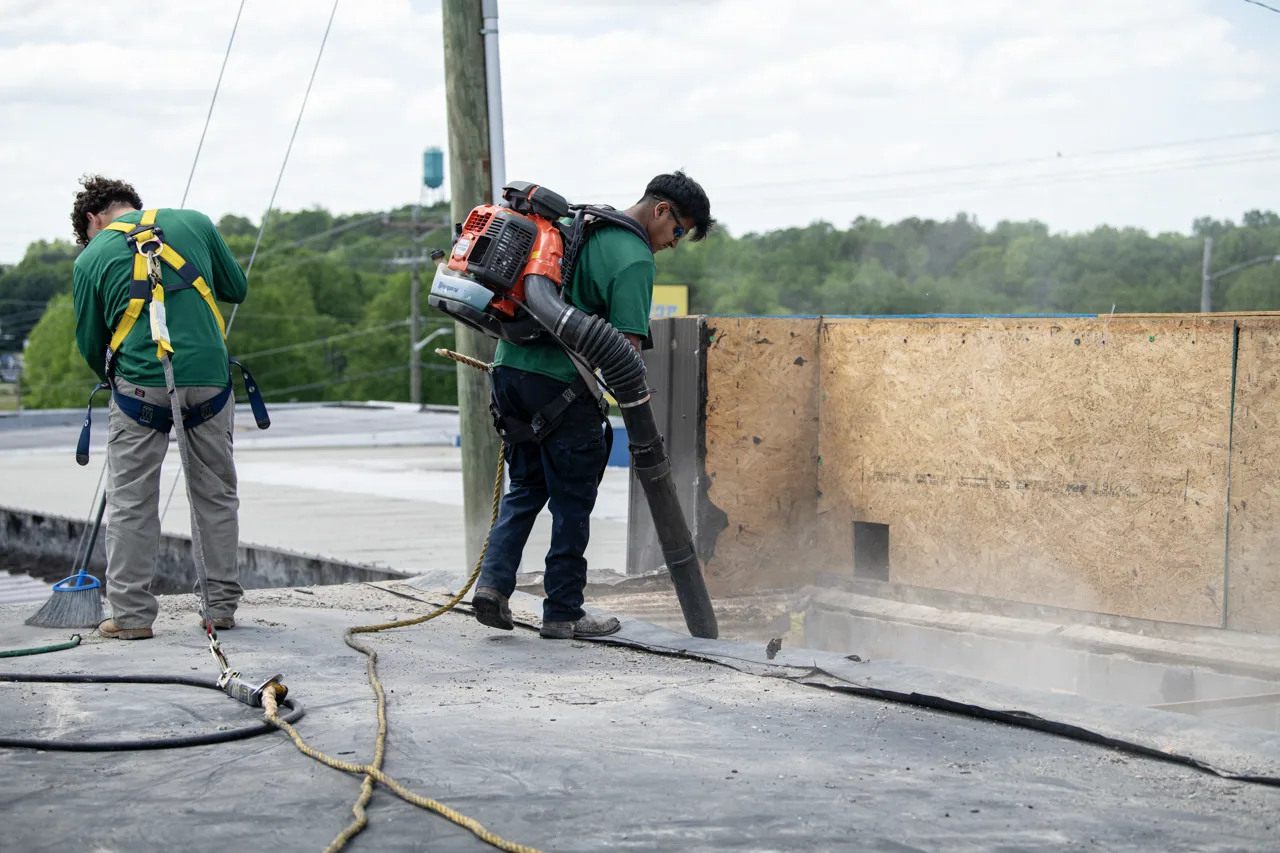
Before mobilization, we confirm roof access, fall-protection needs, staging, occupied areas and the person authorized to approve added work. Those details establish where tools and materials can move and which interior zones need protection. A written scope names preparation, repair materials, tie-in approach, dry-in point, cleanup and closeout. The crew works only within the approved boundary, then records any concealed condition that changes the original quantity.

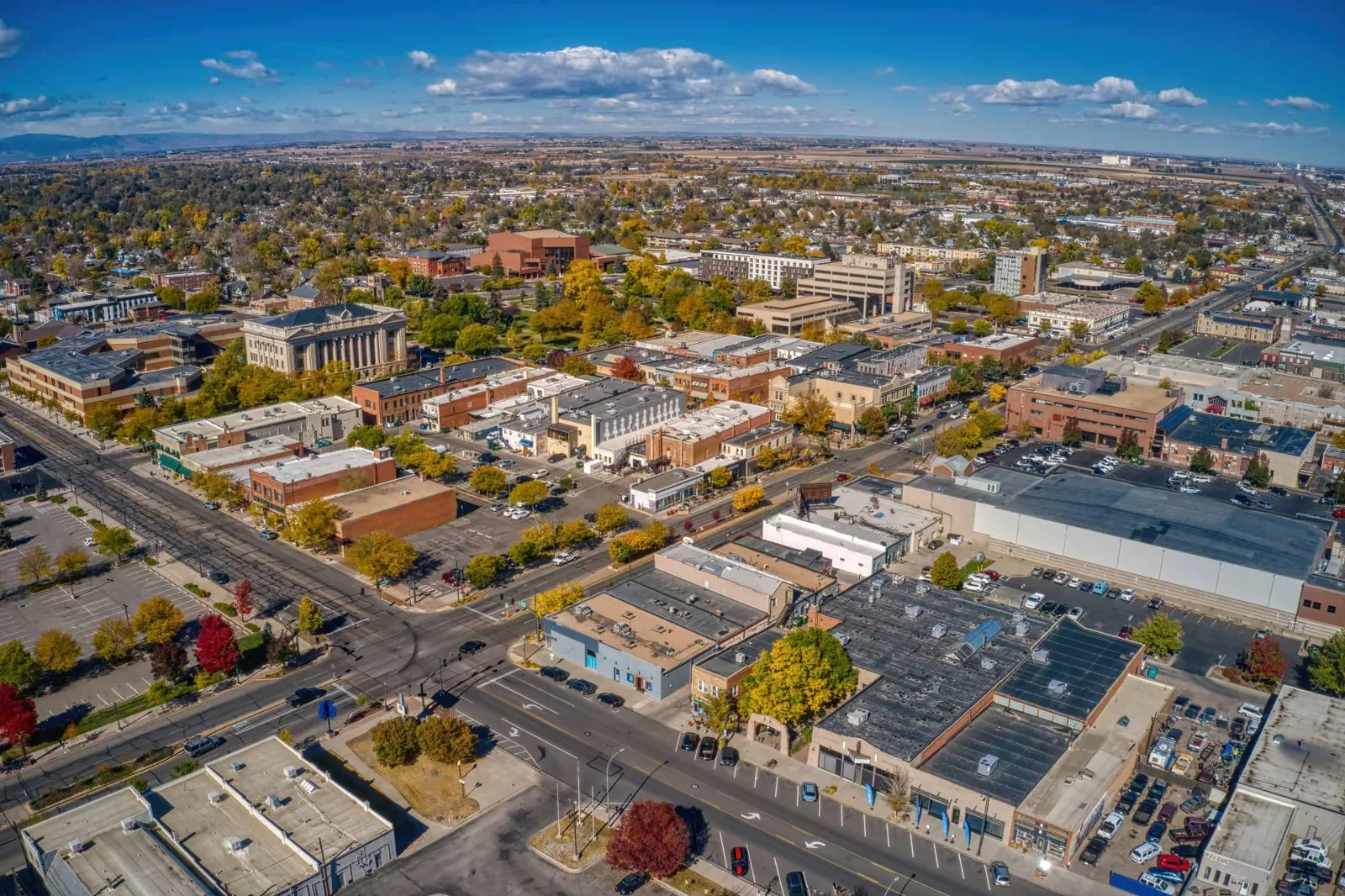
For a separate commercial assignment in Downtown Frederick, the same discipline applies without carrying one property’s assumptions to another. We verify the roof assembly, access and approval path independently, then set its own removal limits and closure points. If an owner coordinates work across multiple properties, a shared delivery or staging plan can reduce avoidable handling only when the sites permit it. Each roof still receives separate photographs, quantities and closeout notes.

If the inspection confirms a limited opening with sound surrounding material, commercial roof repair may be the practical route. If active water entry requires immediate containment, emergency roof protection can address the urgent condition while a permanent scope is developed. Temporary work and final restoration remain distinct; the closeout notes what was secured and what still needs a durable correction.

Use regional weather as a scheduling input

Firestone’s location in Weld County makes regional wind, snow, heat and storm conditions relevant to access planning, but weather information from another station does not establish conditions on a particular roof. We check the actual surface and current forecast before opening an assembly. Moisture, temperature and wind can affect safe access, adhesive handling and how much area can remain exposed during a shift. If the surface is not suitable, the crew keeps the opening within a closeable boundary and resets the sequence.

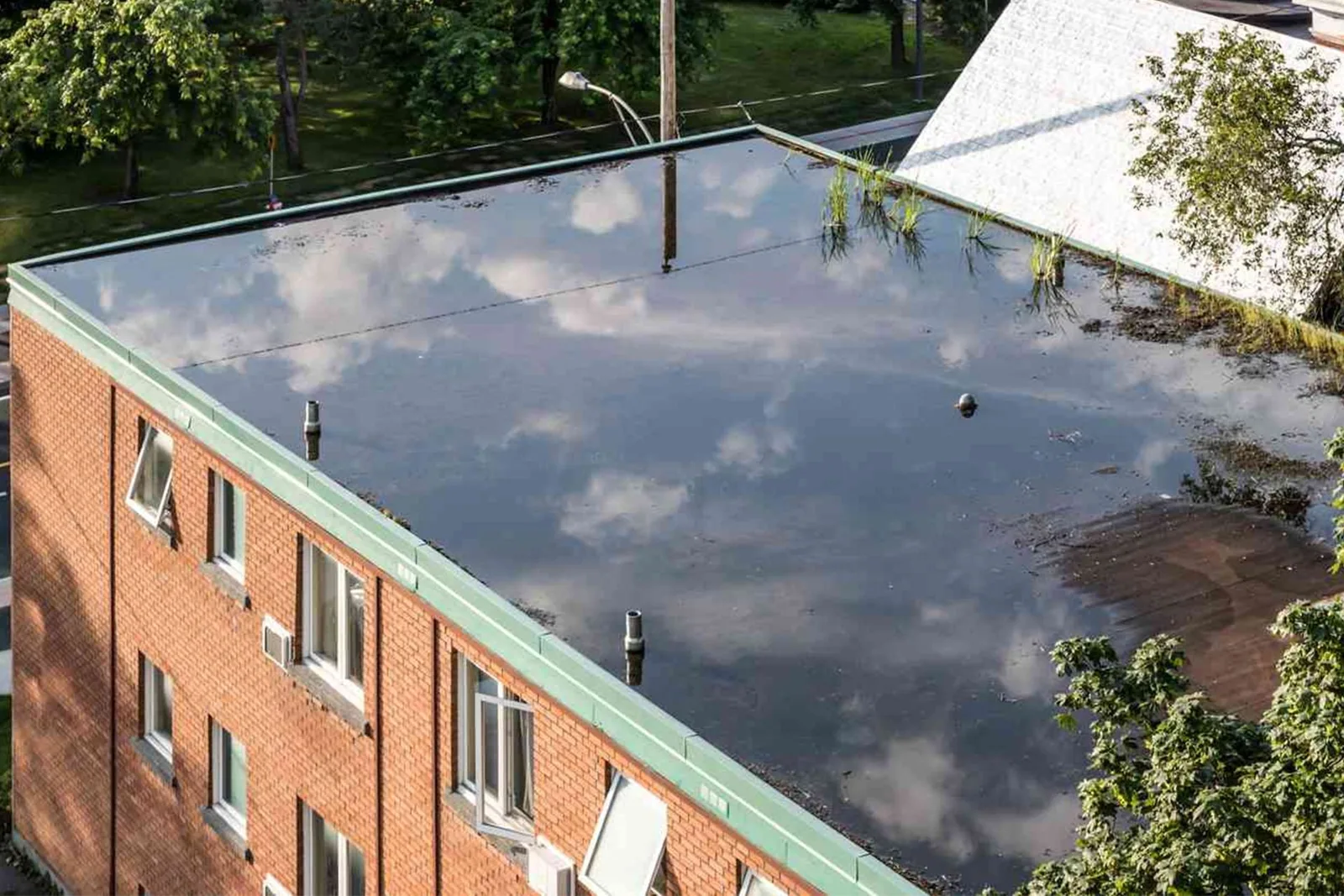
After a storm report, inspection still begins with the building evidence: lifted edges, punctures, displaced metal, blocked outlets or debris. An area covered by snow, standing water or equipment is documented as a limitation instead of being treated as cleared. The owner can then decide whether to authorize another access window or a closer examination. A drain and scupper assessment is useful when the reported concern follows retained water or a discharge point.

Commercial Roofing in Firestone, CO

Commercial Roofing Questions

What information helps plan the first inspection?

Share the affected interior or roof zone, when the condition began, access restrictions and any roof plans or prior repair records. Those details help us choose the first areas to inspect. If access requires an escort or lift, include that detail when scheduling.

Does Firestone zoning identify my roof system?

No. Zoning categories describe permitted land uses. The roof system and its condition need to be confirmed from property records and inspection.

When is testing useful before a repair?

Testing is useful when concealed moisture, attachment or material condition could change the repair boundary or make a local tie-in unsuitable. We define the question before opening the roof.

Can maintenance help after a repair?

A dated maintenance visit can review the repaired zone, drains, seams and penetrations. The record helps distinguish a recurring issue from a new condition elsewhere on the roof.

Compare repair, restoration and replacement on evidence

Price depends on measured roof area, system, layers, moisture, edge geometry, access, protection and disposal. A small defect can support a local correction only when the receiving surface is sound and the surrounding assembly remains suitable. Where concealed moisture or widespread separation could change the result, we identify the test and the decision it will settle before expanding removal. The proposal keeps that investigation distinct from the permanent work it may support.

A recover can make sense only when the existing assembly and structure can accept another layer and moisture will not be trapped. Replacement changes more of the assembly and can expose hidden conditions, so it requires a larger staging and protection plan. We compare those paths using observed construction, not a zoning label or broad property category. Planned roof maintenance can also establish a dated baseline for drains, seams, penetrations and completed repairs between capital decisions.

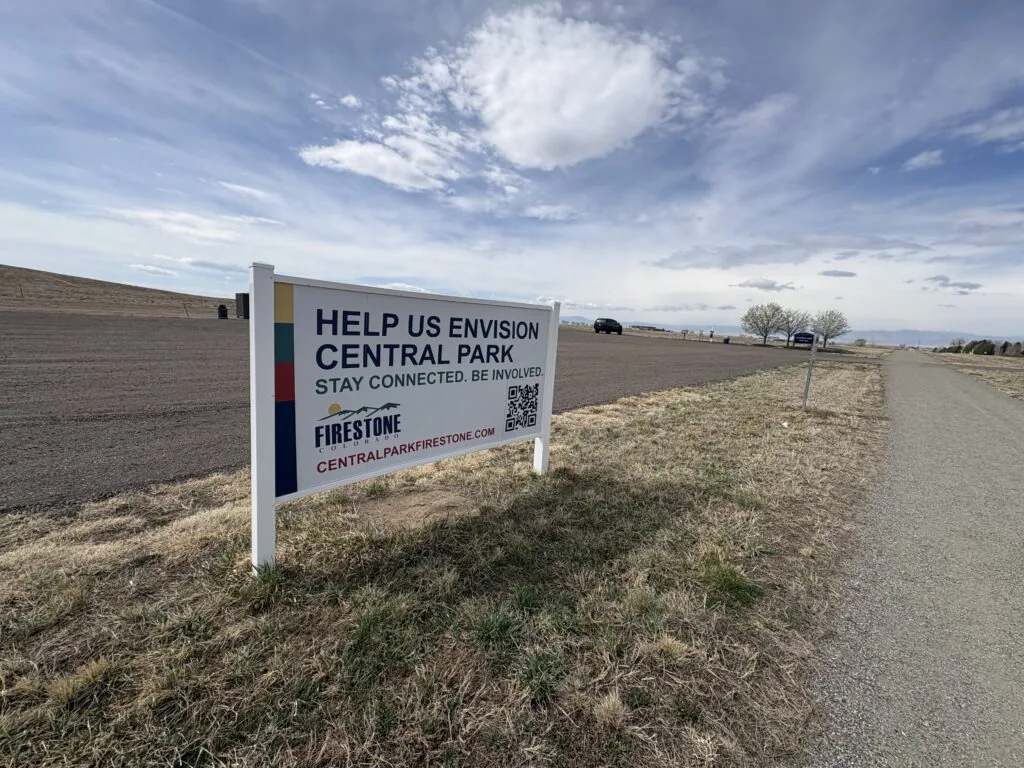
The town’s adopted-plan listing includes the Firestone Master Plan with a 2025 amendment and other area plans. Those documents provide planning context rather than roof-condition evidence or a funding determination for a private property. For work within the Central Firestone District, we still establish the actual building access and owner-approved scope before scheduling.

Commercial Roofing in Firestone, CO

Leave a useful record for the next roof decision

Closeout should connect each repair to its roof zone, materials, photographs and date. We note the water path considered, the preparation completed, any limits to access and the condition left for later work. If a test opening revealed another layer or moisture condition, the record identifies the approved change and its boundary. A concise file helps the next facilities review compare later observations with what was actually repaired.

When a larger project is warranted, commercial roof replacement planning starts with the same measured information: roof plan, system, edges, drains, penetrations, staging and occupied-area controls. Share the affected room or roof zone, timing, access rules and available records before the first visit. We can then focus the inspection on the condition that matters and return options sized to the building rather than assumptions drawn from the town’s land-use map.

Related Roofing Work

Plan a commercial roof inspection in Firestone

ServicesRoof SystemsIndustriesProperty TypesService AreasDamage RepairCapabilitiesManufacturersAboutRequest a Roof Assessment555-555-5555
Call555-555-5555