Does grade-separated interchange work mean roads are closed today?
The notice describes project improvements, not live traffic conditions. We verify current routes, closures and property access with the owner before scheduling.

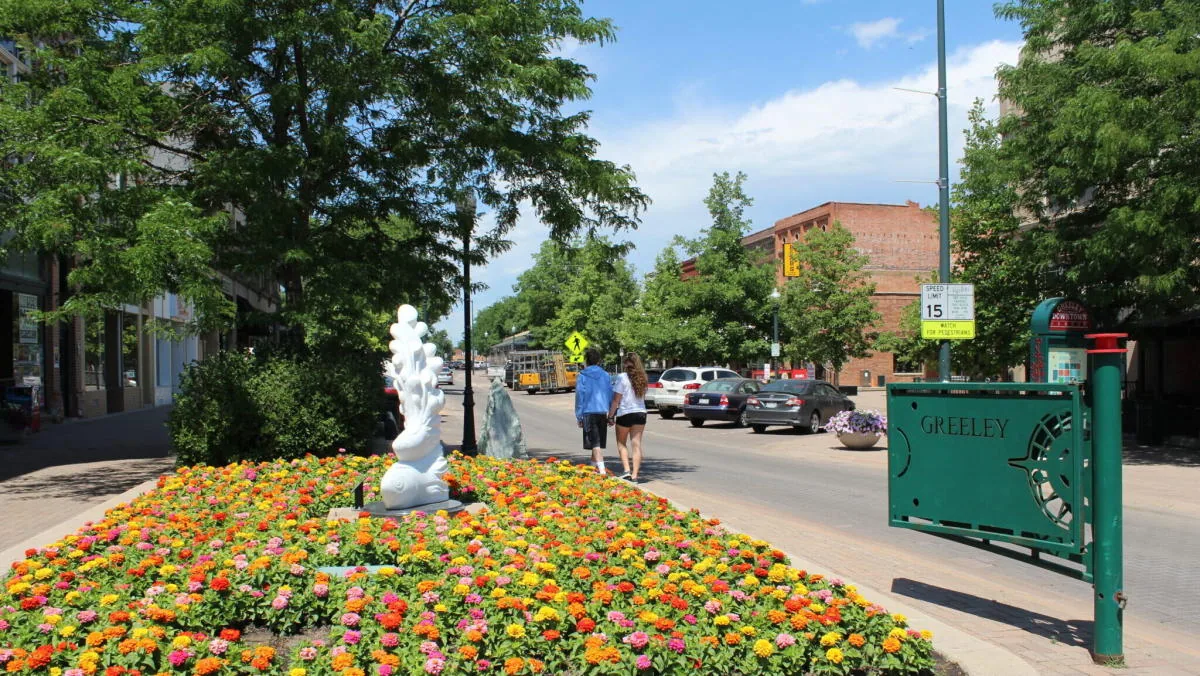
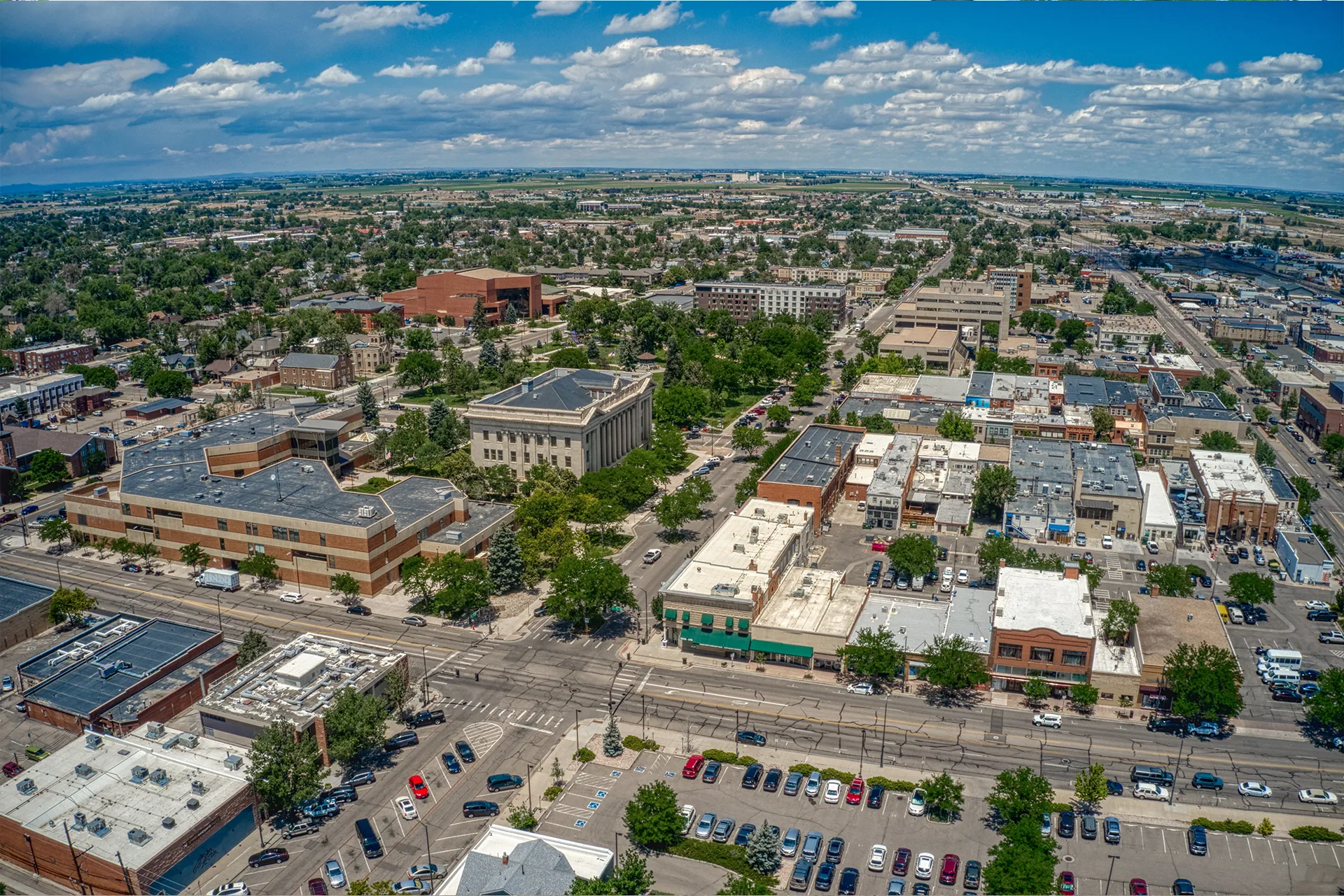
A roof visit near Greeley’s U.S. 34 interchanges should begin with the property contact and a clear route to the roof. The City’s 2025 public-meeting notice identifies grade-separated interchange work at 35th and 47th Avenues as part of MERGE. It says the project is designed to improve safety and travel for drivers, pedestrians and transit riders, and identifies a planned Centerplace mobility hub linking Greeley with northern Colorado communities. The property contact confirms the current entrance, staging area and operating limits before a roof inspection.
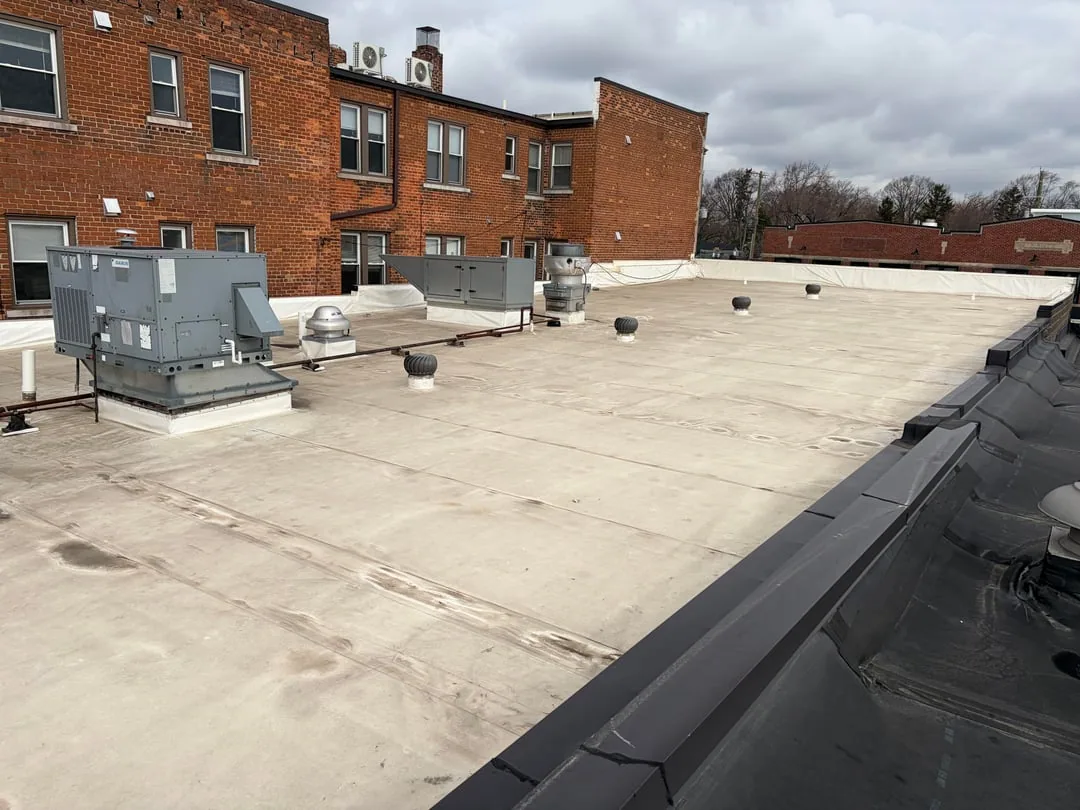
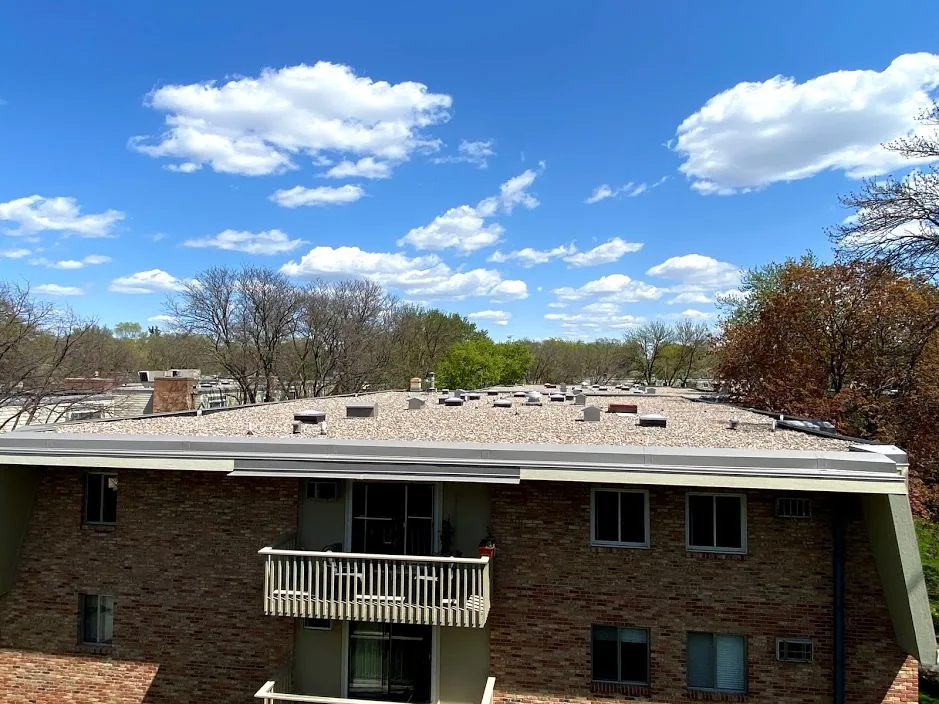
We inspect the assembly, drainage, flashing and edge details around the reported area. A site representative identifies any occupied space or pedestrian route requiring protection. The first visit can focus on one leak or establish condition for a planned repair. A commercial roof inspection grounds the recommendation in the specific roof.
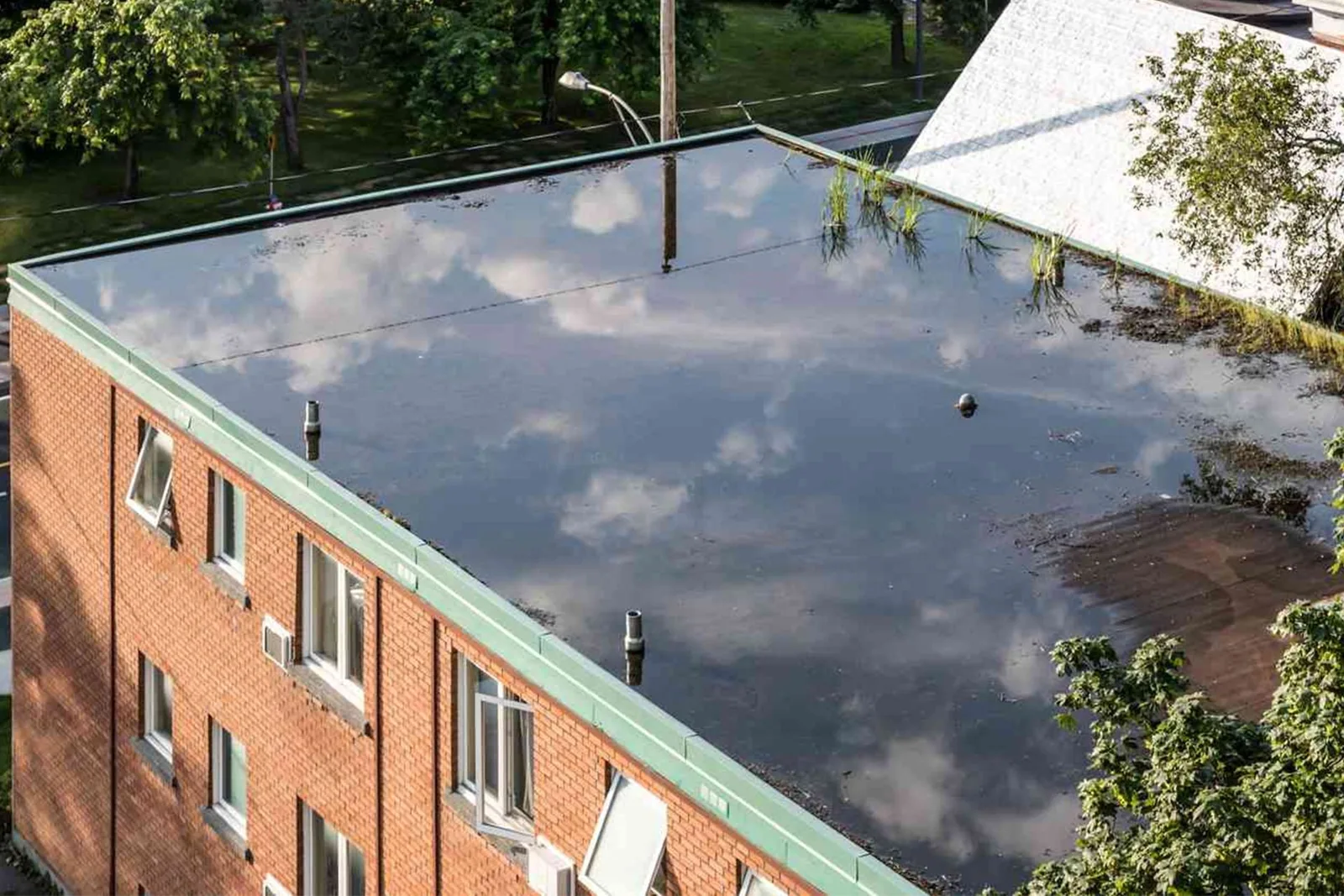
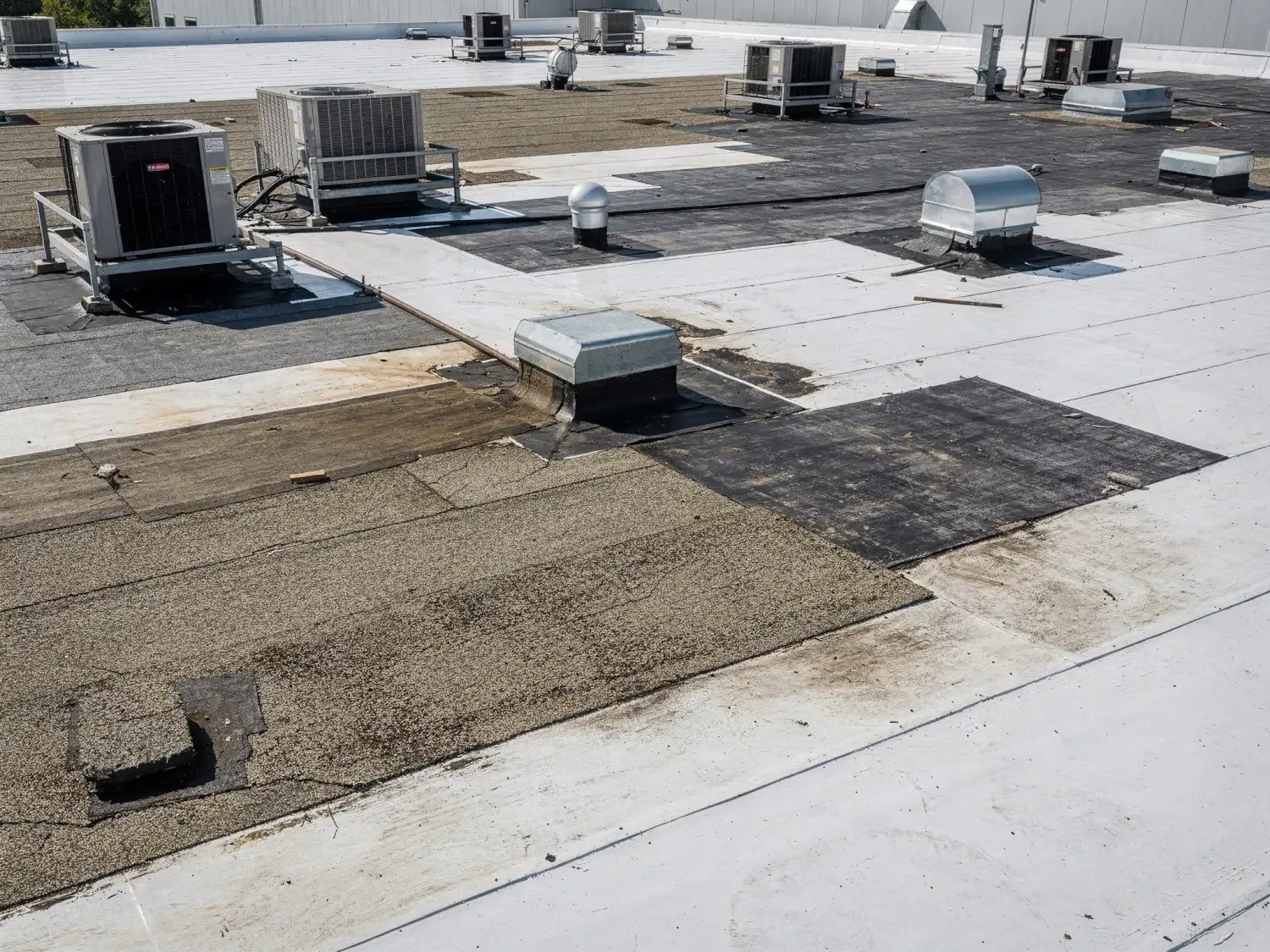
We ask which room is affected, when water appeared and whether equipment or other trades have changed the roof. Water can move laterally under membrane or insulation, so we inspect the area above and nearby seams, drains, curbs, penetrations and perimeter details. Photographs identify each observation by roof zone. If the visible condition does not establish the cause, the report states what test or access could resolve it before the owner approves a larger scope.
We compare building plans, warranty records and previous repair notes with roof materials visible at the property. A roof condition report distinguishes confirmed defects from areas that remain concealed or were unsafe to inspect. The facilities contact can use it to set priorities without treating a corridor plan as a building assessment.
If water is entering now, temporary roof protection can limit further exposure. We record its boundary and whether a permanent repair still requires drying, removal or a test opening. The owner receives the next action for the roof and any space below it, with temporary work separated from permanent correction.
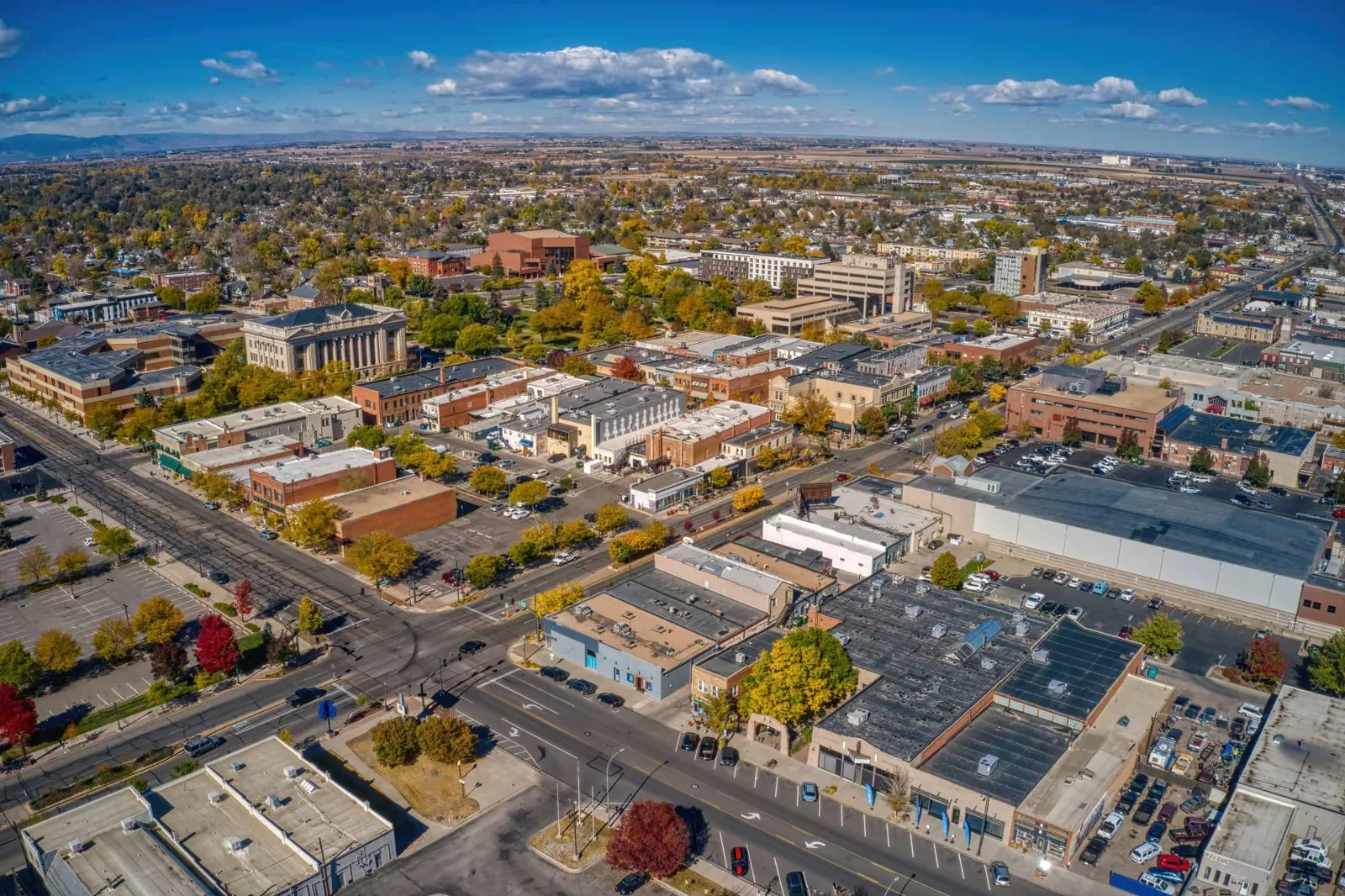
Before arrival, we verify the approved driveway, staging area, roof-entry method, lift placement and work hours with the owner. Grade separation is planned at 35th and 47th Avenues; the project notice does not say which routes are open on the day of a roofing visit. The site contact confirms current traffic control, delivery limits and any pedestrian access requirement. We do not assume that a route described in a public plan is available to a crew.
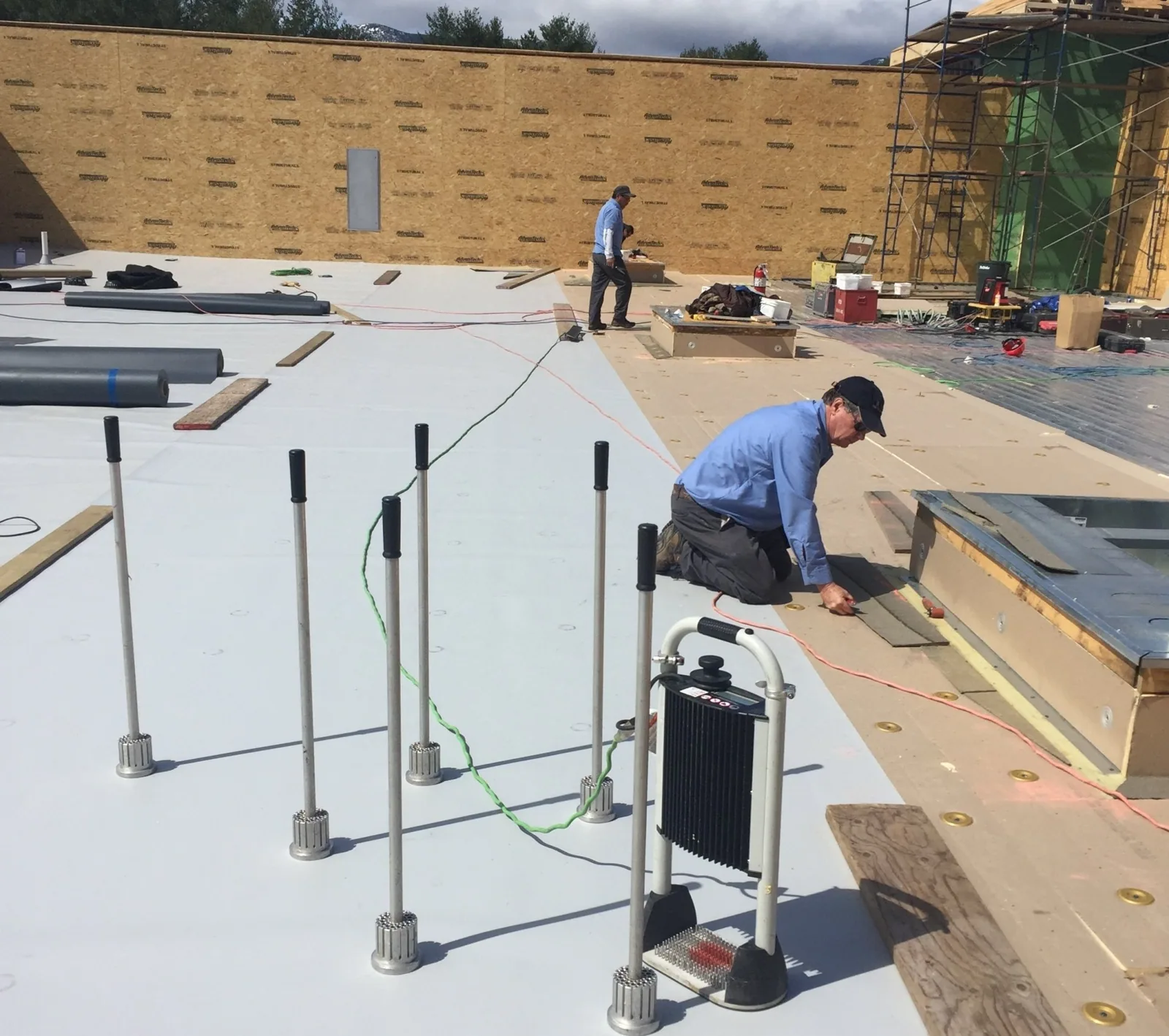
The scope lists preparation, compatible materials, tie-in, protection below, daily dry-in and closeout. We remove only authorized roofing, protect drains and keep debris contained. If opening the assembly exposes wet insulation or an unexpected second layer, we pause at the agreed boundary, photograph what changed and ask for direction. A targeted roof repair remains separate from additional testing or full replacement until the owner approves it.
When work must stay clear of a customer path or transit access, the building manager sets the protection zone and identifies who maintains it. The Centerplace mobility hub is a planned regional link, but it does not establish current property use. A separate roof visit in the U.S. 34 Business corridor or the 23rd Avenue area receives its own access instructions and inspection notes.
Temperature, snow, precipitation and wind affect access and installation; we check surface conditions at the building before work. We check surface moisture and temperature at the building, then follow the selected product’s installation limits. Heat can alter handling time; a damp surface may prevent reliable adhesion. The work boundary should be small enough to protect and close before weather or site conditions change.
For a U.S. 34 property, a hail or tornado report starts an inspection request; the crew documents only roof conditions it can observe.S. 34; we document damage only when it is visible at the property. We inspect visible membrane, metal edges, flashing and drains after the owner reports a concern. Photos mark impact or displacement where found, and the report lists any area the crew could not reach. If snow or ice makes the roof unsafe, the inspection resumes when access is suitable.
For roof work near a public path, the property contact identifies barriers, entrance protection and material movement needed below the roof. A drain and scupper check can document how water leaves the inspected zone after rain or snow. Permit and structural requirements for a larger roof project should be confirmed with the responsible authority.
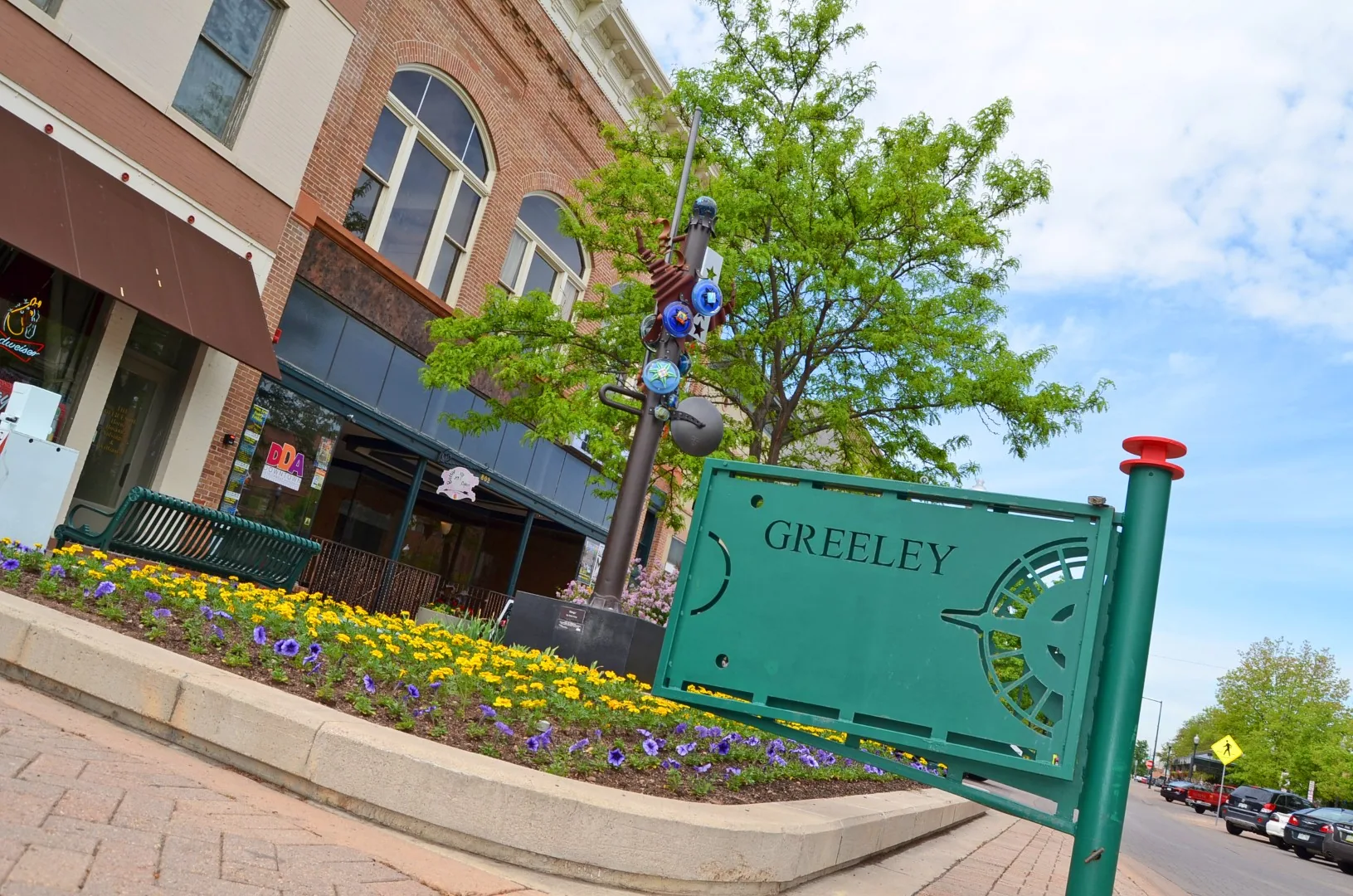
The notice describes project improvements, not live traffic conditions. We verify current routes, closures and property access with the owner before scheduling.
The City describes it as a planned regional mobility hub. The property contact confirms whether any current construction or access rule affects the inspected building.
The site manager identifies active paths and approves a barrier. We plan material movement, debris control and overhead protection around those specific areas.
No. We inspect the actual roof, photograph visible conditions and mark any zone that could not be reached. The recommendation follows property evidence.
Cost depends on the measured work area, roof system, layers, access, moisture, protection, edge conditions, staging and disposal. An isolated failure can support a focused repair if surrounding materials are sound. Multiple leaks or wet insulation that extends beyond the surface can require testing before a wider proposal is considered. We describe the evidence, uncertainty and decision attached to each option.
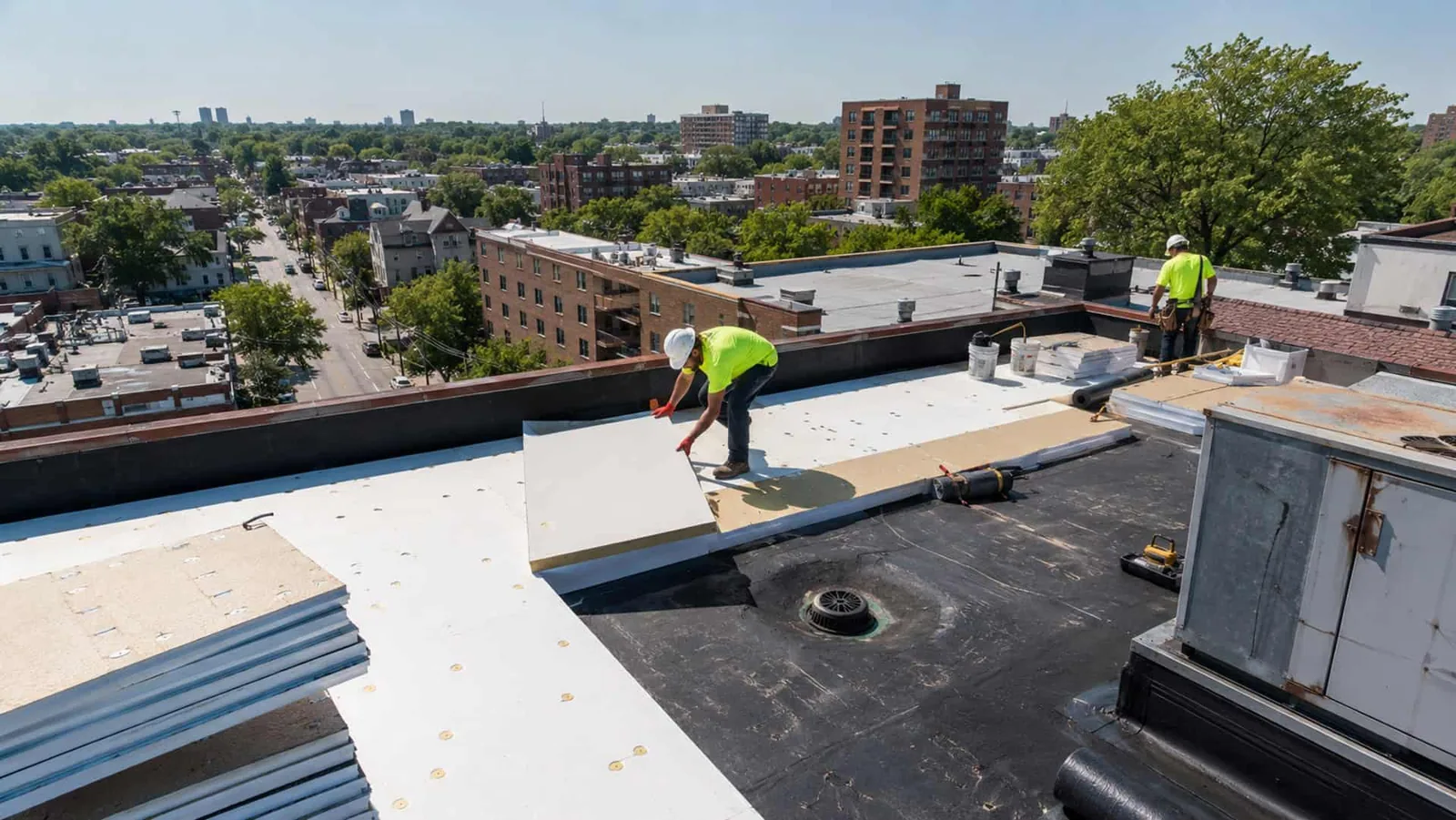
A recover may be appropriate where the deck and existing assembly support another layer without trapping water. Replacement allows concealed materials to be addressed but has a longer sequence, more removal and greater effects below the roof. We document the access route, daily dry-in, tenant protection, work hours and exclusions. A replacement comparison should follow roof measurements rather than the scope of transportation construction.
Where rooftop equipment must remain in service, we confirm any approved shutdown and recheck curb transitions after other trades finish. If a planned interchange change affects a property’s delivery route, the owner can provide the updated access plan. We list conditions that may require a revised crew arrival or staging decision. The mobility hub’s regional purpose is separate from the building-level decision about roof assembly, repair boundary and budget.
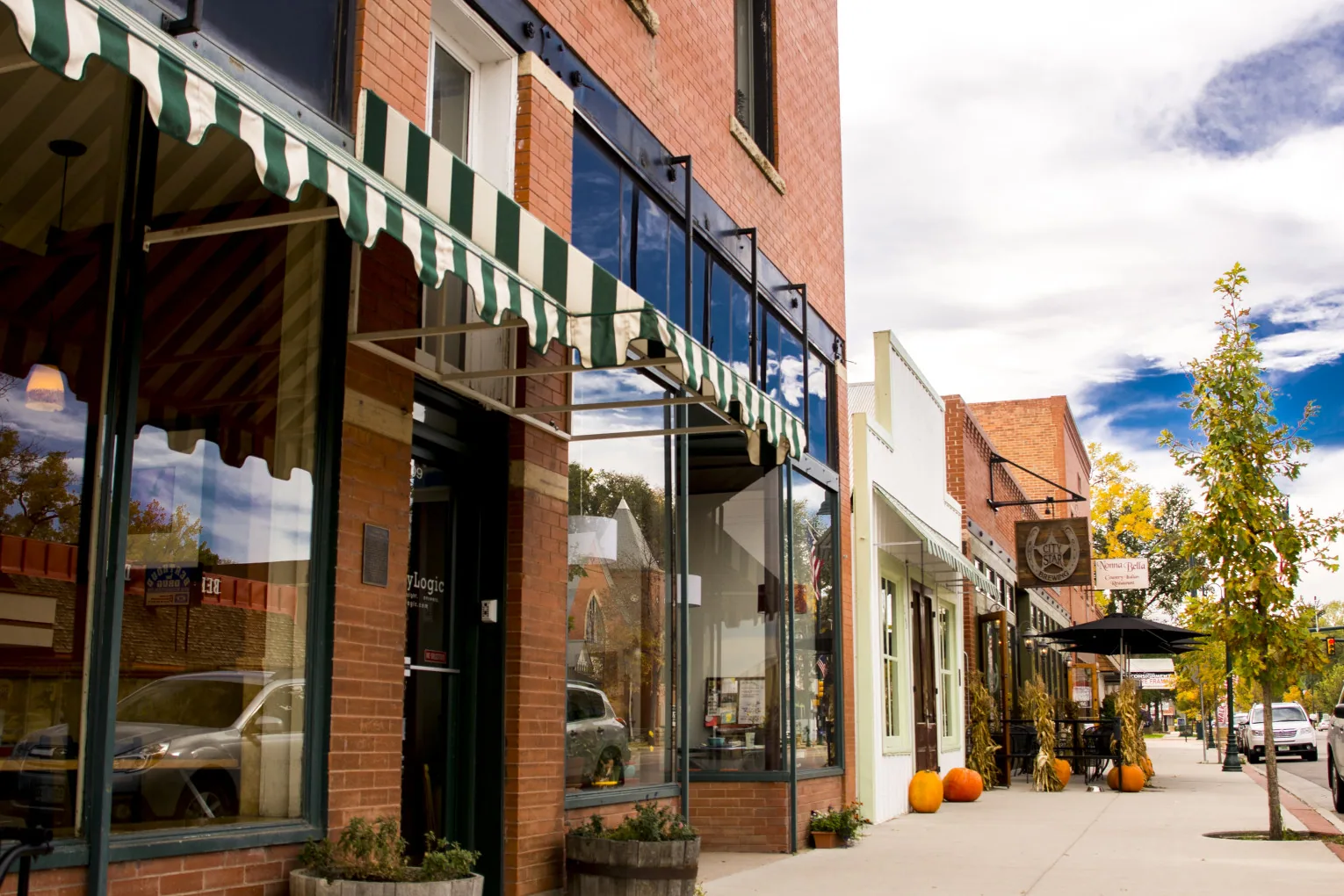
Closeout records the system observed, roof zones checked, work completed, installed materials, photos and outstanding tests. We identify limited access, including any area blocked by equipment or weather. If the repair changed after removal, the owner receives the evidence and approval record. That document can help the facilities team compare later leaks with the completed work without relying on a roadway plan for roof details.
Send the affected space, timing, previous repairs, site contact, current access instructions and available drawings before the visit. Identify who may authorize testing and who controls the pedestrian protection area. We will verify the route, inspect the defined roof zone and return a repair or renewal scope tied to the building. If transportation work affects crew arrival, the property contact confirms a current route before mobilization.
The closeout can also identify any agreed route or staging change made during the visit. A future crew can confirm that arrangement with the property contact before mobilizing, while the inspection record stays tied to the roof zones completed.