Can the facility remain open while roof work proceeds?
We coordinate gate access, drive aisles and affected buildings with management. Areas outside the active roof section can remain accessible when the safety plan allows.

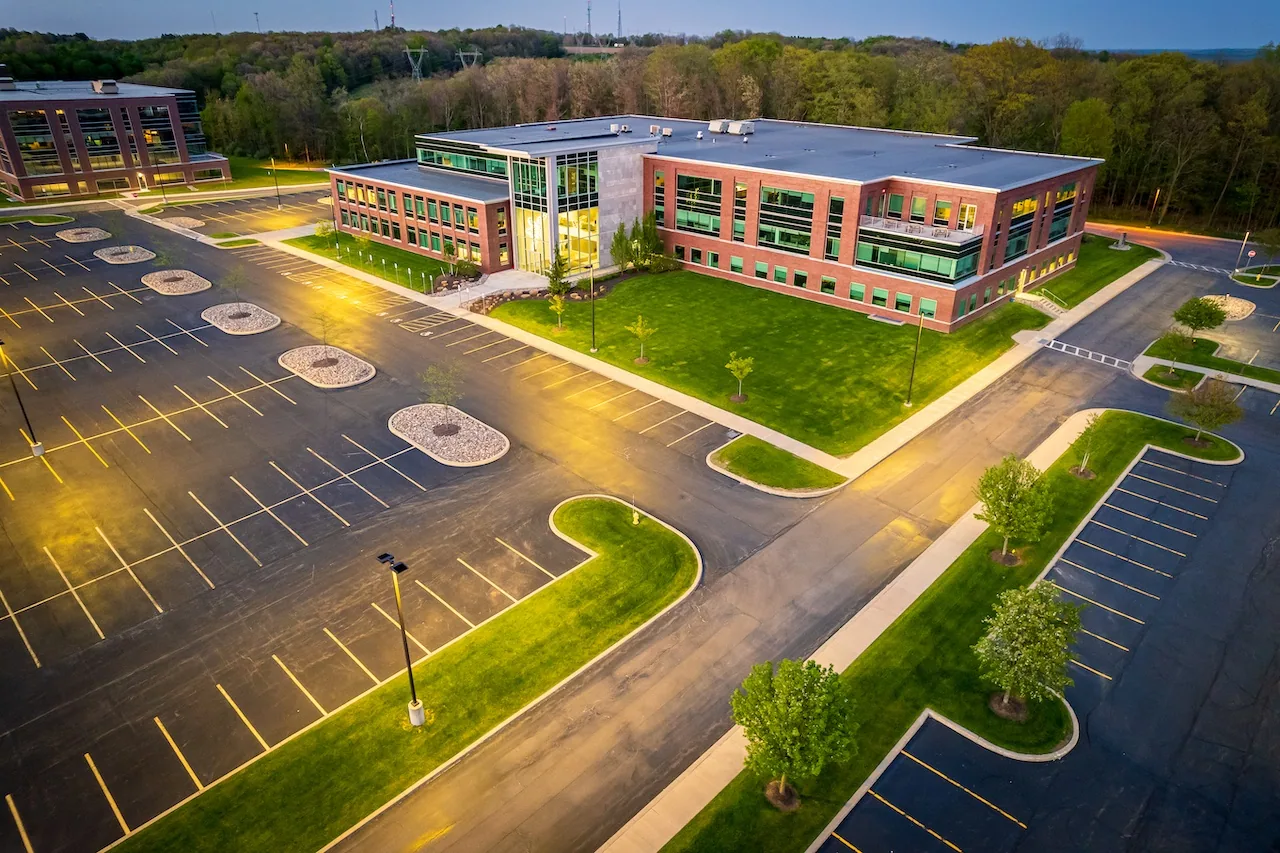
A leak over a storage corridor or unit can put a customer’s belongings at risk before the manager knows which roof section needs attention. We locate the report, identify the unit row or common area and inspect the roof zone, drains, seams, penetrations and edge details above it. The report ties photographs to a building map and states which area needs temporary protection. Greeley’s Highpointe Business Park contains a mix of light and medium-industrial properties, and Great Western Industrial Park is a major planned industrial area; those facts add local commercial context, not assumptions about any storage roof.
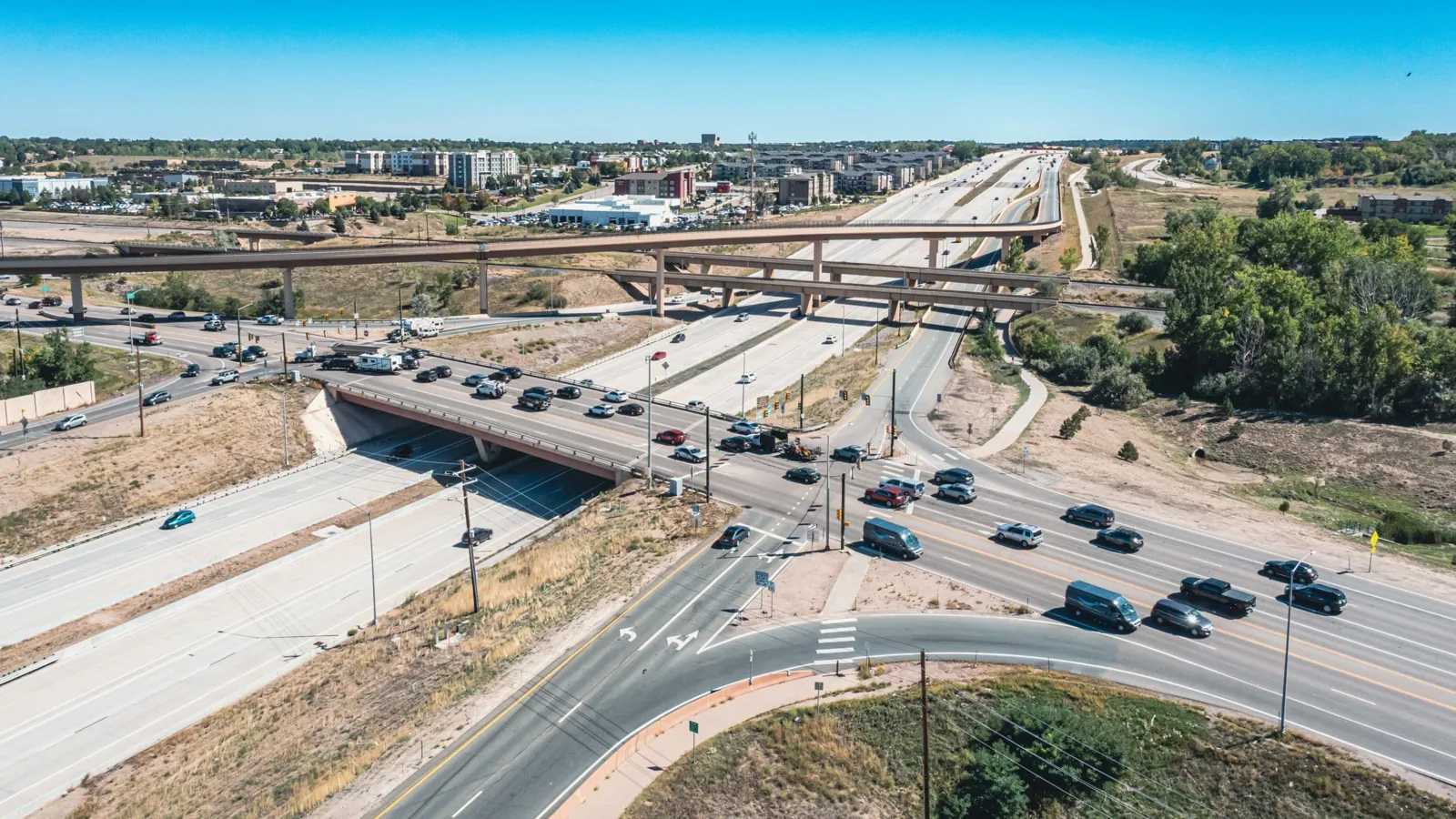
Storage sites may have several buildings, drive aisles, gates and access hours that affect material delivery and tenant movement. We confirm the approved service route, gate procedure, customer hours and who can authorize a temporary unit closure. The Highpointe Business Park and U.S. 85 Business Corridor represent different local settings; property management controls the actual staging and access plan.
We record the unit or corridor where water appeared, the date and any known weather or maintenance activity. The roof inspection follows the likely route through seams, drains, penetrations and wall joints, then checks nearby repairs and low points. A stain can sit away from an opening, so we do not treat one unit report as proof that water entered directly overhead. Each finding receives a building and roof-zone reference the manager can match to a site plan.
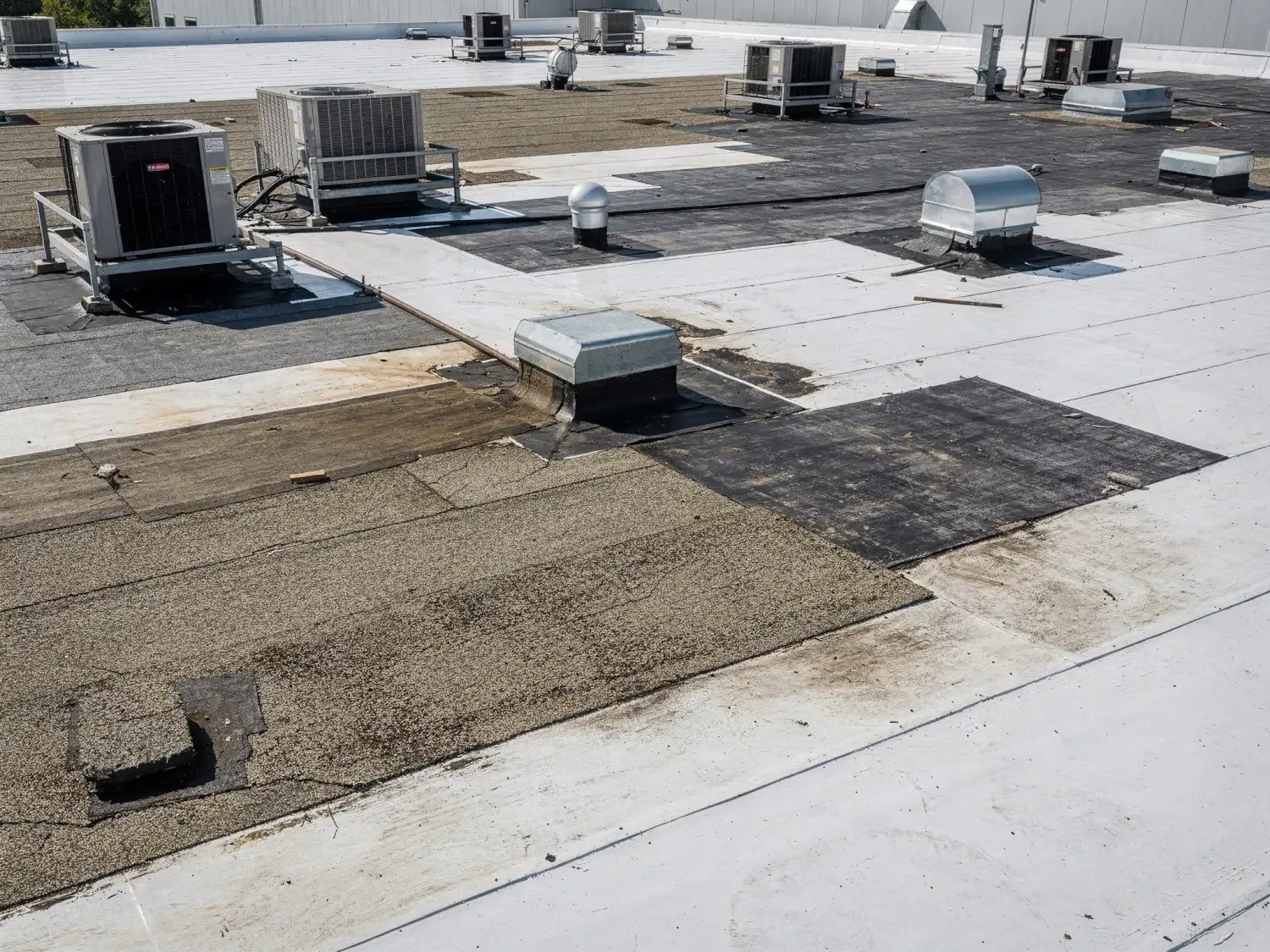
Where a property has multiple building types, we inspect each assembly independently and note visible differences in drainage and attachment. We check roof edges, fastener rows, membrane transitions, equipment curbs and areas where debris may collect. If water may be inside the assembly, moisture mapping or a test opening can help define a repair boundary. The manager can then determine which customer needs notice and whether goods should be moved before work starts.
Storage operators may have separate access rules for office areas, climate-controlled buildings and exterior unit rows. We ask management which spaces are served by the reported roof section and whether the customer can safely reach belongings during work. If a unit must be cleared, that decision belongs to the owner and customer; our scope identifies the roof activity and the time a barrier is needed. We note any access limit beside the roof finding so the next inspection does not assume the unit was available.
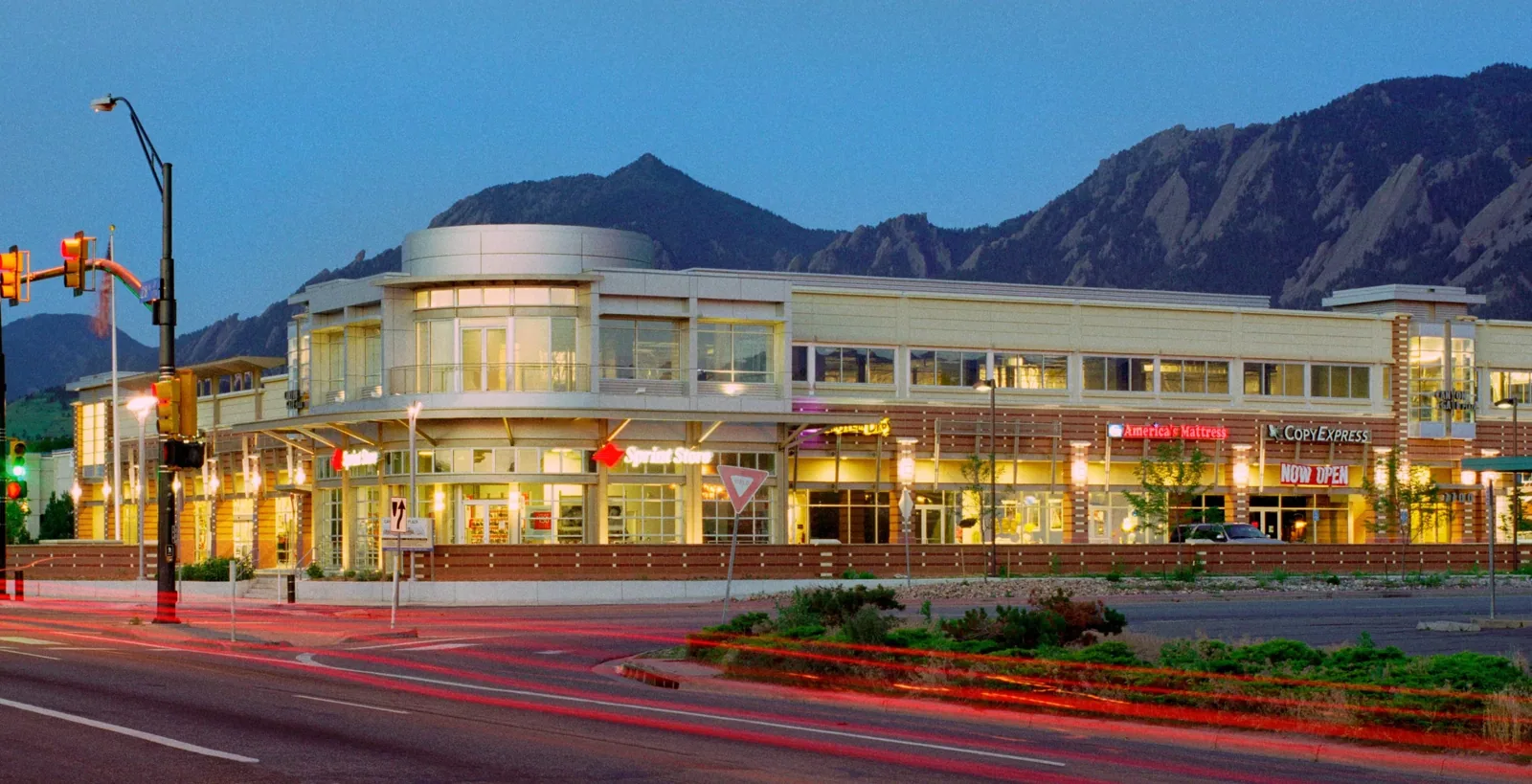
Before mobilization, we confirm gate codes, site check-in, delivery times, drive aisles, fire lanes and the approved roof access point. The manager identifies which unit doors or corridors need to remain available and how tenants will hear about a temporary closure. We stage lifts and materials away from access lanes, then set barriers under active roof work. If a unit must be entered or cleared, management coordinates with the customer before the crew changes the building boundary.
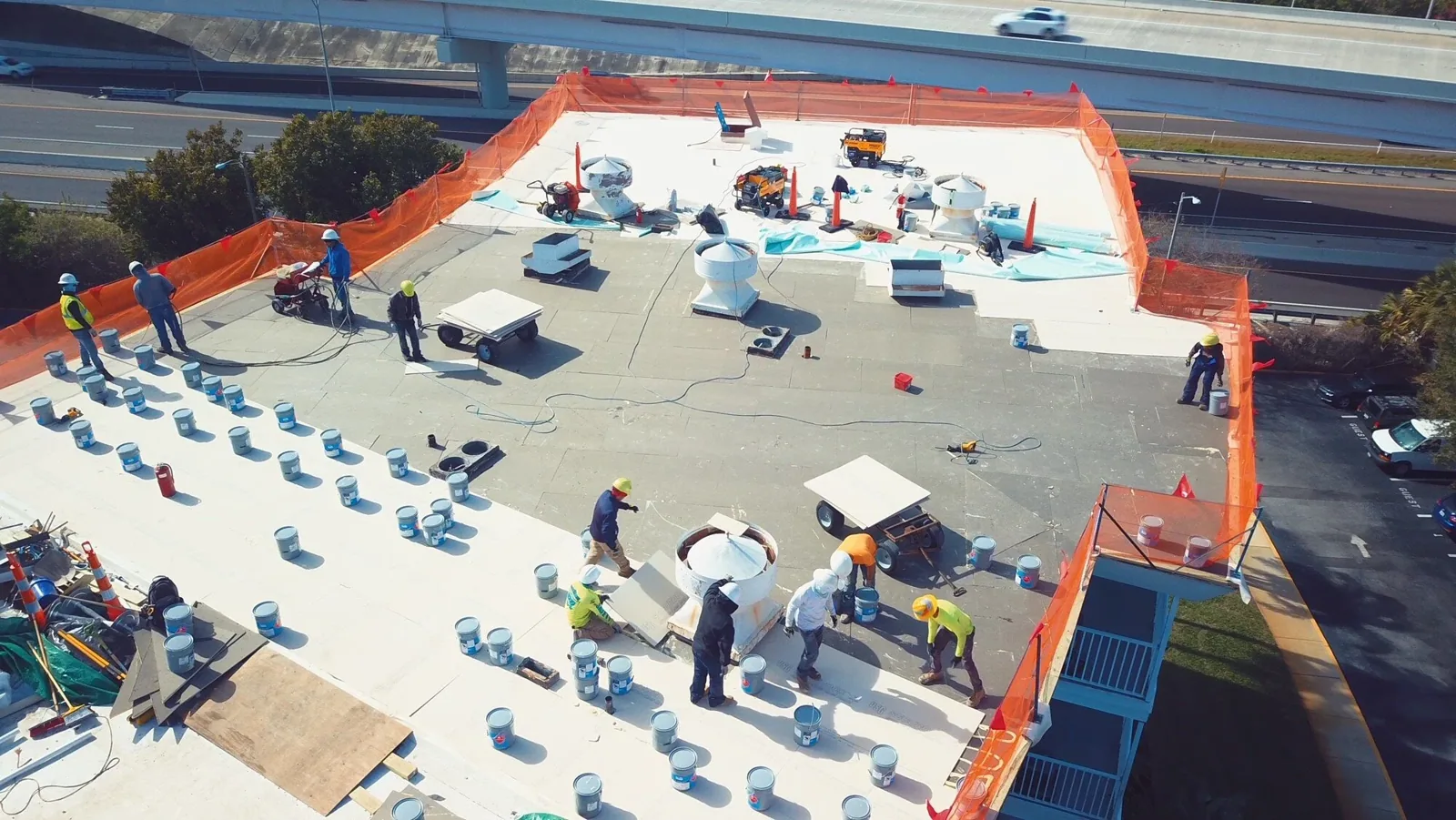
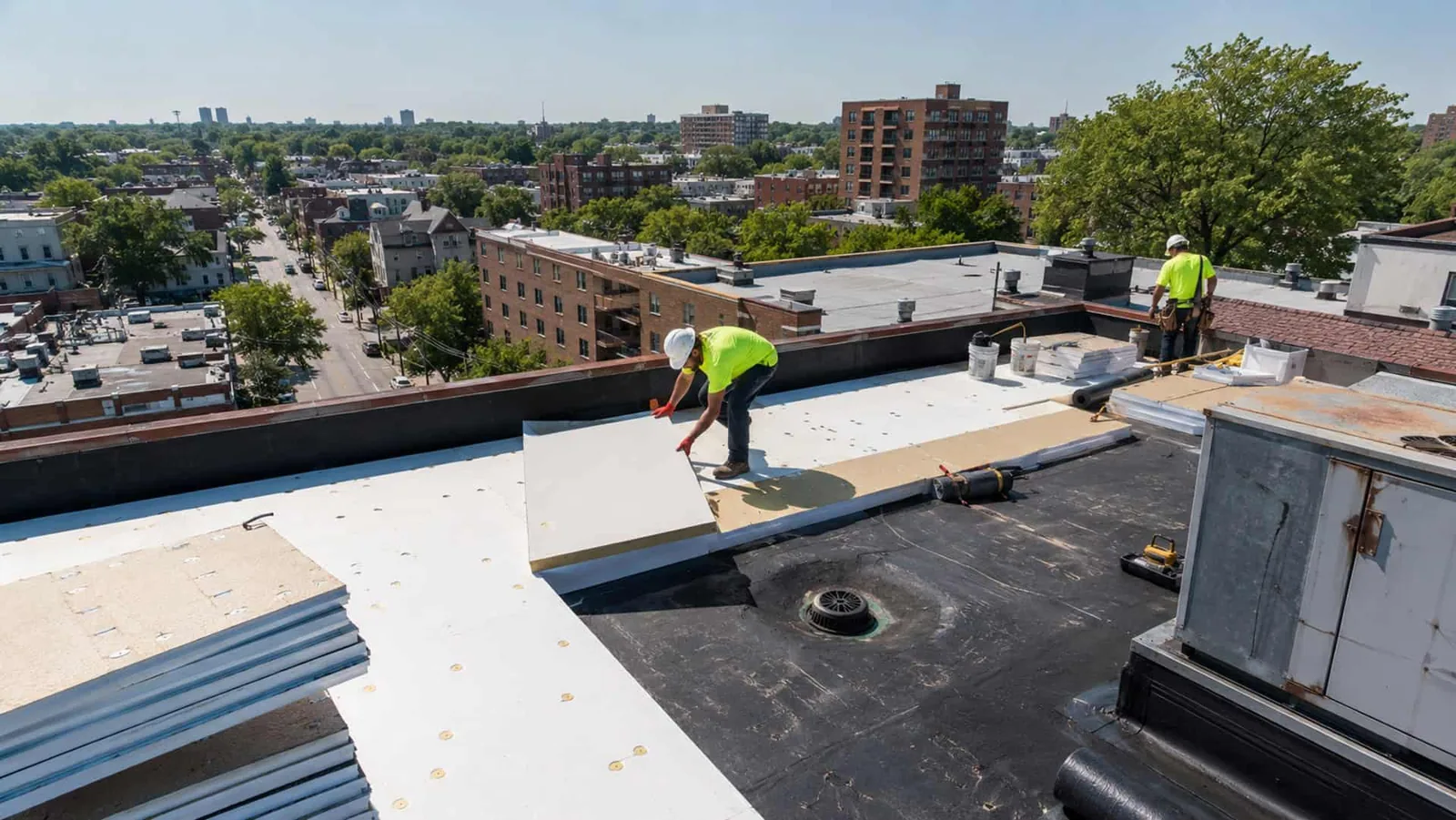
A larger project can proceed by building or roof section. We mark daily tear-off limits, temporary dry-in and the area that remains accessible to customers. A phased reroof sequence helps coordinate these sections, but the number of buildings and actual roof assembly determine the order. We give the manager an update before opening a new area and at the end of each shift so tenant notices stay tied to the current work.
Work notifications should say which building, row or driveway is affected, where customers can enter and how long the route is expected to change. The site manager can set the notice period and direct tenants to an alternate aisle. We confirm the daily work boundary before opening the roof and ask management to verify that the area beneath it is clear. If a storm or delivery changes the schedule, one point of contact receives the update before the crew moves equipment.
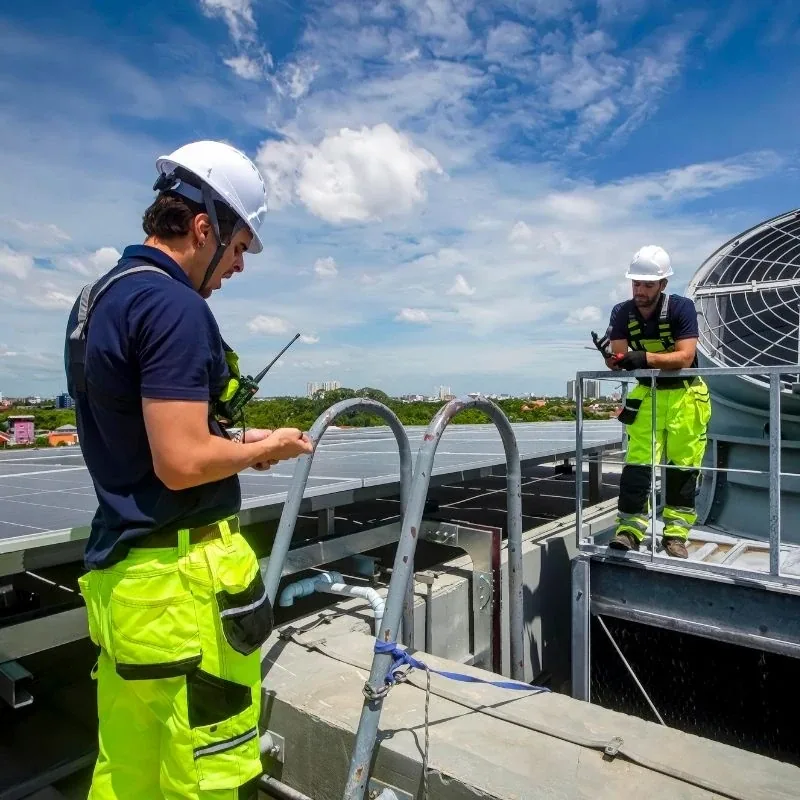
Greeley’s summer heat, winter snow and wind shape the inspection window. We check drains after snow, review edges after wind and confirm safe access before entering the roof. We check conditions at the site before each visit and set a daily stop point that leaves the assembly protected.
After a reported storm, we inspect storage buildings for punctures, loose panels and open seams, then coordinate any restricted unit access with management. We inspect for loose panels, punctures, open seams and water entry, then compare findings with the tenant report. If a roof section cannot be reached safely, we document the building and row left out and schedule another inspection window with management.
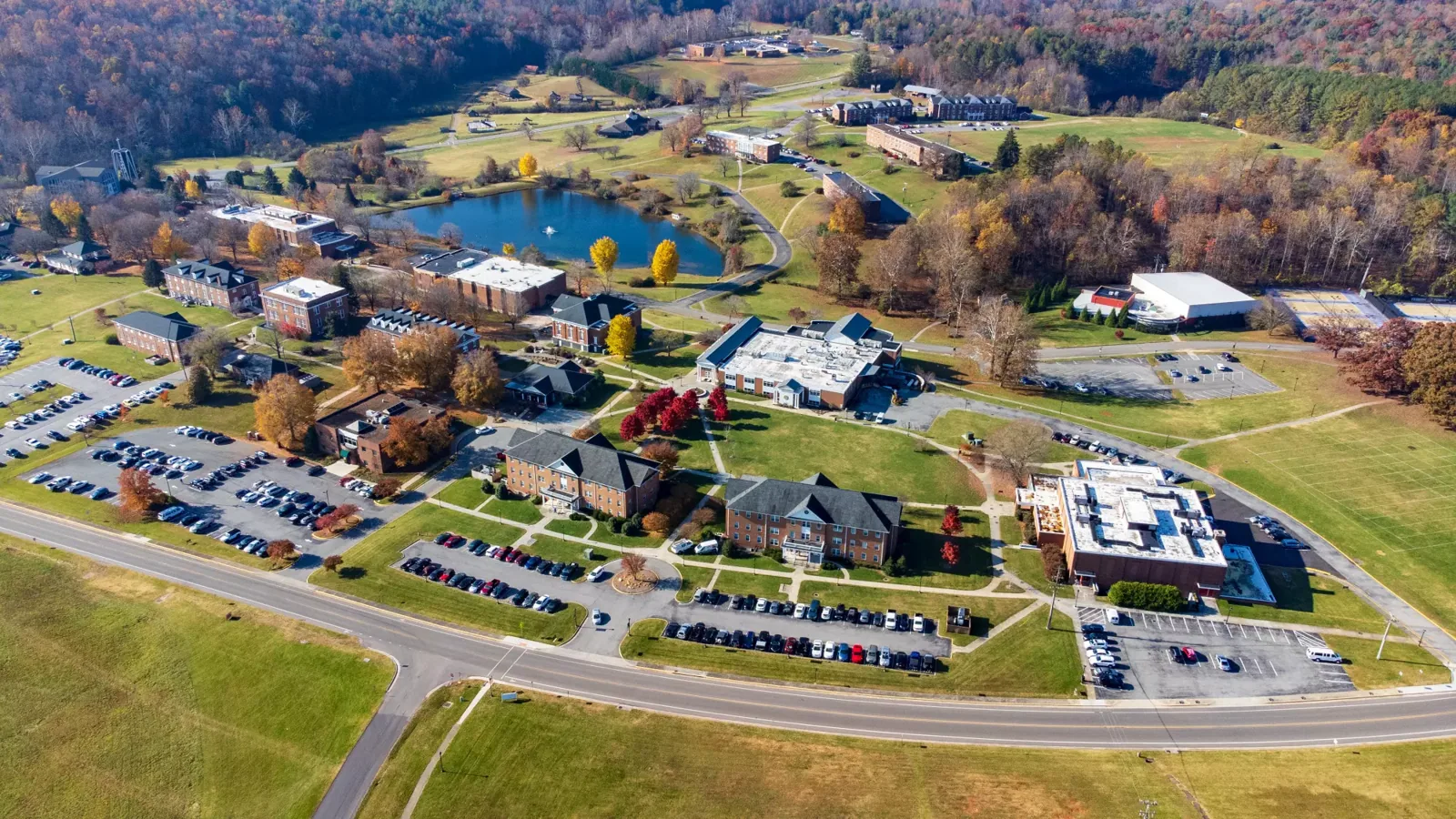
We coordinate gate access, drive aisles and affected buildings with management. Areas outside the active roof section can remain accessible when the safety plan allows.
The manager identifies the units below a repair area and handles customer notices or relocation. We limit the roof opening and coordinate temporary protection before work begins.
We map that unit and inspect the corresponding roof zone and nearby drainage. The report states whether evidence supports a local repair or a broader check.
Yes. We label each building, set its daily dry-in boundary and coordinate access before moving to the next section.
Provide the site map, unit reports, gate procedure, customer hours, repair history and delivery rules. Name the person who can approve temporary closures.
A local seam, fastener or flashing repair may be enough when nearby material remains sound. Repeated leaks, broad moisture or deteriorated attachment can justify testing or replacement. We identify which units, corridors or access routes need protection, and separate that step from permanent roof work. The proposal names the building and repair limit so the owner can notify customers without implying that the entire property is affected.
Cost and duration depend on roof area, system, number of buildings, drive-aisle access, height, protection needs and whether tenants must move belongings. We compare focused repair with replacement based on the inspection. A warehouse may hold inventory inside an open facility, while a flex-industrial building may have active tenants and equipment. Self-storage work requires its own gate, unit-notice and staging plan.
Closeout includes a roof map, photographs, repaired areas, materials and any item that needs monitoring. We identify the building and unit row where work occurred, plus any area the crew could not inspect. Management can use that record to answer tenant questions and to brief future service trades before they cross a roof section. If a new leak appears, the old repair boundary helps the next visit start with a specific location.
Share site plans, leak dates, unit numbers, gate rules, tenant hours, prior repairs and delivery limits before scheduling. Identify who can approve a unit closure and who sends notices to customers. Highpointe Business Park and the U.S. 85 Business route offer Greeley context, while the facility’s own plan sets the sequence. We inspect each roof section and leave a clear next step for the property manager. The owner can use the record to coordinate repairs before another tenant reports the same issue.
We also identify any temporary protection that should be checked after the crew leaves. Management receives the repair boundary, the materials used and a clear note about any area reserved for a later visit.