Can repairs be scheduled between worship services?
Yes, where access and weather allow. The congregation shares its gathering calendar, and we set a work window that keeps the approved entry and event spaces clear.
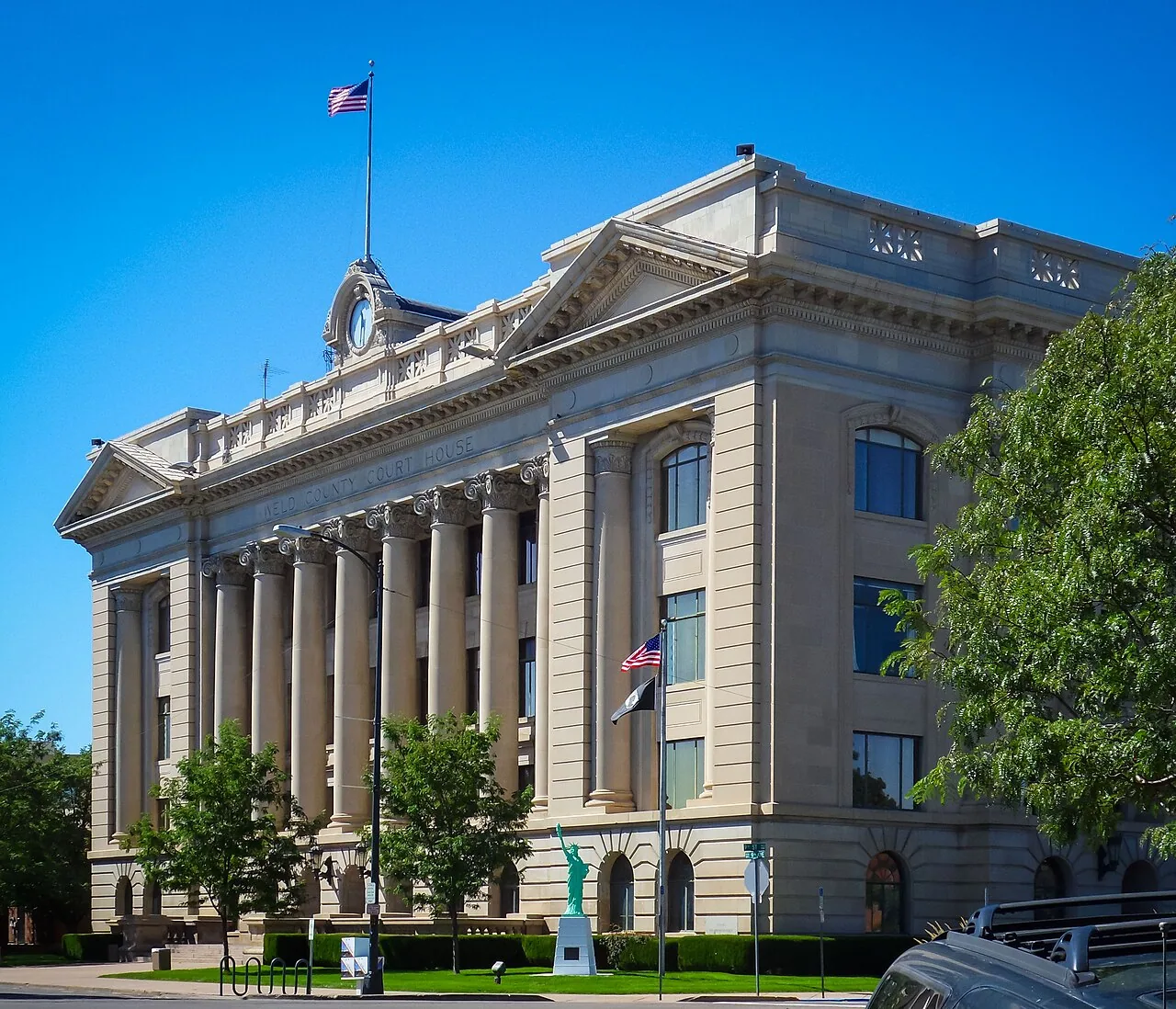
A water mark in a sanctuary, fellowship hall or classroom can affect a gathering while the roof source remains unclear. We identify the room, the service or event schedule and any equipment below, then inspect the roof area, drainage, seams, curbs and wall transitions that may connect to the report. The assessment maps findings and separates urgent protection from permanent work, giving congregation leadership a practical next decision. Downtown Greeley has a city-defined development district, and GURA uses East 8th Street as one of its urban-renewal areas. The 10th Street Urban Renewal Corridor also supports commercial facade upgrades, so exterior work can be coordinated with roof-edge and drainage details when project schedules overlap.
Church properties may include several buildings and outdoor gathering areas, each with its own access route. We confirm when the congregation meets, which entrances must stay clear and who can approve a temporary room closure. Downtown Greeley and the East 8th Street Corridor are separate commercial and civic areas; each organization supplies its own event calendar and site rules.
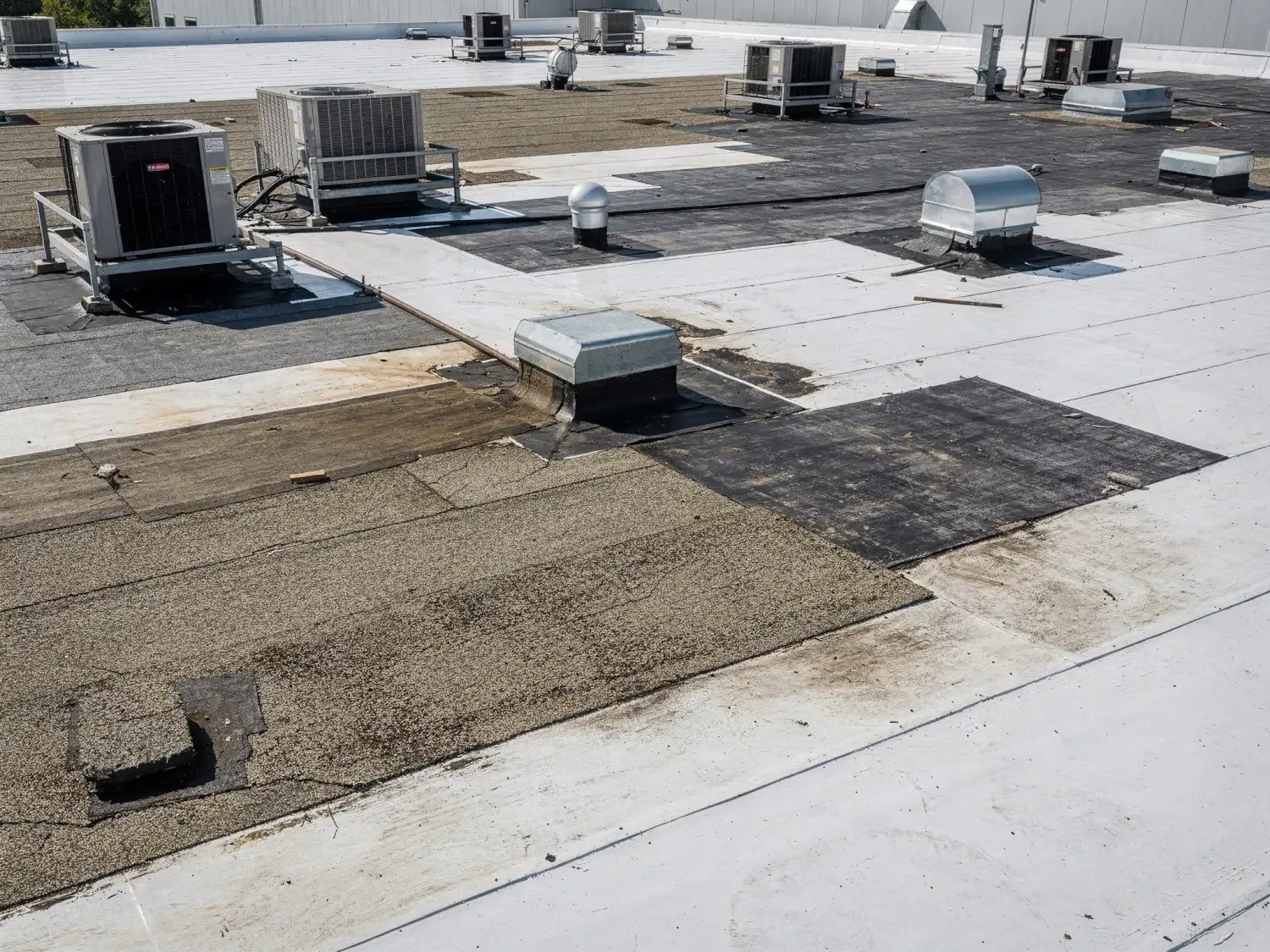
We note whether water appeared in a sanctuary, office, classroom, kitchen or community room and compare it with the roof section above. A high ceiling or finished interior can make the visible stain hard to connect with an opening, so we check drains, valleys, parapets, roof joints, curbs and penetrations around the likely path. We also look at prior patch materials and recent equipment service. The report identifies what was directly observed and which cause remains a question.
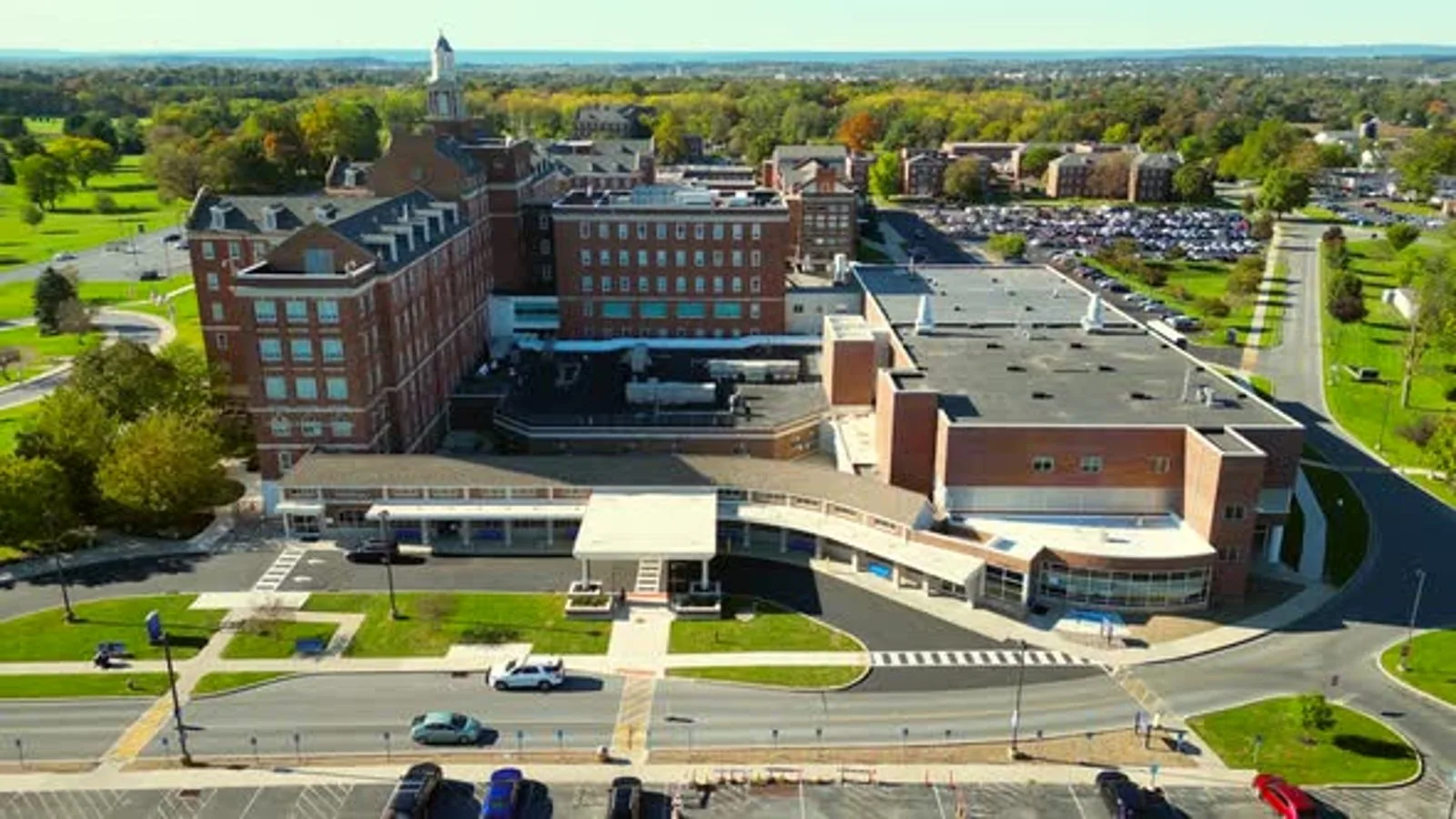
Different buildings on one property can have different assemblies, slopes and repair histories. We map each roof separately and note access limitations before suggesting a property-wide scope. If moisture may be concealed in insulation, infrared mapping can narrow a test area. Photographs should show both the roof detail and its position on the property map, allowing the facilities contact to compare later findings without relying on memory.
A roof plan can also identify decorative or attached elements that change how water moves, such as wall caps, towers, cupolas, skylight frames or covered entries. We inspect the connection points and note which are included in a repair proposal. The presence of a steeple or canopy does not establish the main roof material, so we check the assembly at each accessible section. This gives the congregation a clearer record when later work involves lighting, sound or exterior restoration.
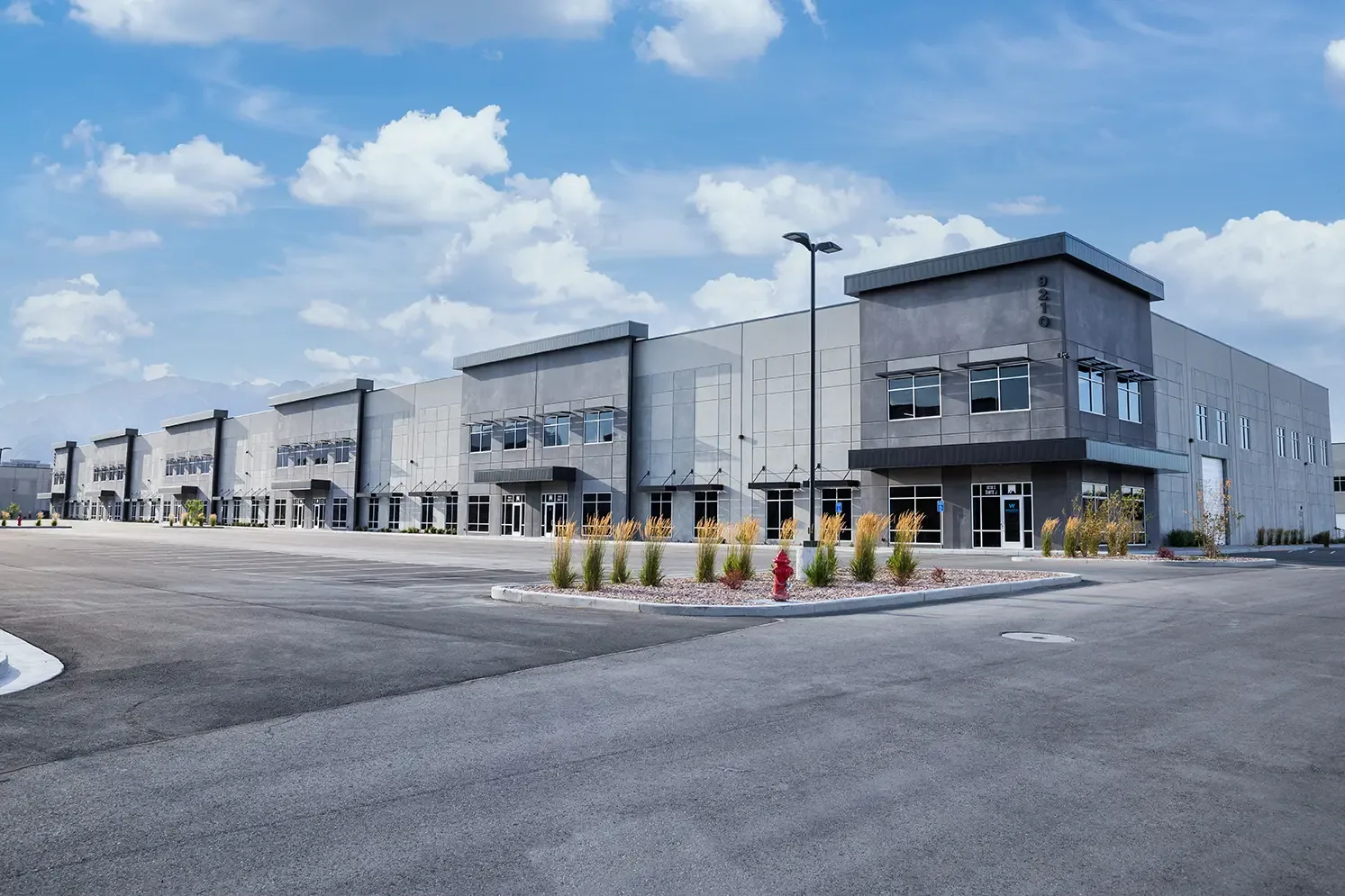
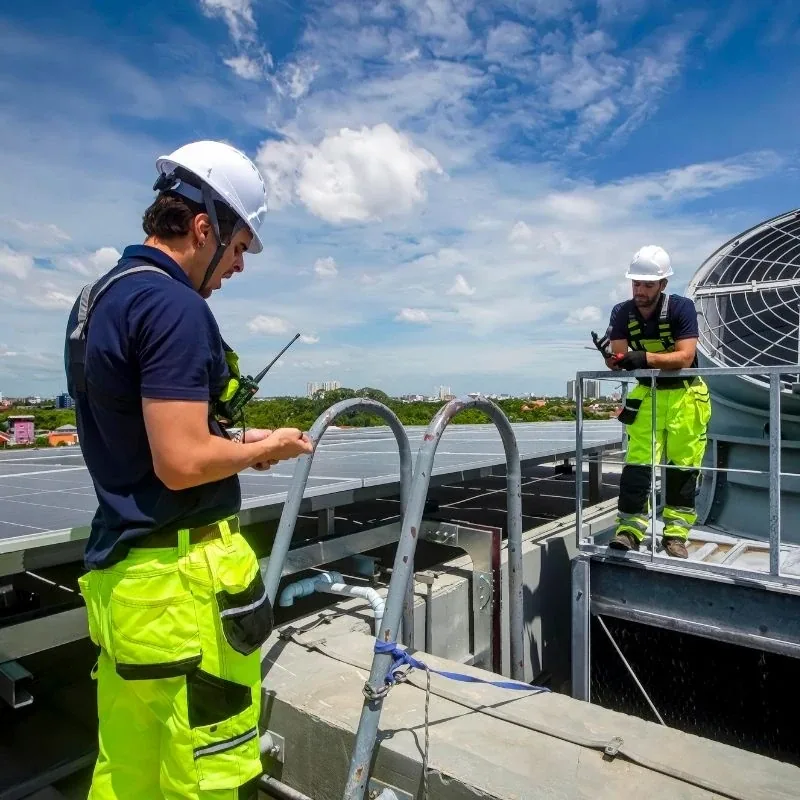
Before a visit, we confirm roof access, deliveries, lift location, event hours and the person authorized to approve a schedule change. The organization identifies worship times, funerals, weddings, youth activities, meal service and community events that need uninterrupted entry. We plan barriers away from congregation paths and establish how staff or volunteers will hear if the work zone changes. If a repair needs entry to a room, the site contact arranges access and protects furnishings or equipment.
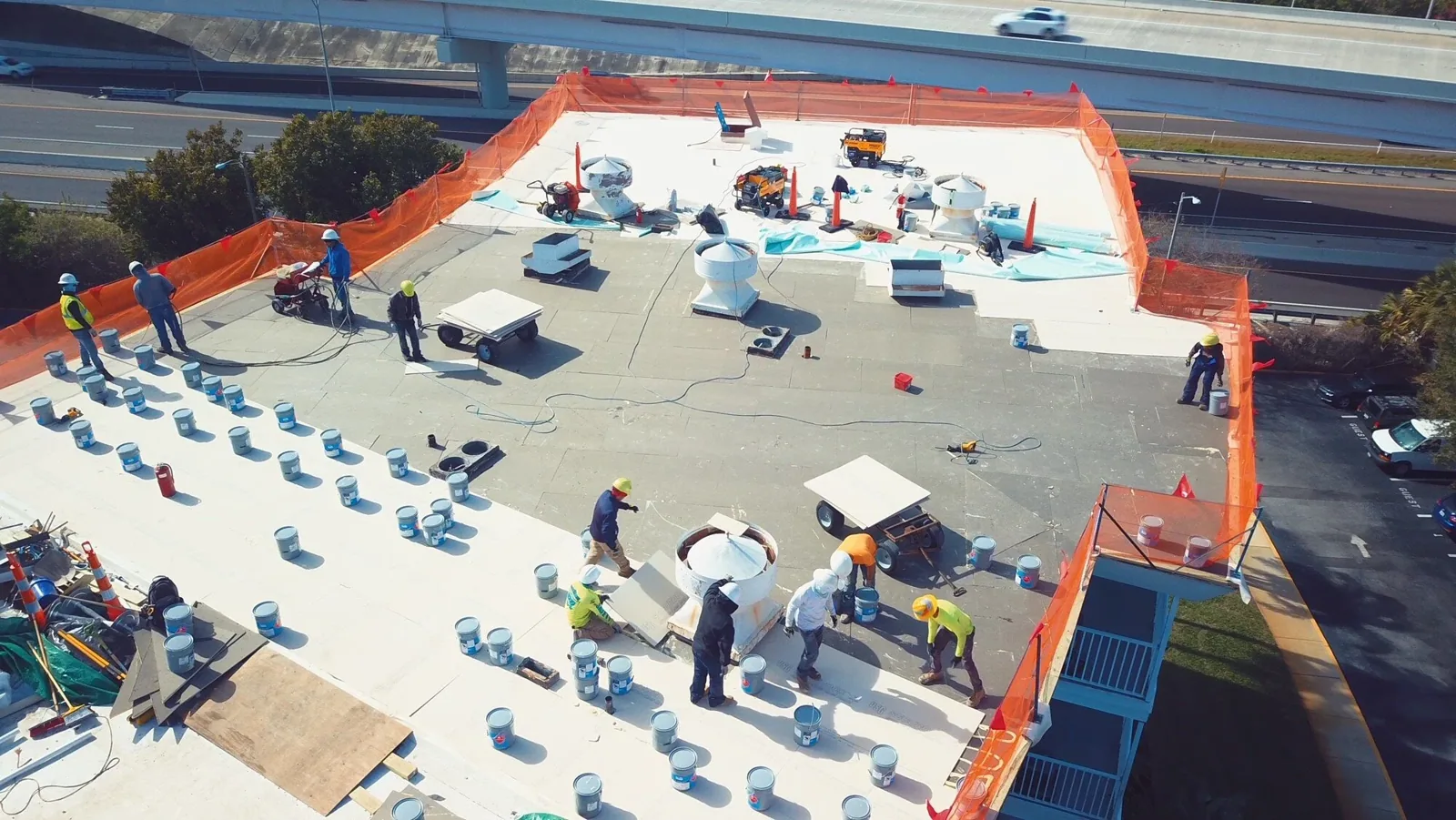
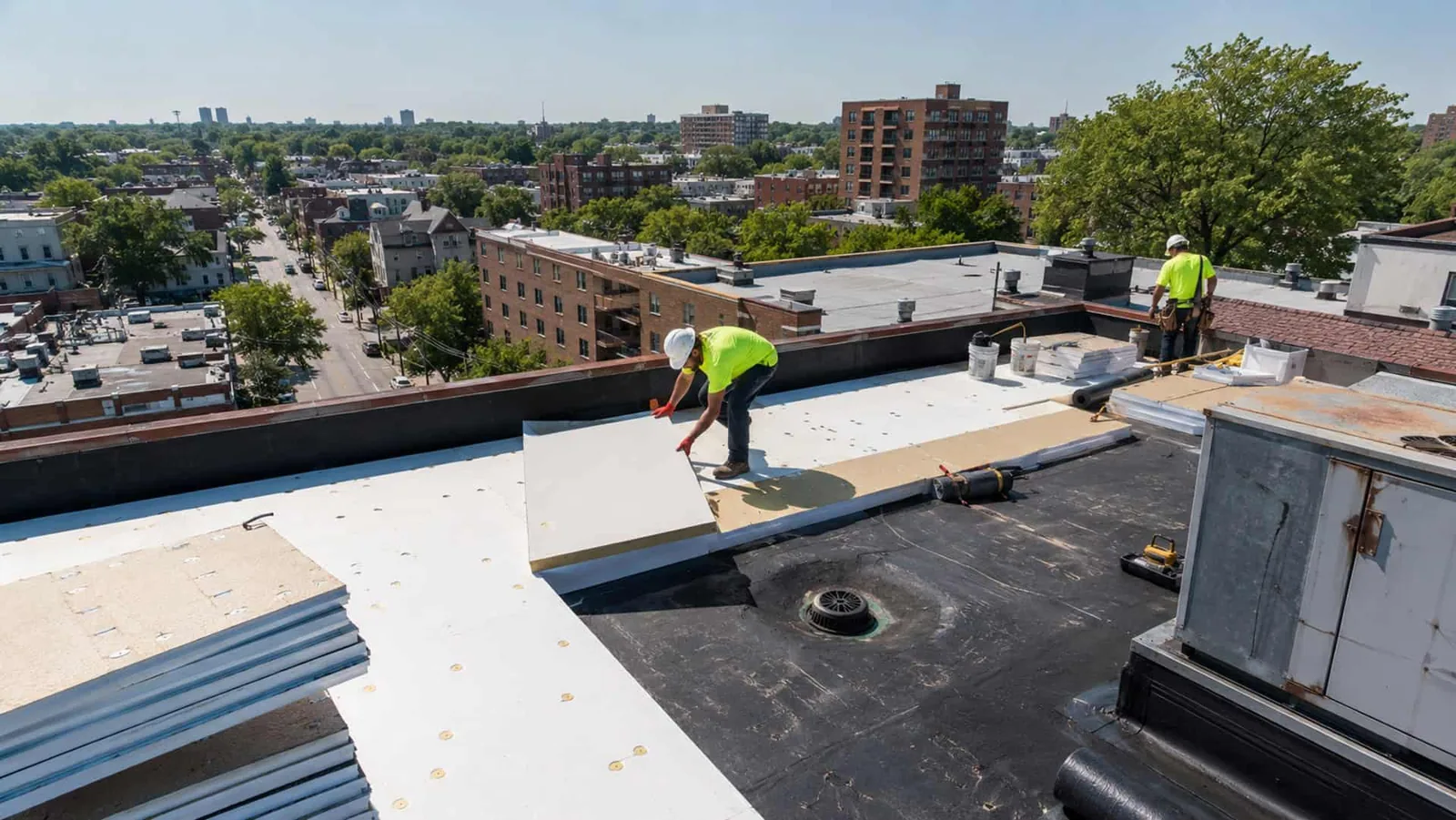
A replacement may proceed by roof section so another building or gathering area remains open. We set daily dry-in boundaries, materials staging and a handoff before the crew leaves each shift. An occupied-building sequence can fit work between events, but weather, access and the roof assembly still control how much can be completed. We give the organization a defined area and work period to include in its notices rather than a general statement that roofing will occur.
Greeley Airport logs track high temperatures, snowfall, snow depth and wind. Heat affects roof surface conditions and safe working time; snow or ice can limit access and conceal drain openings. We check conditions at the property before choosing the work sequence, and we do not leave an exposed section beyond the agreed dry-in boundary. A congregation can share event dates and volunteer schedules so weather adjustments do not conflict with a planned gathering.
Hail and tornado activity in Weld County makes a post-storm roof check useful for congregations in the Greeley area. We examine the actual surface for punctures, shifted metal, open seams and flashing movement, then compare those findings with interior observations. If a service or event is underway, the property contact identifies a suitable return time for any section that could not be reached safely.
Yes, where access and weather allow. The congregation shares its gathering calendar, and we set a work window that keeps the approved entry and event spaces clear.
We inspect the assembly that is present, using safe access methods for the slope and materials. The report identifies the roof sections reached and any access limit.
We coordinate interior protection, barriers and work timing with the site contact. If furnishings or sound equipment are below the active area, the organization can identify what must be covered or moved.
Each roof is mapped separately and checked for its own drainage and openings. Related conditions are noted, but a finding on one building is not assumed to apply to another.
Send building plans, event dates, prior repairs, leak reports and access rules. Name the person who can approve a room closure or change to the work schedule.
A localized seam or flashing repair can fit when the surrounding roof remains stable. Widespread moisture, repeated leaks or deteriorated attachment may call for additional testing or replacement. We list temporary protection, permanent roofing work and any interior repair separately, and identify which rooms or entrances need a short-term limit. That lets leadership decide how to communicate with members while keeping the technical scope tied to roof evidence.
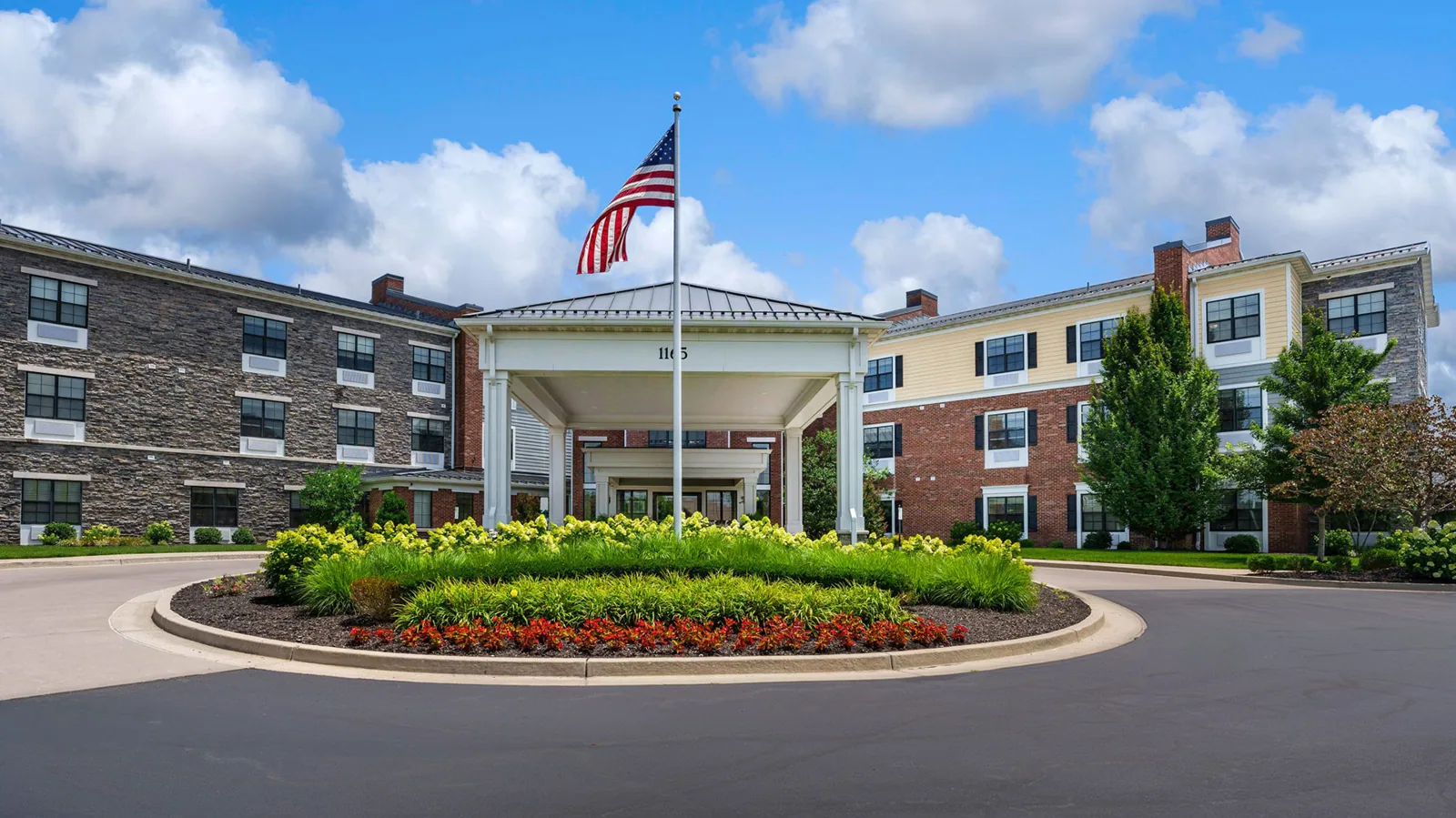
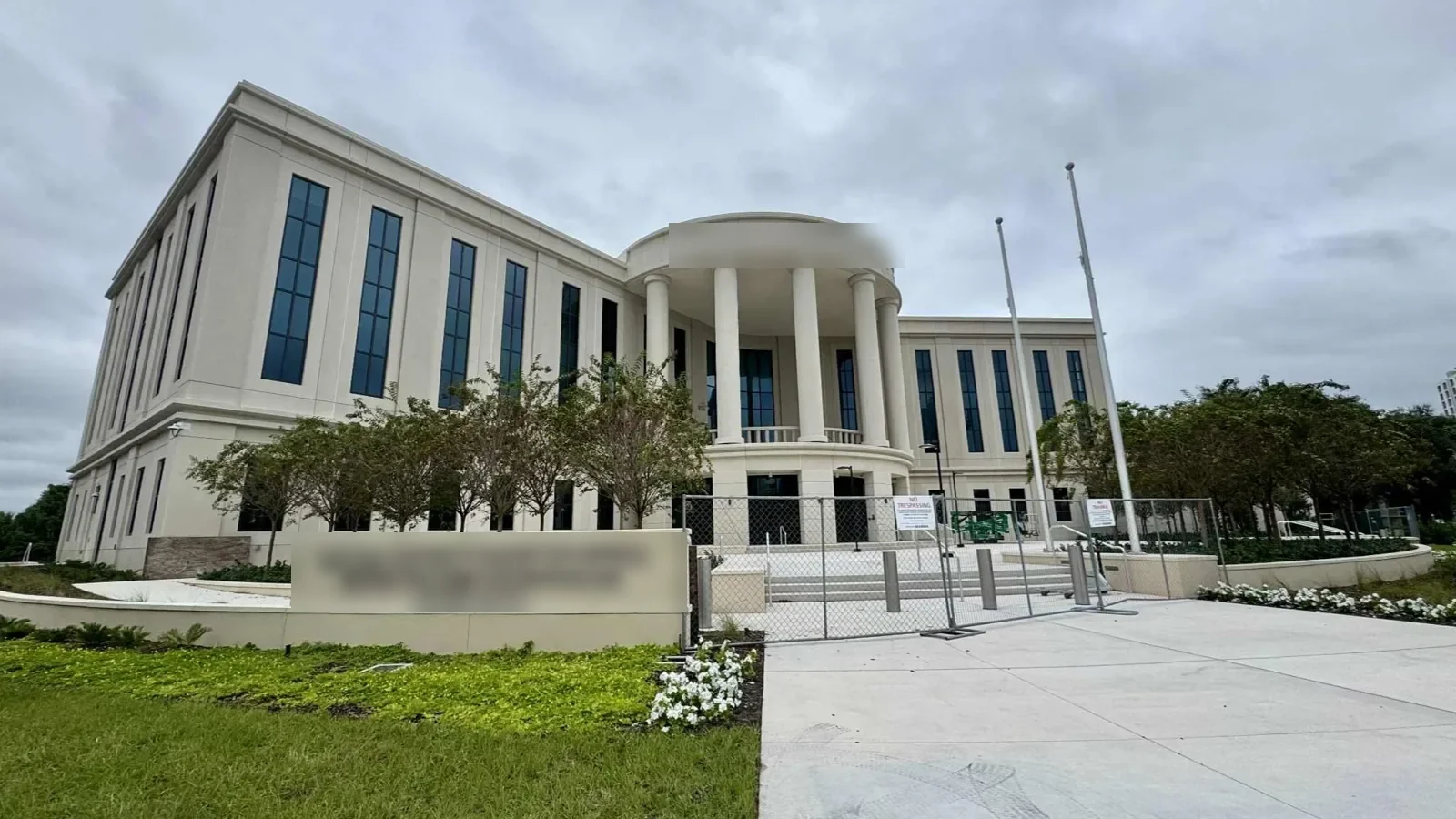
Cost and duration depend on roof area, system, height, access, interior protection, number of penetrations and the hours available between events. We compare targeted repair with replacement based on the inspected assembly. A senior living community has resident routines, while a municipal building may have public-service hours. The worship organization’s own calendar and building layout define the best work window.
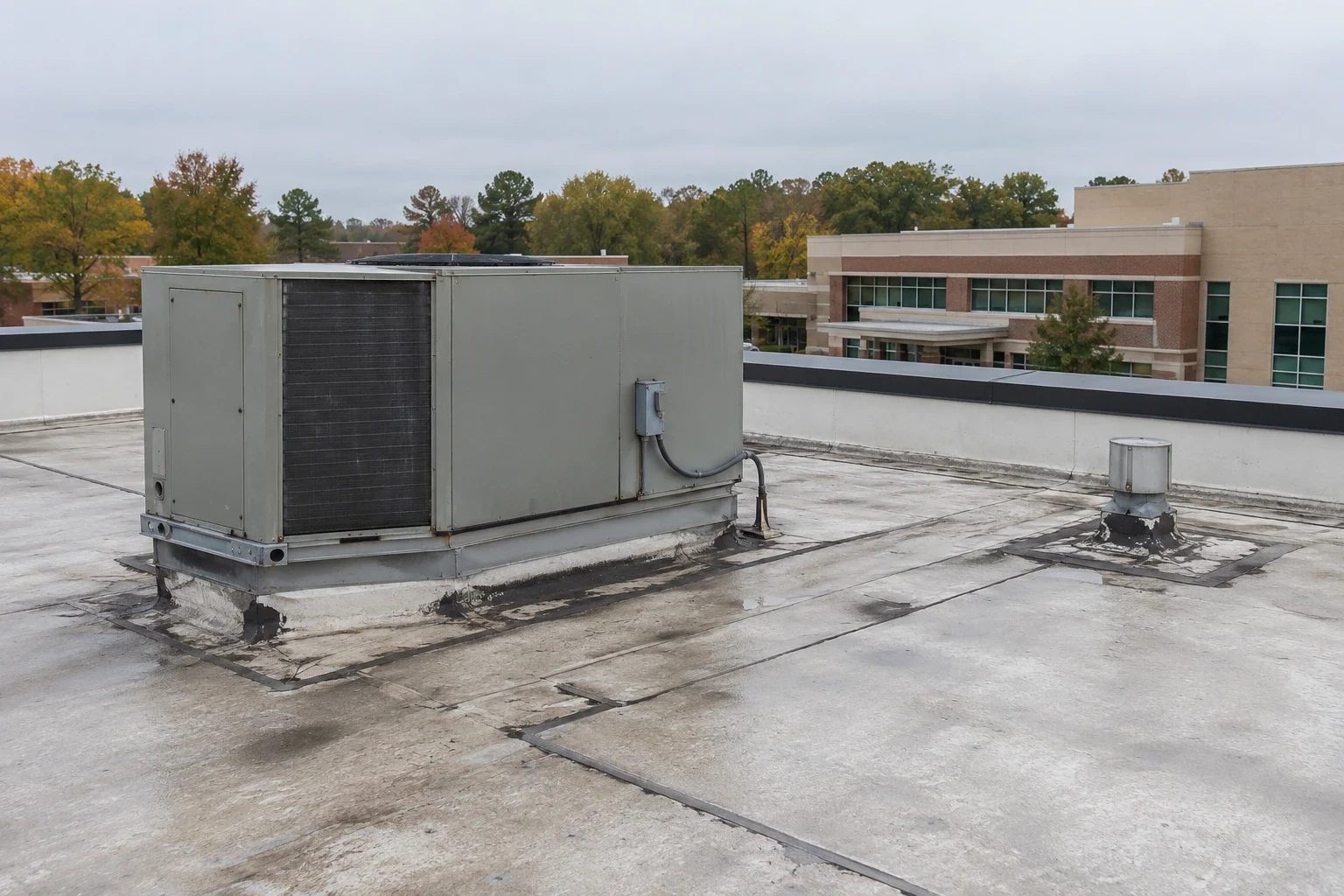
Closeout includes a marked plan, photographs, repaired details, materials and any item left for monitoring. We label the building and roof zone so a later event or service call can be compared with the completed repair. If access limitations prevented a full walk, the record states which area remains unchecked and what follow-up would settle it. Facilities or volunteer leaders can use the document to brief future contractors before equipment or lighting work reaches the roof.
Send roof drawings, leak locations, event dates, prior repair scopes, access instructions and the contact who can approve entry. Flag rooms with instruments, sound equipment or furnishings that need protection. Where a project also includes facade work in the 10th Street Urban Renewal Corridor, we coordinate roof-edge terminations and drainage with the exterior scope before scheduling trades. We inspect the specific property and return a clear repair boundary and next action.
When a property has several buildings, the closeout should name each roof separately and say which rooms or gathering spaces align with that work. The organization can assign a maintenance lead to keep those notes with event and repair records. A future committee then sees whether a condition was corrected, observed or left for another project, without having to reconstruct a past discussion.