Does a Duro-Last roof have field seams?
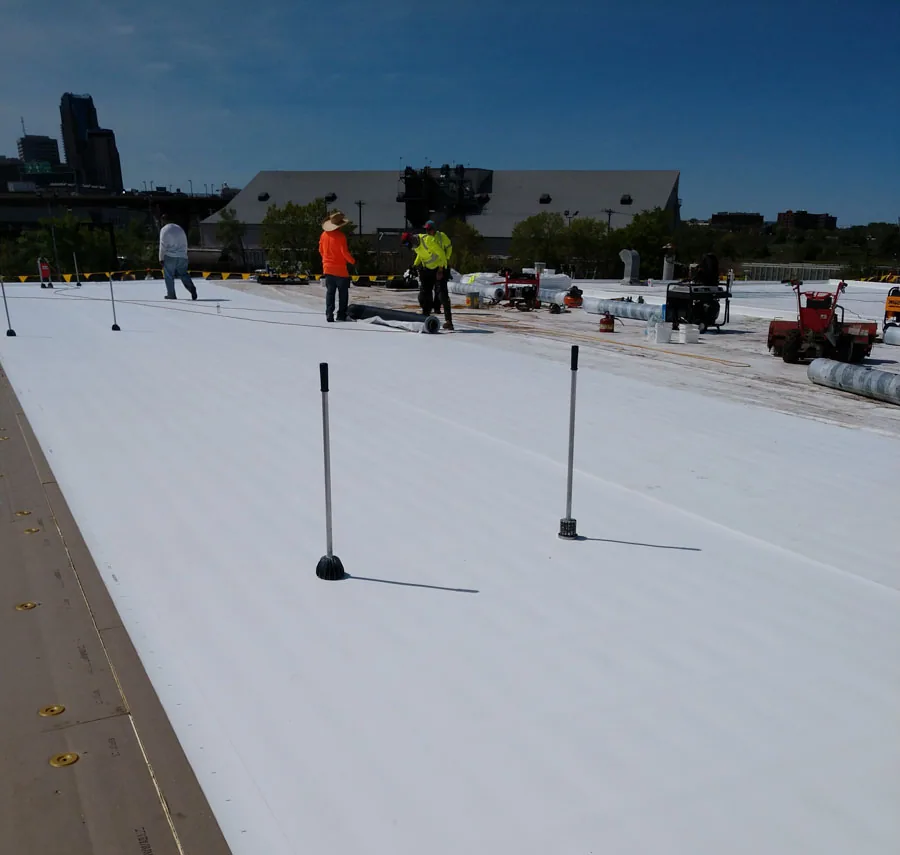
It can. Factory-fabricated components may reduce some seams, but connections and transitions remain on the roof and need inspection.

A custom-fabricated PVC roof can reduce some field seams, but the finished roof still depends on perimeter details, penetrations and tie-ins being installed correctly. We inspect the Duro-Last membrane, welded seams, flashing pieces, drains and prior repairs before recommending work. The first task is to identify the product and determine where the reported condition sits in the assembly.
Greeley sites near 23rd Avenue Commercial Corridor and Downtown Eaton vary in access and operating schedule. We confirm site requirements, then match the inspection and repair sequence to the membrane and roof layout documented for that property.
A factory-prepared detail may fit the original roof layout, yet later equipment work can create a different curb or penetration that must be handled in the field. We compare the existing flashing with the surrounding membrane and check the termination, not only the prefabricated piece. If the original records are unavailable, the inspection identifies what can be confirmed and what product information would help avoid an unsupported material match.
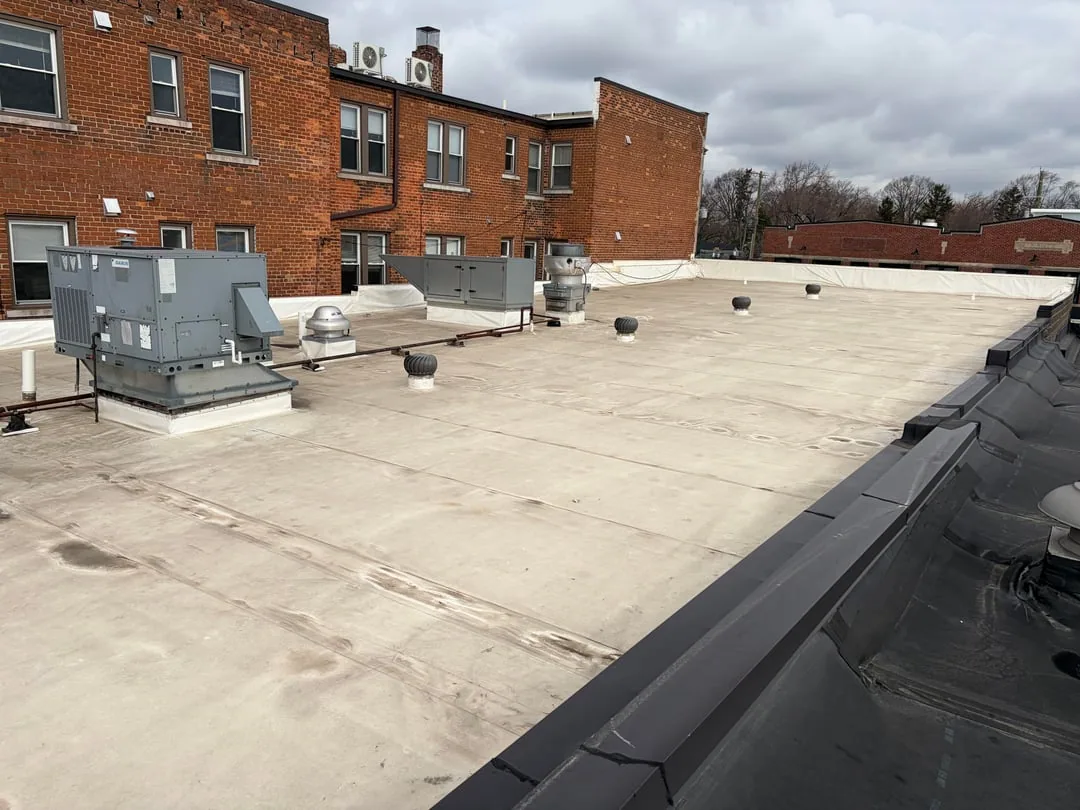
We look for open or stressed welds, punctures, loose terminations, damaged flashing, blocked drains and deterioration around rooftop equipment. A prefabricated sheet or detail does not remove the need to inspect field transitions, penetrations and perimeter attachment. We compare roof plans and product information with the installed membrane, marking any section that appears to have a later overlay or repair.
When water is reported inside, we map the room and timing to the roof area above it. Water may travel through insulation or along the deck before entering. A roof inspection documents the field and detail conditions; a photo-based condition report can show the owner where each finding sits. If concealed moisture needs investigation, we explain available testing and obtain approval for any opening.
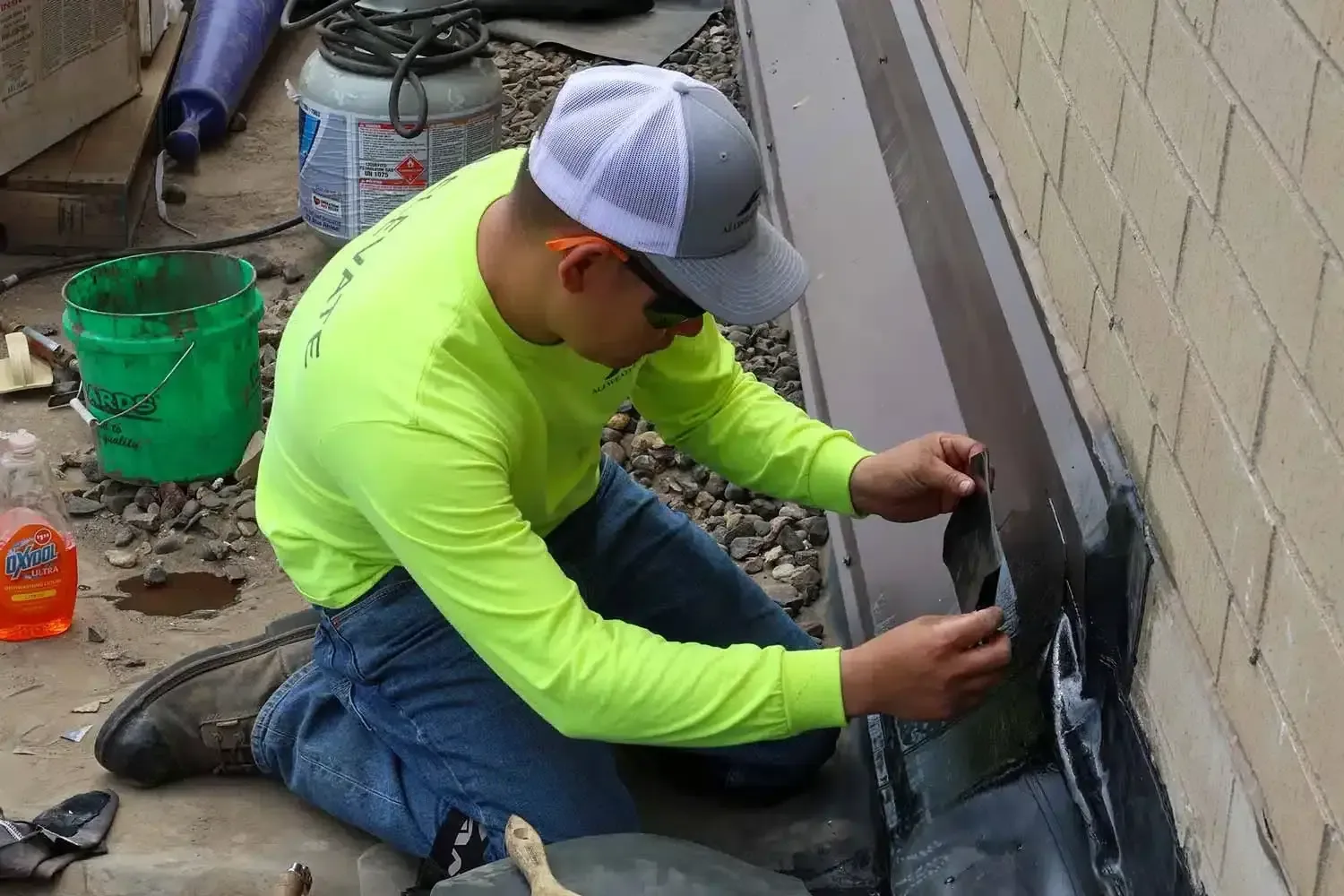
Existing patches can be difficult to assess when the material and weld method are unknown. We record the patch edge, surface condition and any separation, then check if the adjacent PVC remains sound. If the seam is questionable, the repair boundary must include a suitable connection to compatible sheet. A separate curb, wall or drain detail is evaluated independently rather than covered by a larger surface patch.
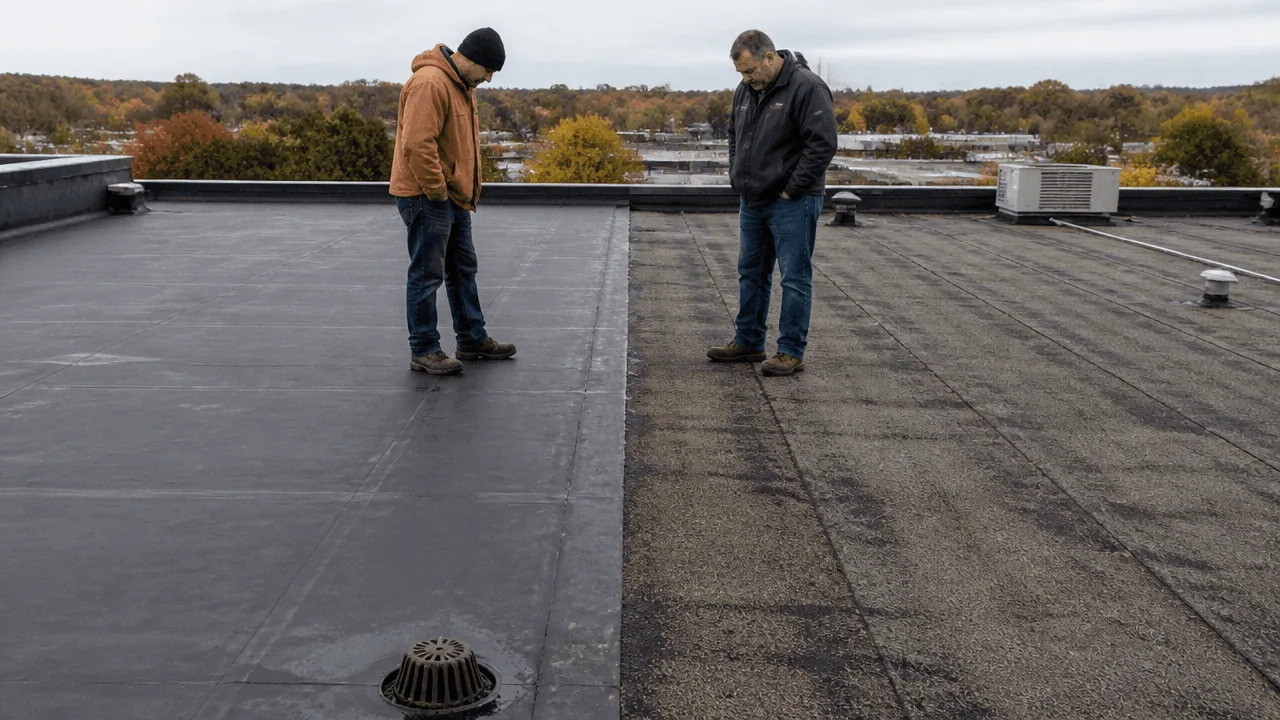
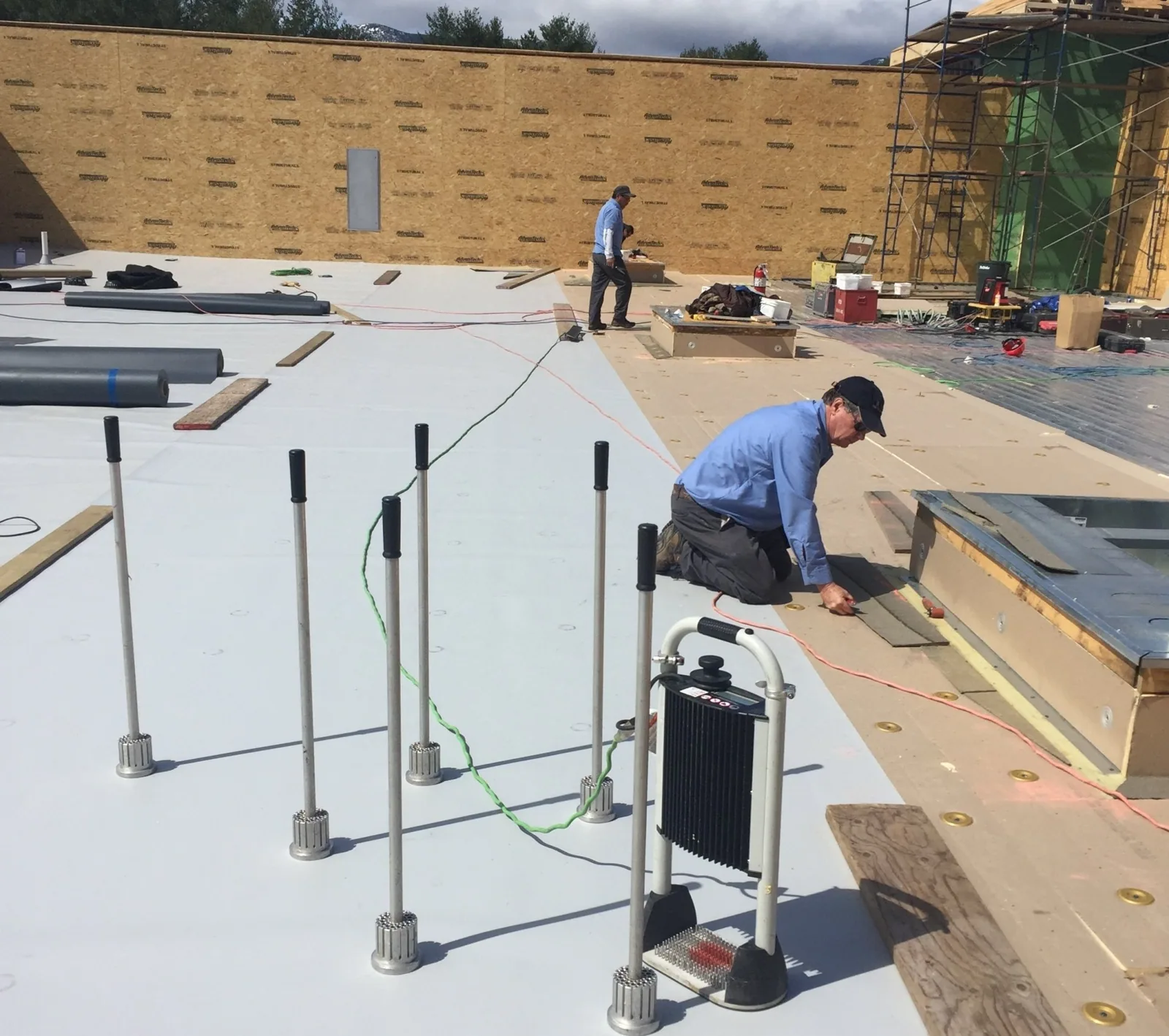
Duro-Last manufactures PVC roofing systems with factory-fabricated components. For a comparison, Versico membranes and GAF commercial roof systems use their own components and repair requirements. The benefit of a custom-fabricated layout depends on how field seams and details were completed on the building. We verify the membrane, prepare the surface and use compatible PVC materials and weld methods. The scope identifies whether the work addresses a field sheet, an edge, a penetration or another detail.
For a confirmed puncture, we remove loose or damaged material to a sound boundary, prepare the PVC and install a patch sized for the defect. A membrane puncture repair can be defined separately from water protection or insulation work. If a lap has separated, seam repair may be required. We check the completed weld and photograph the detail with a roof-zone reference.
We keep debris away from drains and equipment, and the crew closes the area before leaving for the day. If weather or access prevents a permanent repair, the owner receives a description of the temporary protection, its limits and the planned return. Warranty paperwork may set inspection or notice requirements, so the owner confirms those steps before permanent work begins.
Greeley’s summer heat, winter snow and wind affect roof access and membrane handling. We check surface moisture and conditions before preparing or testing a weld. We verify actual site conditions before starting and leave enough time to inspect each completed detail. The selected product instructions guide temperature and surface requirements.
For a Duro-Last roof after severe weather, we inspect the membrane and perimeter at the reported location and record any hidden or inaccessible area. We inspect the membrane and perimeter for visible changes, then record the conditions found. We check the membrane for an opening at the reported location and document the repair boundary. If debris or snow hides a section, the report notes the limited view and whether a return is necessary.
Industrial sites near 23rd Avenue may need staging kept clear of deliveries or construction traffic. Downtown Eaton has a town-center setting where pedestrian or business access can matter. The facility contact confirms the actual arrangements; we set the crew route, material placement and work-hour plan before mobilization. Those logistics support a safe repair but do not replace membrane inspection.
It can. Factory-fabricated components may reduce some seams, but connections and transitions remain on the roof and need inspection.
Compatibility and weld performance must be confirmed for the installed system. We check product records and the field material before choosing an accessory.
Any roof connection can be damaged or altered after installation. We inspect the seam, attachment and surrounding sheet before deciding what work is needed.
Not necessarily. We discuss available survey methods and only make an exploratory opening after the owner approves the location and restoration.
Product submittals, roof plans, warranty information, repair history, leak details and site access rules help us plan the visit.
A localized PVC repair can work when the membrane surrounding the defect remains sound and the new material can be welded to it. Multiple opened seams, widespread brittleness, wet insulation or failed attachment can lead to additional testing or broader replacement. We explain which conditions were confirmed and how much of the roof was inspected. No assumption about the factory-fabricated layout substitutes for checking the current field.
Cost and time depend on sheet, access, height, repair dimensions, equipment, insulation and edge details. We list preparation, materials, tie-ins, testing and any temporary protection. A repair proposal addresses an identified area; a replacement proposal can compare a new assembly if the findings warrant it. Interior finishes and unrelated equipment work remain separate unless included.
Owner records can clarify product and warranty obligations. Warranty tracking can retain inspection dates, repair reports and owner-submitted notices. If several Duro-Last sections were installed in phases, we identify each one separately because prefabricated details and later field changes may differ across the roof.
Closeout identifies the membrane observed, repaired roof area, materials, photos, weld checks and open conditions. We note whether product identification came from field markings or owner files, and whether any adjacent transition was excluded. The facilities team can use the roof-zone reference to return to the same detail during maintenance or another inspection.
Before the visit, send the Duro-Last submittal, warranty file, roof plans, leak timing, prior repair notes and access instructions. Tell us whether recent equipment work or penetrations may have changed the roof. If a manufacturer inspection is required, identify the contact and notice timeline in the provided documents so the owner can coordinate it.
From 23rd Avenue to Downtown Eaton, each property needs a verified access path and roof record. We document the finished repair separately from open observations and return a scope that states what was restored, what remains uncertain and which next action belongs to the owner.
If access to a roof zone is blocked by equipment or surface conditions, we list that boundary and arrange a follow-up. The final repair record connects each completed weld or patch to photographs and a roof-zone location for the next service visit.