Can you bid from a GC’s plans and specifications?
Yes. We review the bid set, list roofing inclusions and exclusions, and identify details or existing conditions that need clarification.

Adjacent trades can lose time when roofing limits and field conditions remain unclear. We inspect the existing assembly, document observed conditions and identify penetrations, transitions or access constraints that affect sequencing. The proposal states what roofing includes, which information remains unverified and what decision is needed from the design or owner team. That gives the GC a defined scope to coordinate before mobilization.
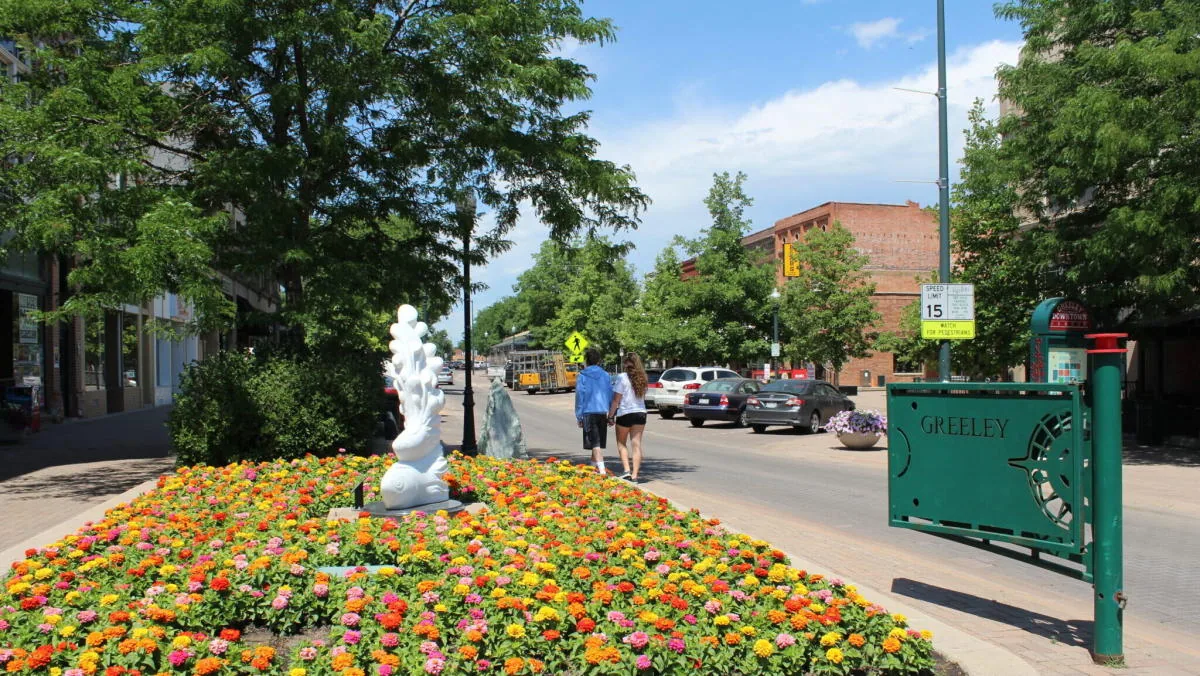
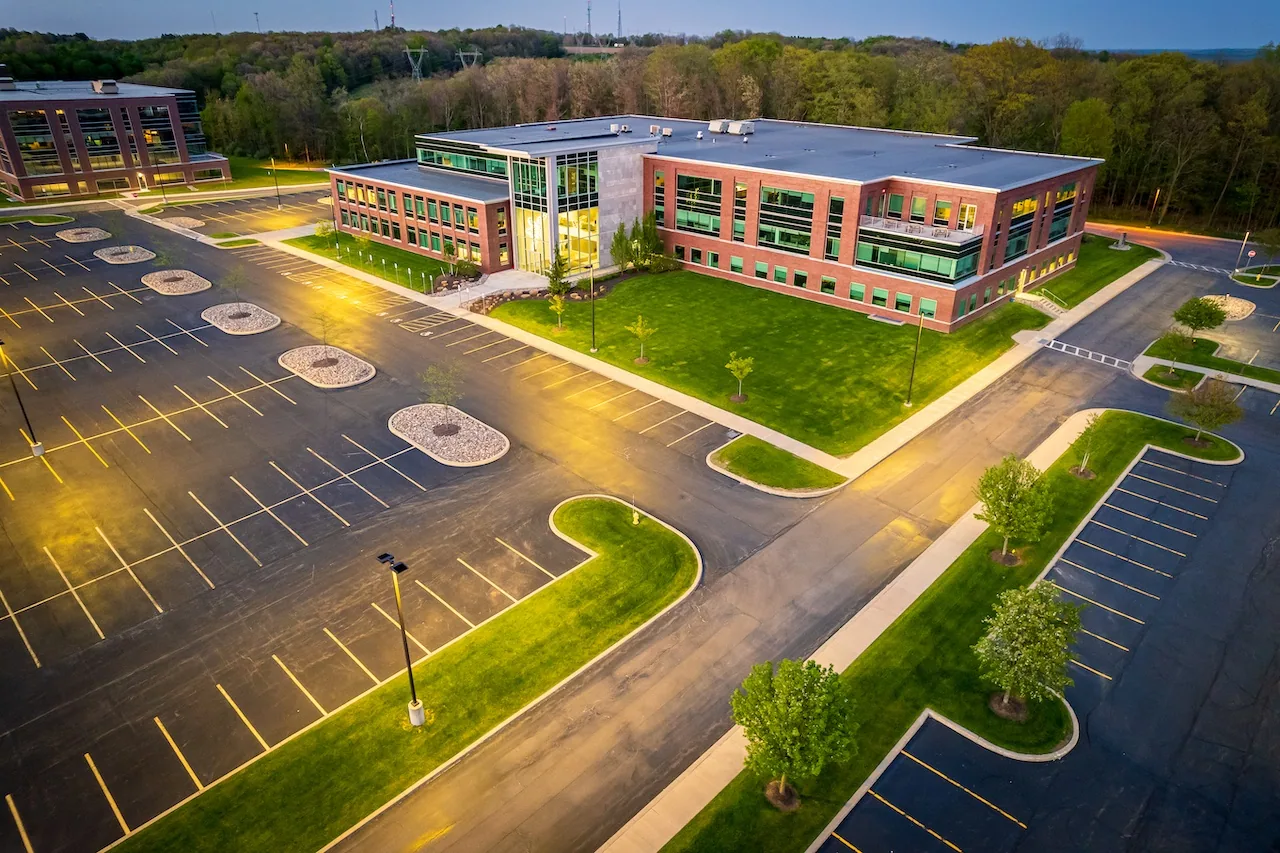
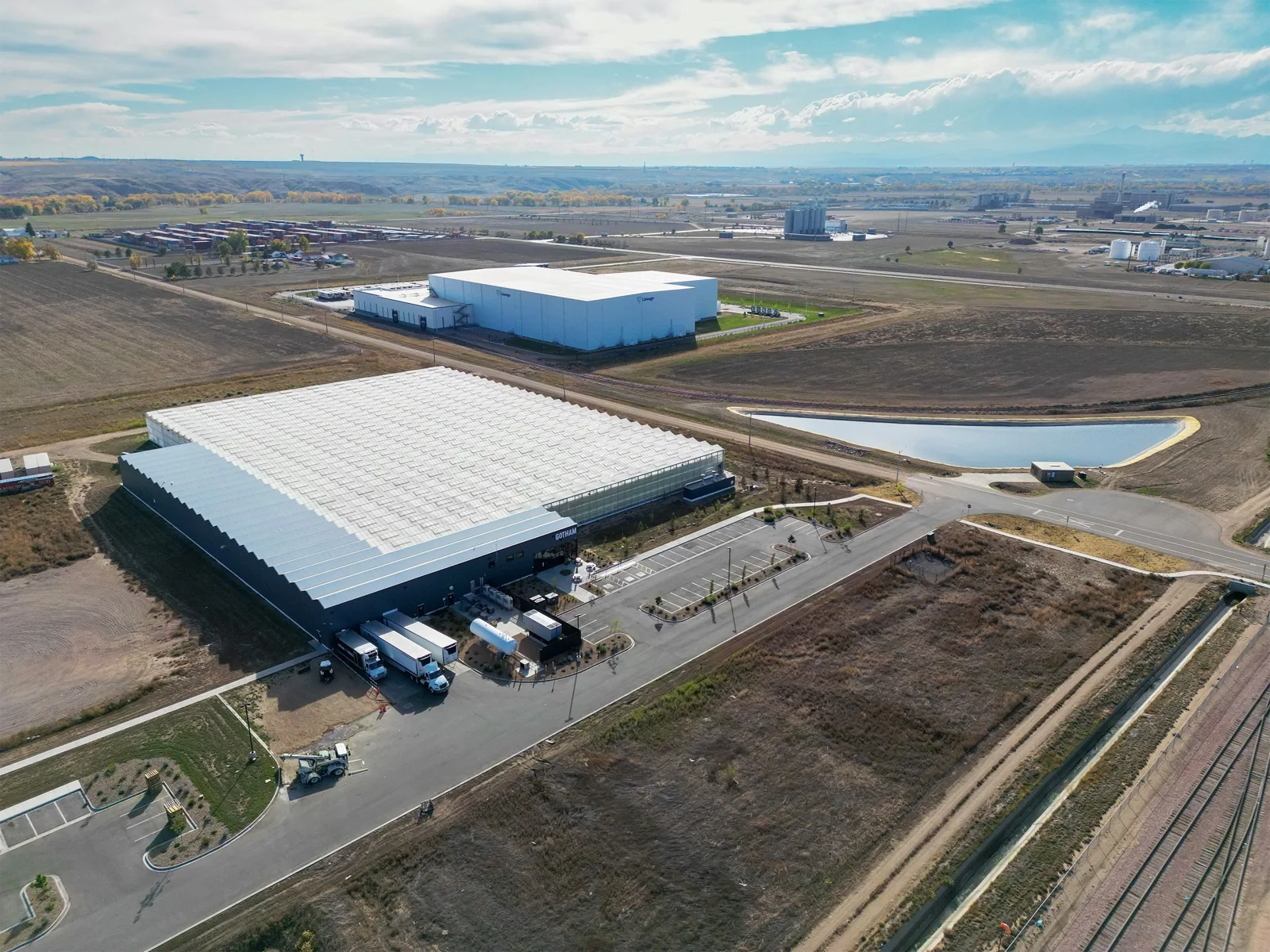
Greeley’s U.S. 34 Business Corridor links regional transport improvements with local projects. Highpointe Business Park and Great Western Industrial Park reflect a mix of commercial and industrial settings in the area. We confirm roof assembly, access and trade scope from the bid documents and the project walk.
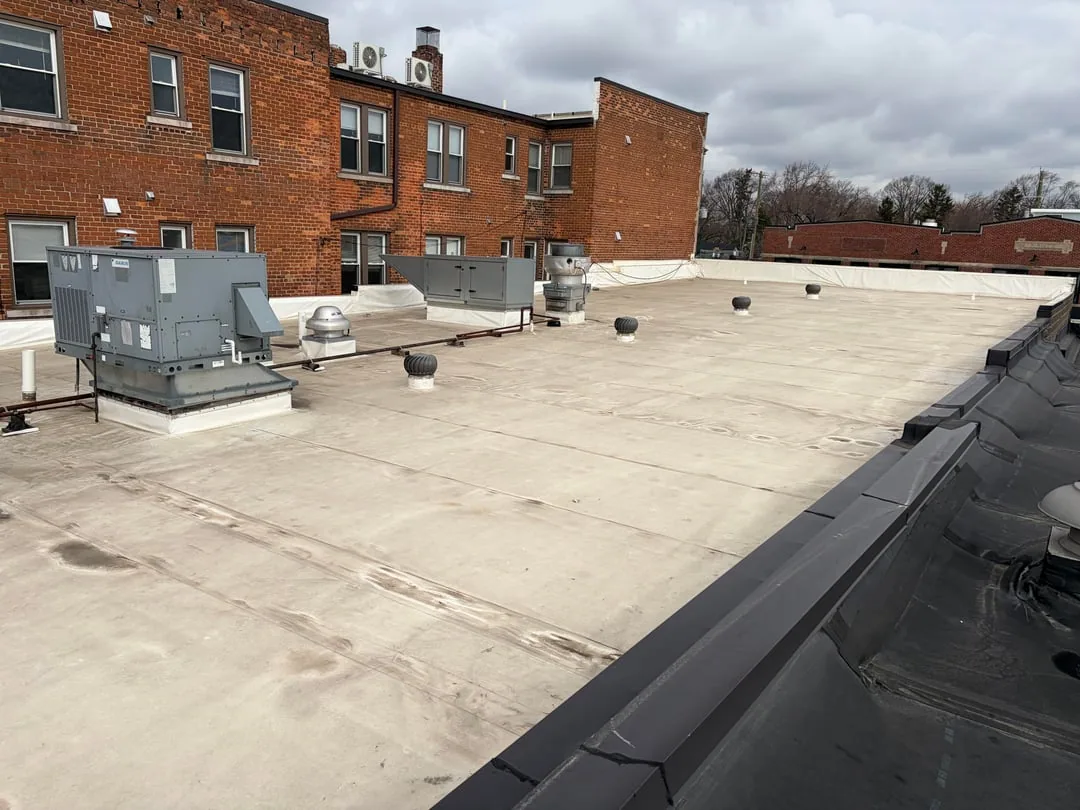
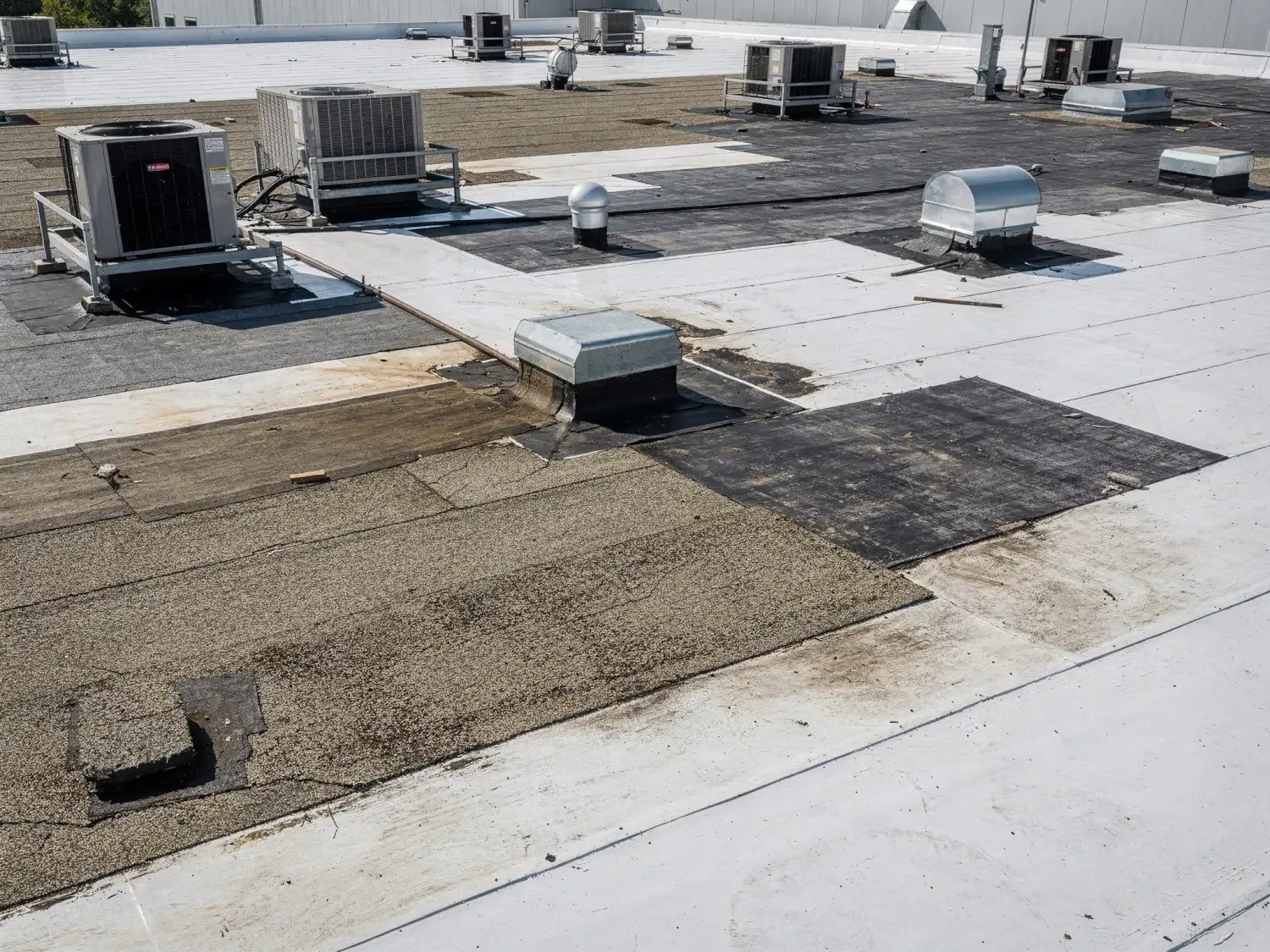
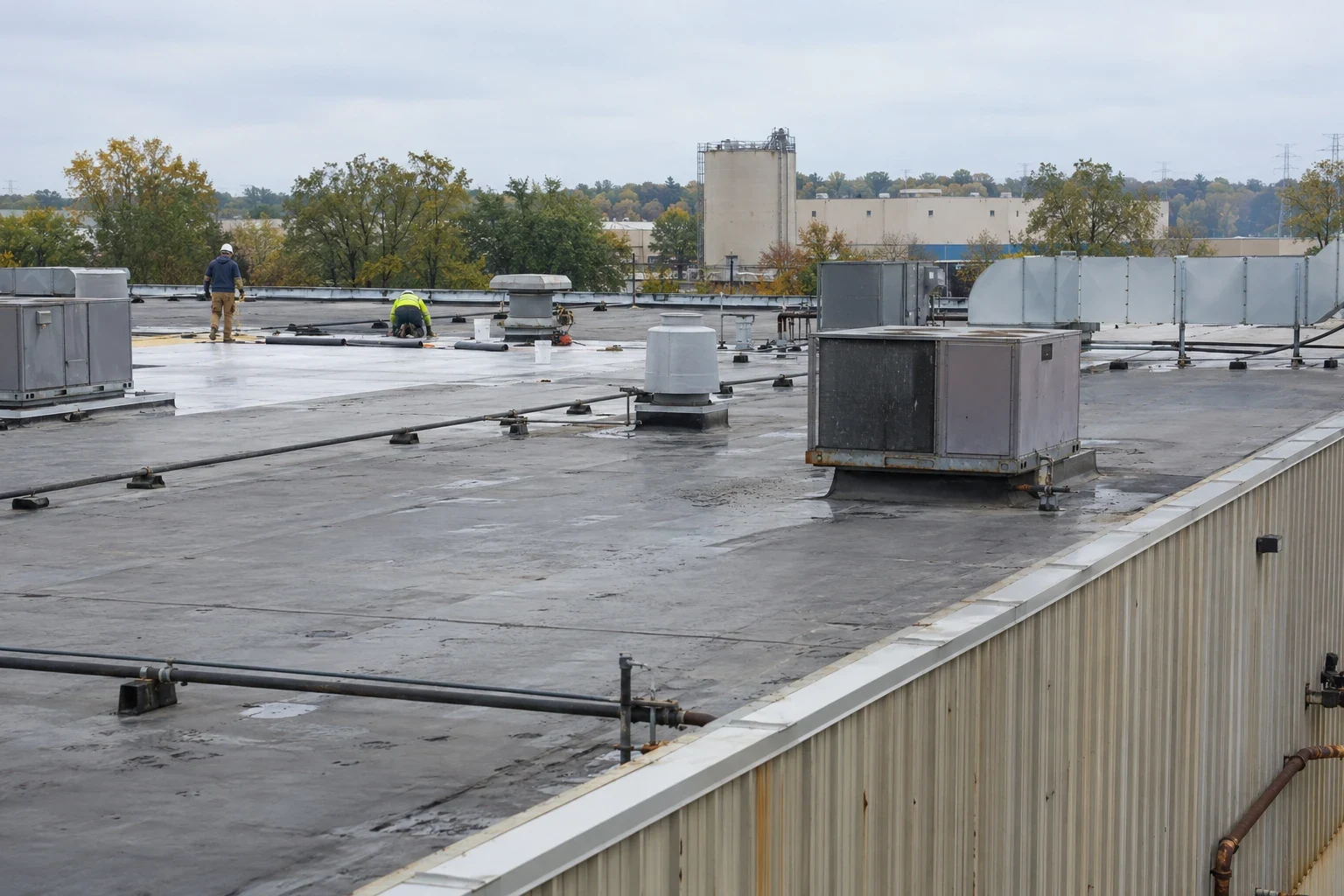
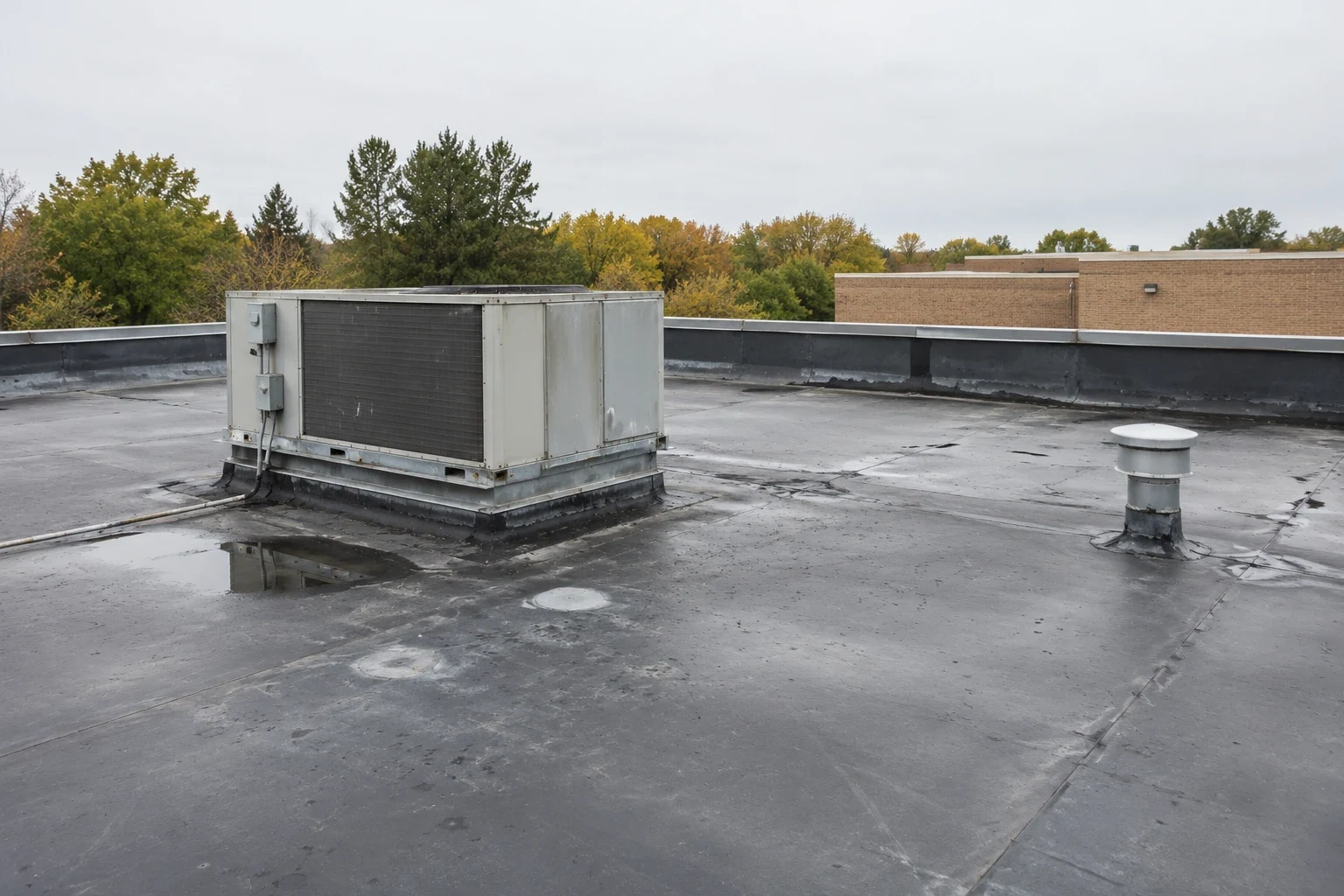
We review roof drawings, specifications, addenda, leak history, product data and the GC’s current sequence. A site walk checks accessible seams, drains, edges, curbs, penetrations and tie-in conditions. The record identifies what matches the plans and what needs confirmation. If an existing roof differs from the drawings, we state the discrepancy and prepare a question for the design or owner representative rather than building a price around an unverified detail.
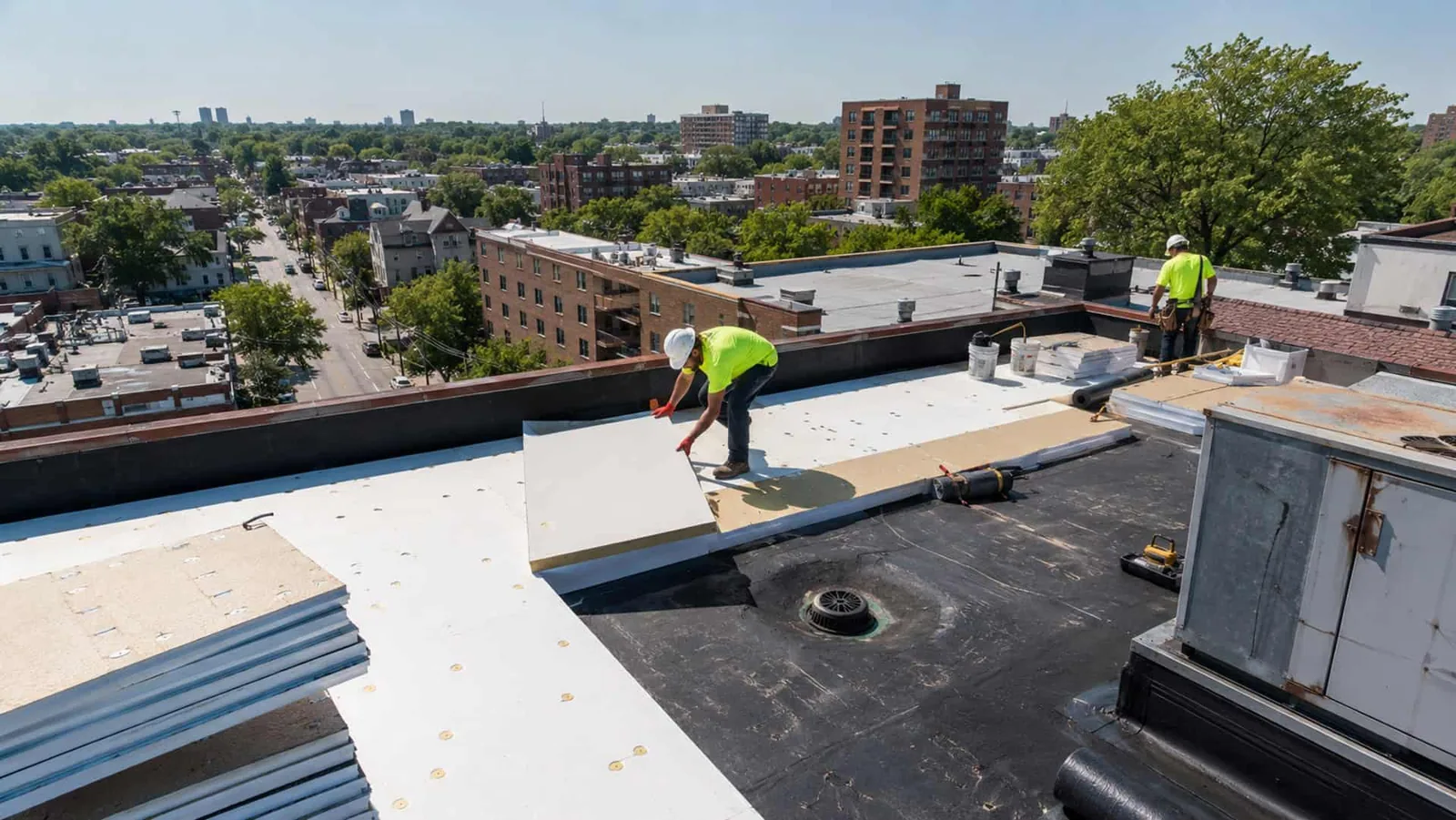
On a re-roof or tenant improvement, other trades may have added equipment, conduit, supports or openings. We identify those interfaces and clarify who furnishes each curb, counterflashing, disconnect, patch or test. A roof inspection can document preconstruction conditions, while a repair scope or replacement estimate can be coordinated with the GC’s bid schedule. We also flag unsafe or restricted access so it can be resolved before a critical-path activity depends on it.
Where a design calls for concealed attachment, substrate testing or a manufacturer inspection, the proposal should state the required hold point and notice period. We confirm the material lead time only after the selected assembly and approved submittal are clear. This lets the GC coordinate procurement without treating preliminary product availability or a field assumption as a committed delivery date.
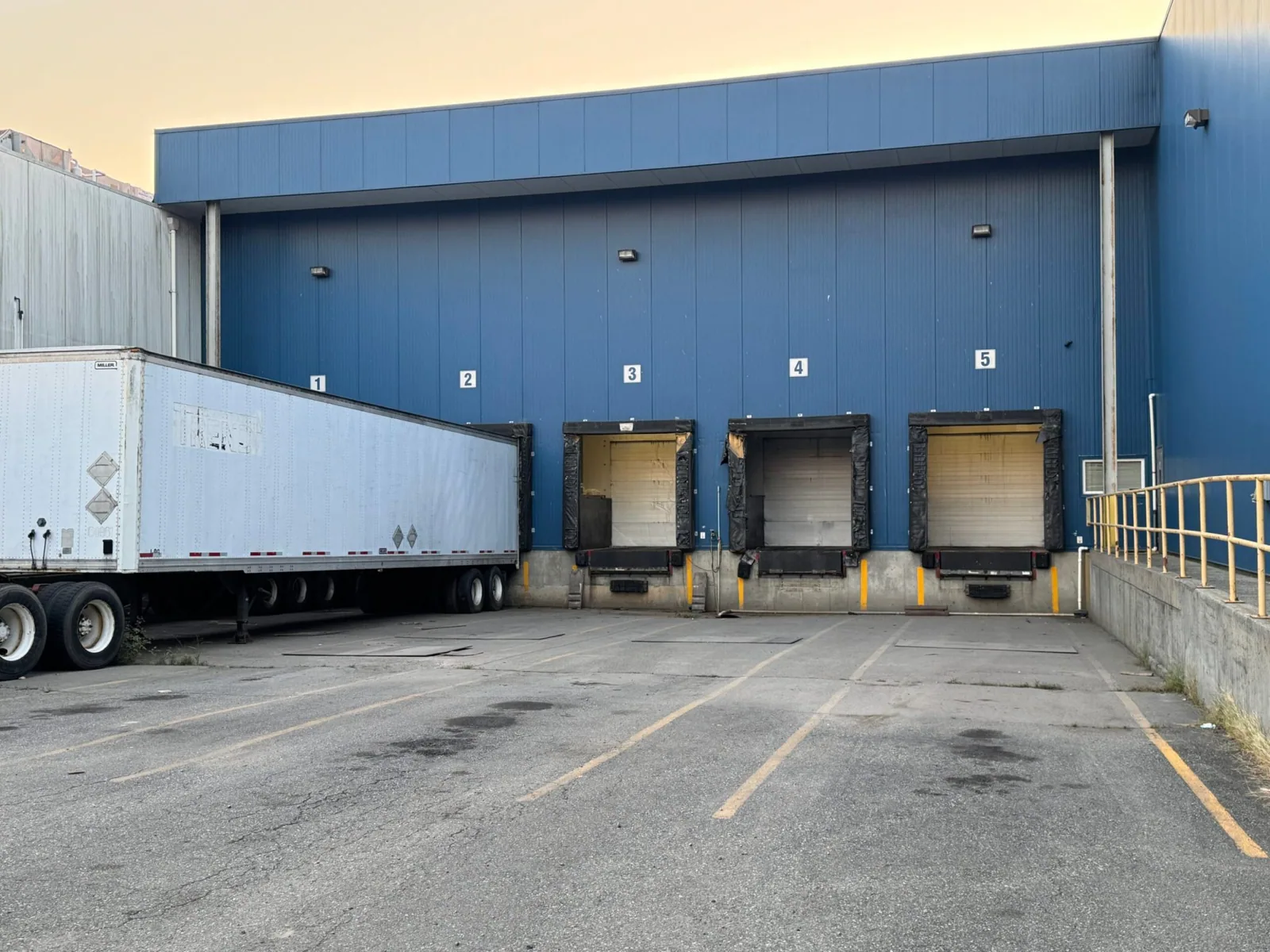
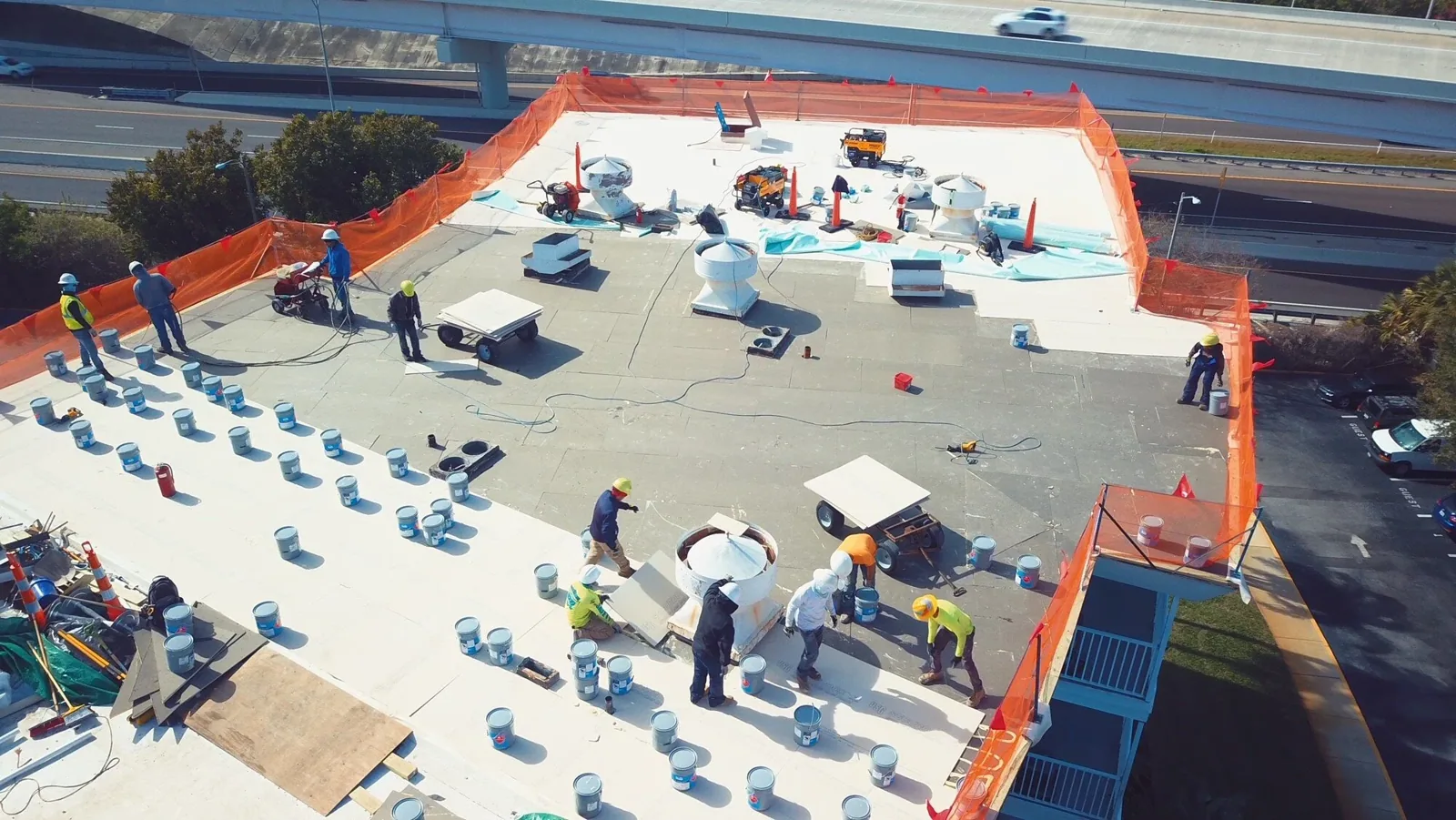
Before work starts, we confirm the superintendent, roof access, crane or lift plan, material staging, building occupancy and the active work zone. We identify who can authorize a sequence change and how RFIs or field conditions reach the design team. Daily limits specify temporary dry-in, protection below and any surface that cannot be disturbed. The site plan should account for deliveries, public routes and other trades working at roof level.
Roofing interfaces often overlap mechanical, electrical, plumbing, solar, glazing and façade scopes. We attend coordination reviews when requested and identify the order for curbs, equipment, flashing, testing and final tie-ins. An occupied-building work plan may help where the project remains open. The GC retains overall site coordination; our crew follows the approved roof sequence and reports a conflict before covering it.
At a phased project, the superintendent can use a zone map to coordinate inspections and release areas to follow-on trades. We record roof access points, safety controls, work completed and open RFIs. If weather interrupts work, we identify the protected boundary and the next readiness check. This keeps roof status visible in the daily coordination meeting without implying other trades are complete.
Greeley Airport records track high temperatures, wind, precipitation and snow. These observations frame seasonal planning; current surface and wind conditions determine whether installation can proceed. Heat can change safe work hours and material limits. Wind affects lifts and membrane handling, and snow or ice may restrict access near drains and edges. We check the site and follow the selected manufacturer’s installation instructions before confirming the work window.
Hail and tornado events are included in Weld County storm history. A regional event may trigger a roof review, but it does not establish damage at a project site. We inspect the affected area, record visible conditions and note access limits. If the GC is sequencing repairs after a storm, we separate temporary protection from permanent work and identify what documentation the owner or insurer may require.
Yes. We review the bid set, list roofing inclusions and exclusions, and identify details or existing conditions that need clarification.
We can coordinate roof access, daily work zones, staging and trade interfaces with the designated superintendent under the project’s communication rules.
We review the specifications and approved system requirements. Warranty terms and manufacturer inspections depend on the selected assembly and project documents.
We document the condition, identify the affected scope and request written direction through the GC before performing added work.
Send plans, specifications, addenda, schedule, access and staging rules, bid form and submittal or closeout requirements.
A useful bid describes roof area, assembly, removal limits, substrate assumptions, attachment, insulation, flashing, drainage, penetrations, edge details, protection and cleanup. We identify alternates separately and list exclusions for interior work, equipment service or structural changes unless the documents assign them to roofing. If field verification is required, we state the test and approval point before the crew proceeds.
Cost and schedule depend on roof geometry, access, material, demolition, equipment, phasing, weather protection, closeout testing and trade interfaces. We compare repair with replacement when project facts support each option. Local manufacturers and industrial operators make Greeley an active construction market; each contract still needs its own details and accepted submittals. The GC can coordinate manufacturer requirements with our manufacturing-facility roofing team.
For complex work, the estimate should identify what changes price: hidden wet materials, deck damage, additional penetrations, revised phasing or a design change. We can provide unit prices when the bid documents define a measurable quantity and approval process. A written clarification protects both the GC and building owner from treating a contingency as completed scope.
During preconstruction, we can review the roof sequence against crane picks, façade work and mechanical setting dates. The GC can identify when a curb must be installed, when the roofer can flash it and which inspection prevents concealment. If a building remains occupied, we map safe access and temporary cover by phase. A short coordination record gives the superintendent a useful baseline for the look-ahead schedule.
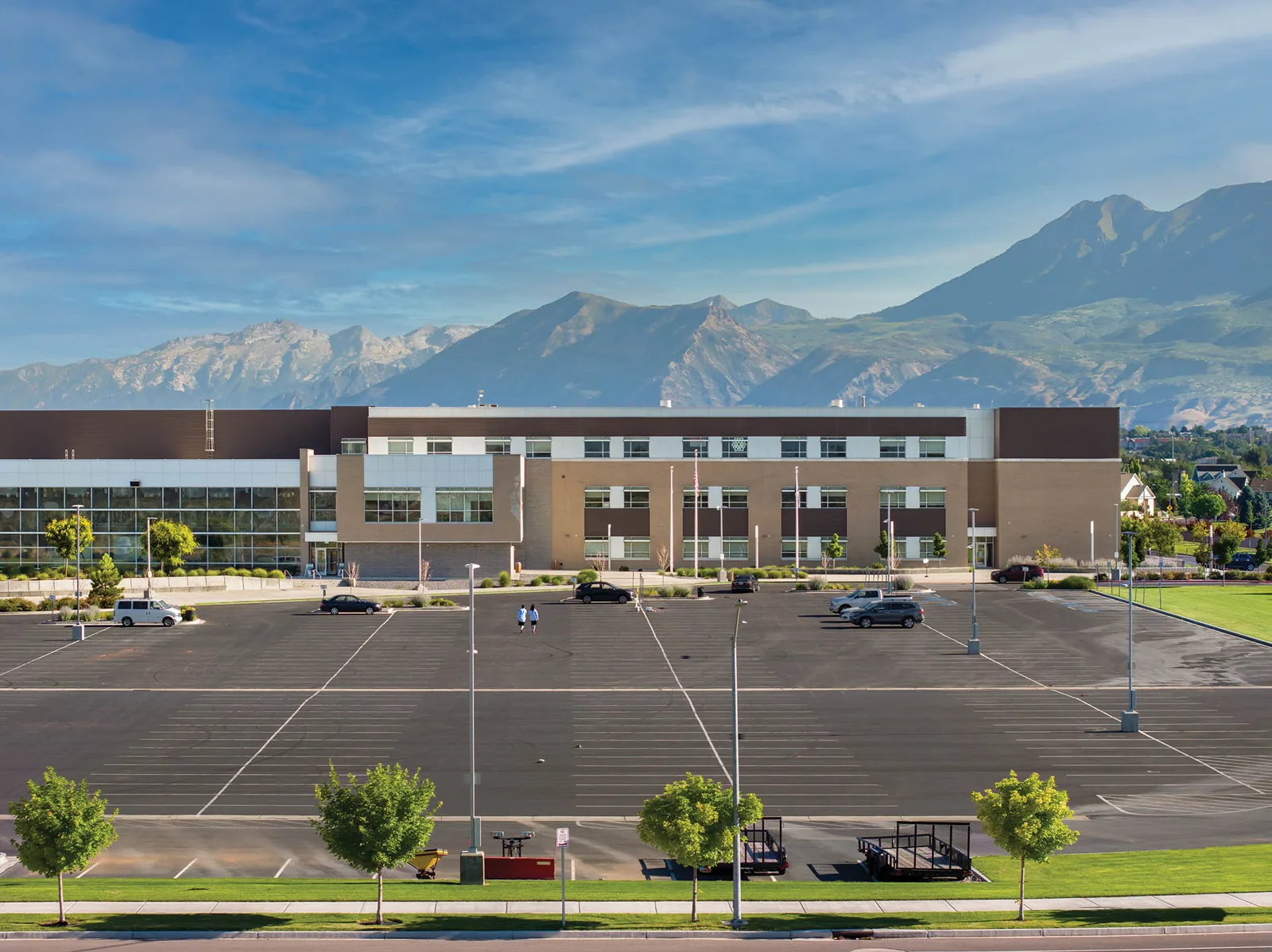
Closeout may include approved product data, photographs, inspection notes, warranty documents where applicable, marked roof plans, completed punch items and open exceptions. We identify areas released to the next trade and any follow-up that remains with the owner. The superintendent receives a concise record with dates and roof-zone labels that can be stored with the project file.
Before pricing, send drawings, specifications, addenda, schedule milestones, access rules, pre-bid notes, bid form and the person who can answer scope questions. Include any requirement for bonds, insurance, manufacturer review or closeout data. Greeley’s corridors and industrial parks provide regional context, while the project documents define compliance and execution. We coordinate with the GC and property manager when building access and turnover involve separate teams.
A well-defined roof package leaves the GC with fewer assumptions to resolve after award. We identify required inspections, access prerequisites and decision deadlines early enough to fit the schedule. If a conflict appears during installation, we document it and wait for authorized direction before changing a specified detail. We can also prepare a simple zone-by-zone closeout index so the superintendent can locate the correct photo or submittal during later warranty calls.