Does the railroad frontage confirm service to my property?
No. The Town’s plan identifies frontage as a potential development focus. The property representative must confirm any current rail access, operator or delivery restriction.

A roof call along the LaSalle U.S. 85 corridor starts with the exact property and the work route approved by its operator. LaSalle’s comprehensive plan identifies Highway 85 for economic-development attention and points to Union Pacific Railroad frontage as a potential business and industrial-development focus. The Town maintains separate map material for the highway and commercial land uses. These plans give regional context; they do not confirm a rail connection, roof assembly or current use at a particular property. We inspect the installed system, trace the reported condition and record access limits before setting a repair boundary.
Travel along a highway corridor can make arrival timing and material staging useful questions, but the property manager confirms current gates, delivery rules and work areas. A roof inspection ties the recommendation to the roof that can be observed rather than extrapolating from planning maps.
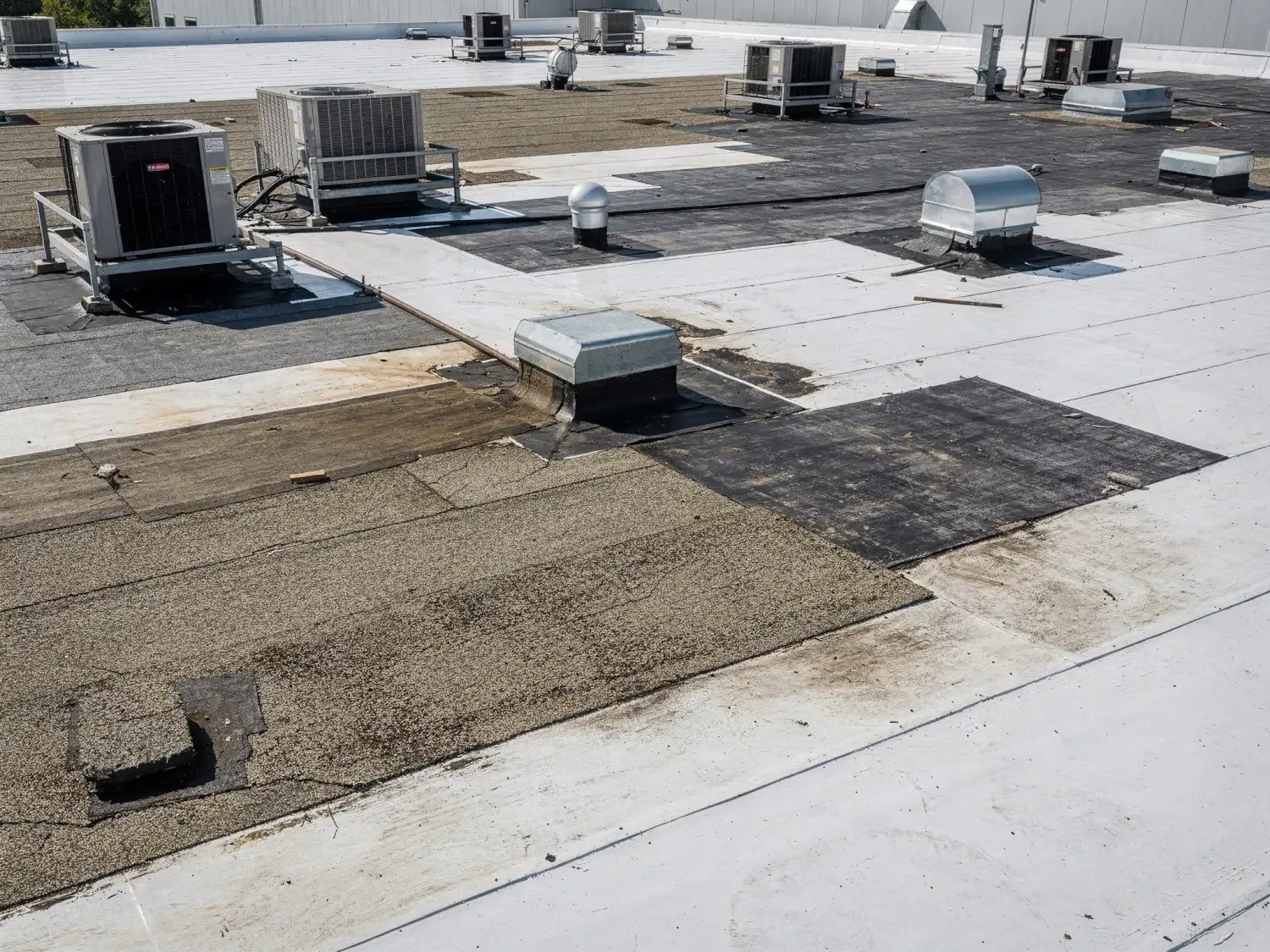
We ask when water appeared, which room or operation it affected and whether recent maintenance or equipment work changed the roof. From the interior report, the crew traces likely routes through seams, insulation, drains and wall transitions. On the roof, we inspect the area above and adjoining penetrations, edges, curbs and previous patches. Photographs identify each observed condition by zone. If the source remains hidden, the report outlines what test or access could resolve the question before a permanent repair is priced.
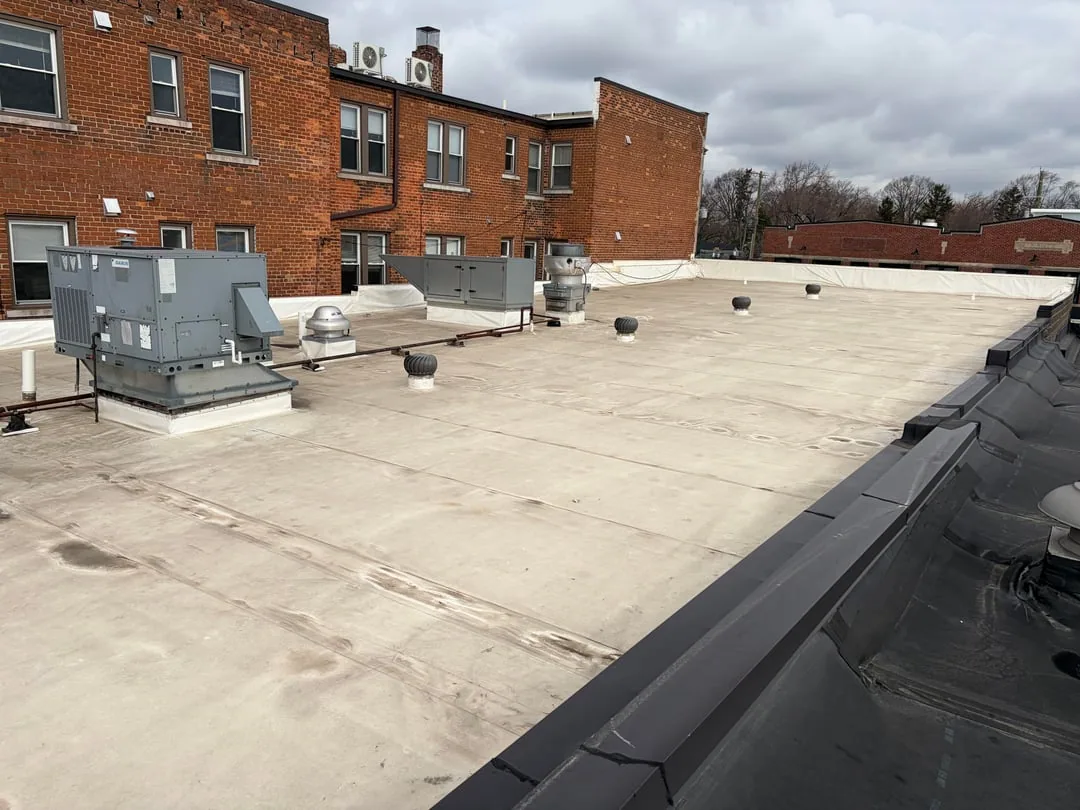
The Town’s maps show land-use and corridor context, not the building’s specific system. We compare available plans and warranty papers with visible membrane, metal panels, insulation transitions and attachment. If the property manager confirms an active loading area or rail-related boundary, we include it in access planning without presuming who operates or controls the frontage. A condition report with location references can preserve those limits and show the owner which areas need a return visit.
If water is entering now, we can install temporary leak protection and state where the protection ends. A permanent repair may require drying, material removal or a test opening. We keep those steps distinct and give the site contact a clear next action for the affected room and roof zone.
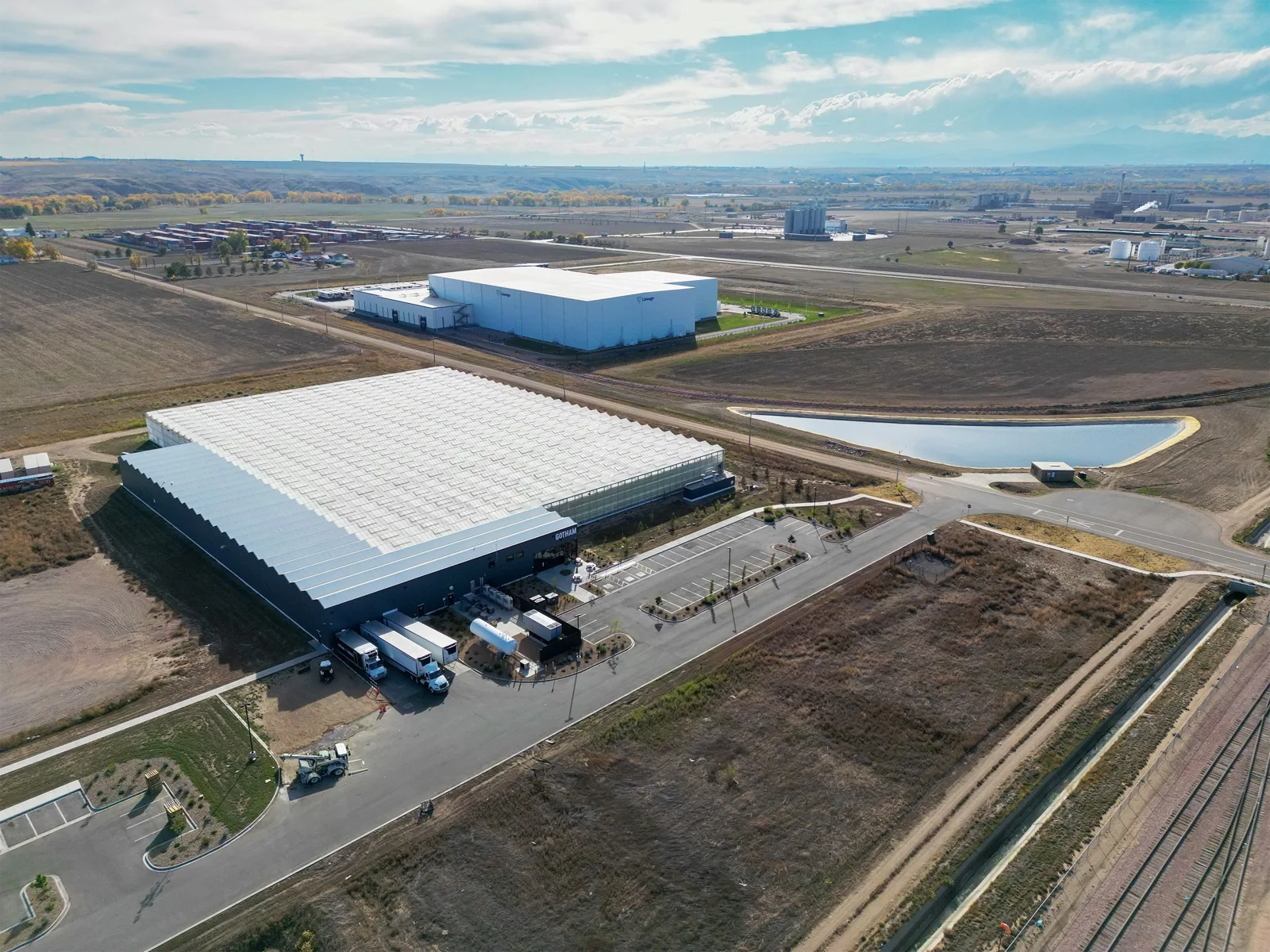
Before the crew arrives, the owner confirms the entrance, hours, staging area and any restrictions on lifts, trucks or equipment shutdowns. The corridor and railroad frontage may be relevant to a property’s own delivery plan, but only its representative can confirm the current route and authority. We do not assume a rail operator, truck path or public closure from the plan. If work is near a service lane, the site contact sets the barrier and identifies the person who keeps it clear.
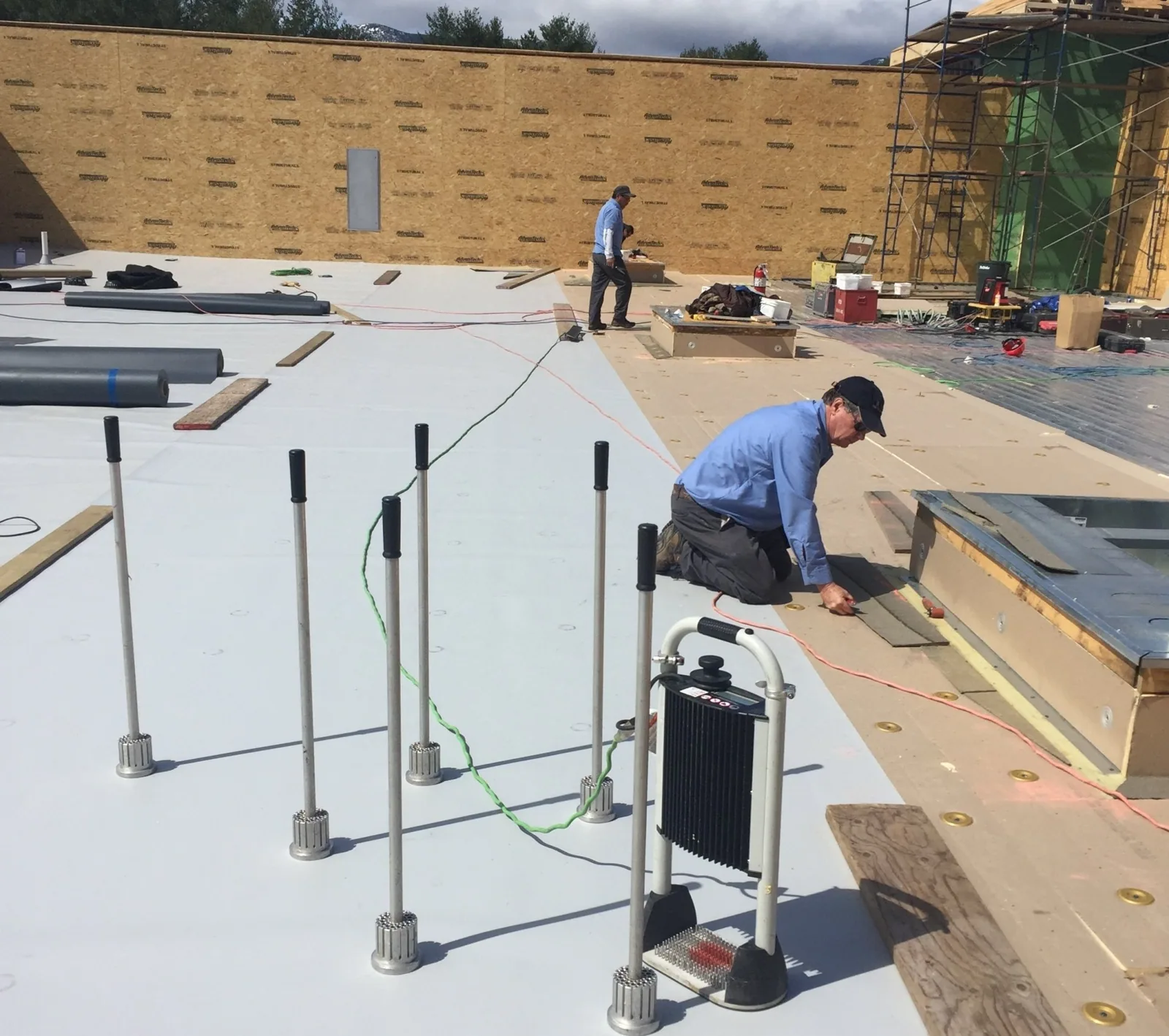
A repair scope states preparation, materials, tie-in, protection below, daily dry-in and closeout. We limit removal to the authorized area and keep debris away from drains and vehicle paths. If the exposed roof differs from drawings or contains wet material beyond the boundary, the crew pauses, documents the finding and asks for direction. A targeted repair proposal stays separate from a revised scope for concealed damage.
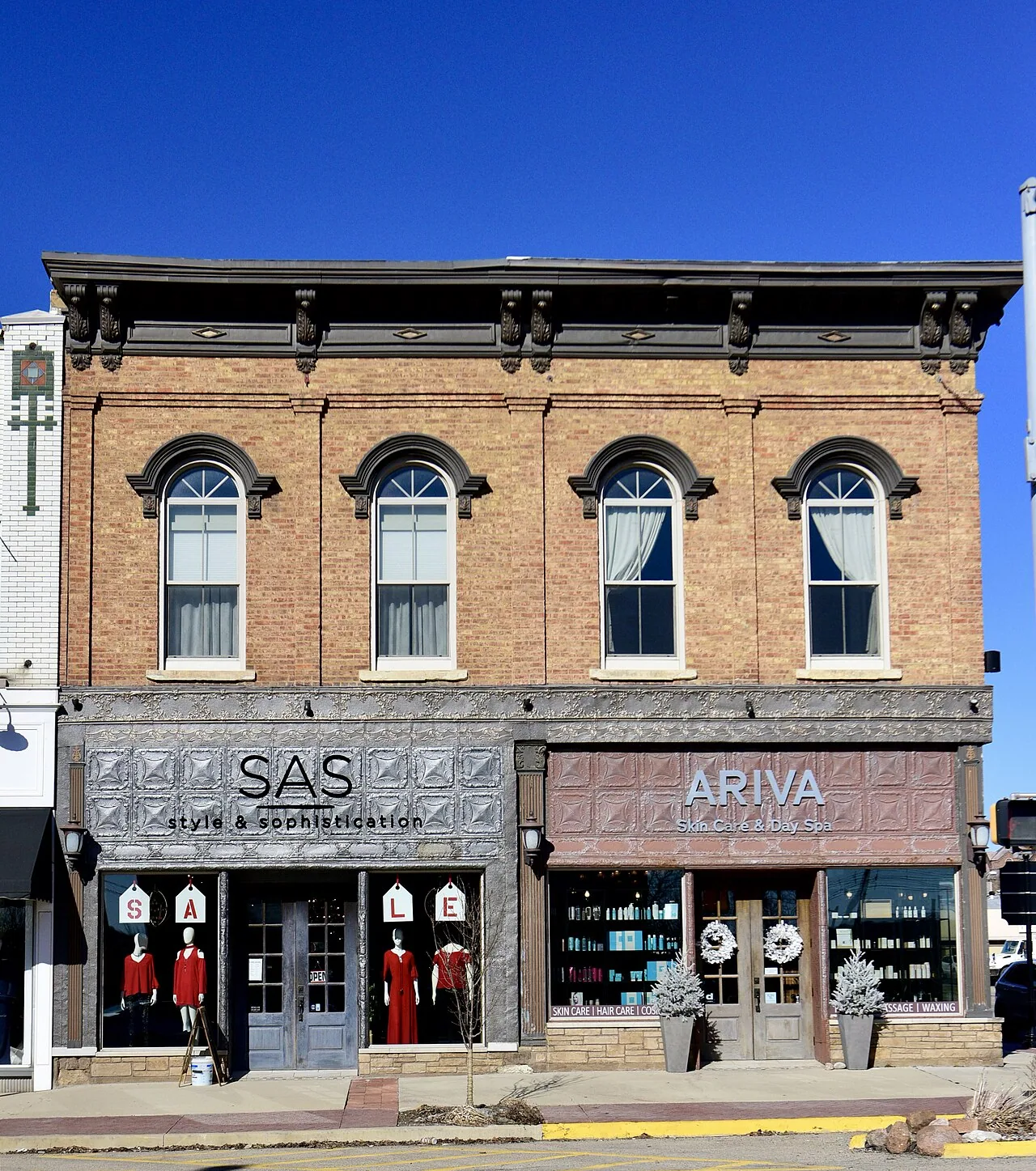
The Town’s planning material treats Highway 85 and commercial land use as distinct map topics. That is a reminder to ground each property report in the inspected address and assembly. A scheduled maintenance visit can return to the repaired area and nearby outlets. If a portfolio includes Historic Downtown LaSalle, that area receives its own access, finish and drainage notes.
Seasonal heat, snow, wind and precipitation around Greeley affect safe roof access and work timing in LaSalle. Before a repair, we check surface moisture and temperature against the selected product’s instructions. A damp surface can compromise a bond; heat can change material handling and worker limits. The daily plan limits roof openings to the area that can be protected and closed under the conditions present at the property.
Weld County summaries include hail and tornado events. They do not show what happened at a corridor building. For a post-storm visit, we inspect the actual roof for punctures, displaced edge metal, separated flashing, impact marks and debris at drains. We photograph evidence and note any blocked or unsafe area. If weather prevents a full walk, that zone remains a follow-up item. The owner receives a record of observed facts, not a conclusion based on the storm report alone.
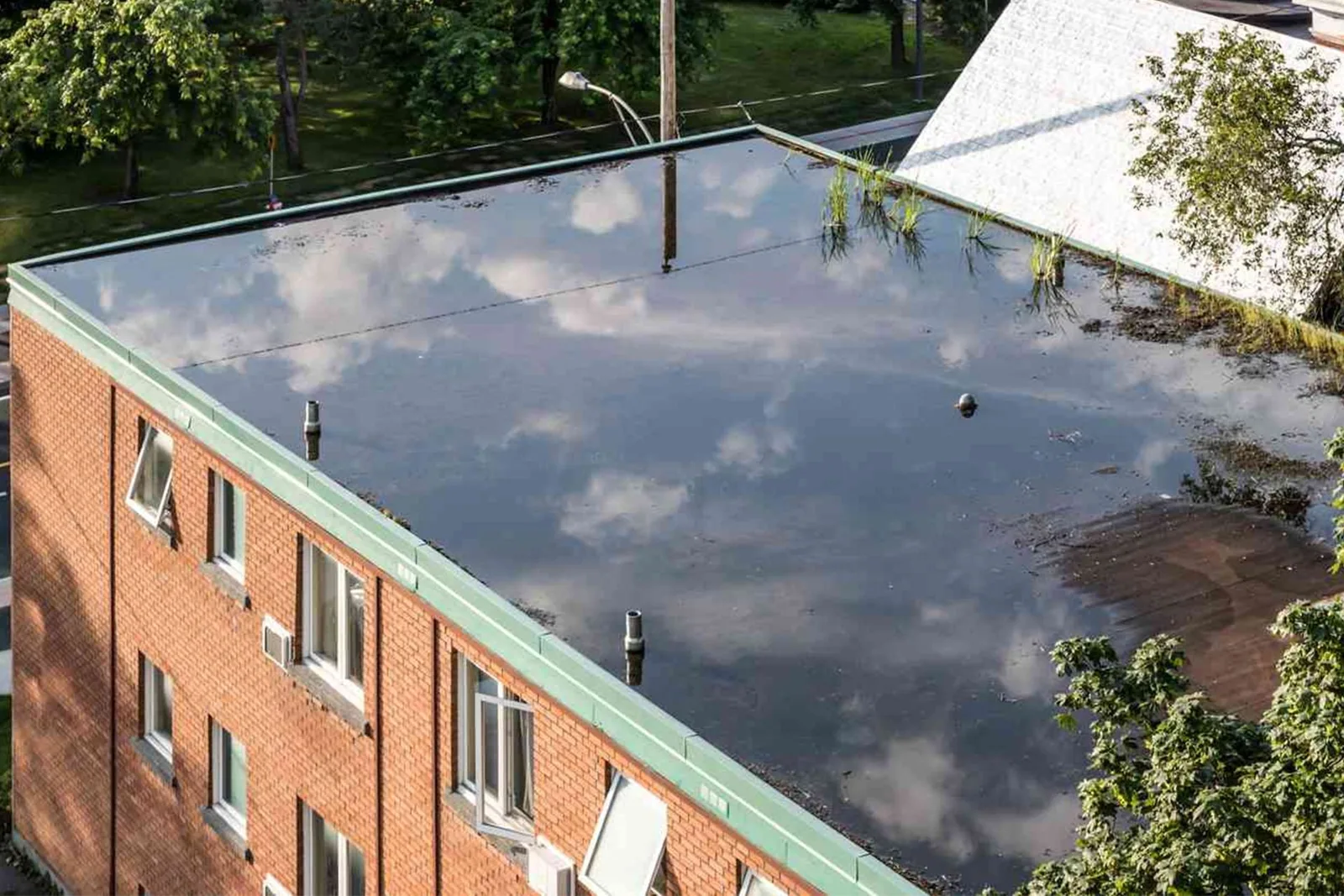
Railroad frontage and highway access do not determine roof drainage or structural capacity. We inspect slope, outlets, scuppers, edge attachment and equipment transitions. When a larger alteration is considered, the applicable permit office should confirm current requirements. A roof drainage review can isolate a problem at an outlet, while broader roof testing remains separate unless the owner authorizes it.
No. The Town’s plan identifies frontage as a potential development focus. The property representative must confirm any current rail access, operator or delivery restriction.
A map can help locate the corridor, but the owner confirms gates, traffic, loading areas and approved setup locations before a crew mobilizes.
We photograph visible roof impacts, displaced details and drainage obstructions, then list any zone that could not be reached. The county report does not substitute for inspection.
We can coordinate both visits, but each property needs its own inspection boundary, access plan, roof photos and recommendations.
Cost depends on actual repair dimensions, assembly, layers, moisture, access, edge detail, protection, staging and disposal. One opening may be repairable locally if the materials around it remain secure. Multiple leaks, an unknown overlay or wet insulation can require testing before the owner decides on broader work. We report which findings are confirmed and which are questions, then separate the investigation from the repair authorization.
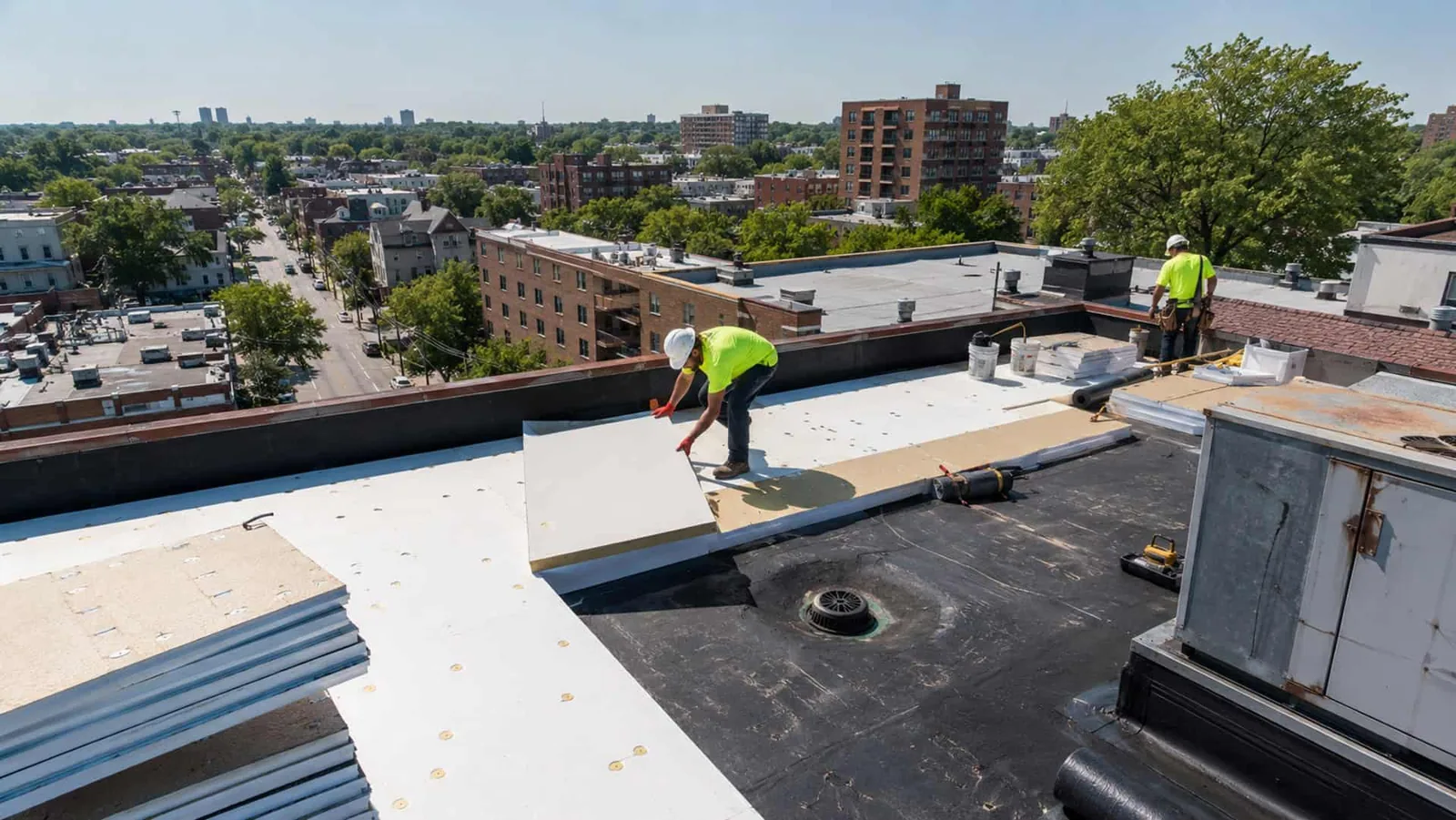
A recover can be considered when the deck and existing roof can accept another layer and moisture will not be trapped. Replacement allows concealed areas to be removed and inspected but has greater disruption and material handling. We compare alternatives using the field report, roof records and owner schedule. Any proposal notes entrances, loading restrictions, daily dry-in, protection below and work excluded from the roofing scope. A replacement plan should follow the building evidence, not a long-range economic-development map.
LaSalle’s plan connects commercial development to Greeley and Evans while identifying distinct highway and downtown materials. Those regional relationships can help an owner plan a portfolio, but they do not make one building’s condition apply to another. A separate Evans corridor inspection has its own roof record. Each scope names the system, measured area and access plan that support it.
At closeout, we identify the observed assembly, roof zone, repair material, photographs, work completed and any open test. If site access blocked a section, we name that limit and what would be needed to inspect it. If the owner approved extra work after opening the roof, we document the condition and authorization. These records help a facilities contact compare a later leak with the actual repair instead of relying on memory.
Send the affected space, leak timing, prior repairs, available drawings and property-specific delivery or access rules before the visit. Name the person who can authorize testing, a change in quantity or a work-hour adjustment. We will confirm the roof boundary and return a written repair or renewal recommendation. Highway and rail planning context can orient the discussion; the building’s condition determines the roofing work.