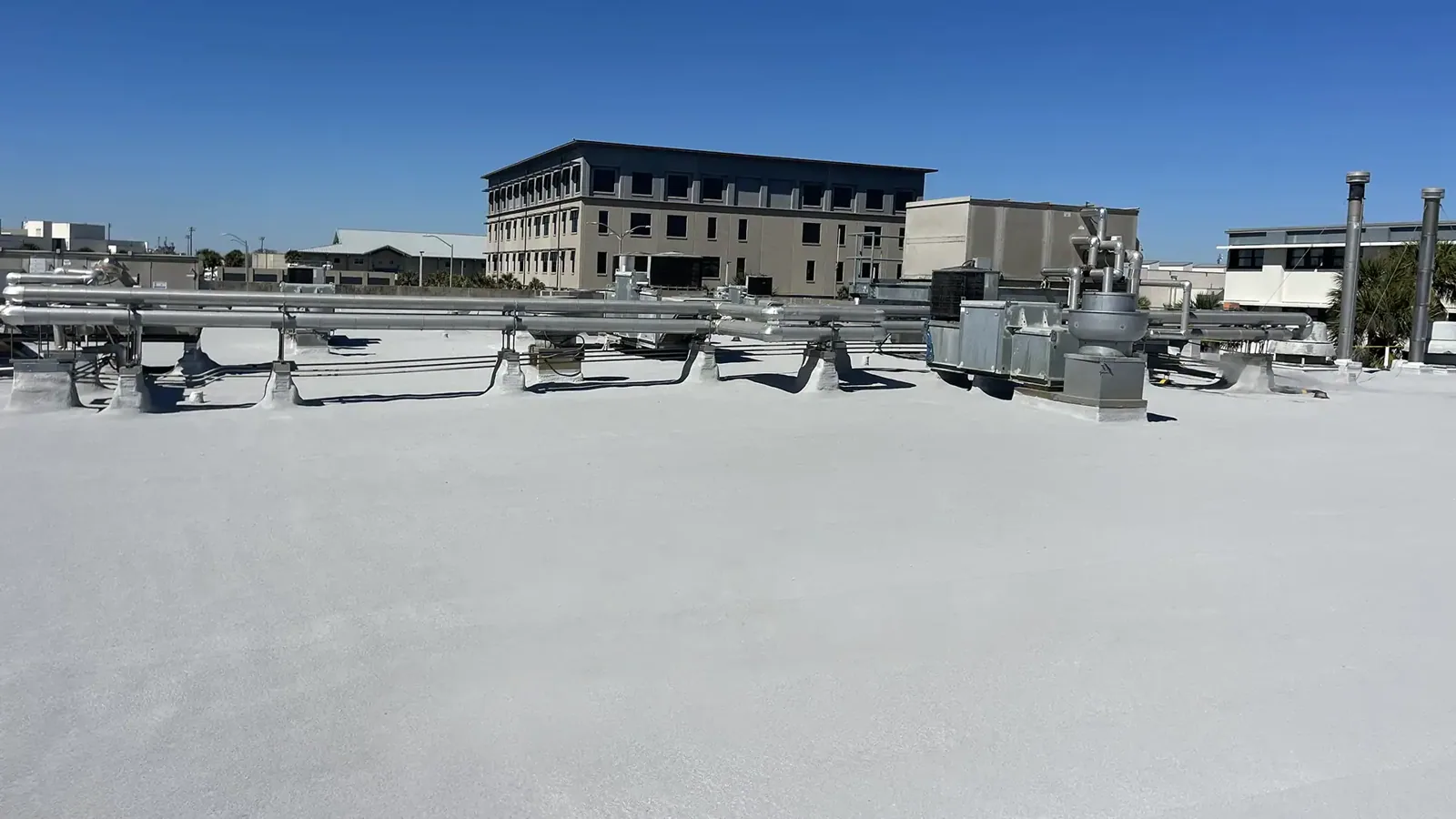
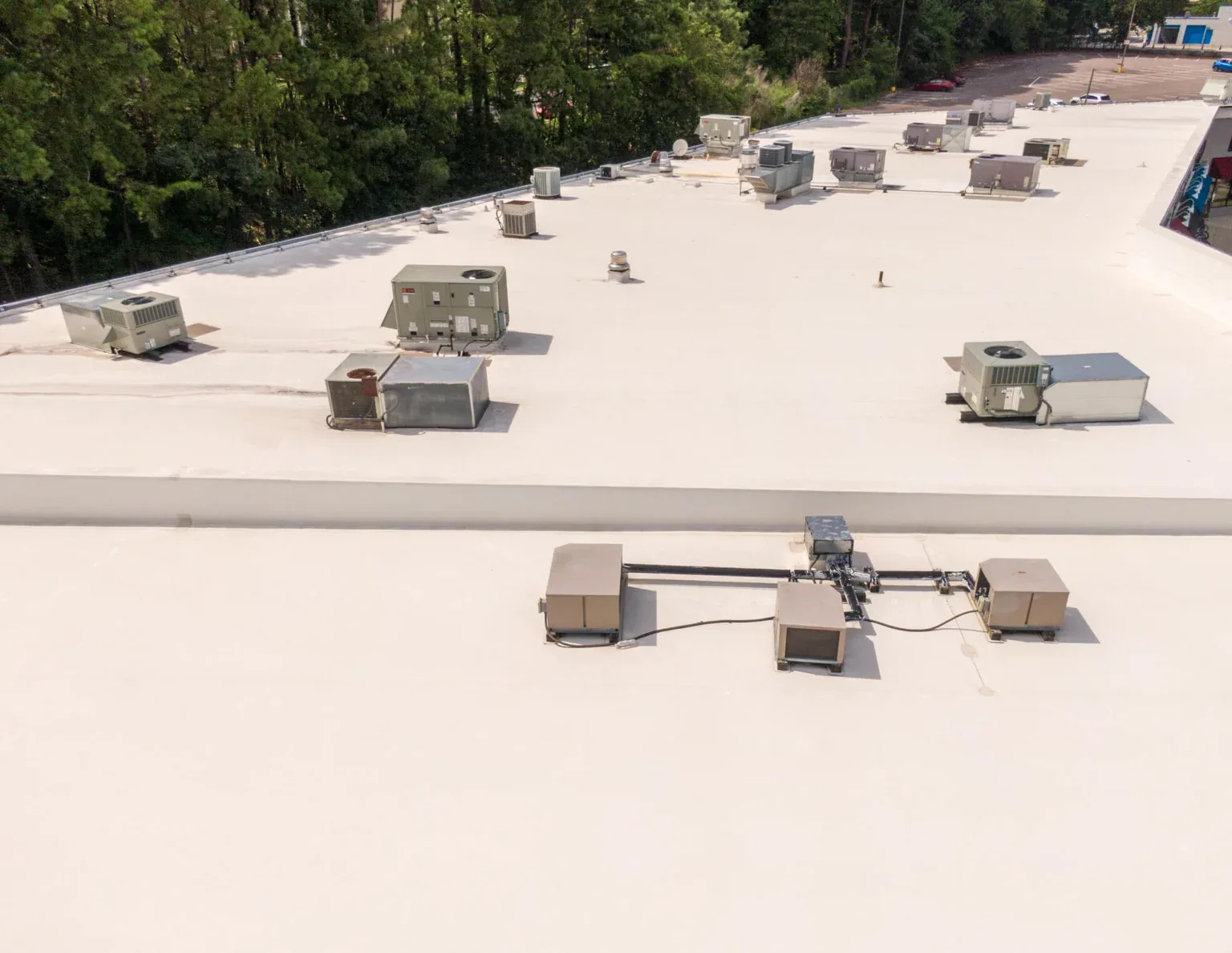
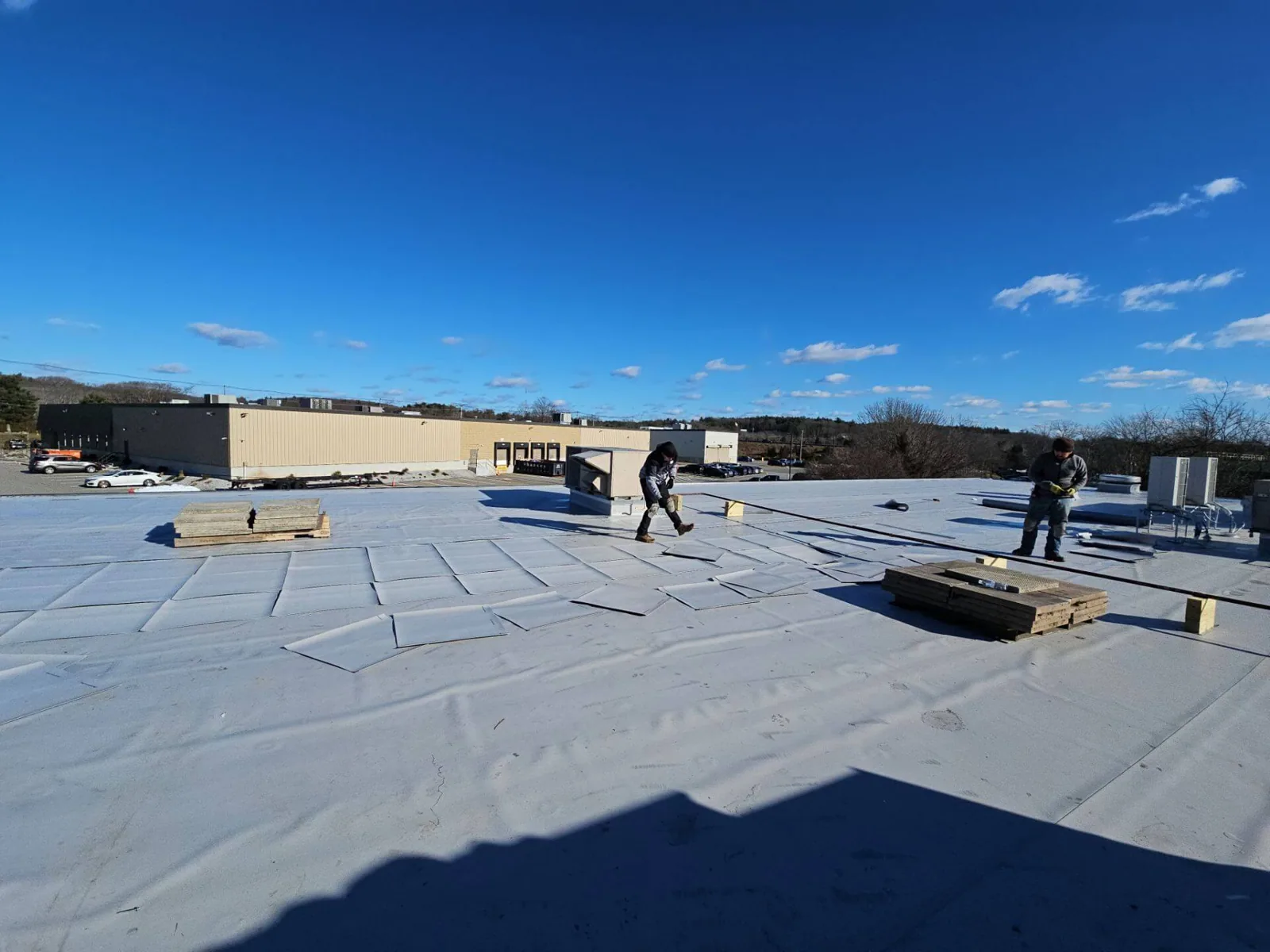
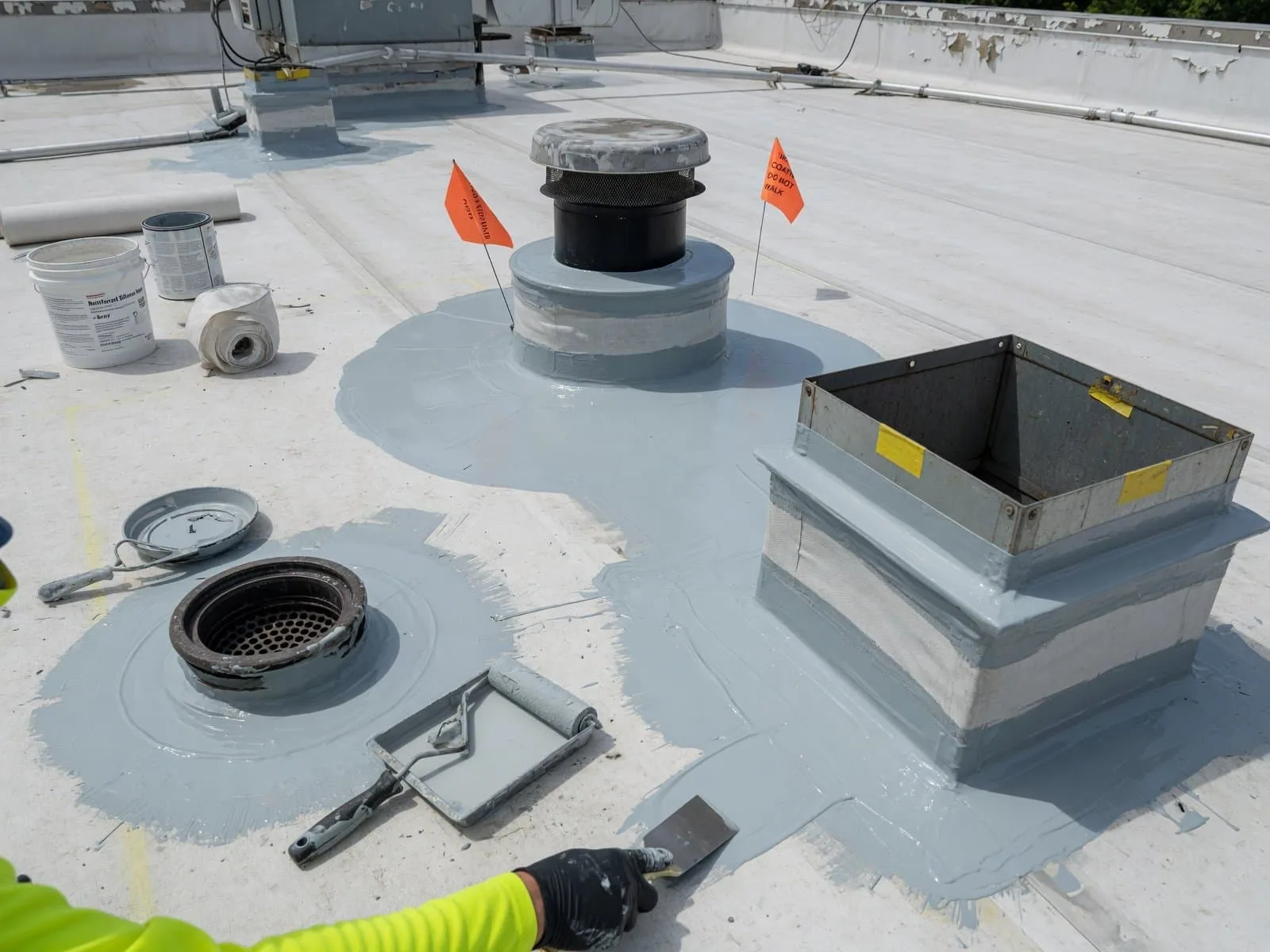
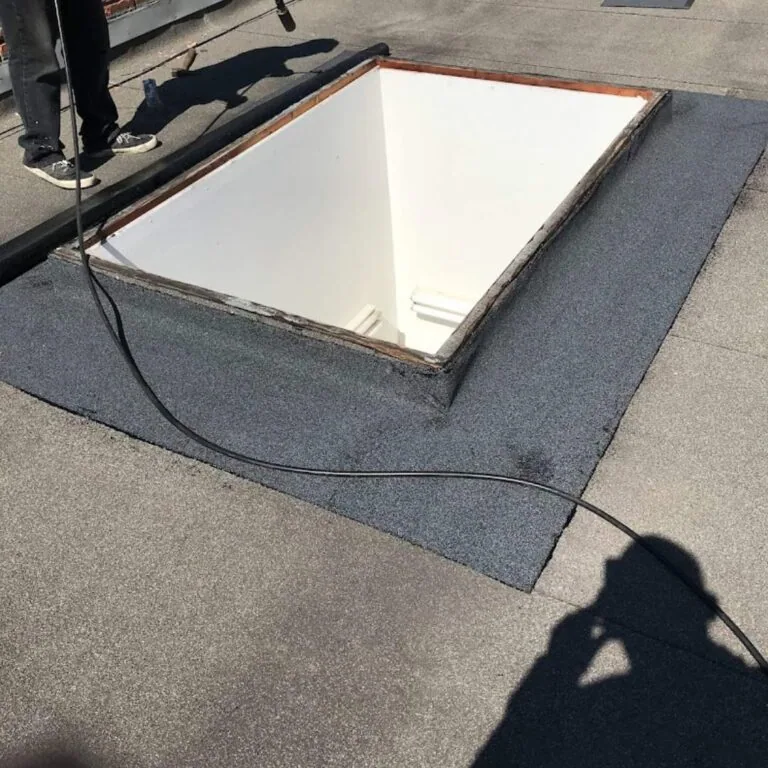
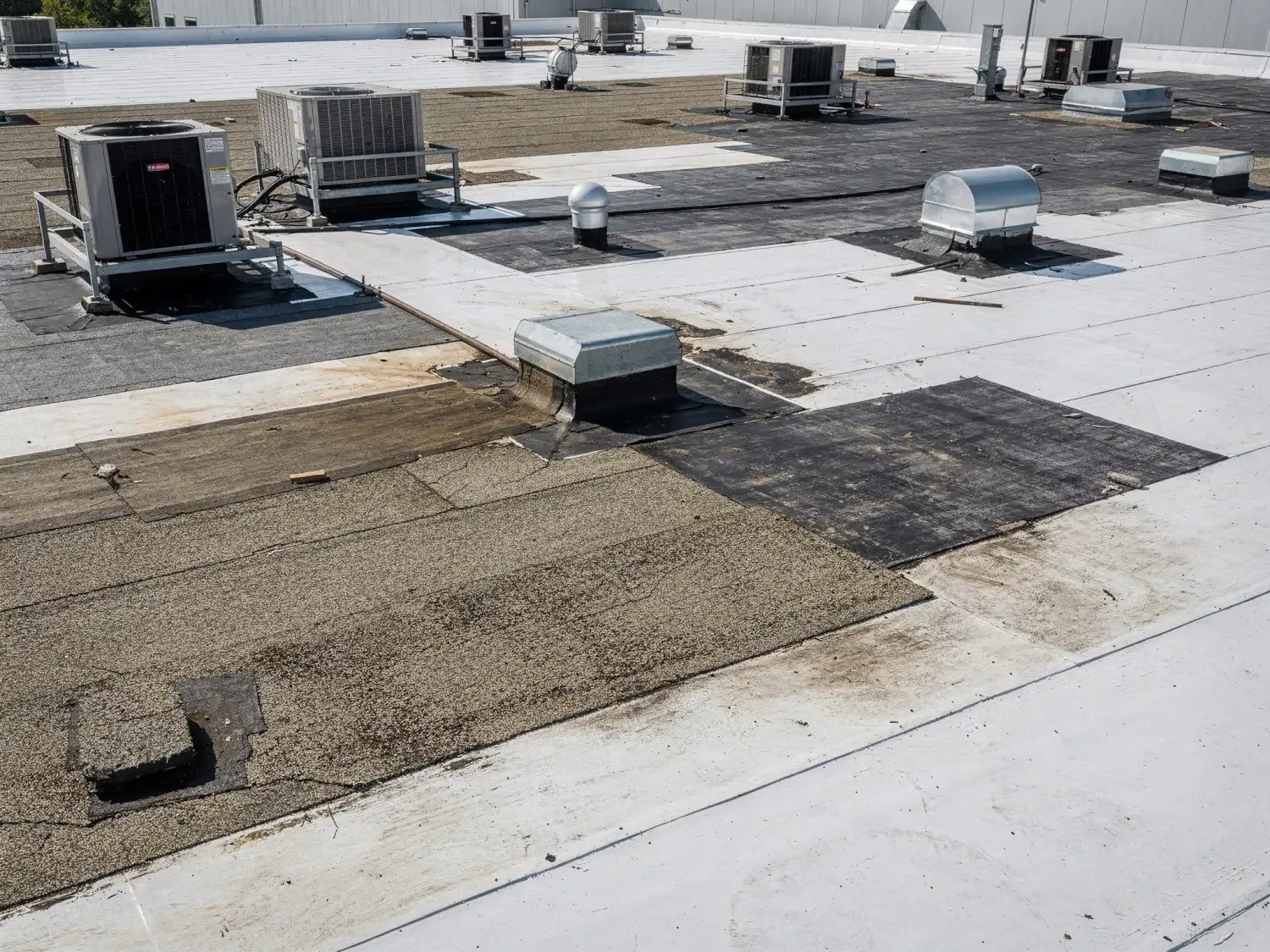
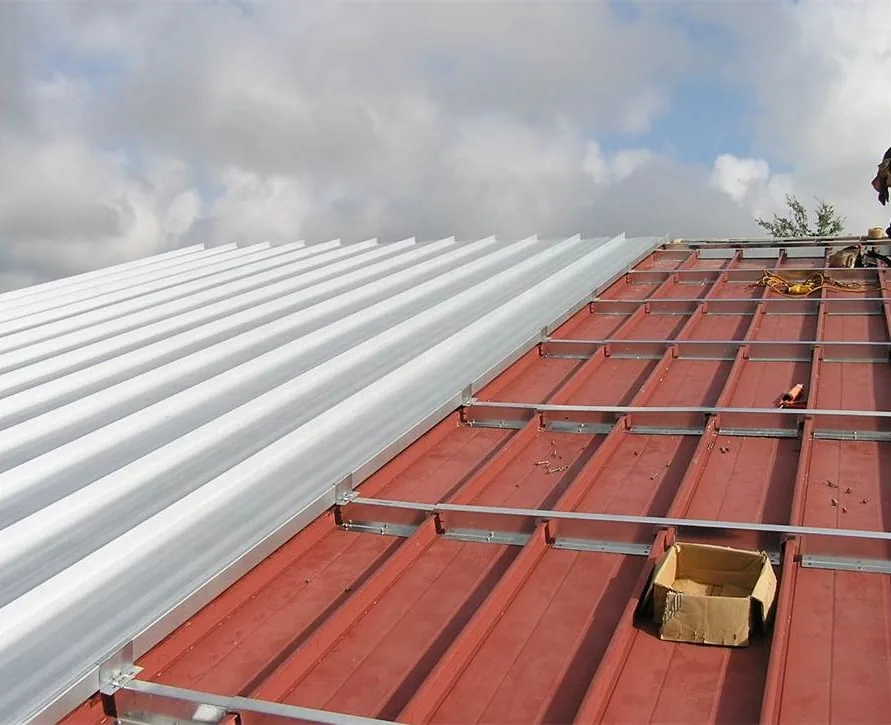
We review panel ribs, seam engagement, clip movement, exposed fasteners at trim and sealant at transitions. A panel can look intact while an end lap or curb detail allows water beneath it. We check for corrosion, coating wear, impact marks and movement at supports, then compare observations with interior reports. Where the roof plan or product information is unavailable, we record the profile and any uncertainty before selecting a replacement component.
Standing seam panels move as temperatures change. A clip that is bound, damaged or installed incorrectly can restrain that movement and stress the panel or seam. We inspect attachment points where access allows, especially near eaves, ridges, valleys and penetrations. If water has reached the interior, a leak investigation can trace the path through the panel system rather than sealing the closest visible joint.
Panel profile and clip spacing can vary, so replacement metal must match the existing seam geometry and attachment. We check whether a damaged panel can be removed without disturbing neighboring sections and what trim must be released to reach it. If the panel finish has been coated, the repair also needs a compatible finish at cut edges. This planning keeps a localized replacement from creating a larger problem at the adjoining panels.