Does Johns Manville make more than one commercial roof system?
Yes. Its commercial portfolio includes several membrane and asphalt systems, along with insulation products. We identify the installed assembly before setting repair details.
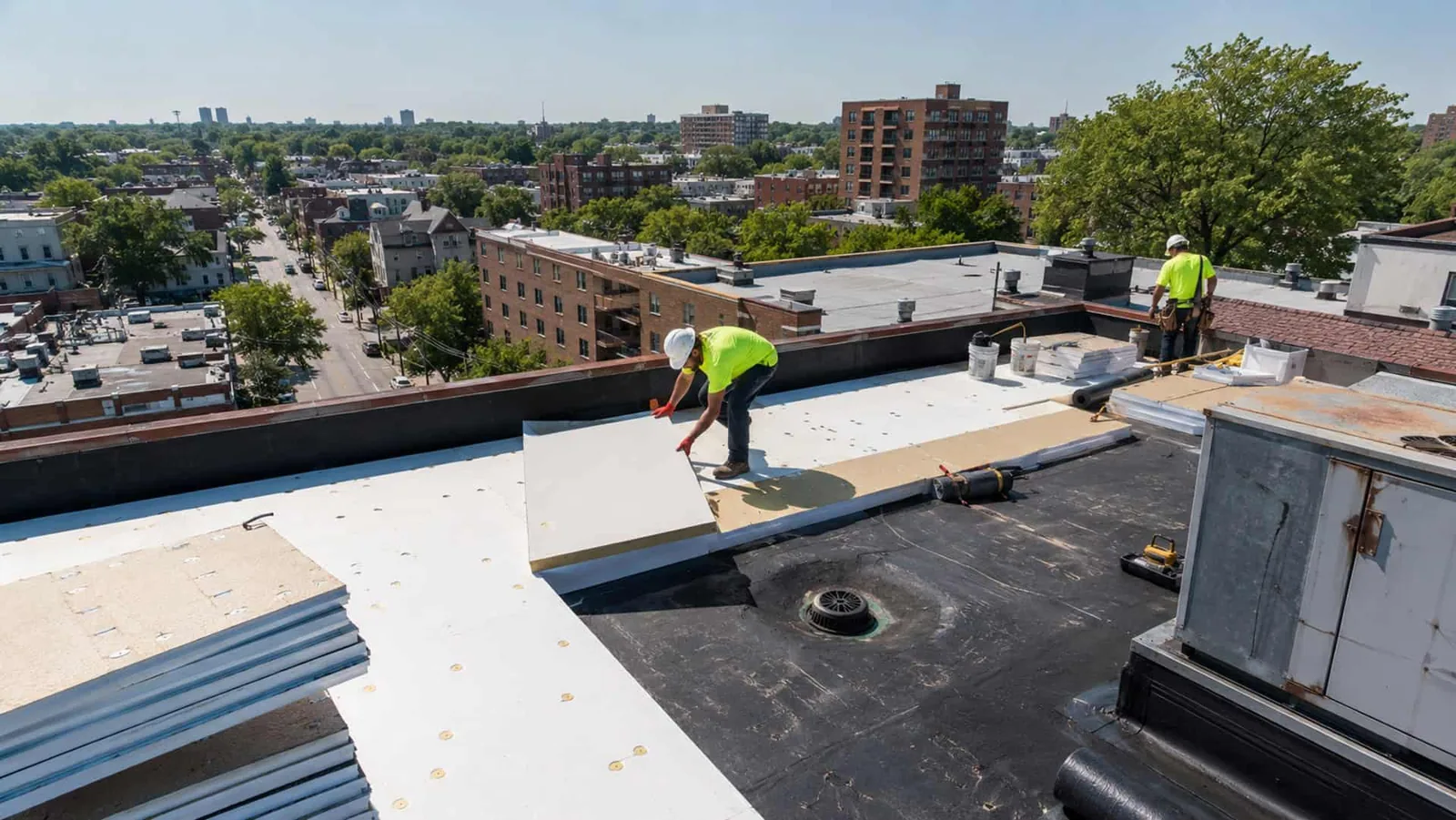
A Johns Manville roof can include a membrane, asphalt layers, insulation or a combination of components. The product on the roof and its attachment determine how a repair should be made. We check available submittals, identify the installed system in the field and record the details around the reported condition. That avoids basing a repair on a brand name alone when the building has multiple roof sections or later modifications.
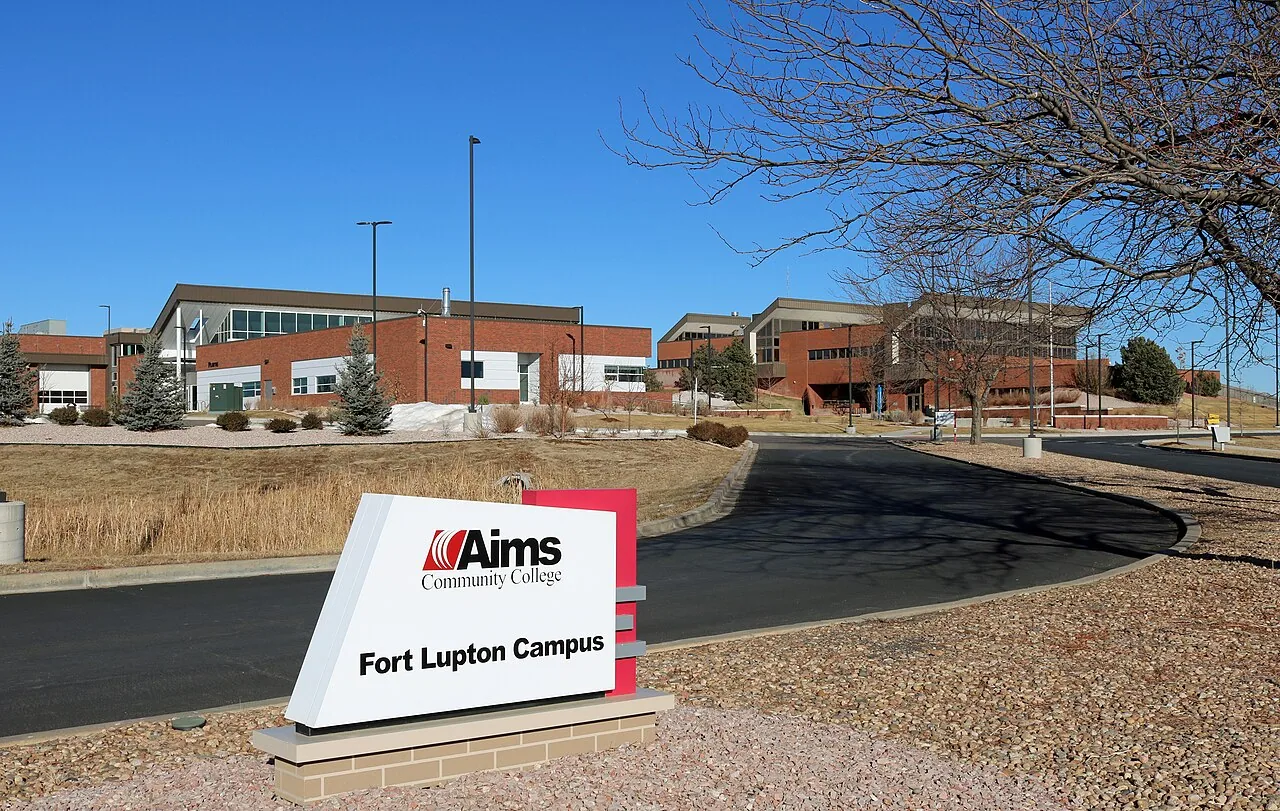
Greeley has manufacturing and food-production operations as well as education and healthcare facilities. A site near Aims Community College District may have an institutional access schedule, while a property along 23rd Avenue Commercial Corridor may coordinate material delivery differently. We plan around the actual facility and inspect the roof assembly that is present.
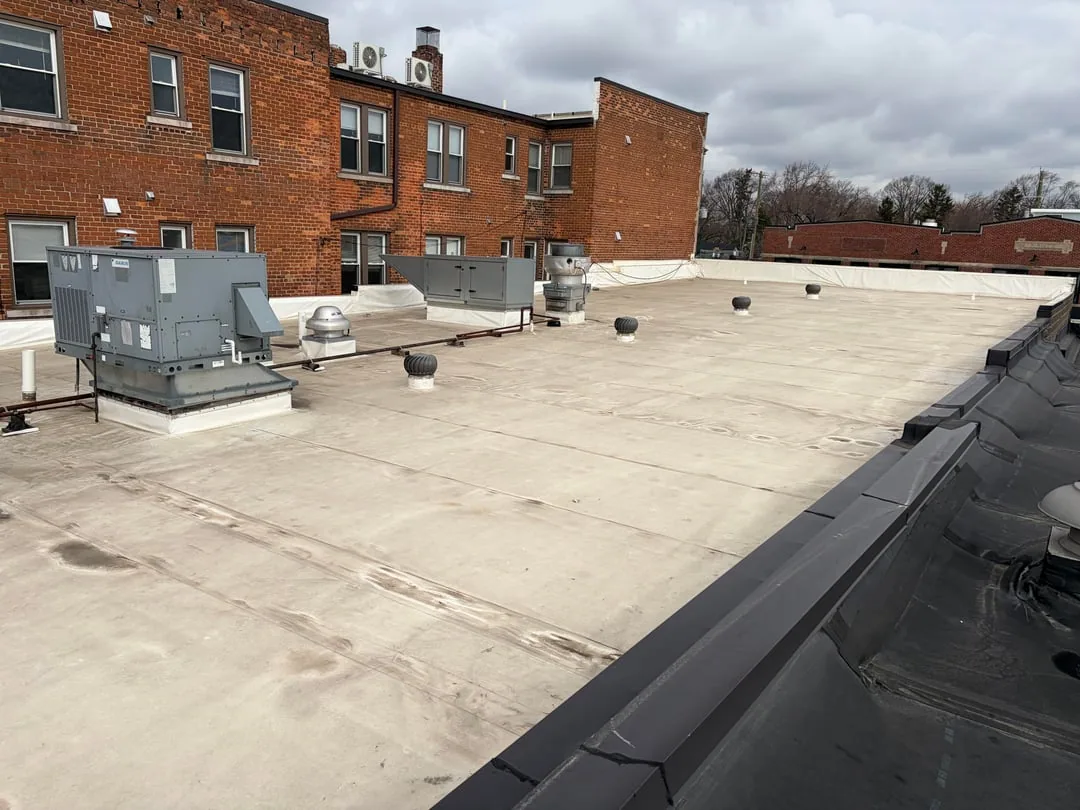
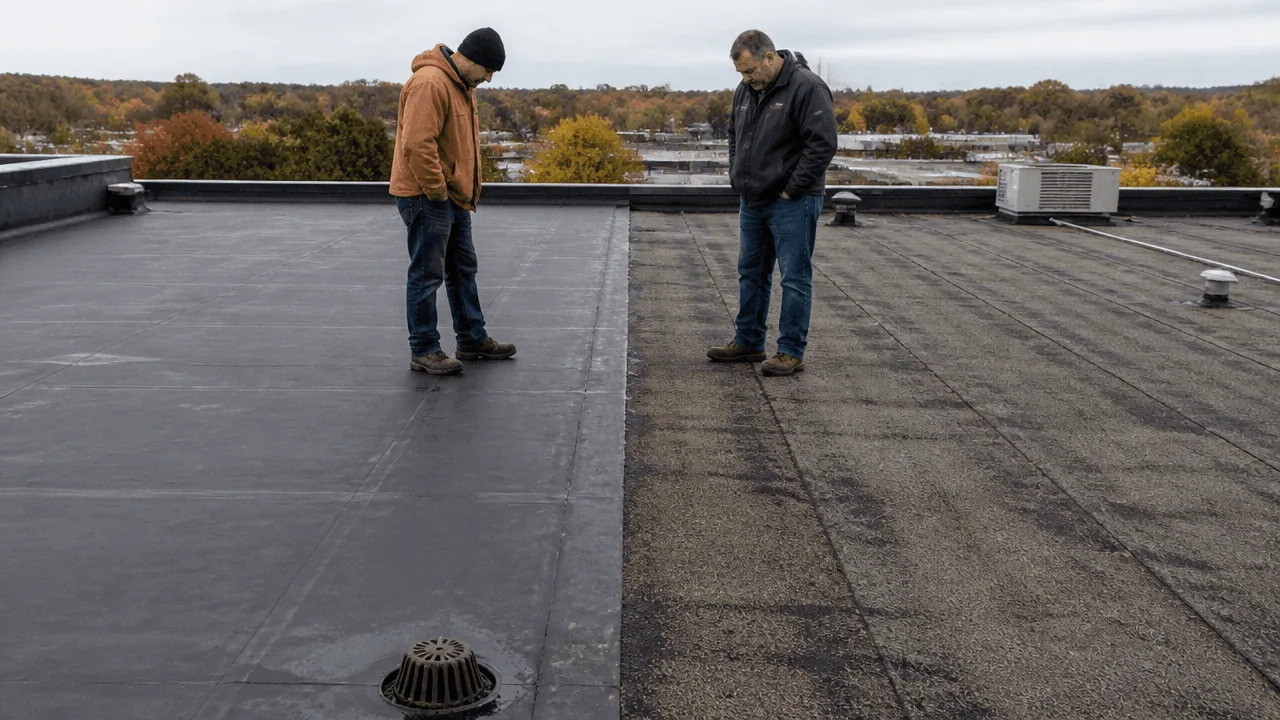
We inspect the membrane or roof surfacing, seams, flashings, drainage and visible edge attachment. If the roof includes Johns Manville TPO, PVC, EPDM, modified bitumen, built-up roofing or spray foam, each system has its own details to verify. Insulation and cover board can affect repair depth and tie-in. Records help establish what was specified, while field observations show whether the installed roof matches those documents.
We map reported water to roof features above, checking drains, curbs and laps before assigning a cause. A roof inspection can record the location and condition, while a condition report stores the photos and recommendations for the facility team. If wet insulation or concealed delamination remains possible, we describe a test and its restoration plan rather than treating a surface view as conclusive.
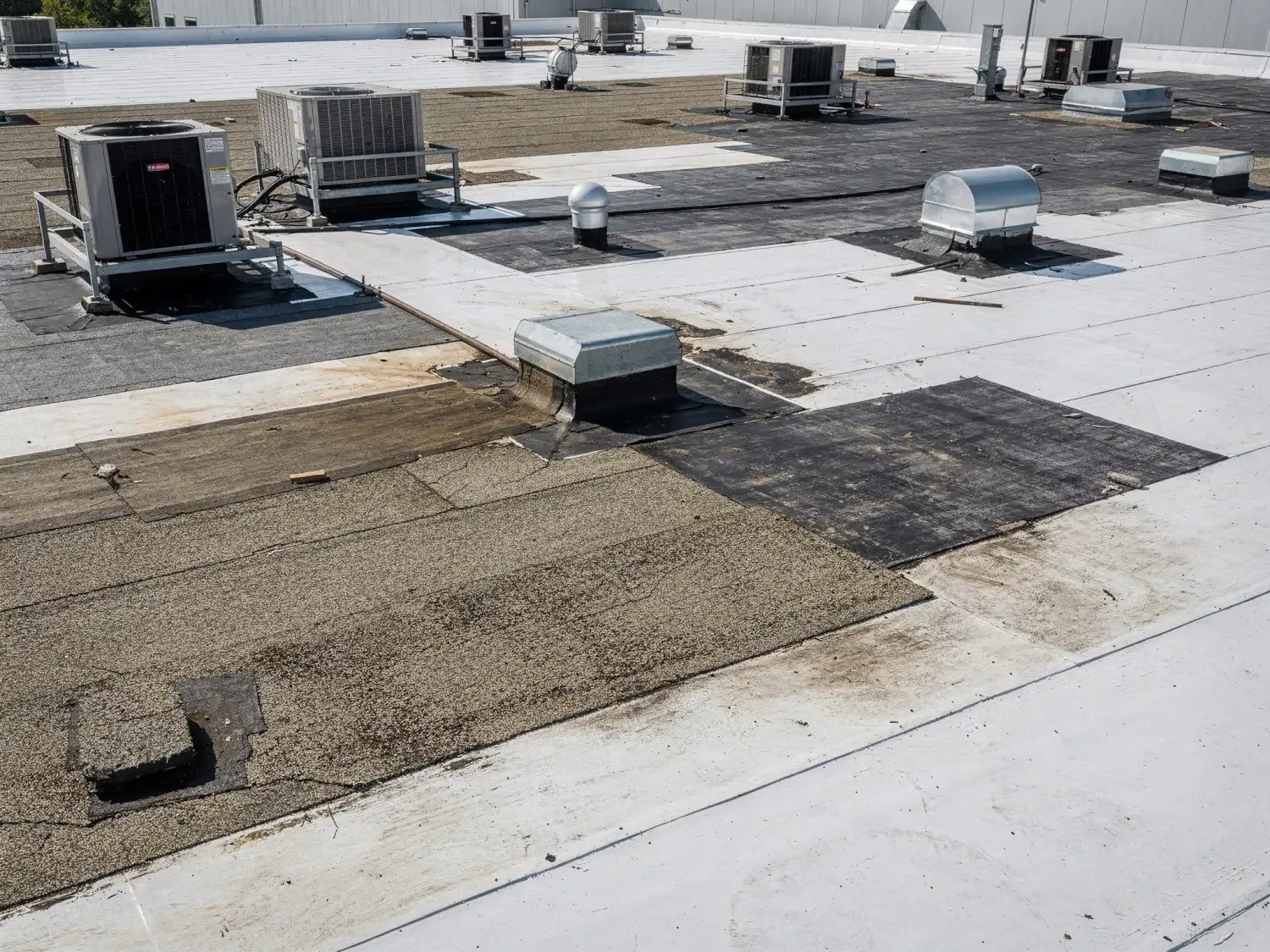
Coatings, repairs and rooftop service work can obscure the original construction. We note the layer visible at the surface, any previous patch boundary and whether the material underneath needs further evaluation. If an existing product family is uncertain, we request data sheets or warranty records from the owner before specifying an accessory. Carlisle SynTec and Soprema systems also use product-specific details; compatibility must be confirmed at the actual interface.
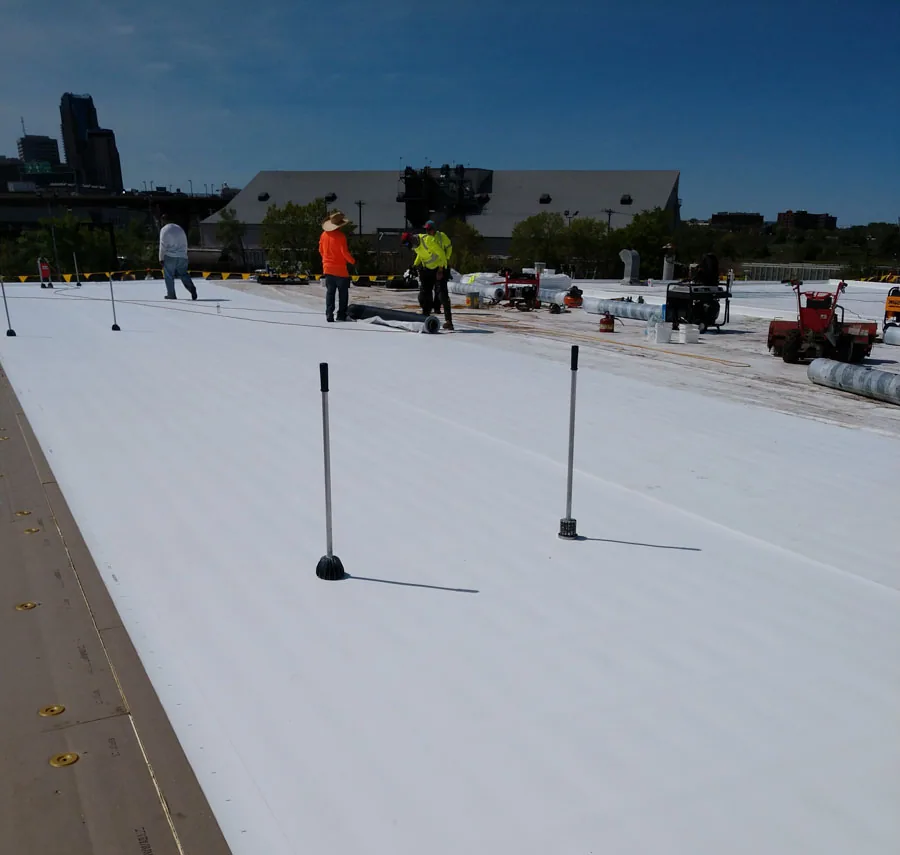
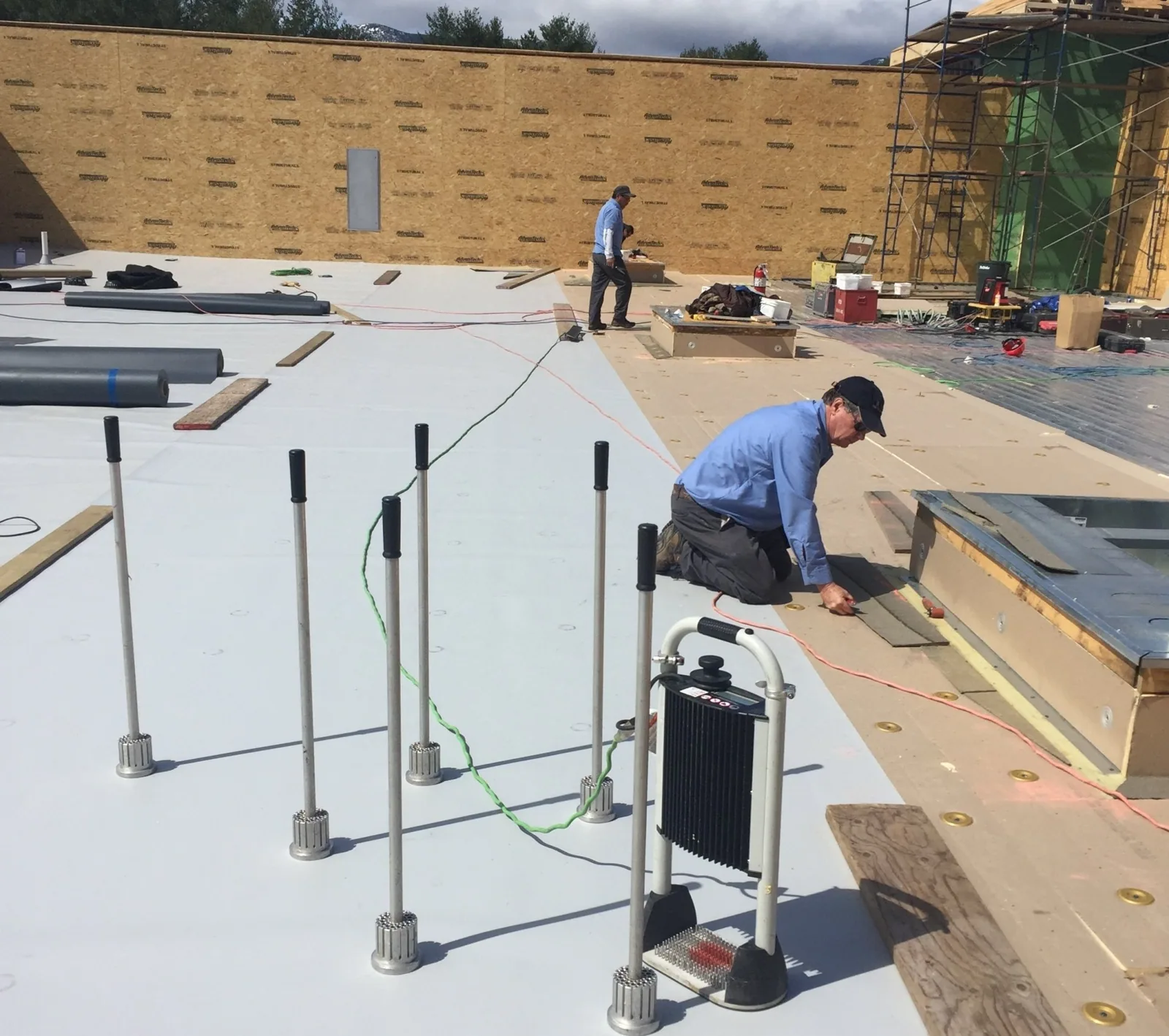
Johns Manville’s commercial range includes TPO, PVC and EPDM membranes, asphalt-based systems, insulation and spray foam. We use the confirmed assembly, not a generic catalog description, to select preparation and materials. Membrane welding, adhesive work, asphalt surfacing and foam repairs have distinct requirements. The proposal identifies the product family observed, the repair area, tie-in and test or inspection step.
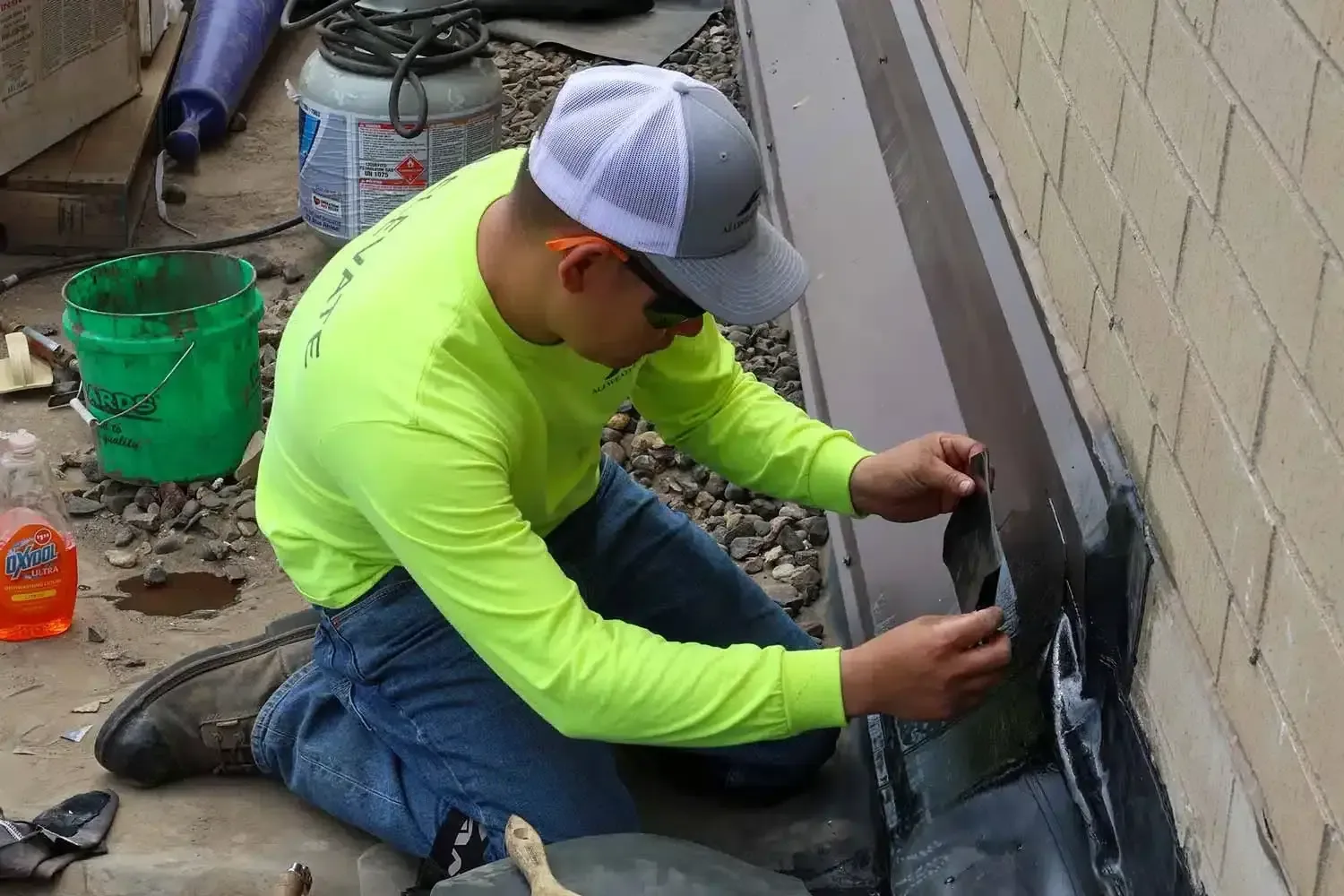
For a membrane opening, we expose sound material, prepare the surface and complete a compatible patch or flashing detail. An asphalt-based roof may require a different lap or surfacing repair, while a foam roof needs inspection of coating and underlying foam. We protect drains and equipment as debris is removed. Puncture repair can cover an isolated cut, and seam repair can address a separated membrane lap.
If the roof has a warranty, the owner should check stated notice or inspection steps before work. We can provide photos and a description of the repair, but the manufacturer or administrator determines coverage. A local fix is compared with replacement only after the inspection shows how far the condition extends. If attachment, insulation or multiple zones are involved, testing can be proposed before final quantities are set.
High temperatures, snow, wind and precipitation can affect roof access and material handling. We check current conditions before selecting a repair method. We check the work zone before welding or applying adhesive. Heat, moisture, cold or wind can change preparation timing and the ability to inspect a completed seam.
After a severe-weather report, we inspect membrane surfaces, perimeter attachment and penetrations for visible changes. The repair scope follows the conditions found at the building. The crew records observed dents, cuts, open laps or displaced components separately and lists any roof area that could not be reached.
For an occupied institutional property near Aims, roof access may need to avoid scheduled activity. Along 23rd Avenue, a site could have delivery routes or nearby construction that affects staging. The site contact provides those conditions. We set the work window, protect occupied areas and define where roofing material can be placed before the repair crew arrives.
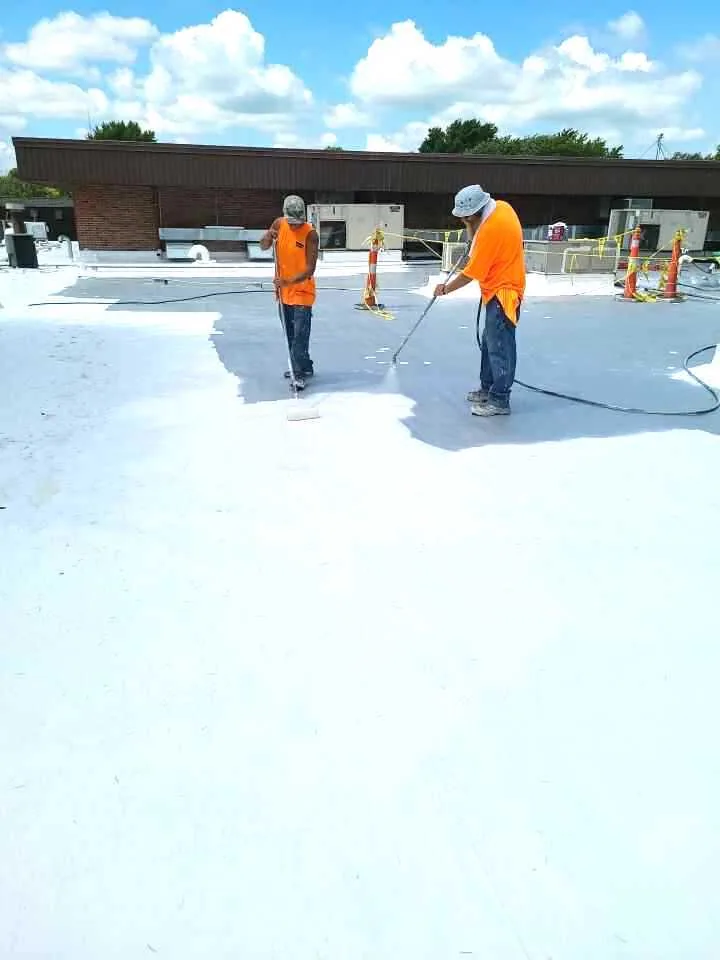
Yes. Its commercial portfolio includes several membrane and asphalt systems, along with insulation products. We identify the installed assembly before setting repair details.
We can inspect accessible areas and check the materials needed for a compatible repair. Age alone does not determine whether a local patch will hold.
We record each layer and identify the transition that needs work. The membrane manufacturer and insulation records may both matter to the repair scope.
Manufacturer visits can be coordinated around written instructions the owner provides. We schedule roofing work around that visit, while the administrator controls its coverage determination.
Product data, roof plans, warranty terms, leak timing, prior work and access rules help us plan inspection and materials for the building.
A small defect can be repaired locally when the surrounding Johns Manville system remains suitable for a tie-in. Multiple leaks, wet insulation or repeated seam separation can point to a broader repair or replacement. We explain what inspection confirms and what remains concealed. If additional testing could change the choice, the proposal makes that step visible before the owner authorizes a full assembly scope.
Cost and duration depend on the membrane or surfacing, repair dimensions, height, access, removal, insulation and perimeter details. We state which layers are included and whether equipment relocation, interior finish work or structural review is excluded. A repair proposal can address a defined area; a replacement scope can be compared when condition evidence supports it.
Where roof sections were installed at different times, we identify each system and do not combine warranty or repair assumptions. Warranty records can be organized by section, while capital planning can schedule major work across operating cycles. The owner receives separate priorities, quantities and decision points for each roof area.
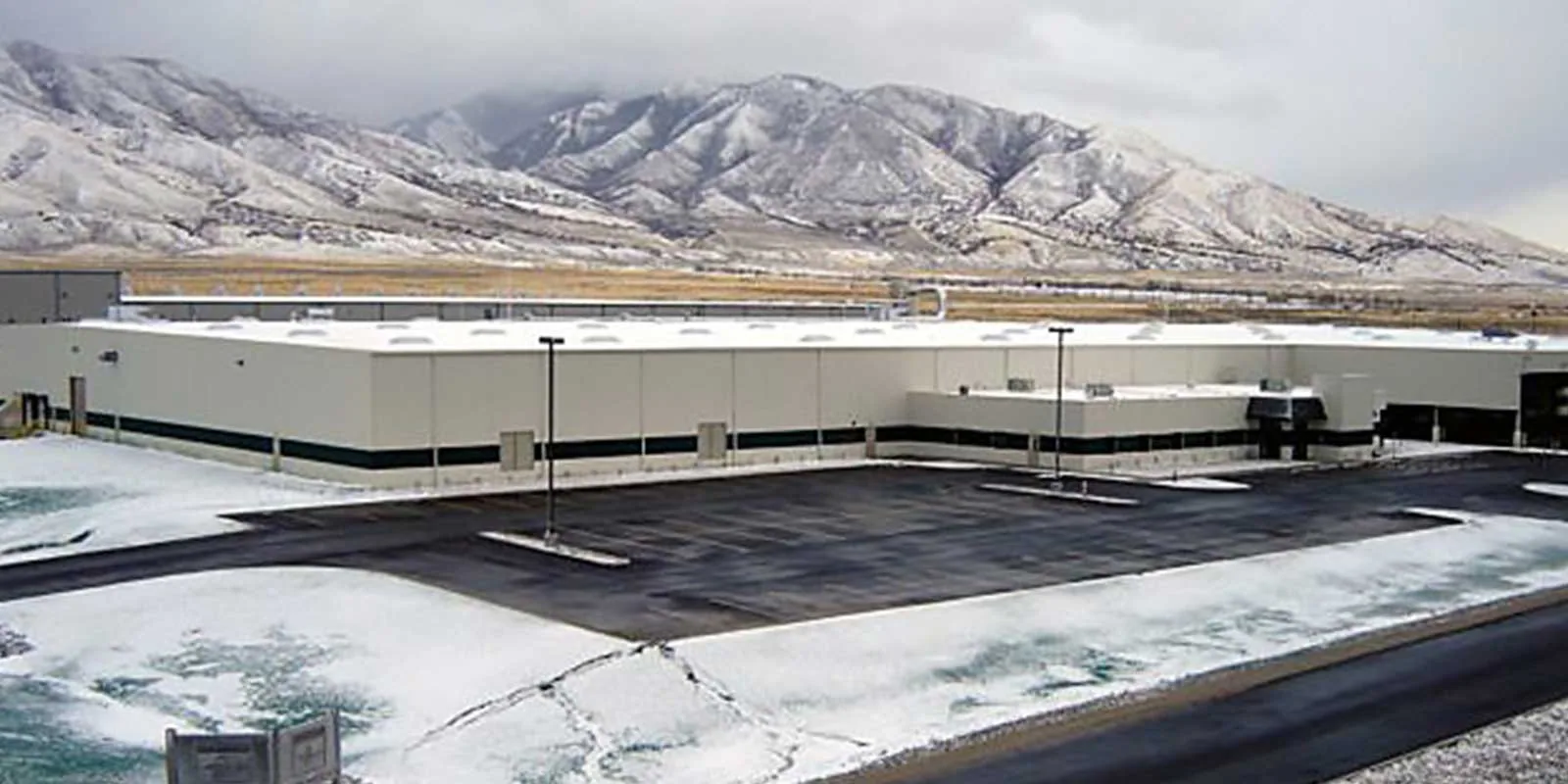
Closeout lists the system observed, product information available, repaired area, materials, photographs, test results and remaining items. If records and field conditions differ, that difference stays in the report. The maintenance team can use the roof-zone reference to find the work and compare it with any future leak or inspection. We also document nearby issues that were outside the authorized scope.
Before the visit, share Johns Manville submittals, warranty documents, roof plans, leak timing, service history and access restrictions. Tell us whether a manufacturer representative or consultant needs notice and who may approve a test opening. The site contact can identify sensitive rooms, operations and roof routes, allowing the inspection sequence to fit the facility.
At the Aims district or along the 23rd Avenue corridor, we confirm access with the site contact, then document the installed assembly and repair boundary for maintenance or budgeting. If more records arrive later, the owner can attach them to the dated roof file. That preserves a clear sequence for future maintenance decisions.
Where records identify a system revision or a repair accessory, we attach that reference to the area it applies to. This avoids carrying a product assumption from one roof section into a different addition or later overlay.