Can hotel guests stay in rooms during roof repairs?
The manager decides which rooms or floors remain available. We define the work area, expected noise, protection and any temporary access limits.

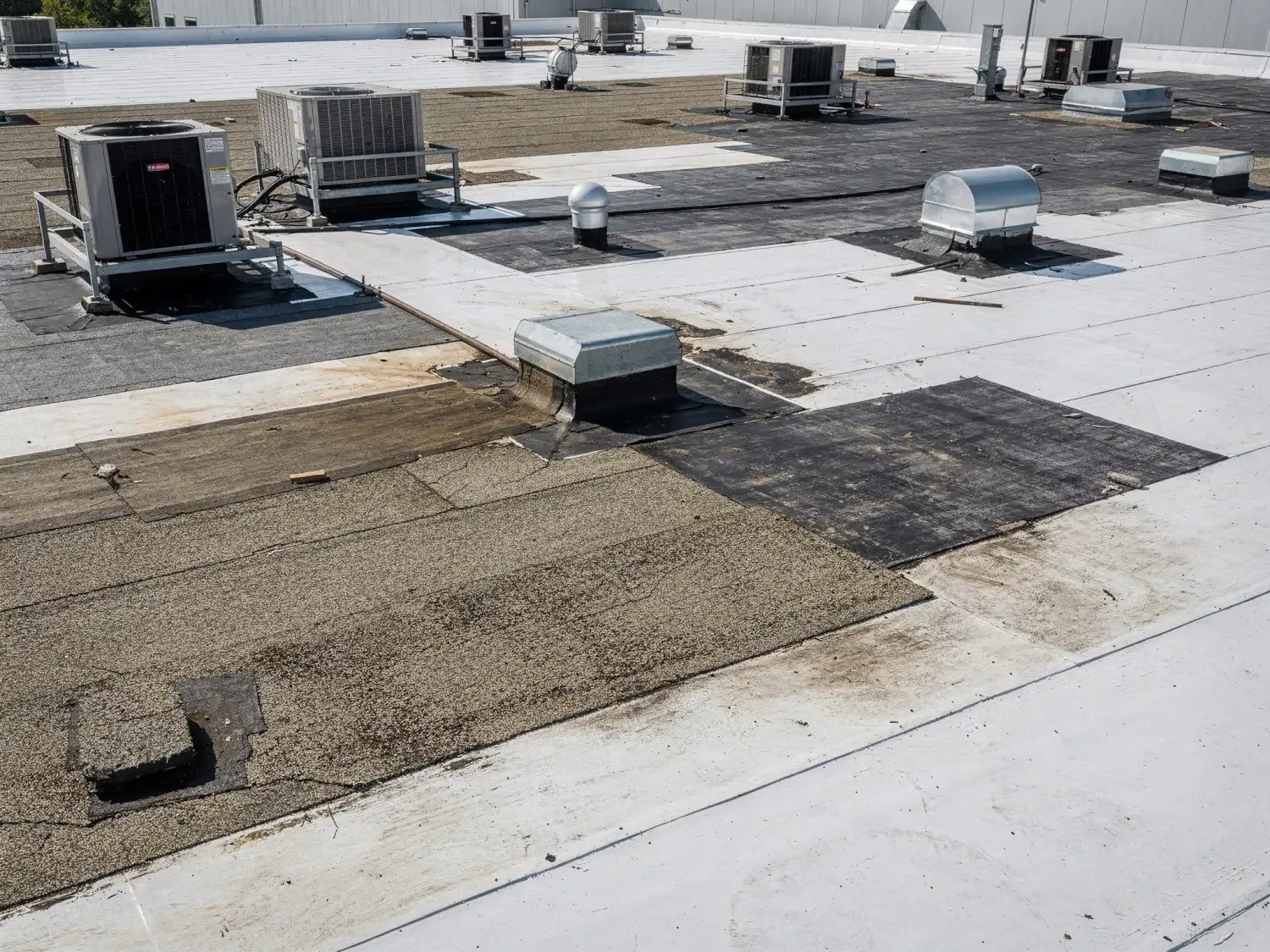
Guest comfort depends on fast, clearly bounded roof work when water reaches a room or service area. We protect the reported location, trace the concern to a roof zone and inspect accessible seams, drains, curbs, penetrations and flashing. The record distinguishes confirmed conditions from questions requiring a second look. A hotel manager receives a practical repair boundary without assuming every room or roof section shares the same condition.
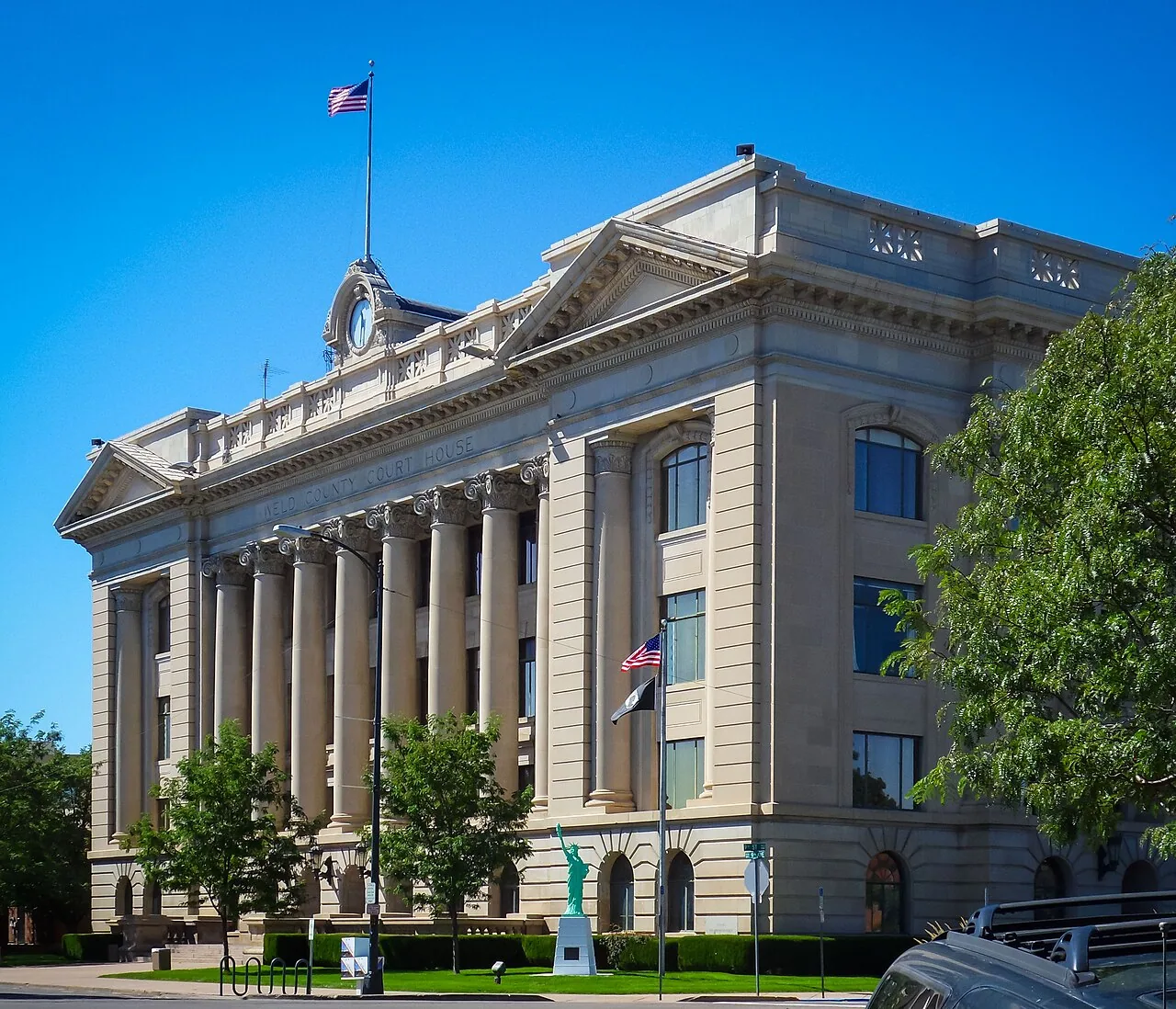
Greeley’s Downtown Greeley has an active development authority and a planned civic campus that includes public spaces and retail. The 10th Street Urban Renewal Corridor is another designated area where commercial building reinvestment is supported. These districts frame local business activity; they do not identify any hotel’s roof system or occupancy. Each property’s guest calendar, service layout and roof records set the work plan.
The front desk or facilities lead can record the room number privately, the time water appeared and whether the guest was moved. We map the report to the nearest roof transition and inspect seams, drains, rooftop units, skylights, wall details and earlier repairs. Water can travel between entry and stain, so we compare the interior location with roof evidence before naming a cause. The report should avoid unnecessary guest information and focus on the building condition.
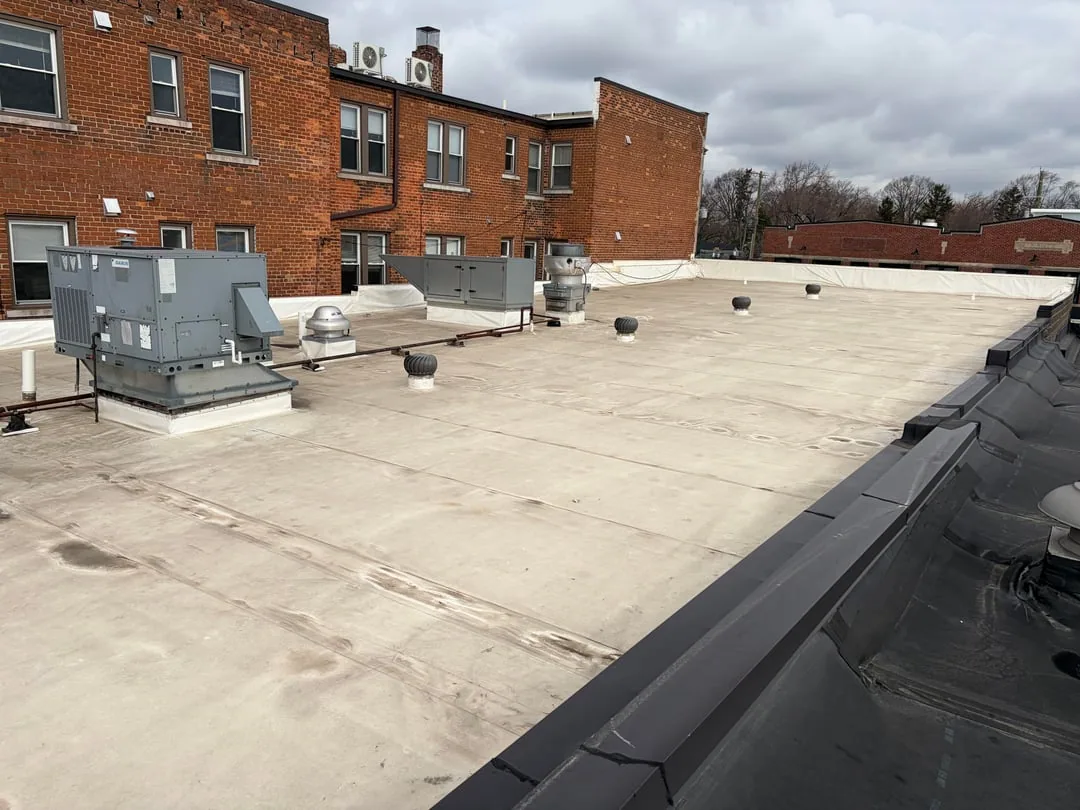
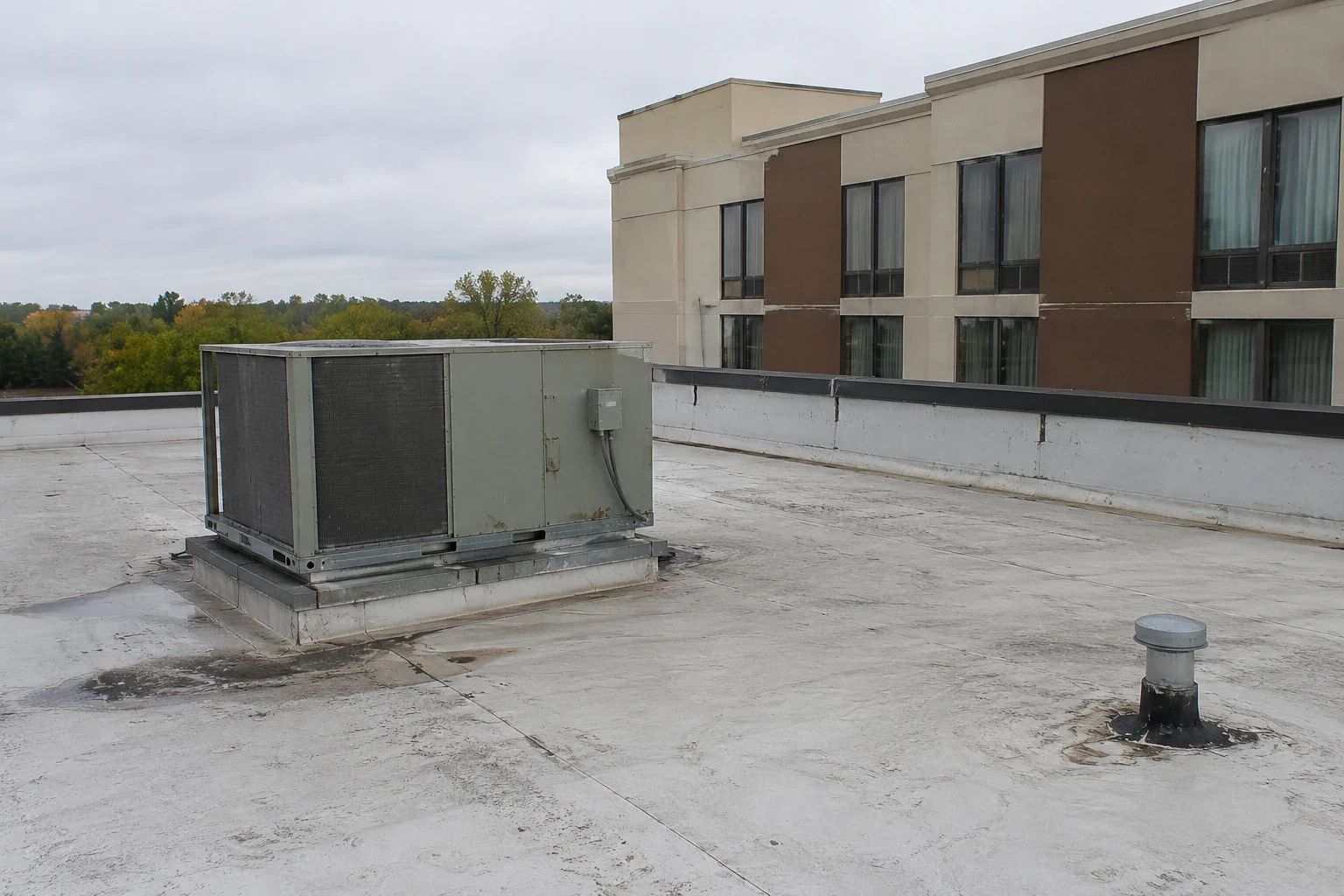
Hotels may have kitchens, laundry equipment, conference rooms, vertical-transport systems, mechanical penthouses or added canopies. We verify those features at the site rather than assuming a standard layout. The hotel’s engineering contact identifies operating systems and any ceiling or mechanical access controls. A commercial roof inspection creates a condition record; targeted testing can be considered if visible marks do not show the full area requiring review.
For groups with several properties, each location should retain its own roof-zone key, repair log, warranty notes and inspection date. A manager may recognize a repeated issue, but the same apparent symptom can have different causes at separate buildings. We record what we saw and which further test would answer a remaining question. This makes the portfolio file useful without importing one hotel’s conditions into another property’s history.
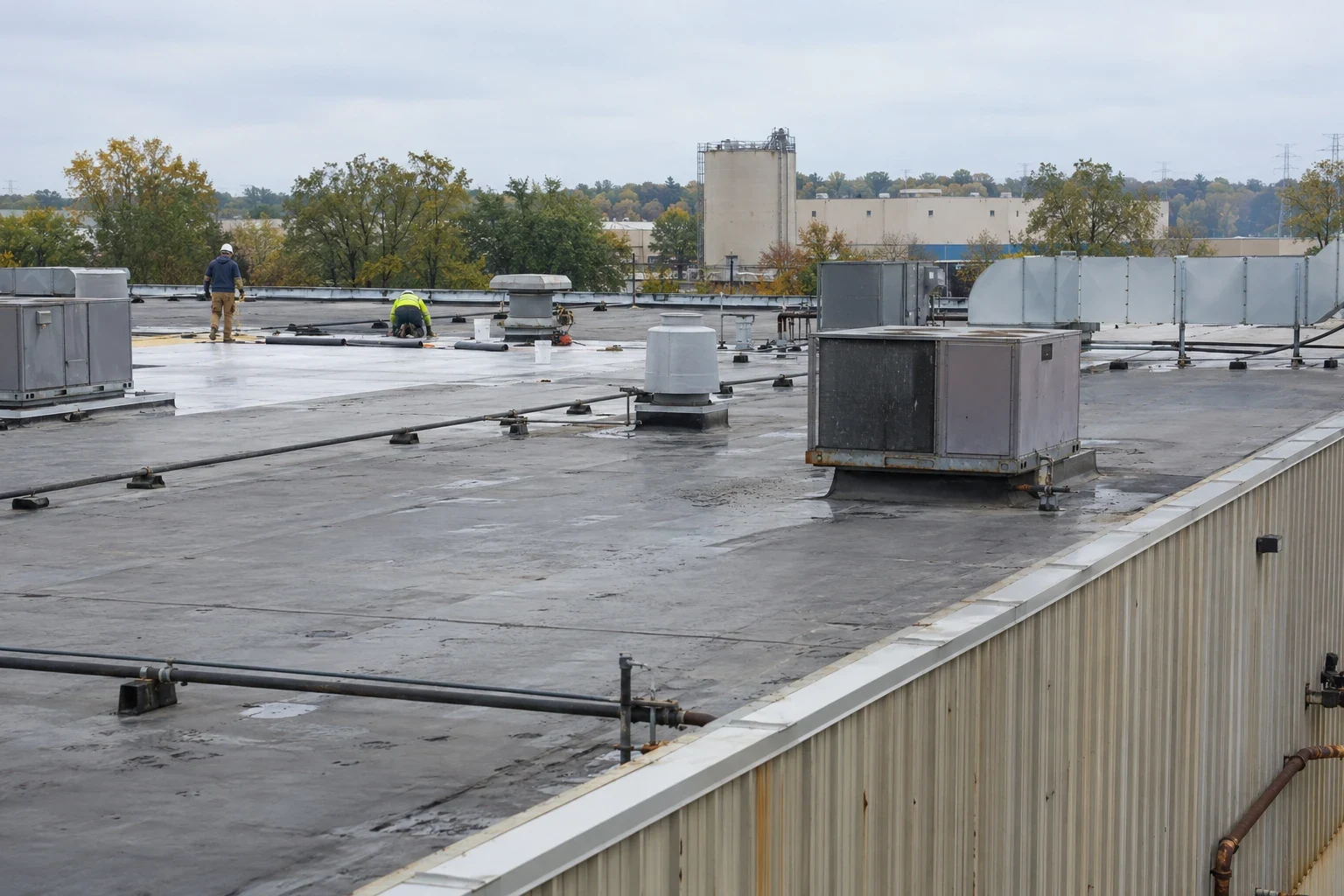
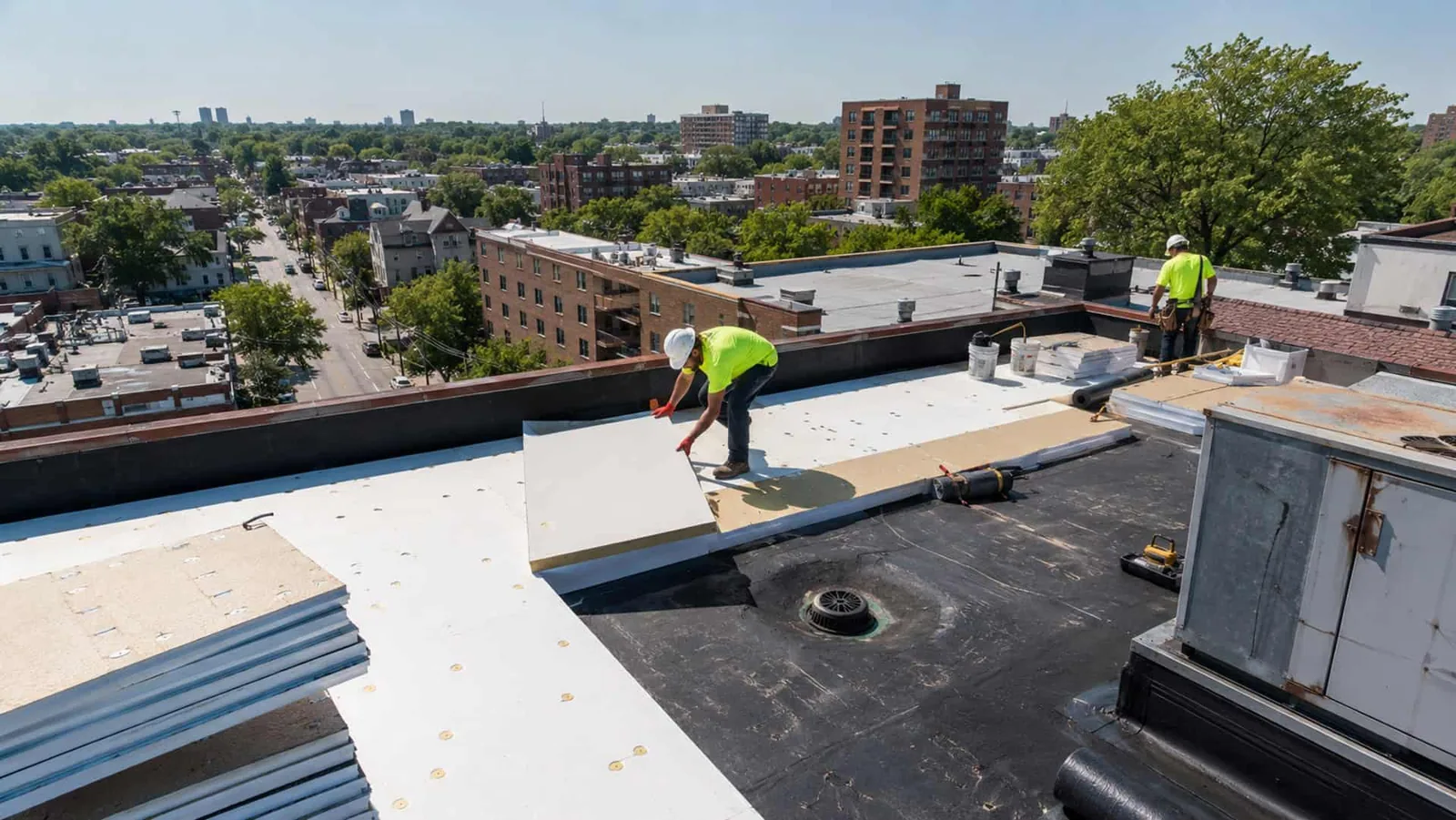
Before a crew mobilizes, the hotel contact shares occupancy patterns, events, quiet periods, housekeeping routes, deliveries, security rules and areas that cannot close. We plan staging away from guest arrivals and identify whether a room block, corridor or service space needs temporary restriction. Barriers, notices and alternate paths are agreed with hotel staff. If access to a guest room or ceiling is needed, the property controls the appointment and guest communication.
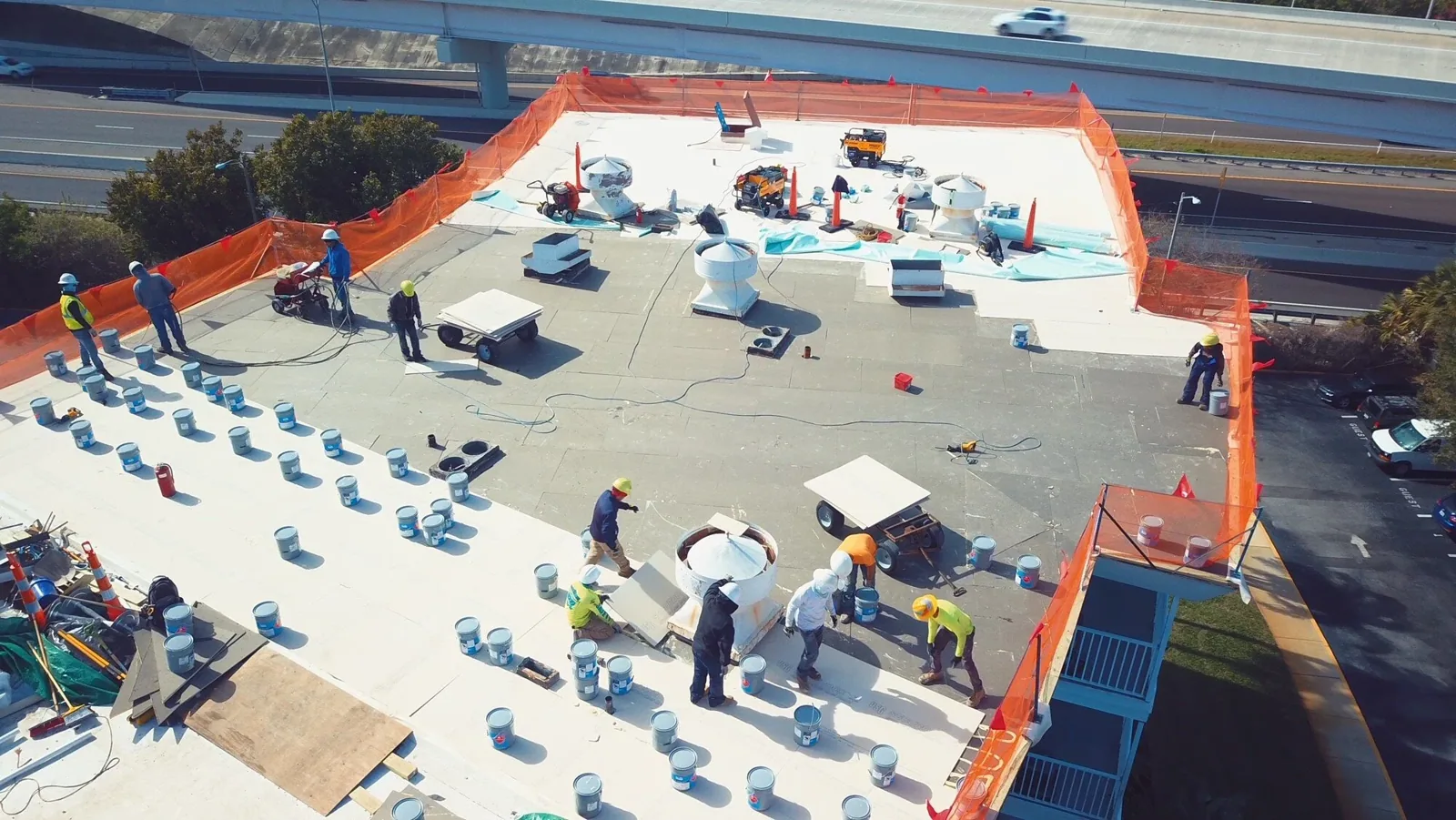
A repair may fit a short service window, while broader work could require floor-by-floor or roof-zone phases. We establish each day’s work limit and temporary protection before opening the roof. The hotel manager confirms when a room can be released and whether cleaning or an engineering check is needed. An occupied-building sequence can help phase the project around guest and event operations.
Meeting rooms, restaurants and service functions may follow different schedules from guest floors. The project plan identifies which department owns each access decision and who receives a schedule update. If a roof lift or delivery changes arrival flow, the hotel can adjust signage and staff coverage. We keep these guest-service duties distinct from roofing labor but coordinate them before the work begins.
Greeley Airport observations track heat, wind, snow, precipitation and snow depth. These records help frame seasonal roof access, but conditions at the hotel surface control the work decision. Wind may limit lifting and edge work; ice can prevent safe access to drains; heat can affect working periods and material use. We check current conditions and the selected product requirements before setting a crew date.
Hail and tornado events appear in Weld County weather history. That regional context can prompt a hotel group to request an inspection, but does not prove a particular property has damage. We inspect the authorized roof area and record specific observations. If a guest report follows a storm, the hotel can provide the room and timing; we compare those details with roof evidence rather than assigning cause from the event alone.
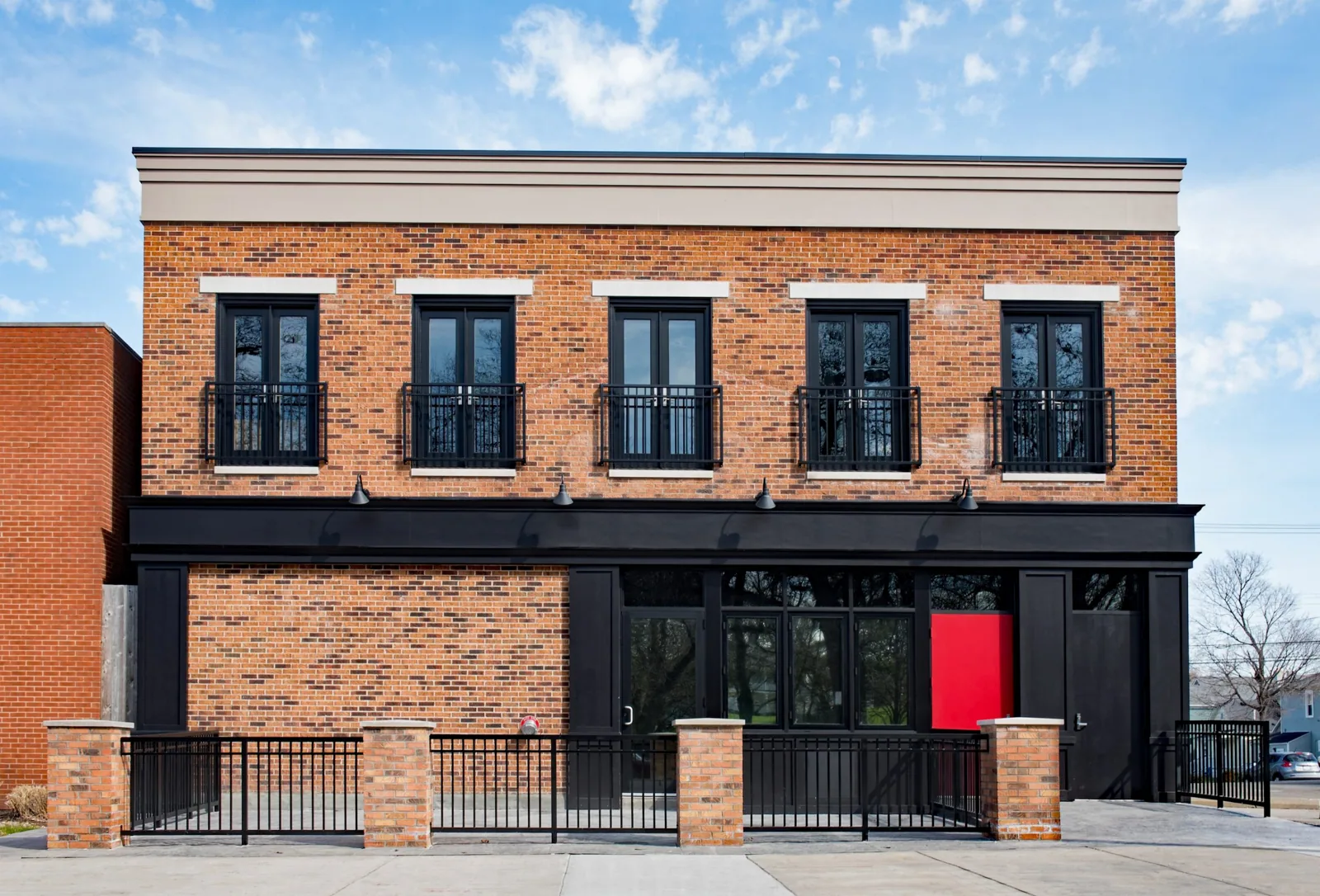
The manager decides which rooms or floors remain available. We define the work area, expected noise, protection and any temporary access limits.
We record the location and timing through the hotel contact, inspect the related roof area and document findings without including unnecessary guest details.
Yes, when the hotel provides event dates and an available work window. We coordinate staging and closures with the property manager.
No. Regional weather history does not establish a building condition. We inspect the property and report observed evidence.
Share roof plans, maintenance records, guest-area restrictions, event calendars, equipment information and the contact who can authorize access.
A localized leak may call for a targeted repair if adjacent materials remain serviceable. Repeated reports, wet insulation or broader deterioration can justify additional testing or a replacement study. We state the evidence behind each option and list conditions that remain unknown. The scope separates roof work from guest relocation, housekeeping, interior finish repair, kitchen sanitation, vertical-transport service and room-rate decisions.
Cost and timing depend on roof area, assembly, access, guest occupancy, equipment, staging, temporary protection and any quiet-hour limits. We compare repair and replacement based on field findings. A hotel roof plan still requires property-specific records, not a general hospitality assumption. Group ownership may also require coordination with a property manager or asset owner who controls the building work.
Before a larger project, we identify the sections that can be protected and closed at each stage, the time required to remove debris and the inspection step before rooms reopen. The hotel should identify any event booking or occupancy threshold that restricts noisy work. If hidden conditions change after opening, we pause at the authorized limit and provide the field evidence needed for a decision. The proposal should not promise uninterrupted operation when access or weather may require a closure.
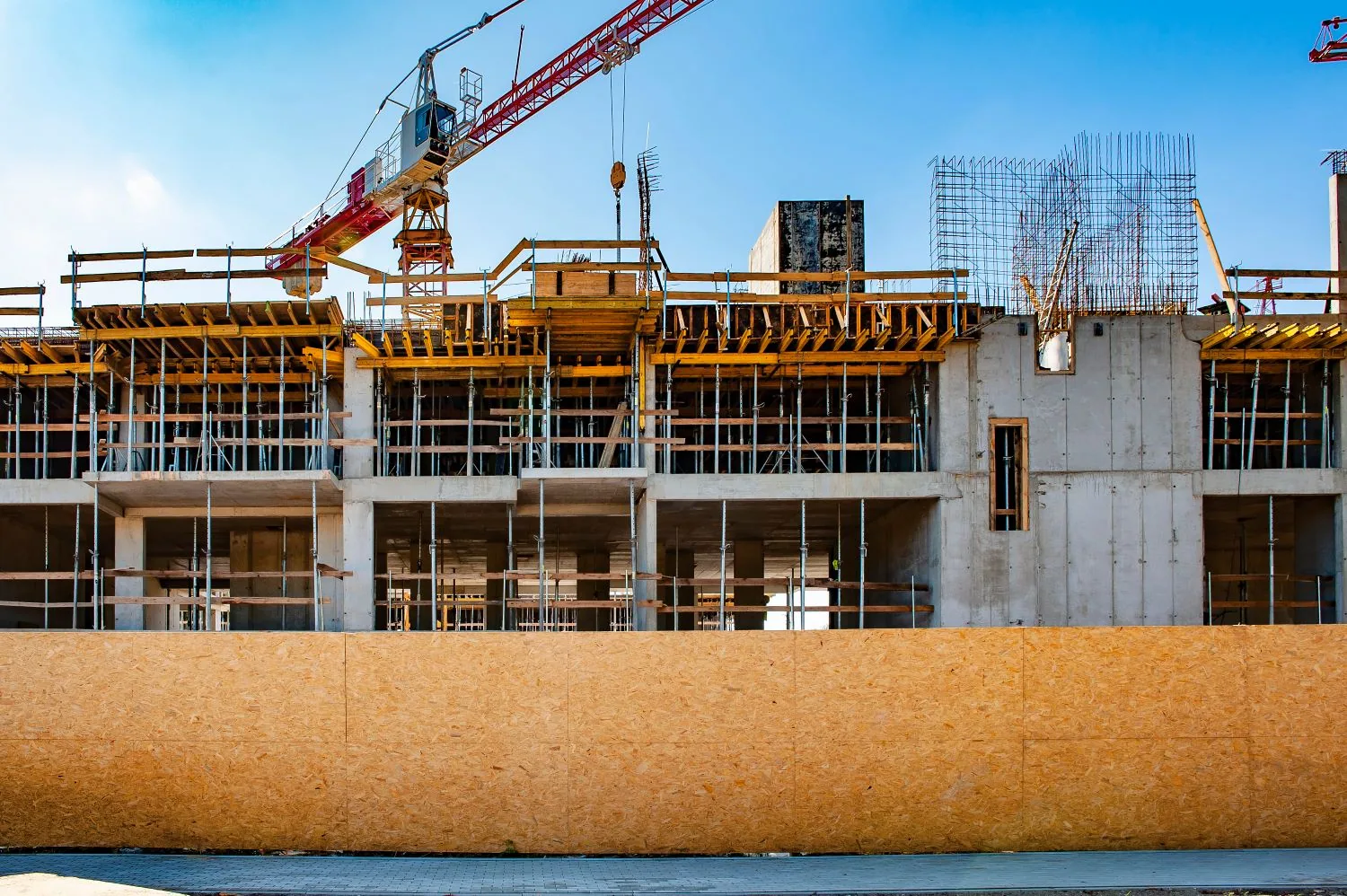
Closeout records the repaired roof zone, materials, photographs, drain and curb details, temporary protection removed and items requiring follow-up. The engineering contact confirms the room or corridor release, and housekeeping handles any separate interior reset. If an HVAC or vertical-transport vendor has a related task, the handoff identifies that interface and status.
Send roof plans, guest-report timing, occupancy and event schedules, equipment contacts, service access routes and any security rules before the visit. Tell us who can approve guest-room entry or an after-hours lift. Downtown Greeley and the 10th Street corridor provide local commercial context, but each hospitality property needs its own inspection and access plan. We return findings a manager can share with engineering and ownership.
For a multi-property group, the closeout can use consistent fields while retaining the hotel’s own room and roof-zone references. A follow-up date helps the engineering team check repaired details during a scheduled walk. We identify an unresolved issue plainly so the next manager does not mistake a temporary safeguard for a permanent repair.
Hotels and event properties may need quiet-hour limits, guest-route protection and advance notice before rooftop equipment is shut down. We capture those operating controls with the roof plan, then sequence noisy or exposed work away from the hours the facility identifies as sensitive.