Is Firestone Building Products the same name as Holcim Elevate?
Holcim Elevate is the current commercial roofing name associated with the former Firestone Building Products business. Older building records may use the previous name.
Holcim Elevate is the current name for the commercial roofing business formerly known as Firestone Building Products. A building may still have older labels or product records, so we identify the installed system before recommending work. We inspect membrane, seams, attachment, flashing and drainage, then compare those observations with submittals or warranty documents the owner can provide.
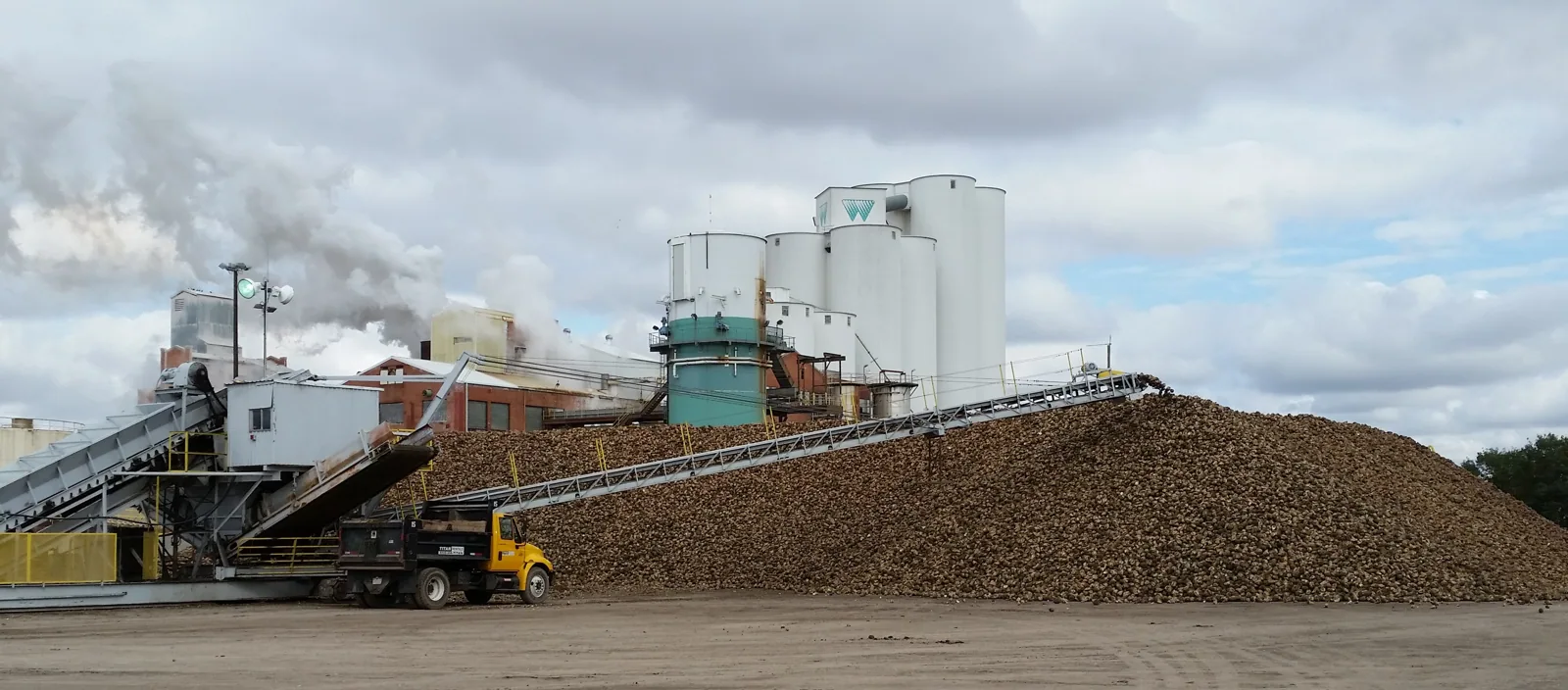
Greeley’s commercial and industrial activity includes manufacturing, food processing and healthcare. A site near the Western Sugar TIF District or U.S. 34 at 35th and 47th Avenue may have different access and staging constraints. The surrounding area helps us plan a visit; the roof record and field inspection guide the repair.
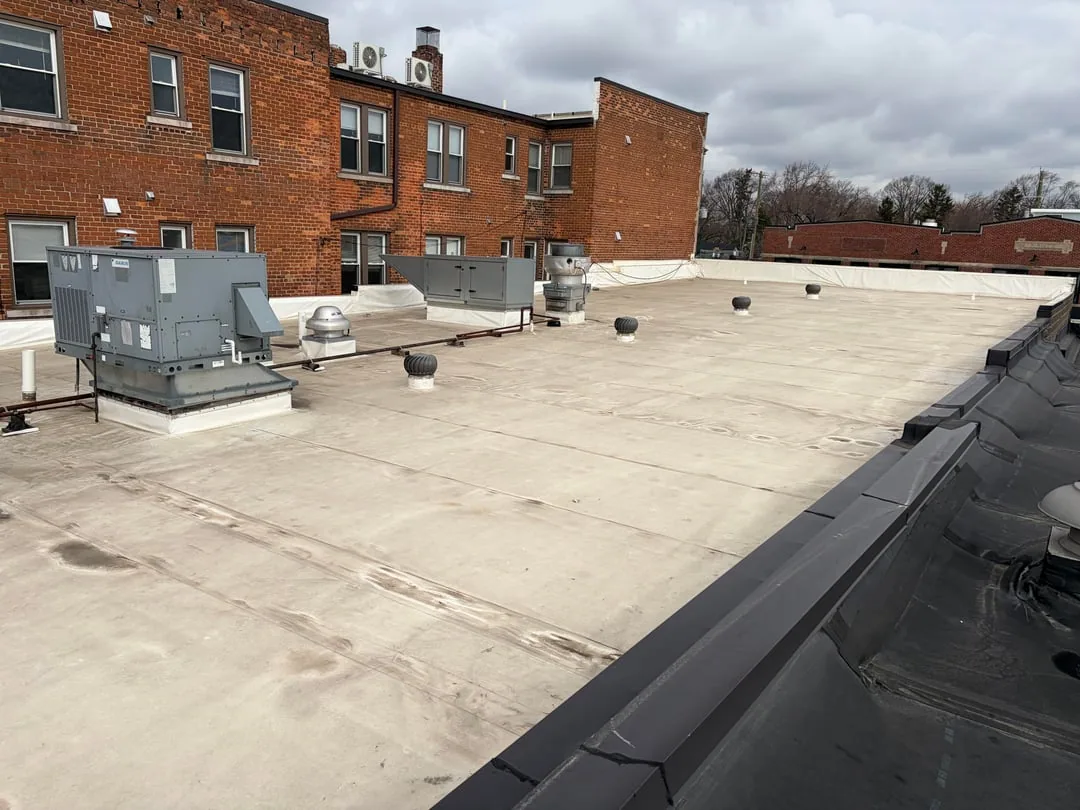
We review product names, system drawings, warranty documents and maintenance records, then inspect the roof itself. Its commercial systems include TPO, EPDM, modified bitumen and metal options. The roof may have been altered since its original installation, so we check actual seams, terminations, penetrations and edge conditions. If a nameplate or record is unclear, we note the uncertainty and ask for product information before specifying a specialty accessory.
At the reported leak zone, we map interior symptoms to the roof path, including drains, curbs, laps and low areas. A roof inspection can document the suspected entry point and nearby details. Where concealed moisture may affect repair extent, a moisture survey can support test planning under appropriate conditions. The owner approves any test opening and its restoration.
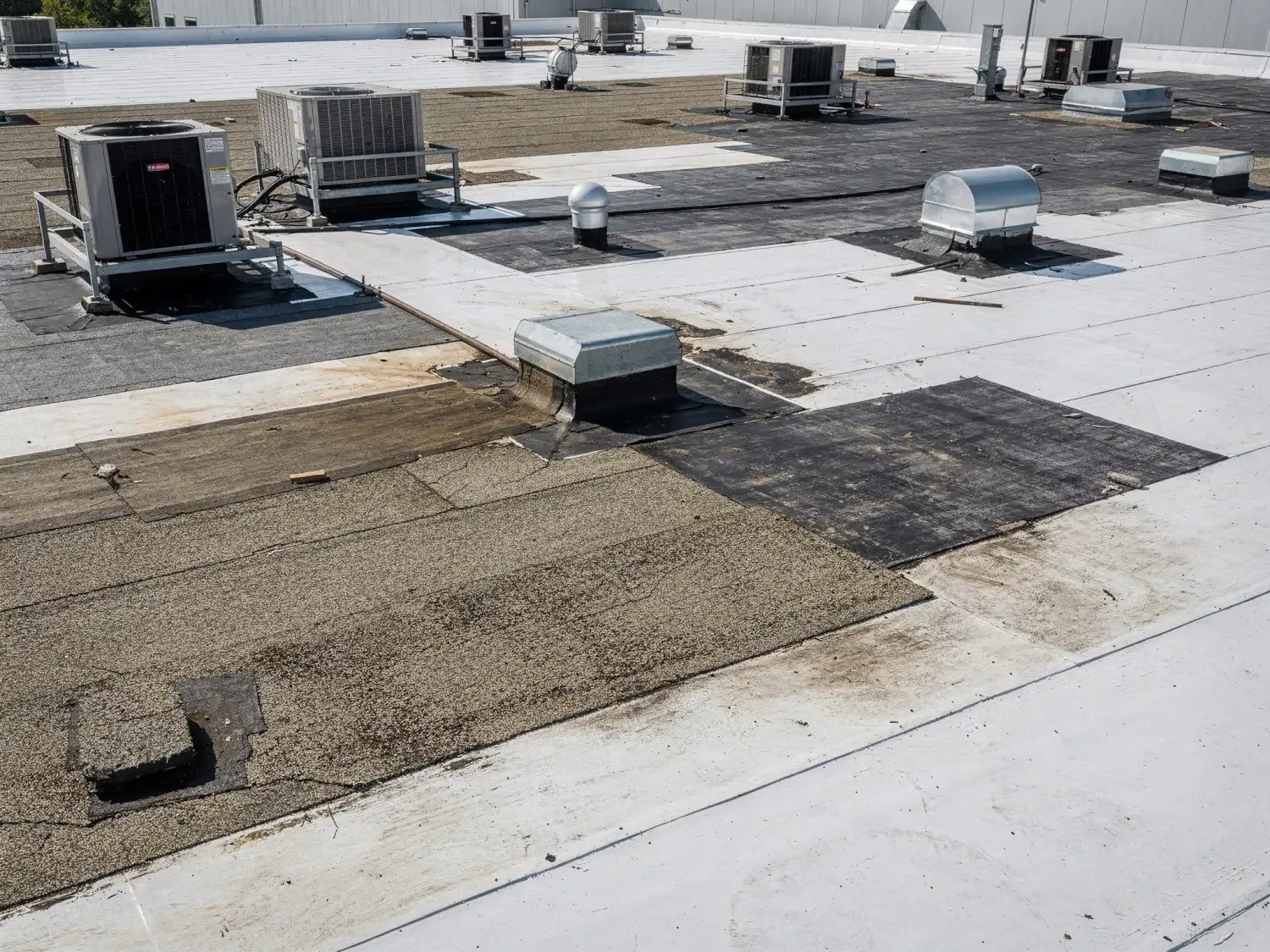
Prior patches, coatings or overburden can hide the original surface and make a simple material match unreliable. We inspect a boundary that exposes sound material and check whether the proposed tie-in can be made without bridging an incompatible layer. If the assembly contains multiple roof generations, we map their edges and keep each repair area distinct.
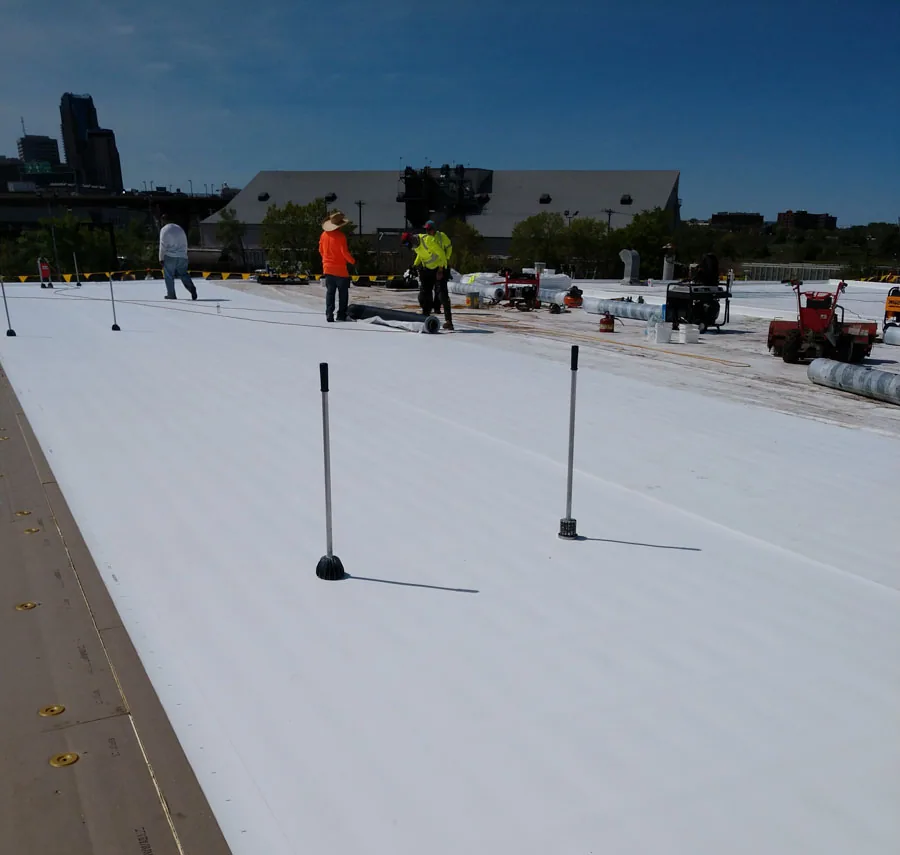
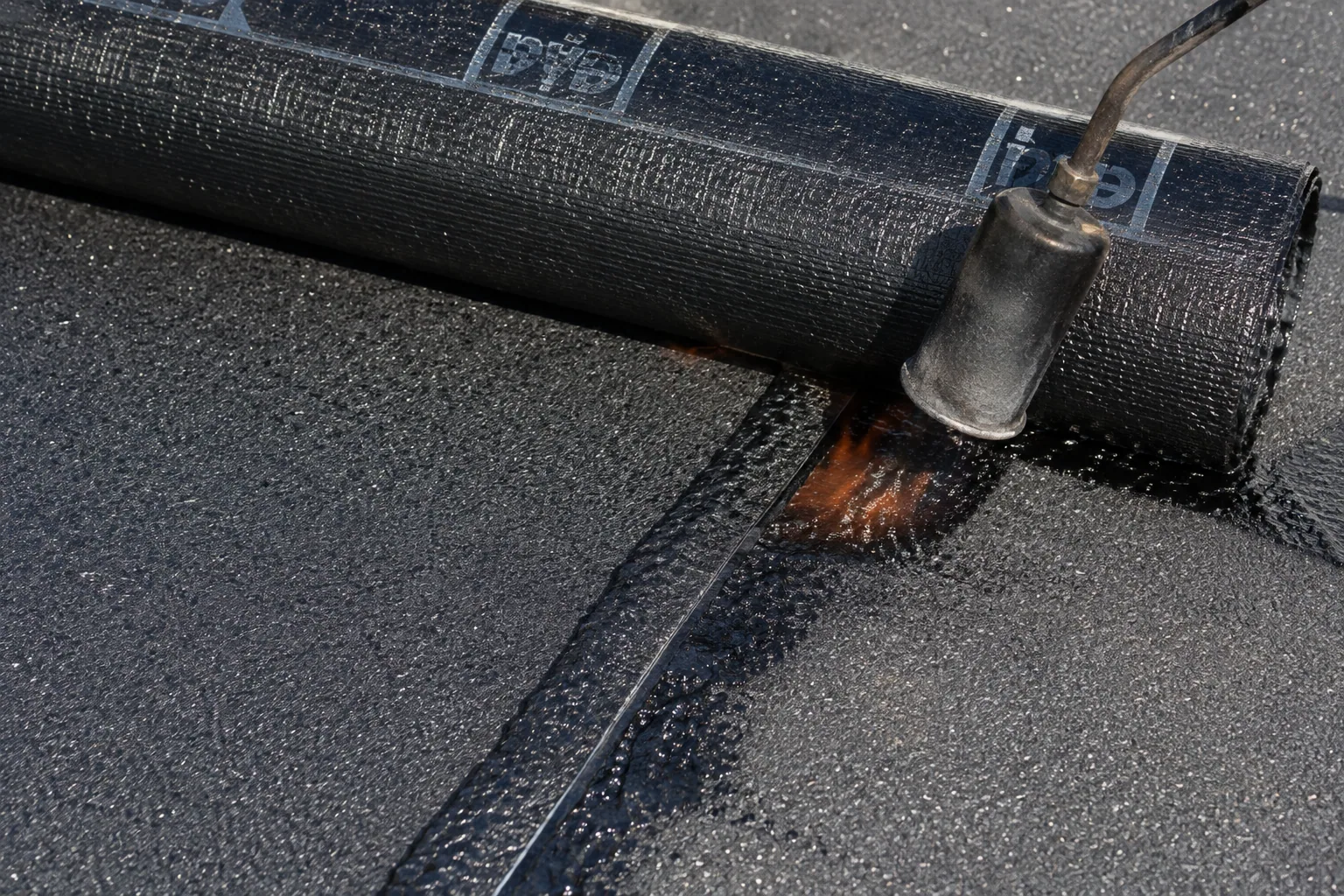
A TPO repair, an EPDM seam correction and a modified-bitumen tie-in require different preparation. We select material by confirmed system, substrate and approved repair boundary, then follow applicable product instructions. We remove loose or damaged material only within the authorized scope, prepare the surface and inspect the completed tie-in. The proposal lists the method and any test or manufacturer inspection needed before work is closed.
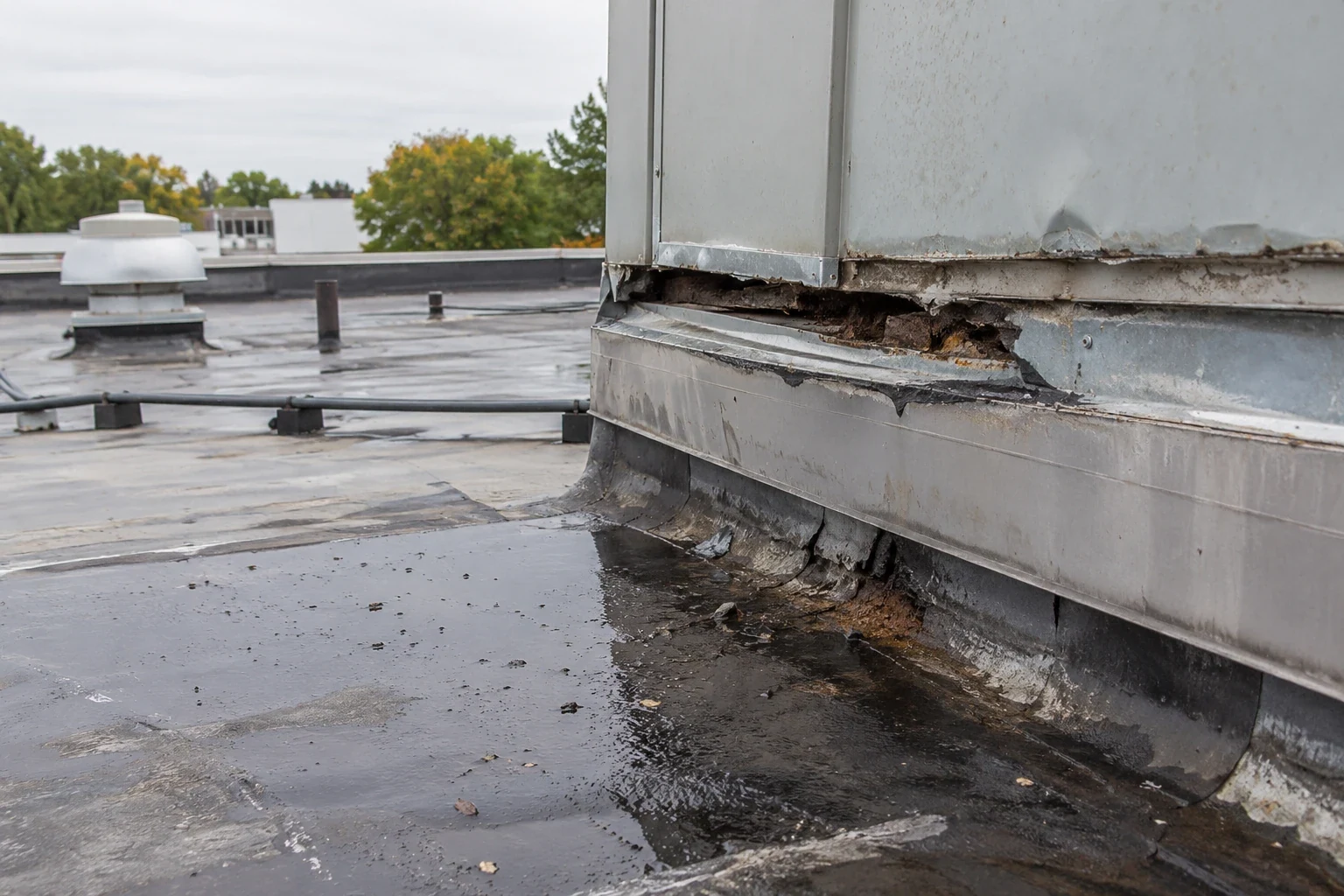
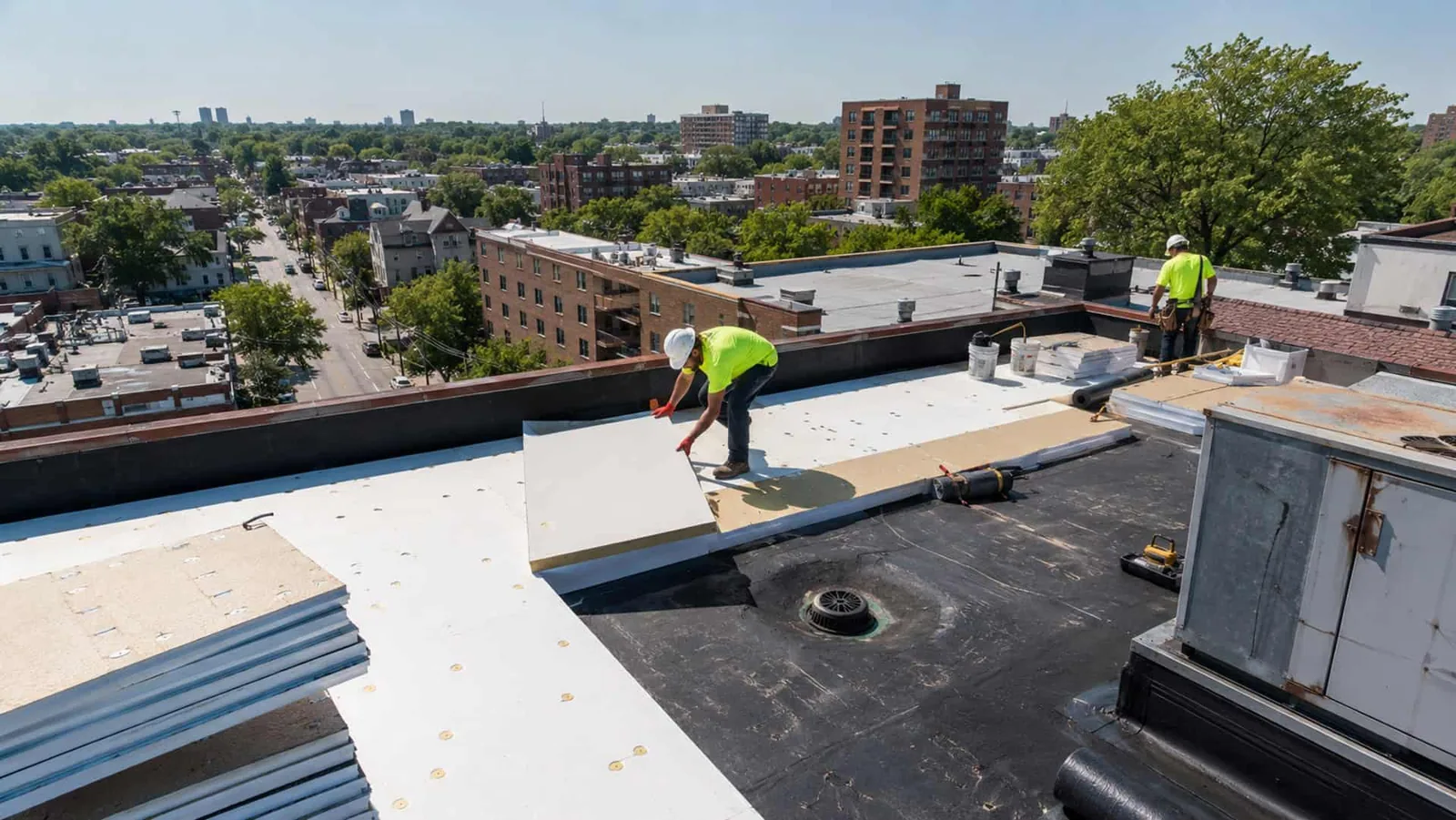
Holcim Elevate’s portfolio also includes accessories and insulation used in commercial roof assemblies. A repair plan should account for perimeter terminations, curbs, drains and transitions rather than treating the field membrane as the entire roof. If a wall or curb transition is open, flashing repair may be a separate line. If a membrane opening is isolated, puncture repair can define that localized work.
Other manufacturers use their own details and material combinations. Johns Manville assemblies and Sika Sarnafil systems should be identified by their actual components before repair. We do not substitute an accessory because it appears similar from the roof surface. Documentation and a field check determine compatibility.
Greeley’s airport climate series includes summer heat above 90 degrees, occasional record readings above 100 and winter snow. Those conditions affect access, sheet handling and the preparation required for a repair. We check surface temperature, moisture and wind at the building before welding, adhering or coating. If ice covers a detail or a membrane is too wet for the selected method, we protect the area and plan a later visit.
Hail has been recorded near Greeley, with tornado events elsewhere in Weld County. After a reported storm, we inspect for lifted edges, open seams, impact marks and displaced components, then document any zone that needs a closer review once safe access returns.
When a building stays in operation, we coordinate the repair window with the site contact. Industrial deliveries, public access or rooftop equipment can influence material staging and closure points. A daily work plan should state which section will remain dry-in at shift end, where removed material goes and who receives notice if a hidden condition changes the scope.
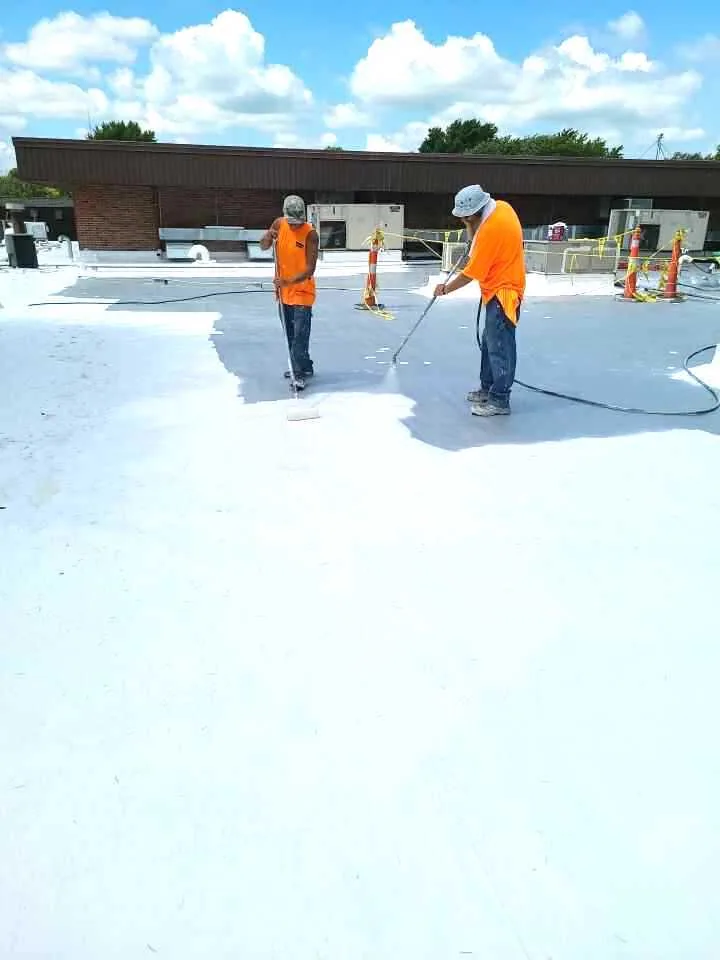
Holcim Elevate is the current commercial roofing name associated with the former Firestone Building Products business. Older building records may use the previous name.
We inspect the membrane and repair boundary first. The method depends on current surface condition, compatible materials and any written warranty requirements.
No. Its commercial portfolio includes other system types such as EPDM, modified bitumen and metal options. The installed assembly must be verified.
A recover option depends on existing layers, attachment, moisture, code and project requirements. We inspect and document the conditions before recommending it.
Send the certificate, original submittal, repair history, leak timing and access instructions. We can document the roof condition and the owner can confirm notice steps.
A single damaged lap can sometimes be repaired locally when adjacent material and attachment are sound. Recurring water entry, multiple failing details, wet insulation or unknown roof layers can change the recommendation. We describe the evidence for repair, additional testing or replacement and keep each alternative separate. A product line alone does not establish the right scope for a Greeley building.
Cost and schedule depend on material, roof height, access, demolition, equipment protection, insulation and edge work. We itemize testing, temporary protection, final tie-ins and exclusions. A repair proposal can address a verified defect; restoration is considered when the existing assembly can accept it. If condition evidence points to broader work, a replacement plan can compare system and schedule options.
When owner records show warranty notice requirements, the owner confirms them with the administrator. Warranty file tracking can keep inspection dates, repairs and documents organized. We can provide photos and a completed-work description without representing that a manufacturer has accepted a claim.
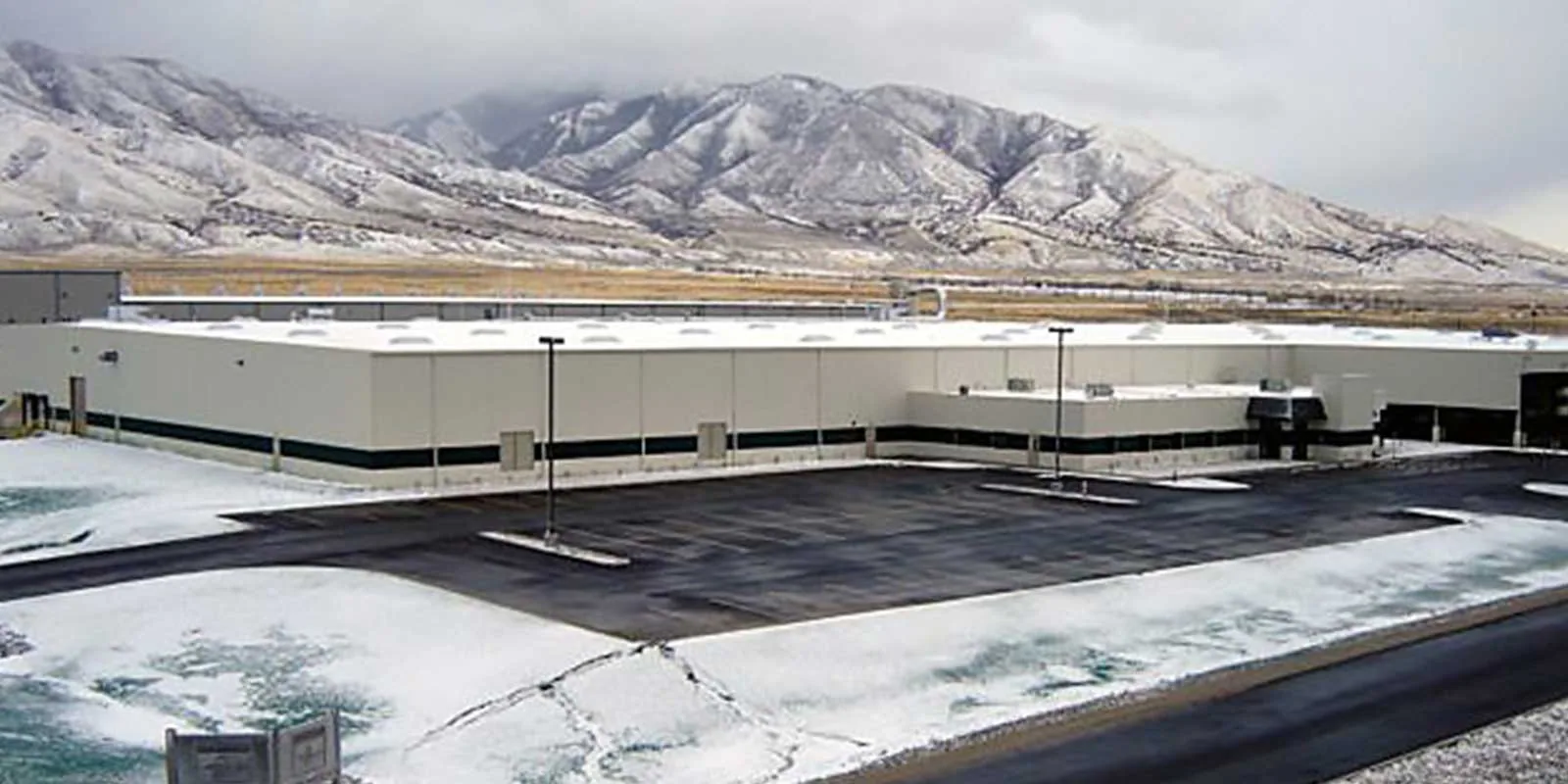
Closeout lists the system observed, product records reviewed, repair area, materials, photographs, testing and items left open. If the field assembly differs from the submittal, the report shows the difference. We identify nearby details that were observed but not repaired and state whether another inspection or owner decision is needed. That gives the next service visit a useful record of the exact zone.
Before inspection, send the original system documents, warranty terms, roof plan, leak timing, previous repairs and site access rules. Tell us whether a representative or consultant needs notice. If the roof includes more than one system from this manufacturer or a later overlay, list what records correspond to each area. That prevents one section’s product record from being applied to another. We can then prepare a route and materials that match the building’s documented layers.
At Western Sugar or along the U.S. 34 interchange corridor, we verify access directly with the property contact. Local development context does not decide the roof assembly. The written work plan states the location, method, dry-in and inspection steps so the owner can authorize the work with clear limits.
Where the building has several additions, we keep a separate record for each roof section and identify the transition between installation phases. A future repair then starts with the right product history and can avoid disturbing adjacent areas that were not part of the earlier work or repair.
For a multi-phase property, we preserve the system identification and repair boundary for each section separately. A later coating, equipment installation or membrane repair can then be compared with the correct assembly record instead of relying on a generic manufacturer label.