Can a retail store remain open during roof work?
Often, if the active area can be isolated and customer routes remain safe. We coordinate the work window with the store manager.
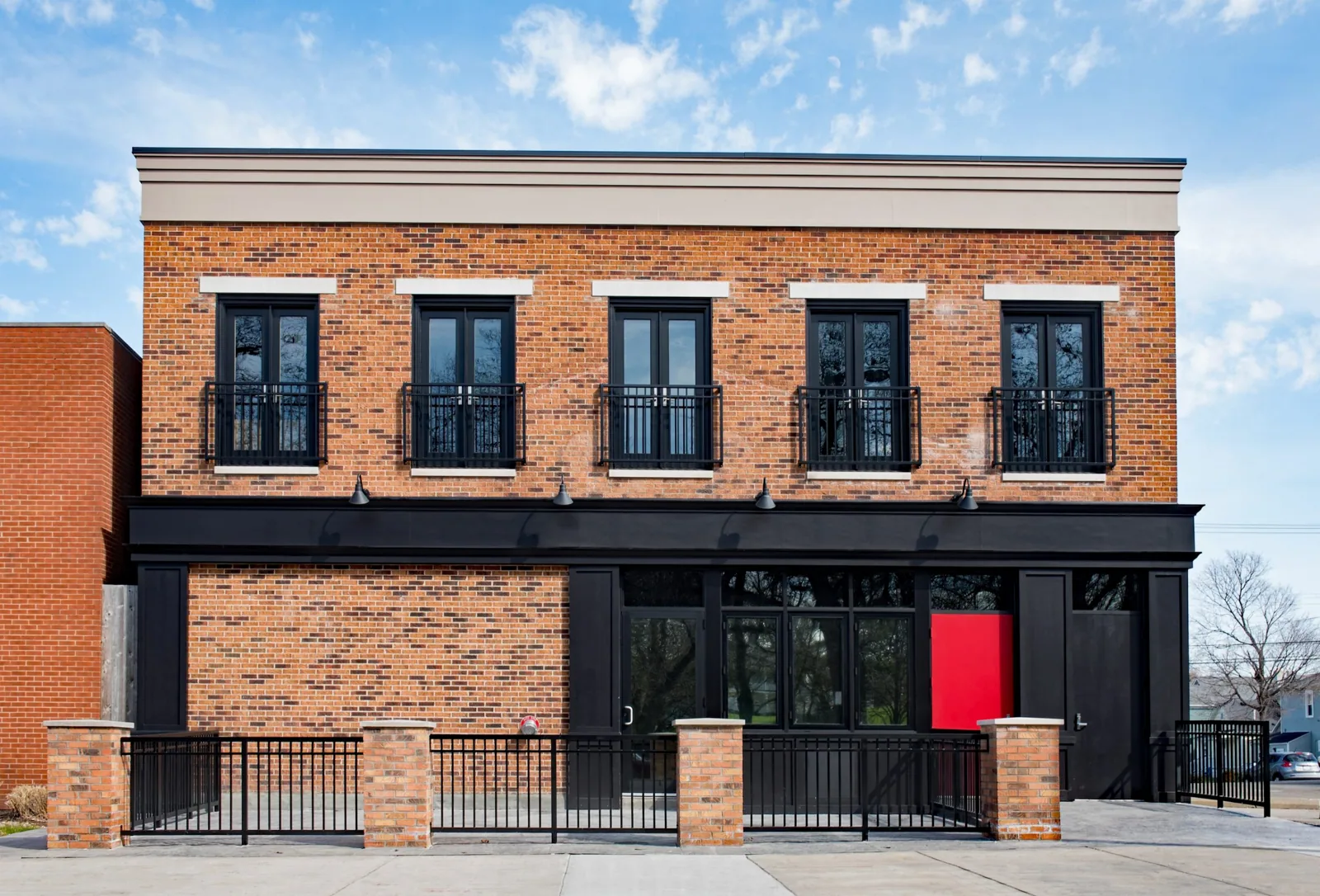
A roof leak at a store or restaurant affects more than the ceiling. It can interrupt dining, inventory handling, a delivery or customer access. We inspect the reported zone, document the roof condition and define the work boundary before recommending a repair. For a chain, every location receives its own findings; a problem at one building does not establish the condition of the next site.
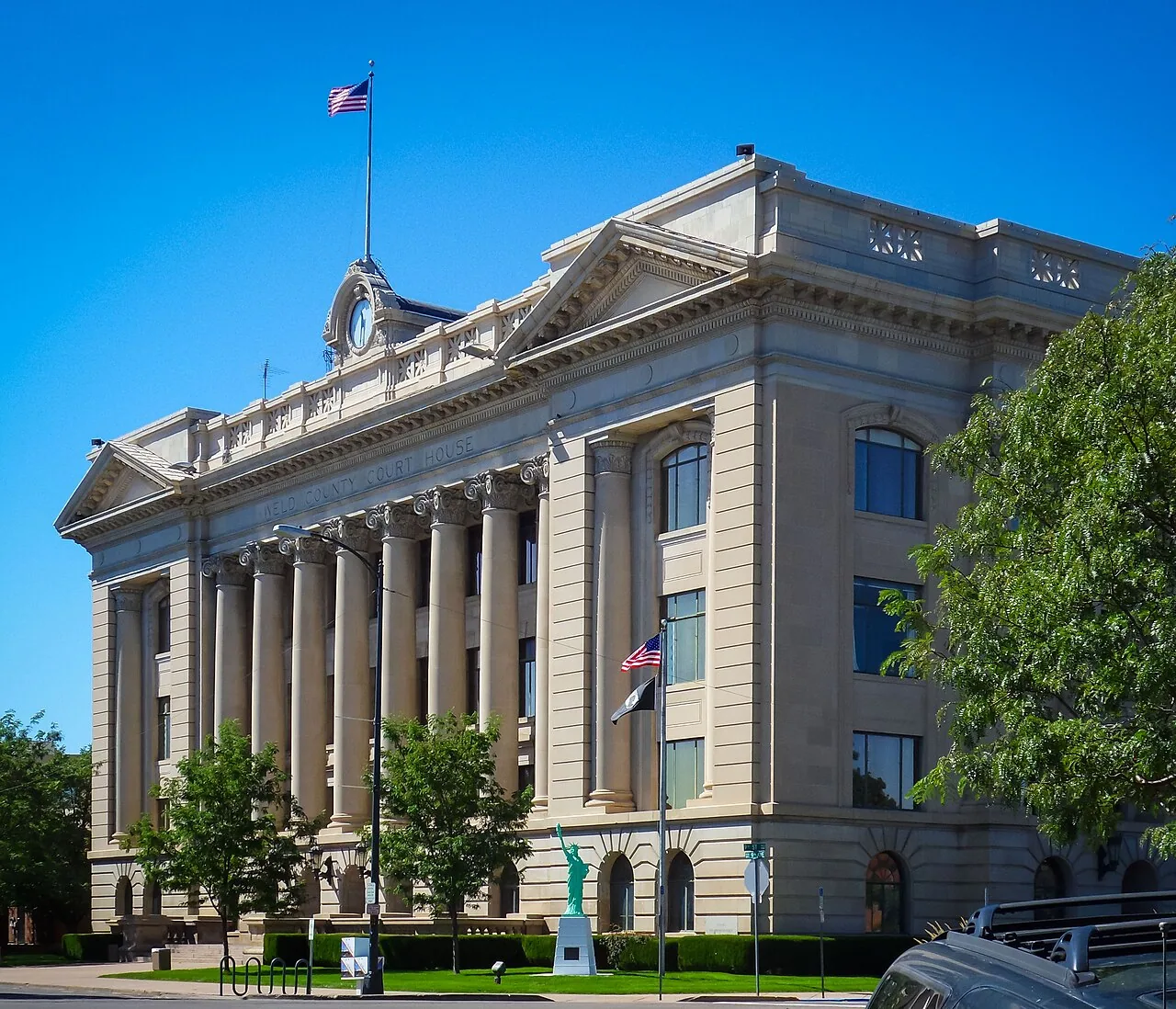
Greeley’s Downtown Greeley has a Downtown Development Authority focused on business growth and public/private development. The 10th Street Urban Renewal Corridor supports commercial reinvestment through a city facade-grant program. Those local initiatives indicate ongoing business activity, not a roof condition or tenant occupancy at a particular chain location. The property’s actual layout and operating rules guide the work.
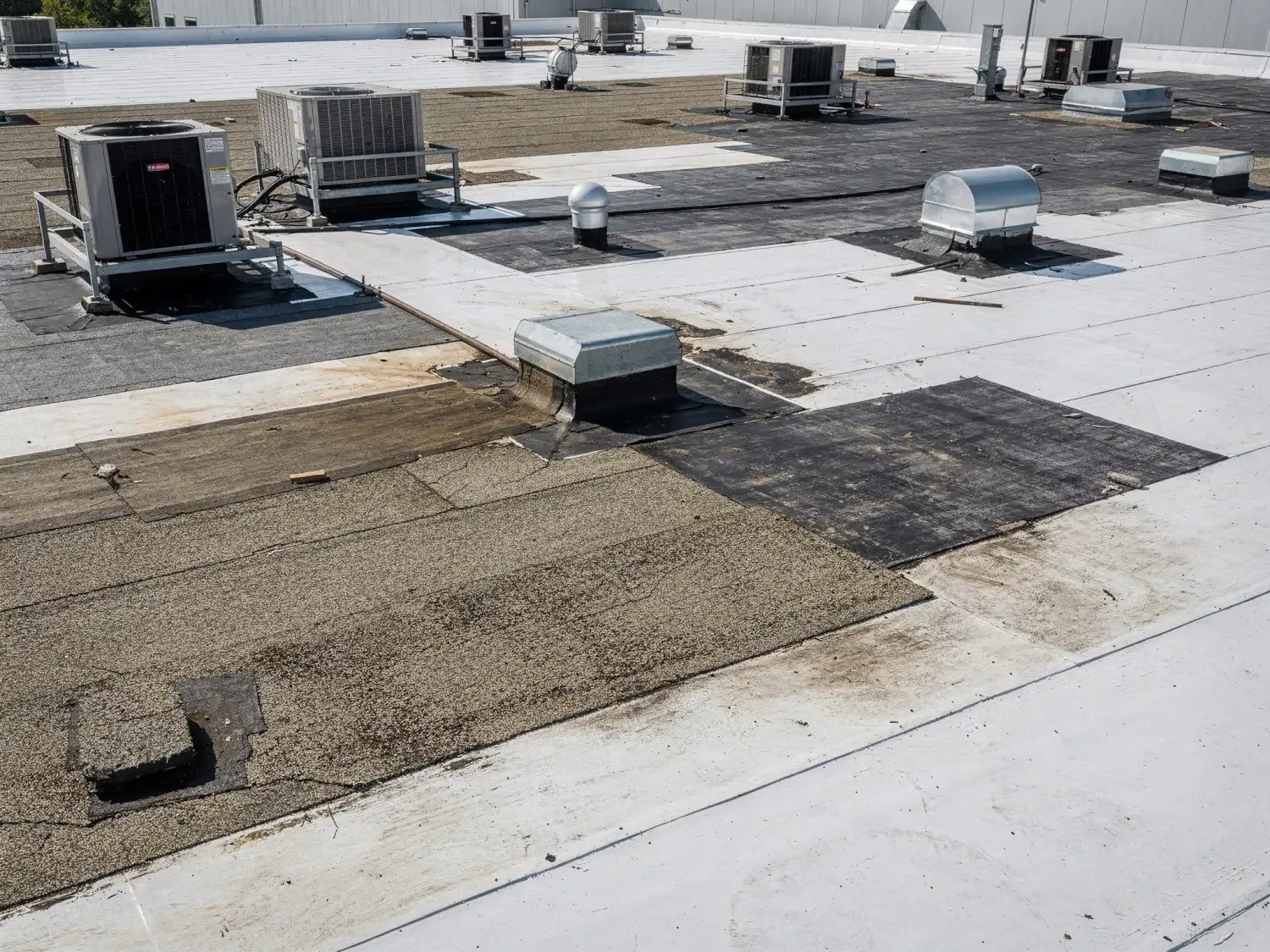
The manager identifies the room, sales aisle, kitchen, service counter or stock area where water appeared. We ask when it happened and whether operations changed at that time. The inspection checks roof seams, drains, penetrations, curbs, flashing and prior repairs above the reported zone. Water may travel before it becomes visible, so we map the stain and roof details separately. Photographs show the limits of the review and distinguish observed conditions from a suspected path.
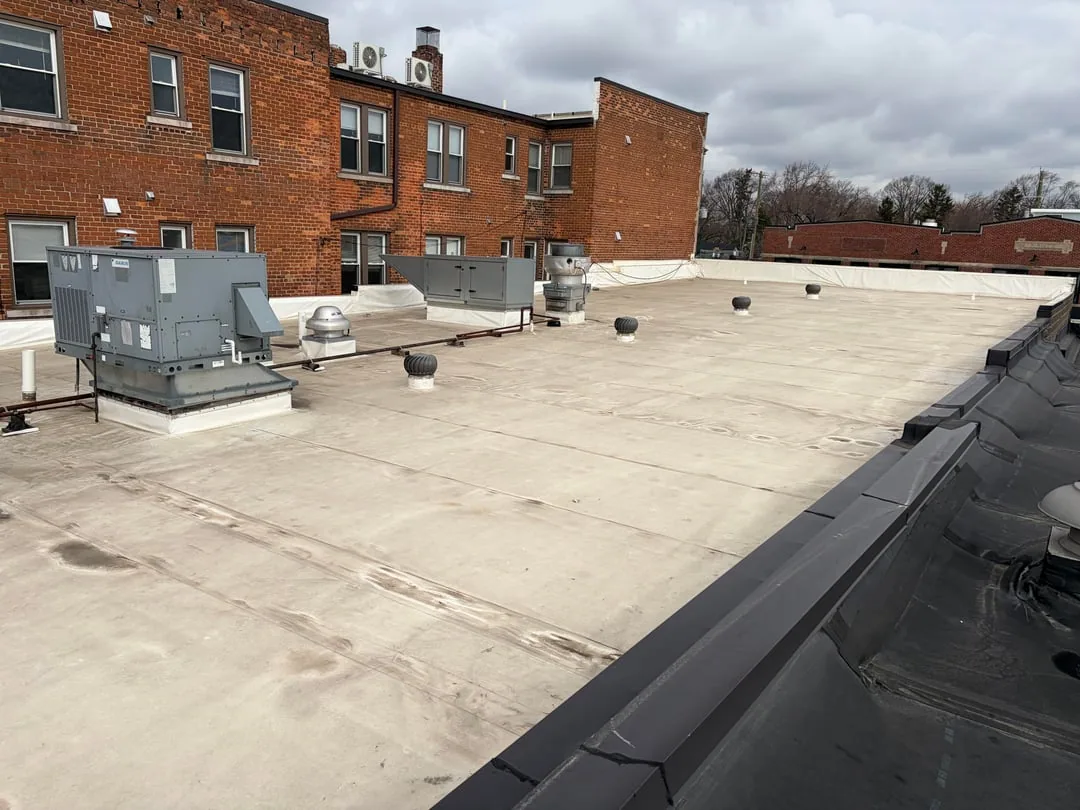
Restaurant roofs can include exhaust curbs or service penetrations; retail roofs may have signs, skylights or rooftop units. We verify what the building actually contains. A store’s HVAC vendor or kitchen equipment contractor may need to coordinate access, isolation or cleaning. A commercial roof inspection creates a property-level record; it does not replace food-safety or equipment procedures set by the operator.
Chains benefit from consistent labels for store number, roof zone, work order and closeout date. Those identifiers help a facilities team compare repeat service calls without treating separate buildings as the same assembly. We can note whether the report came from a tenant, franchisee or owner contact and who approved access. The final recommendation remains tied to the roof conditions visible at that location.
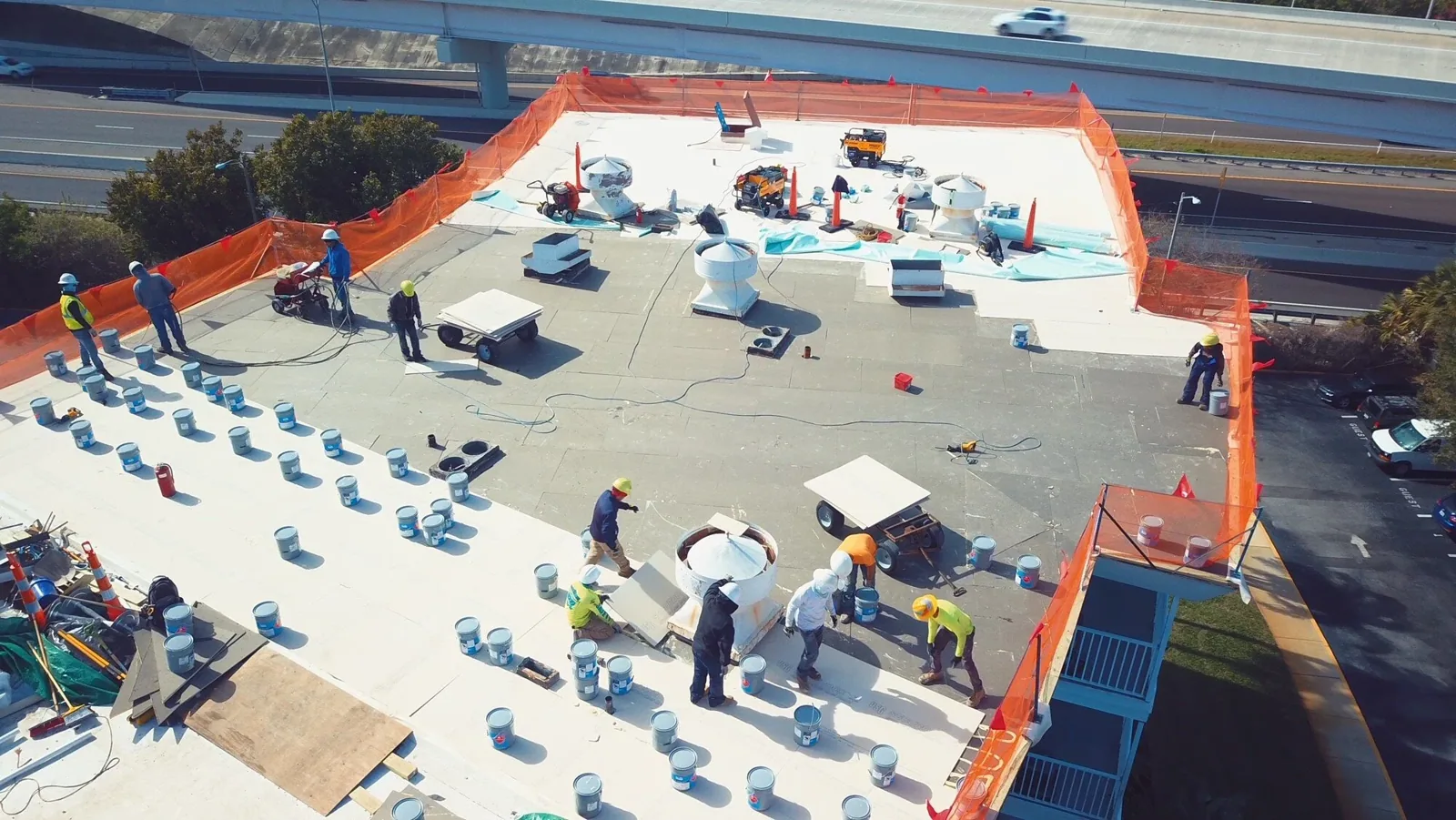
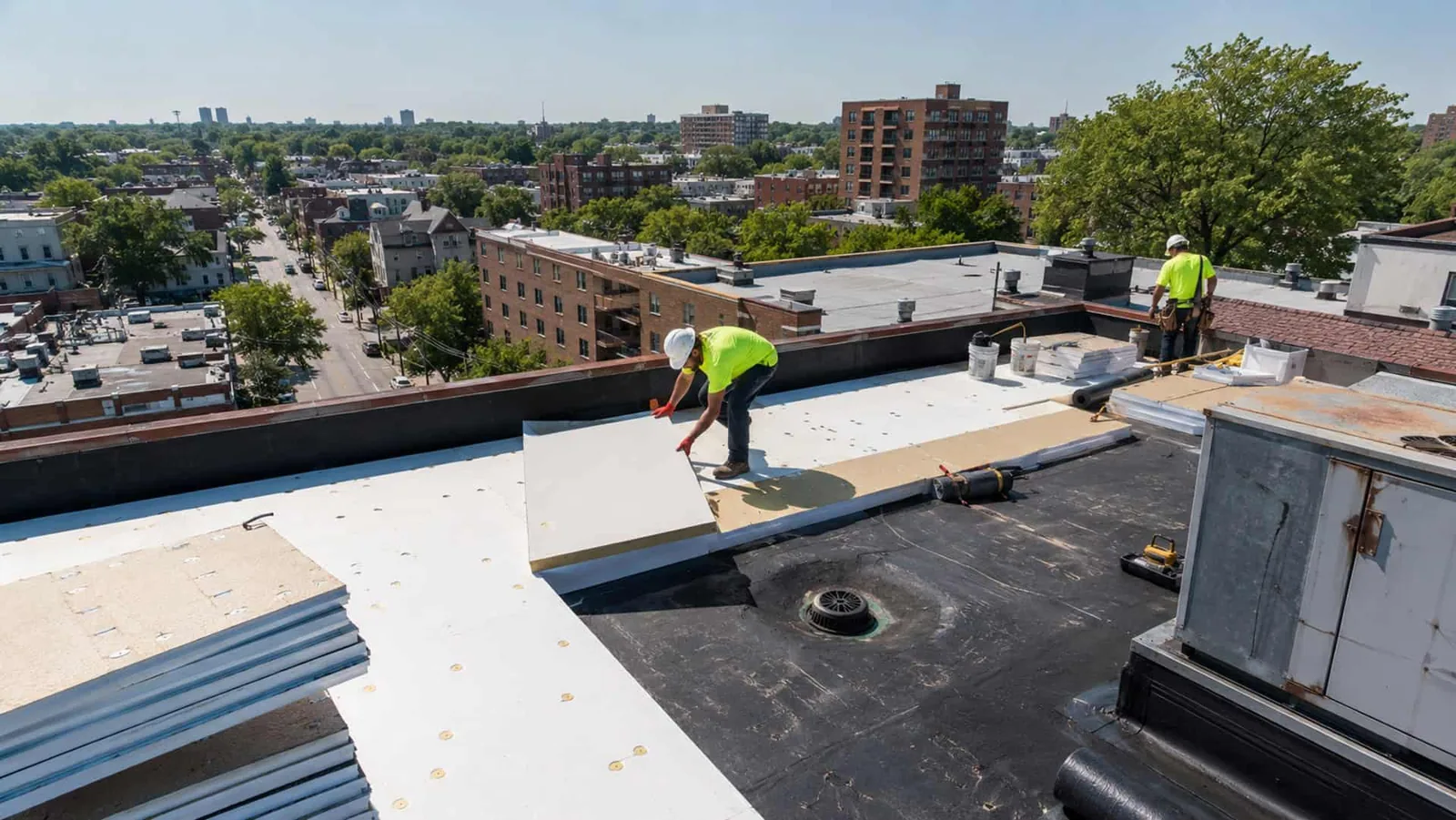
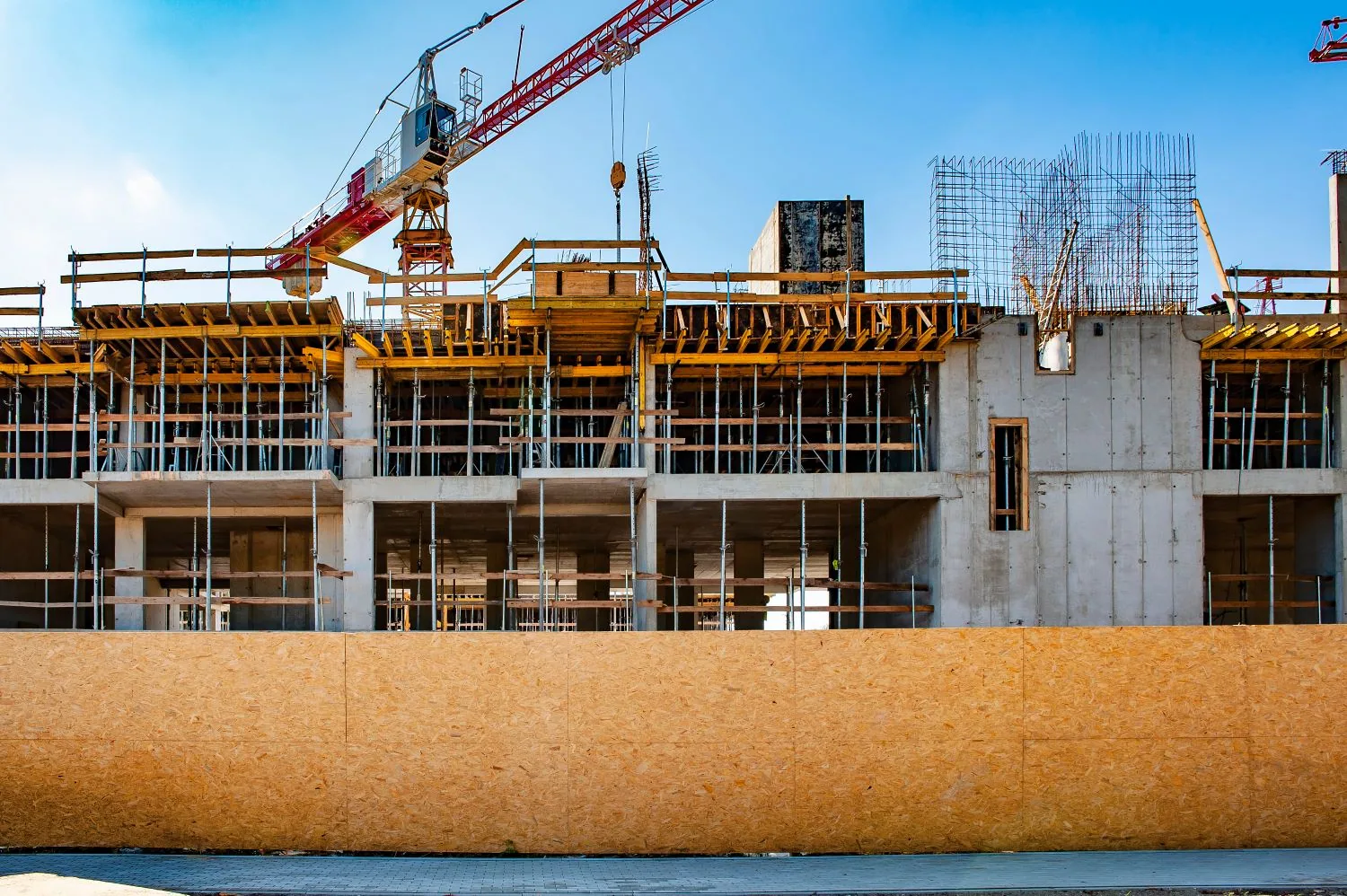
Before mobilization, the location manager shares opening hours, delivery windows, peak customer periods, waste pickup, kitchen cleaning and any time when service lanes must stay clear. We confirm where a lift or material drop can go and which entrance needs protection. Barriers below the work zone keep customers away from overhead activity. If a room or patio must close briefly, the local operator approves the detour and notice.
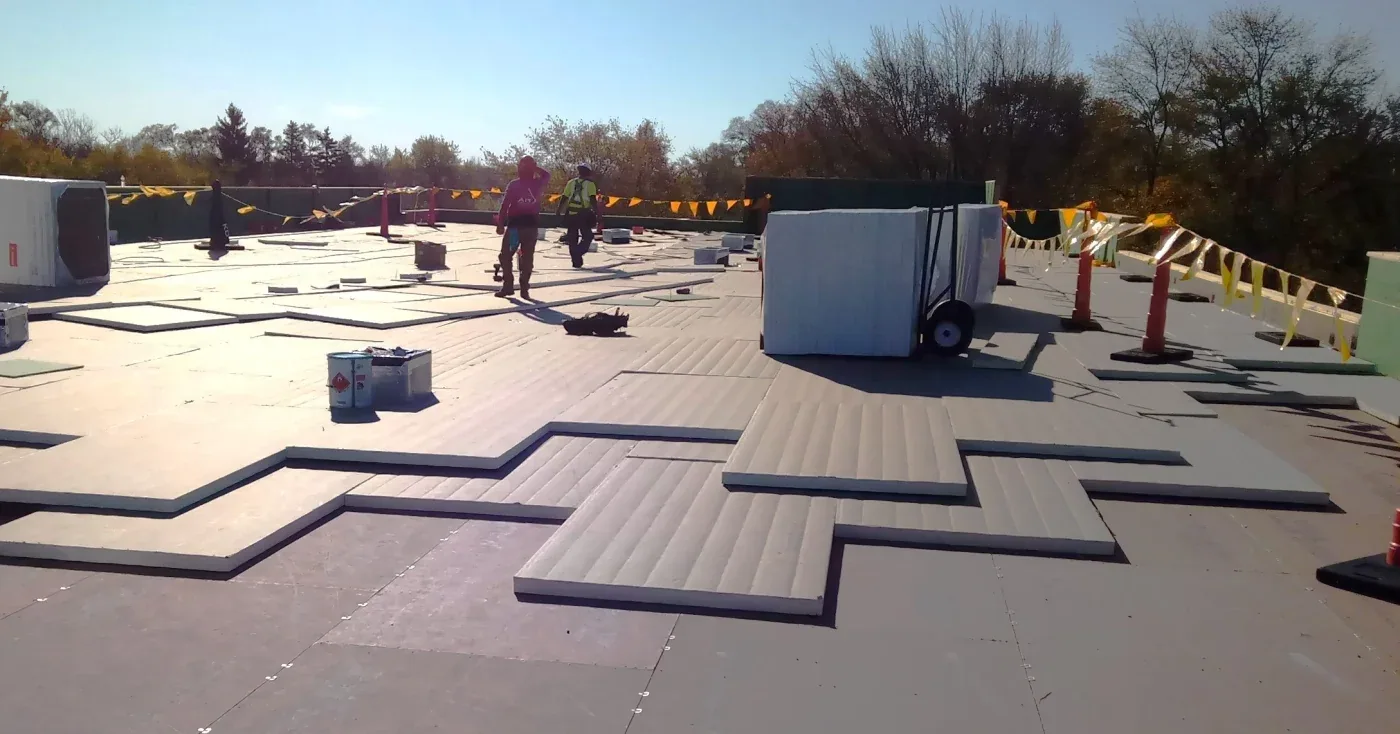
For multi-location programs, corporate facilities can group inspections by market or budget period while preserving local access notes. Some stores can accommodate a short daytime repair; others need an early, late or overnight window. We identify noise, odor, temporary equipment shutdowns and cleanup expectations in advance. An occupied-building sequence can phase a larger project around open business hours and customer use.
Restaurant work may require coordination with the kitchen manager, refrigeration service and sanitation lead. Retail work can involve stock protection, alarm rules and customer circulation. We assign those tasks before work starts instead of expecting the roofing crew to make operational decisions. If a schedule changes, the store contact can confirm whether the crew should hold, shift to another zone or return on a different day.
High temperatures, wind, precipitation, snowfall and snow depth can affect access and product application. We check conditions at the property and match the work window to the selected material’s requirements. The location manager’s operating calendar helps determine whether a safe window also works for the business.
A chain facilities team can request a post-storm visit; each store receives its own roof observations and operating follow-up. We inspect each store or restaurant and document the conditions found there. We inspect the specific roof and document what can be seen. If water was reported after an event, the inspection compares the tenant’s location and timing with the roof observations before describing cause.
Often, if the active area can be isolated and customer routes remain safe. We coordinate the work window with the store manager.
A later shift may work when access, staffing, security and weather allow. The operator confirms the approved window and equipment controls.
No. We inspect each location and keep findings tied to its roof, assembly and maintenance history.
The operator identifies protected areas and sanitation rules. We define the work zone and agree on covering, relocation or closure needs before mobilization.
Send roof plans, store ID, leak details, access contacts, business and delivery hours, equipment locations and reporting requirements.
A localized opening may be repaired when surrounding materials are serviceable. Repeated leaks, wet insulation or a broad area of deterioration may justify additional testing or replacement planning. We state the evidence supporting each path and identify what remains uncertain. The work scope separates permanent roof repair from ceiling finishes, merchandise relocation, kitchen cleaning, equipment service and customer communication.
Price and timing depend on assembly, roof area, access, store hours, equipment, staging, debris handling and temporary protection. We compare repair with replacement from the inspection results. The operator’s brand standards can inform interior protection and notice format, while the lease or owner agreement determines who authorizes roof work. A national facilities team should confirm those responsibilities before dispatching a vendor.
For a chain portfolio, options can be organized by store with an action, cost basis, access prerequisite and decision date. We avoid converting an isolated leak into a systemwide replacement program without supporting inspections. Managers can compare urgent water control with work that may be scheduled during a future remodel or closure. A property manager or asset owner can coordinate building access, but each operator confirms local business controls.
When work touches a customer-facing area, the proposal should state whether a closure is full or partial, how long the barrier remains and what must be checked before reopening. Store staff can identify a detour that preserves accessible customer routes. We also note where noise, odor or visible rooftop equipment may affect service. These operational details are separate from the technical roof repair but belong in the chain’s decision and scheduling record.
If a location uses a franchise operator, facilities team and property owner, we confirm whose approval covers roof access, permanent work and interior repairs. The scope names those decision points before the vendor is dispatched. That avoids asking a store manager to approve an owner’s capital project or asking corporate facilities to direct a tenant-controlled schedule without authority.
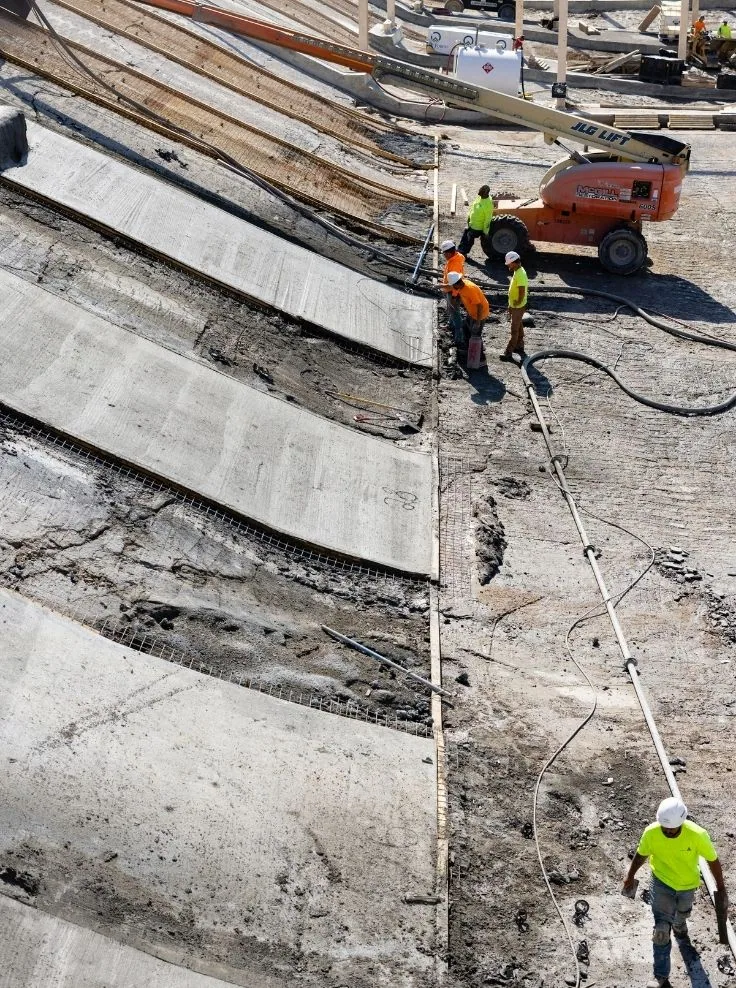
Closeout identifies the repaired roof zone, materials, photographs, drain and flashing details, release time and any follow-up item. The location manager confirms when the customer or service area can reopen. If a kitchen, refrigeration or sign contractor needs a next step, the record identifies the interface rather than attributing that work to roofing.
Send store plans, leak reports, business hours, delivery schedules, equipment contacts, access rules and any franchise or brand procedure before the visit. Corporate facilities can provide store IDs and preferred reporting fields. Downtown Greeley and the U.S. 34 corridor show local commercial activity, but the roof condition is determined at each operating address. We return a concise, location-specific plan that can be compared across the chain.