Can you document roof damage for an insurance file?
We can record accessible conditions, photographs, dates and roofing work performed. Coverage and claim decisions remain with the insured and insurer.

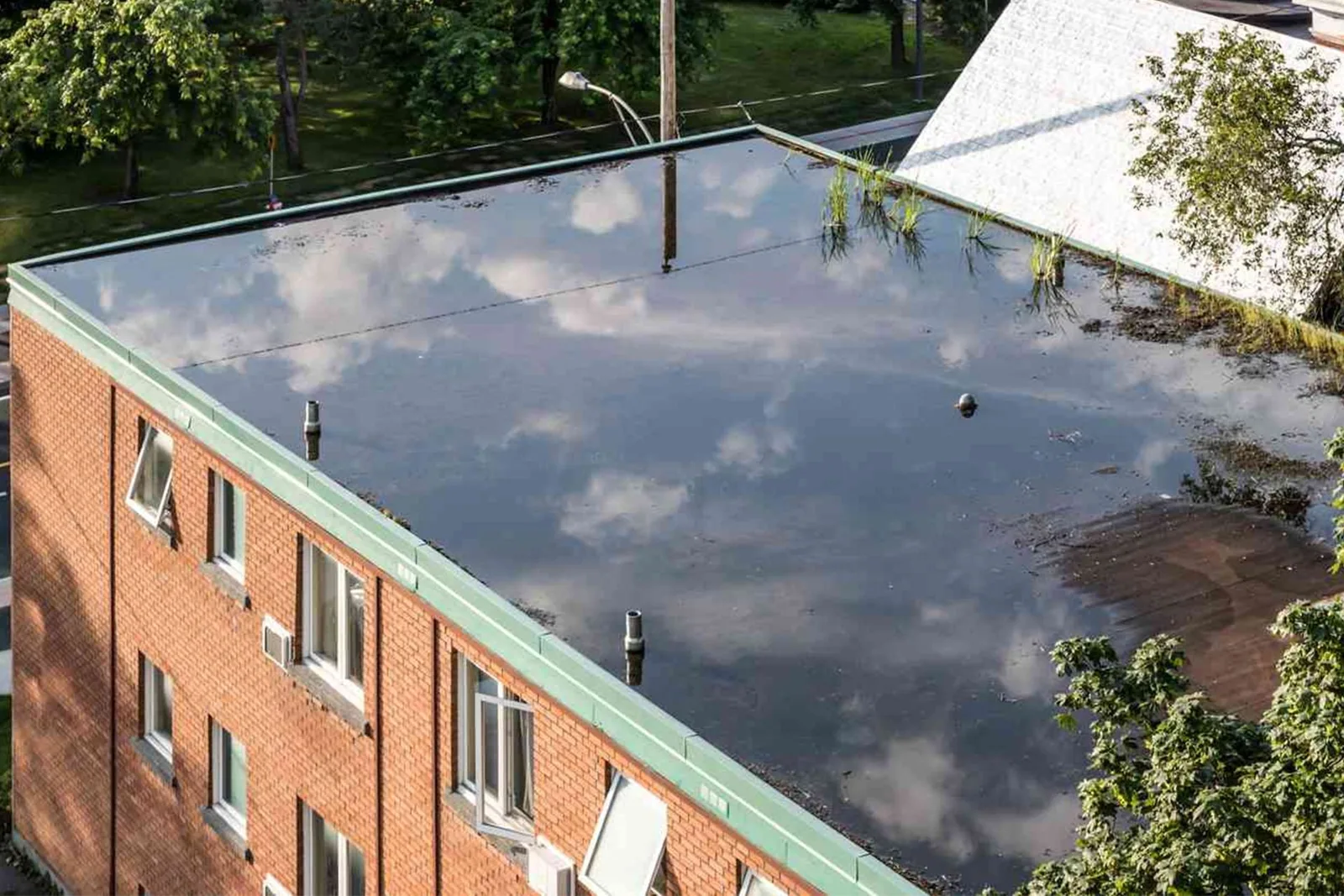
After a reported roof event, the useful first record is a site-specific one. We inspect the accessible roof area, photograph visible conditions and distinguish observed damage from a suspected cause. If water is entering, temporary protection may be needed while the permanent scope is evaluated. The owner, adjuster or restoration lead receives a clear work boundary and a list of areas that still require access or testing.
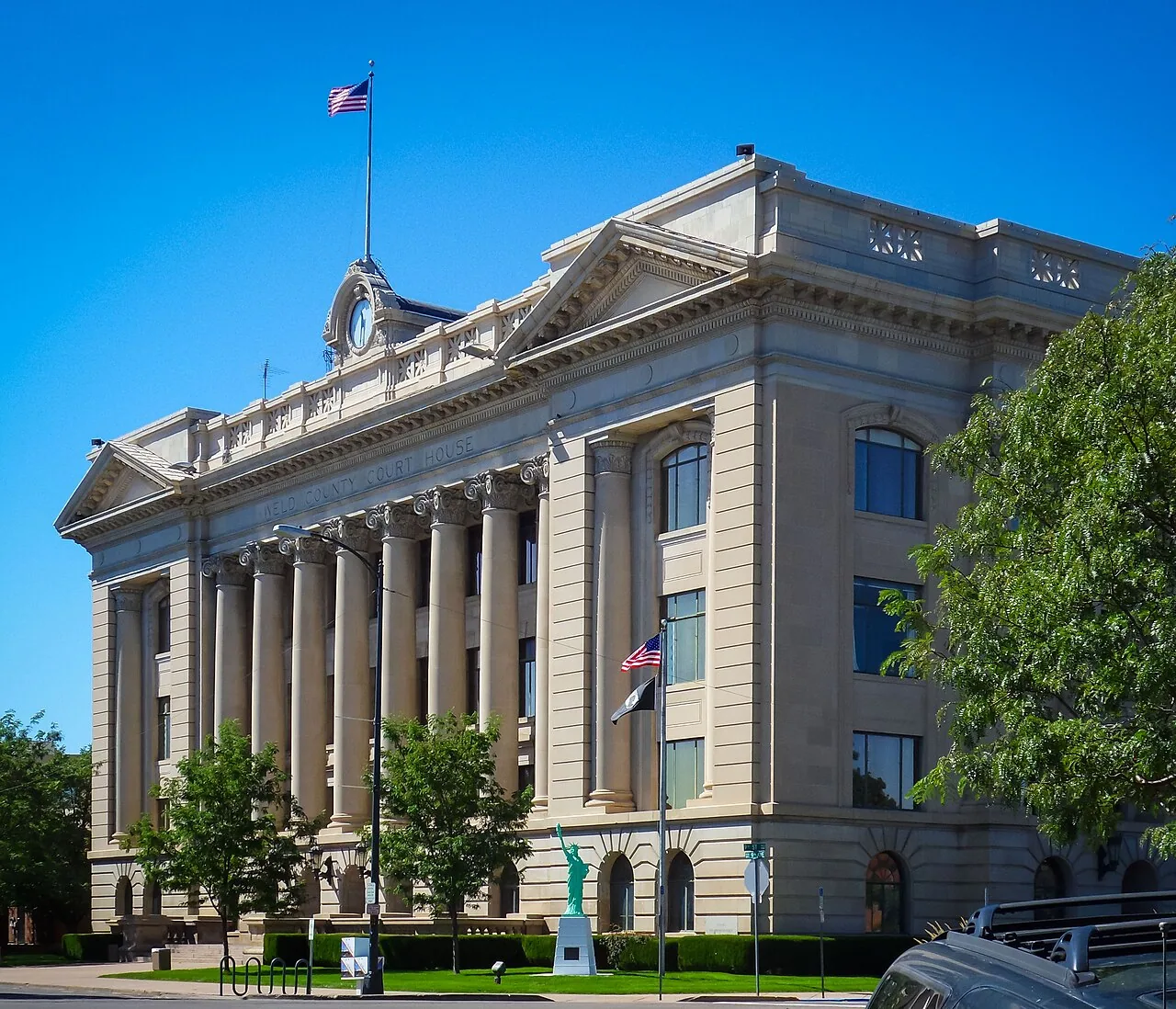
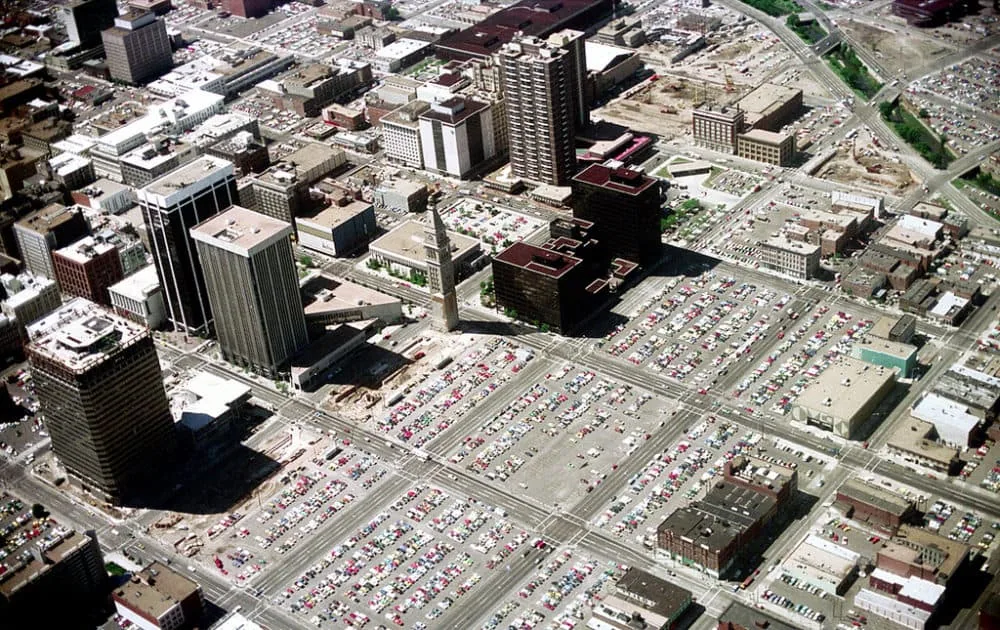
Weld County weather history includes hail near Greeley and tornado events. Downtown Greeley and the 10th Street Urban Renewal Corridor are local commercial districts within that broader market. Regional weather and district context can guide scheduling, but neither demonstrates damage to a particular insured building. The inspection and project records must establish the property-specific facts.
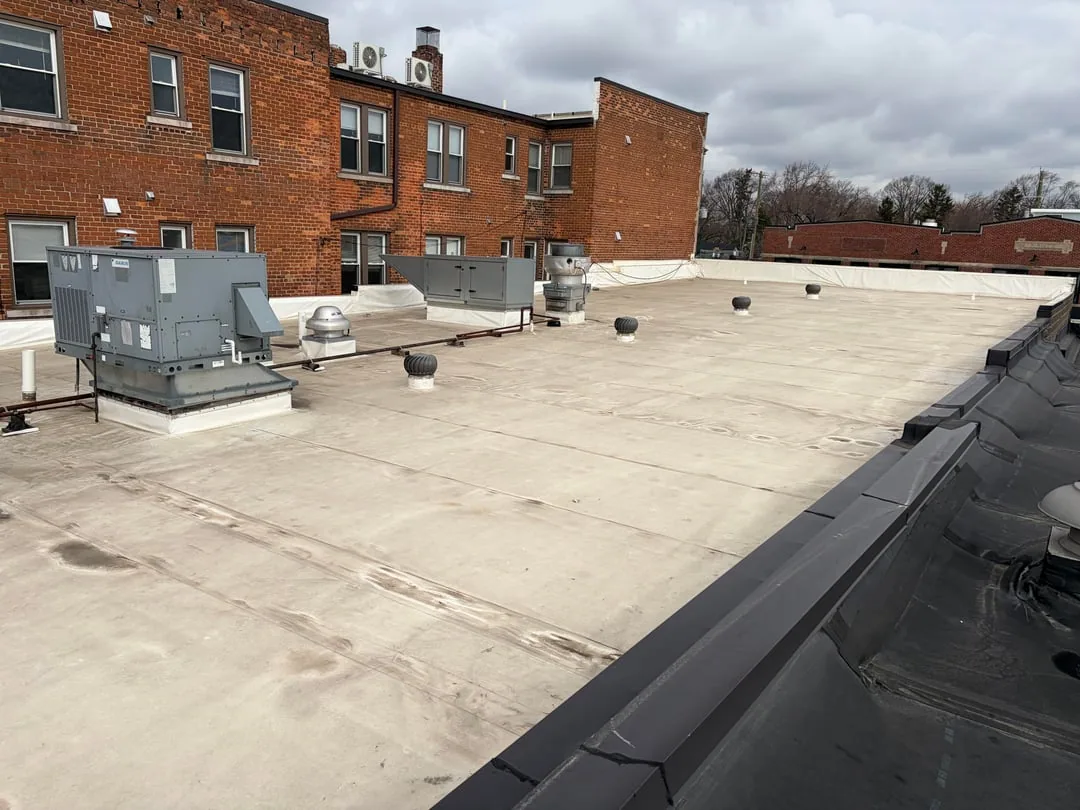
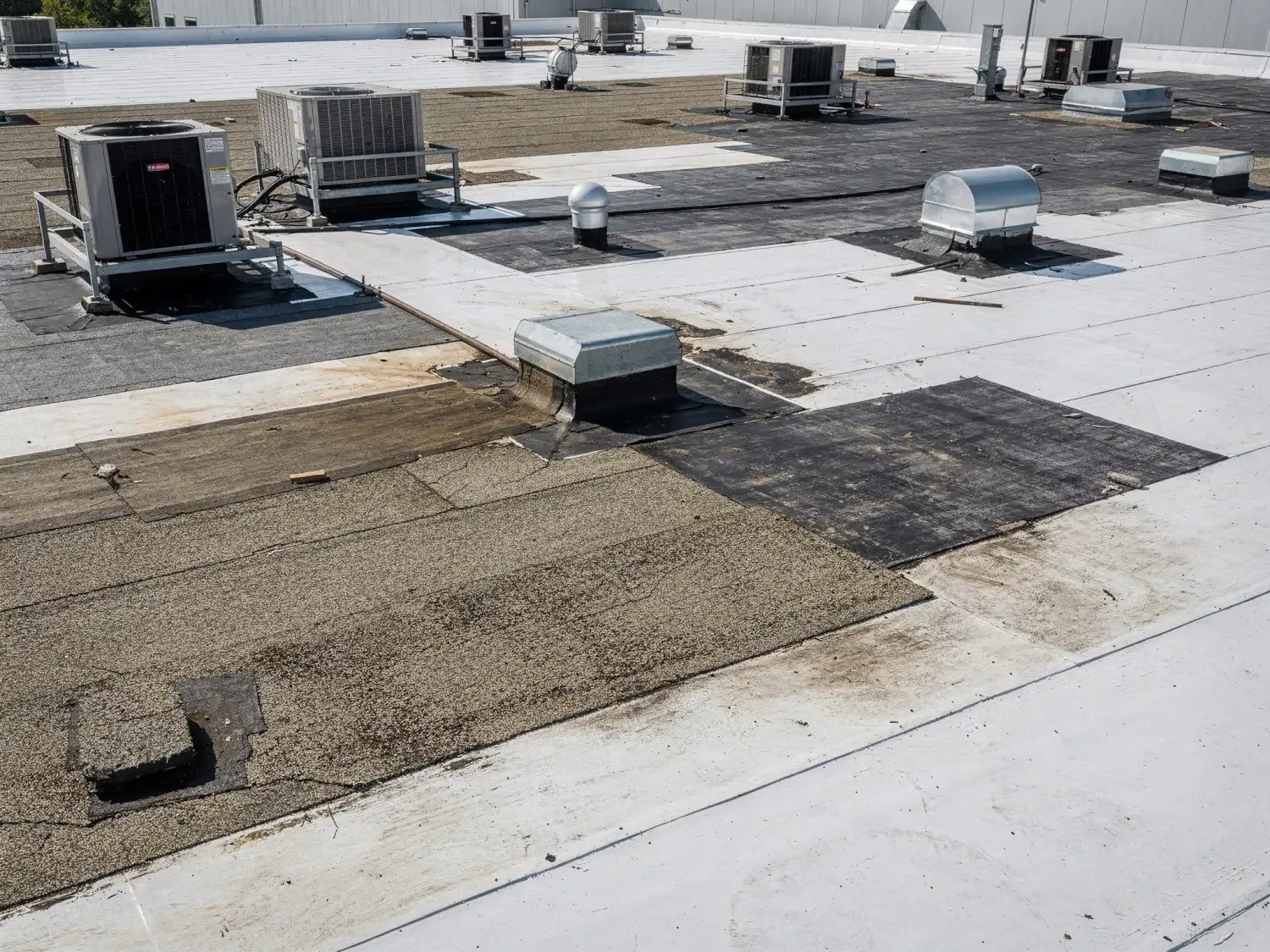
We ask when the owner first noticed water, which rooms were affected, what changed in building operations and whether earlier roof work occurred. On the roof, we examine seams, flashing, edges, penetrations, drainage and prior patches in the related zone. The report separates what the crew directly observed from information supplied by the owner or restoration team. If the entry point is uncertain, we say so and identify the next inspection or test needed.
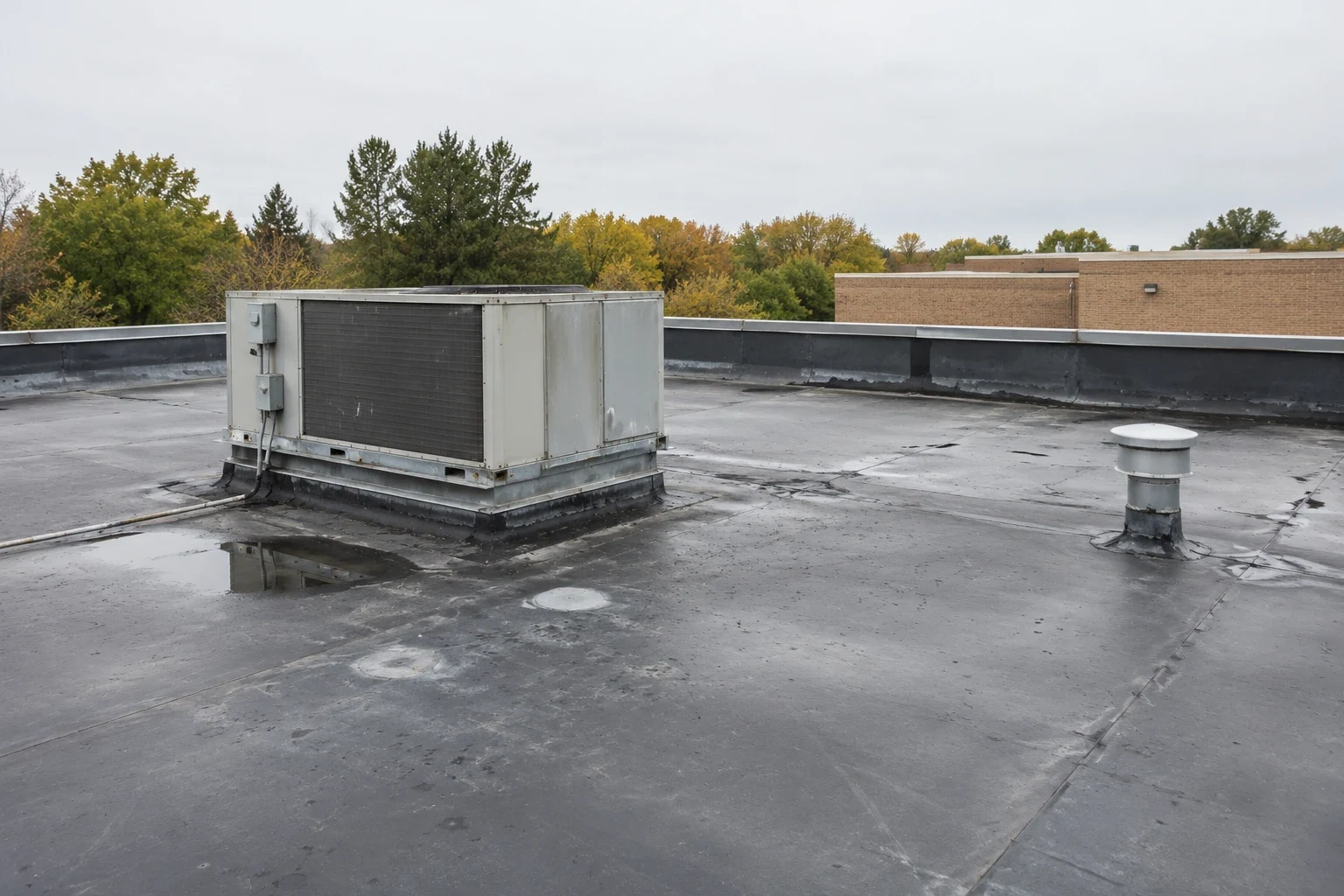
Photographs should show location, scale and relevant roof details without implying that one mark proves a storm cause. We label roof zones and correlate interior reports with visible conditions. An inspection report can document current conditions; claim documentation support can organize site records and repair scope. Neither substitutes for a coverage decision or adjustment by the responsible insurer.
When the roof is wet or unsafe, access may be limited. We note the boundary, protect the interior as directed and return when conditions allow. If an emergency contractor already installed a temporary cover, we record what was visible and avoid disturbing it without authorization. A later visit can compare the temporary measure with the permanent repair plan and record any area that remains concealed.
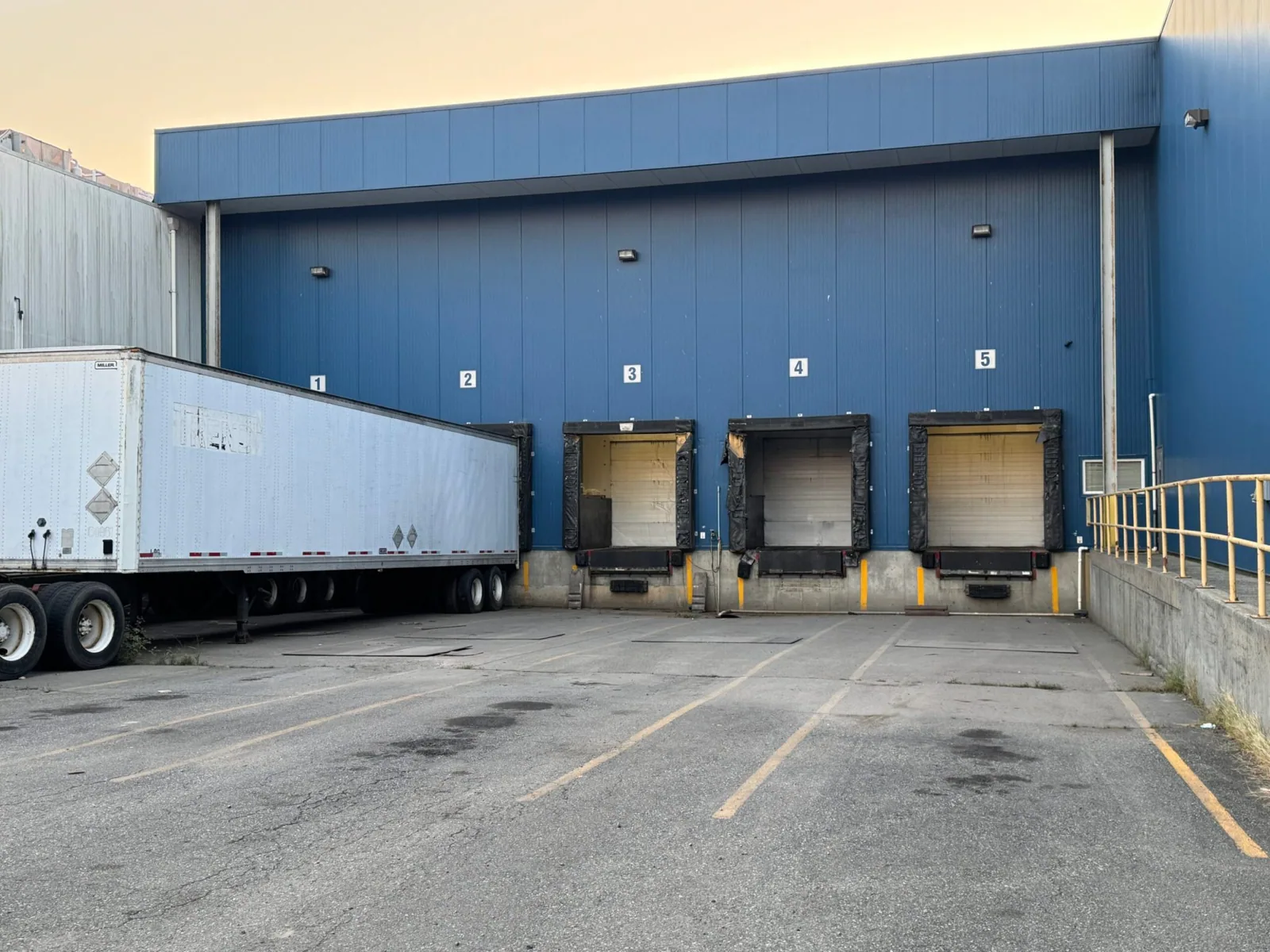
Emergency response starts with the owner’s authority to access the property, protect contents and approve temporary work. We identify active leaks, occupants, electrical concerns and any area that needs a temporary closure. The immediate action aims to limit further water entry without representing that a permanent repair has been completed. Photos and a dated work note identify what was installed, where it was placed and which follow-up is required.
The restoration lead and property contact coordinate interior extraction, ceiling removal, equipment relocation and access for the roofer. We distinguish those tasks from roof labor so each contractor understands its responsibility. Once the roof is safe to inspect, we define permanent repair limits and whether moisture testing or a broader assembly review is useful. For urgent conditions, emergency roof repair can address immediate exposure, followed by a separate scope based on verified findings.
Claims teams may need a chronology: reported event, first inspection, temporary protection, interior mitigation, permanent repair and closeout. We can provide roofing records with dates, roof-zone references and itemized work performed. We do not infer policy coverage, causation or the amount payable. The insured and carrier determine any additional file requirements; our closeout records the roofing work and conditions observed.
Greeley Airport observations record wind, precipitation, snowfall, snow depth and temperature. Those conditions affect when a roof can be accessed and which materials can be installed. The inspection date, roof surface and current weather are more useful for deciding whether a repair can proceed than a seasonal average. We confirm the actual work conditions and note any limitation that prevents a complete review.
NWS Colorado summaries include hail and tornado entries in Weld County near Greeley. After a reported event, the inspection focuses on the roof surface, drainage, edges and interior conditions at the insured property. We document impact marks, displaced details, open seams or water paths where they are visible and accessible. If the owner reports a date or direction of travel, the report attributes that information to the owner and keeps it separate from our observations. This helps claims reviewers evaluate the file without confusing reported history with a roofing finding.
We can record accessible conditions, photographs, dates and roofing work performed. Coverage and claim decisions remain with the insured and insurer.
No. Regional event records do not establish a property condition. A site inspection must document the roof evidence.
If the owner authorizes access and conditions are safe, we can discuss temporary measures to limit active water entry and record their limits.
We describe observed roof conditions and any supported water path. When cause remains uncertain, we identify the test or access needed to investigate further.
Share event timing, mitigation notes, roof plans, prior repairs, access rules and the owner contact who can approve temporary or permanent work.
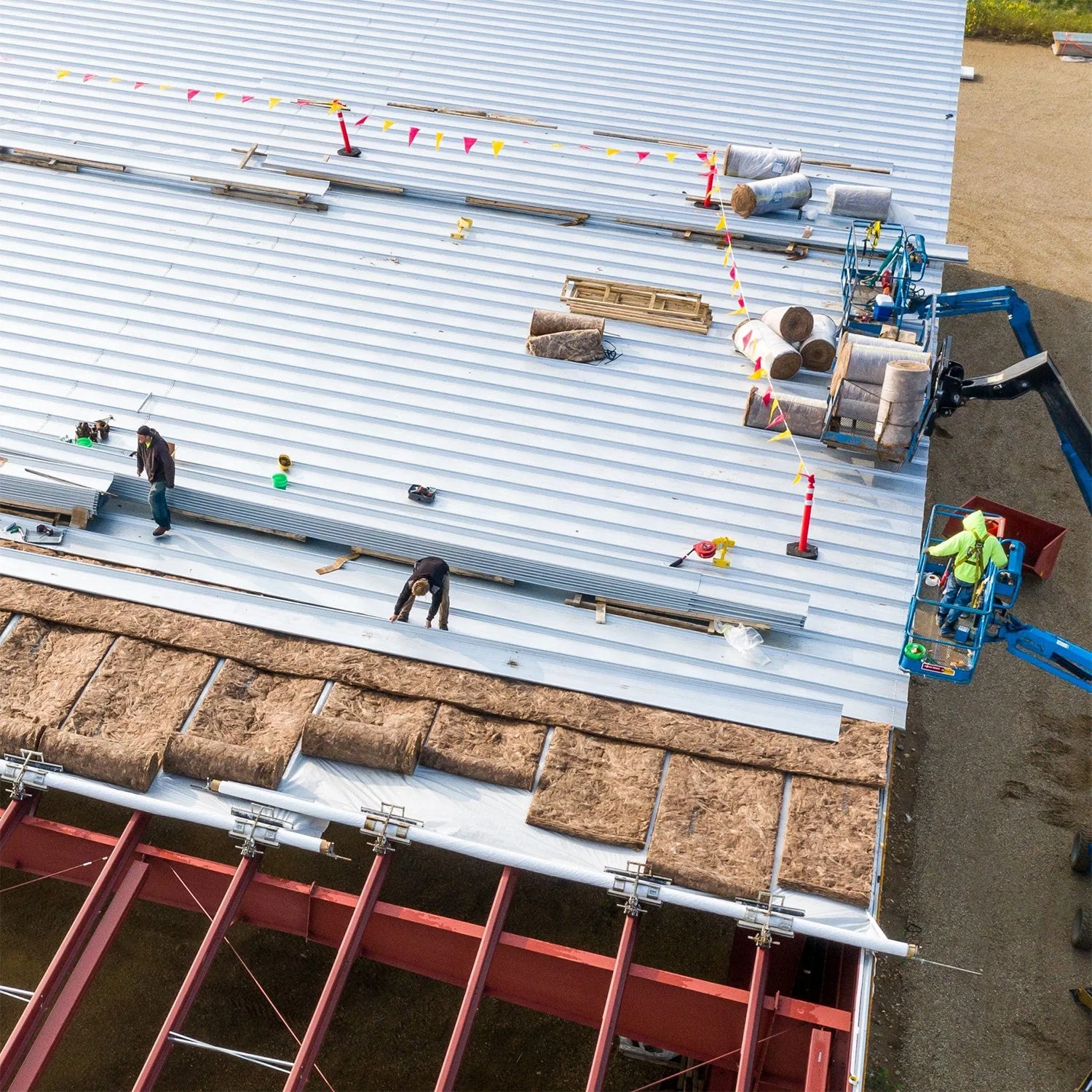
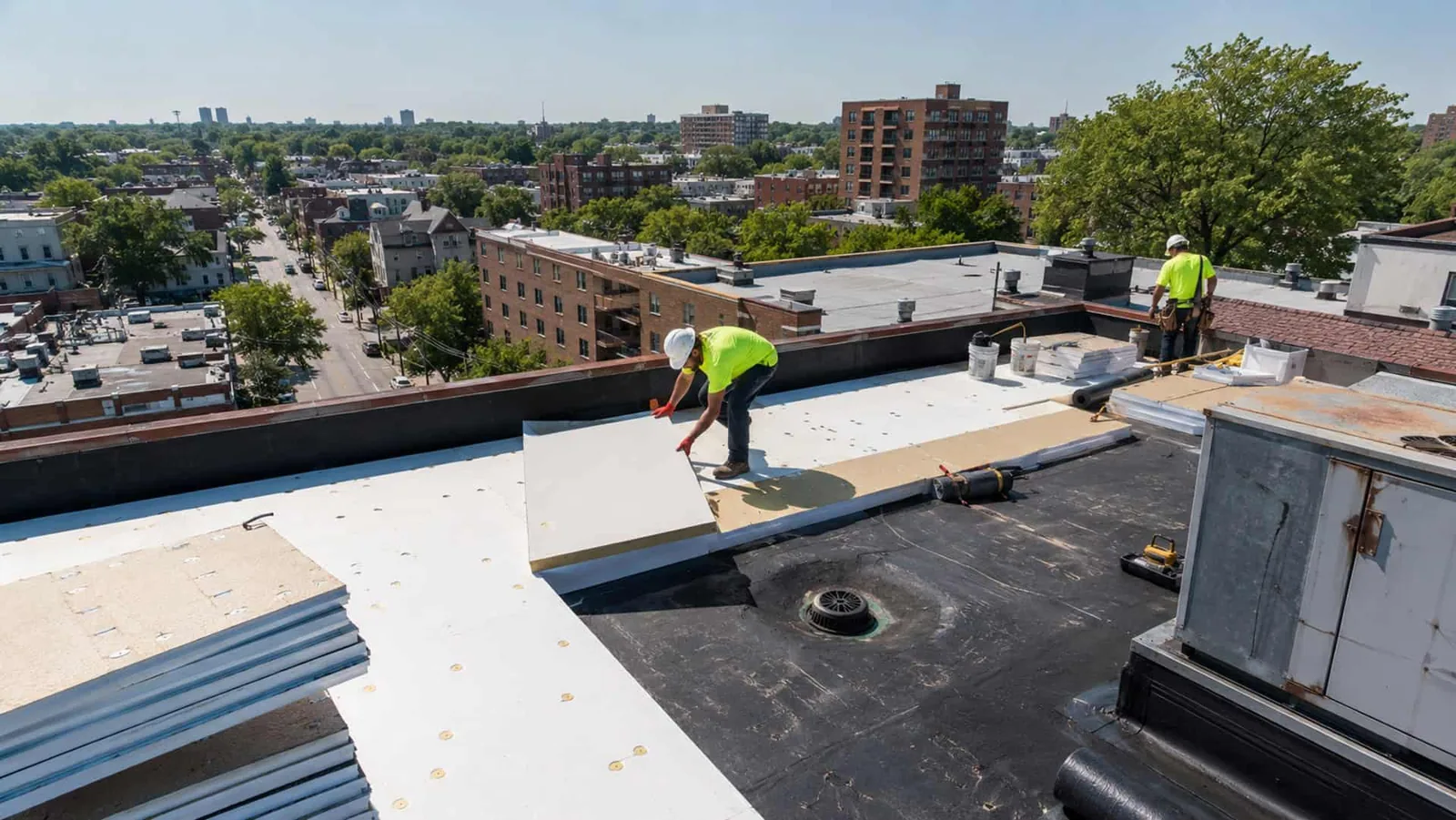
A temporary cover or seal may reduce active entry while a full inspection is arranged. Permanent repair requires a confirmed scope, compatible materials and a sound tie-in to the existing assembly. If damage extends beyond a local detail, additional testing or replacement planning may be warranted. We state the evidence behind the recommendation and identify any concealed condition that could change quantities after opening.
Pricing reflects roof area, assembly, access, temporary protection, demolition, moisture findings, interior coordination and material availability. We compare targeted repair with replacement when the inspection supports both choices. The claim file can list temporary measures separately from permanent construction, making scope and invoice review easier. A separate policy interpretation or coverage decision remains with the insurer and insured.
For commercial districts, the owner may need to maintain customer or tenant access while mitigation continues. We coordinate barriers and staging with the property contact and list any closure assumptions in the repair proposal. If work requires a second mobilization after interior drying or a materials test, we identify that sequence before billing. The goal is a documented roof scope that can be compared with restoration work without merging the two trades.
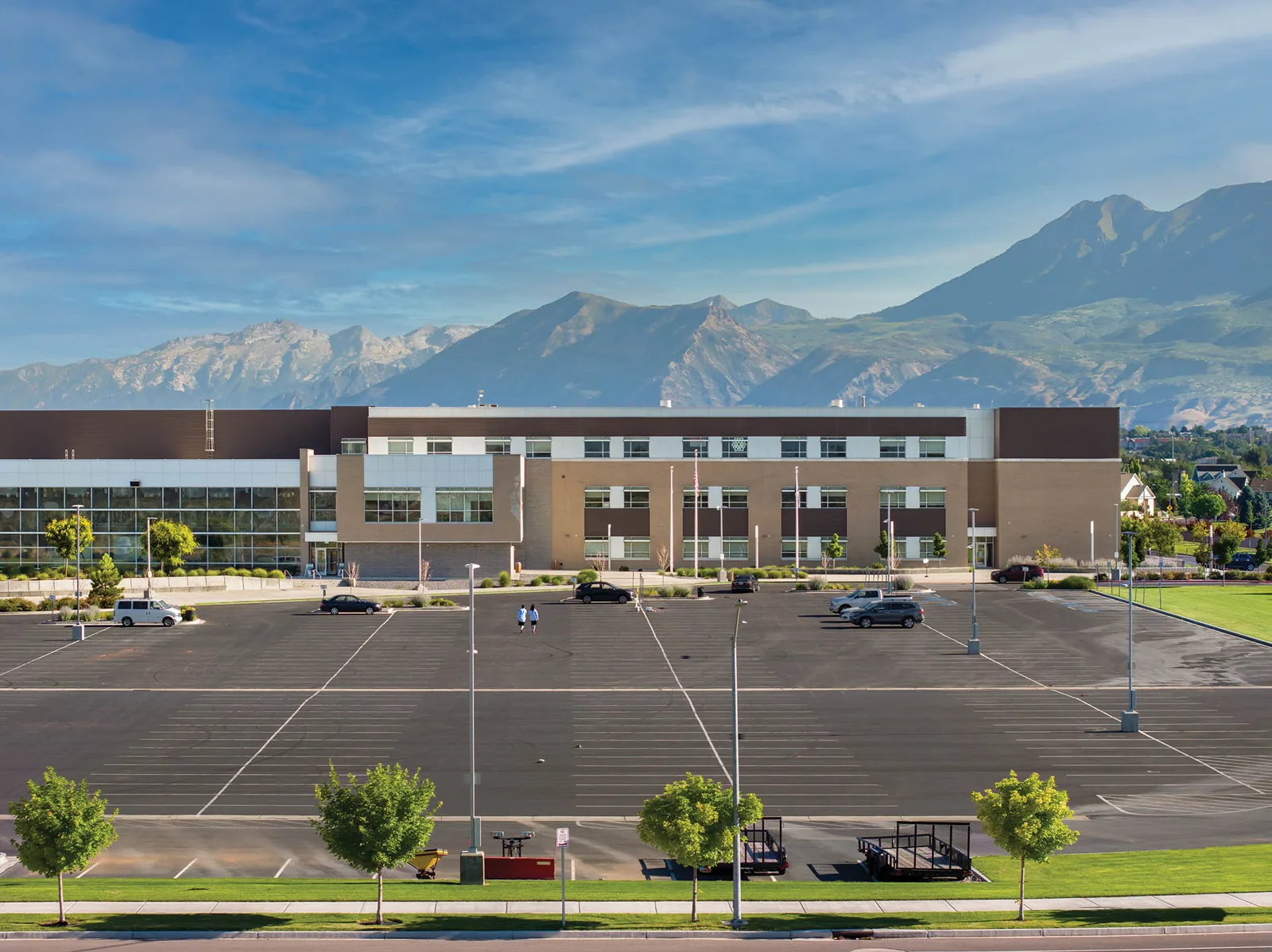
Closeout records the roof area repaired, materials used, photographs, temporary protection removed and any condition requiring monitoring. We identify the visit date, scope limits and remaining open item. The owner or adjuster can match invoices to roof zones and understand which work was completed. If the restoration contractor still has interior repairs, the handoff notes that separate responsibility.
Provide the reported event date, roof plans, leak history, prior invoices, mitigation notes, site access rules and the person authorized to approve work. Downtown Greeley and the 10th Street corridor are market context, while the individual roof establishes the claim-related condition. We inspect, document and return a factual repair record without making a coverage decision.
After completion, the owner can schedule a separate maintenance review and retain the report with building records. A follow-up inspection may be appropriate if a temporary measure remained in place or a concealed area was not accessible during the first visit. We state the trigger for that return so the next contractor visit addresses a defined question.
Where several parties coordinate a property, the roofing record can be shared with property managers and public agencies through the owner’s approved process. Each recipient should receive only the building information needed for its role.